
| Duration: 5 day | Max Altitude: 4130m/ 13550 ft. | ||
| Group Size: 2+ | Location: Annapurna | ||
| Difficulty: moderate | Per Day Walk: 05-06 | ||
| Accommodation: Hotel / Teahouse |
5-Day Annapurna Base Camp Trek: Short Trek from Pokhara
The 5-day Annapurna Base Camp Trek starts from Pokhara, which is perfect for adventurers with limited time. This condensed journey delivers all the breathtaking Himalayan views and cultural immersion of the classic ABC trek without the extended commitment. You’ll witness towering peaks, traverse diverse landscapes, and reach the legendary Annapurna Base Camp at 4,130 meter while starting and ending in Nepal’s adventure capital, Pokhara. Our 5-day Annapurna Base Camp short trek eliminates unnecessary walking days while maintaining all essential highlights. You’ll experience the dramatic transition from subtropical valleys to alpine meadows, and encounter warm Gurung hospitality in traditional villages.
Overview of the Short Annapurna Base Camp Trek from Pokhara
Our 5-day ABC trek from Pokhara condenses the classic trek into a 5-day adventure without missing the mountain highlights. You’ll cover approximately 70 kilometers of diverse terrain, ascending from Pokhara’s lakeside. This trek stands out as the perfect introduction to high-altitude Himalayan trekking. You’ll witness the dramatic landscape transformation from lush rhododendron forests to stark alpine terrain. The route takes you through authentic Gurung and Magar villages where you’ll experience genuine mountain hospitality and observe traditional Himalayan lifestyles unchanged for generations.
Our expertly crafted 5 Days Annapurna Base Camp Trek itinerary from Pokhara eliminates the walking days found in longer versions of the trek to ABC. You’ll trek through the famous Modi River valley, cross suspension bridges above roaring glacial streams, and navigate stone steps carved by generations of mountain travellers. The journey culminates at Annapurna Base Camp, where you’ll stand surrounded by a 360-degree arena of towering peaks including Annapurna I (8,091m), Annapurna South (7,219m), and the iconic Machhapuchhre (6,993m).
Trail Highlights in the Route to Annapurna Base Camp
- Scenic Drive from Pokhara to Nayapul
- A relaxing hot spring at Jhinu Danda
- Peaceful trekking through rhododendron and bamboo forests
- Close-up sights of the sacred Fishtail mountain
- Panoramic Sunrise views at Annapurna Base Camp
- Spot monkeys, birds, and vibrant mountain flora along the route
- Experience warm hospitality and unique traditions in mountain communities
Includes
- Local Guide.
- Hotel in Pokhara.
- All trek permits (Annapurna National Park Permit and TIMS)
- Overland transfer to and from trekking start and end point.
- Lodge accommodation during trekking.
- All Meals (Breakfast, Lunch, Dinner) during trek.
- Only Breakfast in Pokhara.
- One porter for 2 trekkers.
- Basic First aid kit.
- Farewell Dinner.
Excludes
- Visas and travel insurance
- Hotel in Kathmandu
- Lunch and Dinner in Pokhara
- Bottled drinks and beverages
- Evacuation (will be done in your account)
- Tips for Guide and Porters
- Single supplement Charges
- Laundry, Phone services, Personal Expenses
- Add-Onn trips
- Tea breaks, chocolates or other snacks
- Delay and cancellation because of natural phenomenon
- International flights to Kathmandu
ABC Trek in 5 Days: Stunning Views, Tough Trails – Our Video Experience
Detailed 5-Day ABC Trek Itinerary from Pokhara
-
Day 1:
Pokhara to Jhinu Danda via Nayapul – Trek to Sinwa
-
Day 2:
Sinwa to Deurali Trek
-
Day 3:
Deurali to Annapurna Base Camp (via MBC)
-
Day 4:
ABC Return to Upper Sinwa
-
Day 5:
Sinwa to Jhinu Danda – Return to Pokhara
-
Day 1 : Pokhara to Jhinu Danda via Nayapul - Trek to Sinwa
Your short Annapurna Base Camp trek adventure begins with an early morning departure from Pokhara, driving northwest through scenic countryside toward Nayapul. It lasts for one hour and thirty minutes, which allows you to see traditional Nepalese villages, terraced hills, and even river valleys. Moreover, there will be local markets and daily rural life in addition to emerging mountain views. The first part of your hike starts as you move up along with Modi River through subtropical flora and crossing multiple suspension bridges. It will give you a glimpse of what a Himalayan adventure feels like. During this trek, expect to come across mule trains that are transporting supplies to rural villages along with trekkers who have started earlier than you.
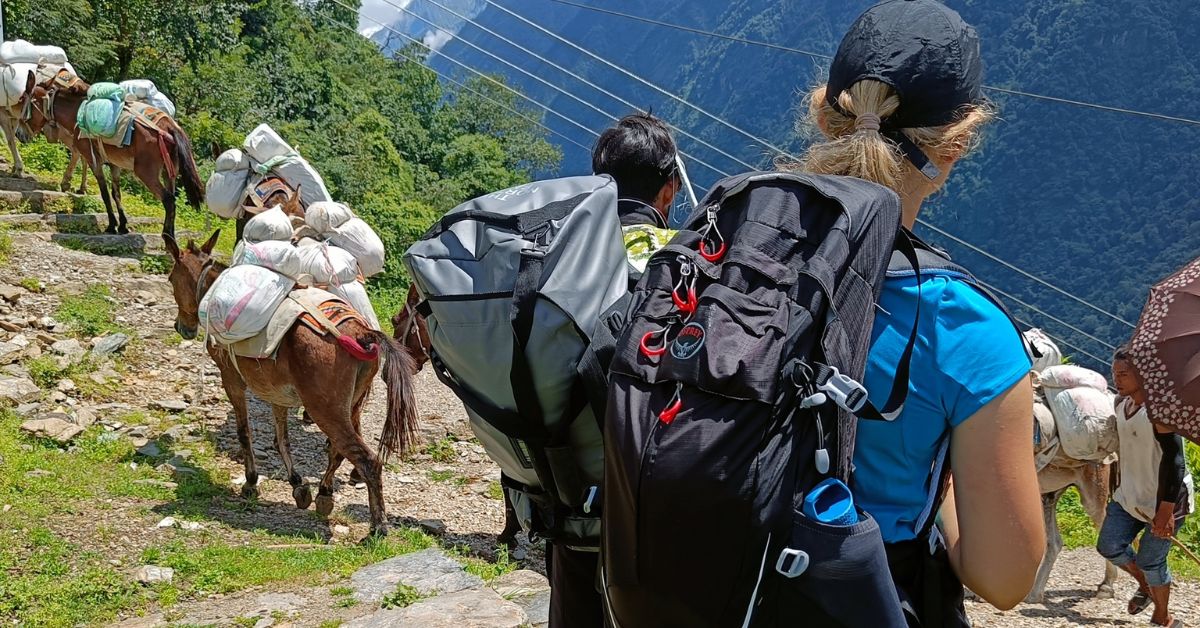
Trekkers beginning ABC trek Day 1 from Jhinu Danda trailhead with guide and porters The ascent to Sinwa (2,340m) involves steady uphill hiking through dense rhododendron forests. You’ll gain approximately 1,270 meters of elevation while covering 8-10 kilometers of trail. The path winds through traditional Gurung villages where you can observe authentic mountain architecture and farming practices. Your first night’s accommodation in Sinwa provides comfortable tea house lodging with spectacular mountain views.
-
Day 2 : Sinwa to Deurali Trek
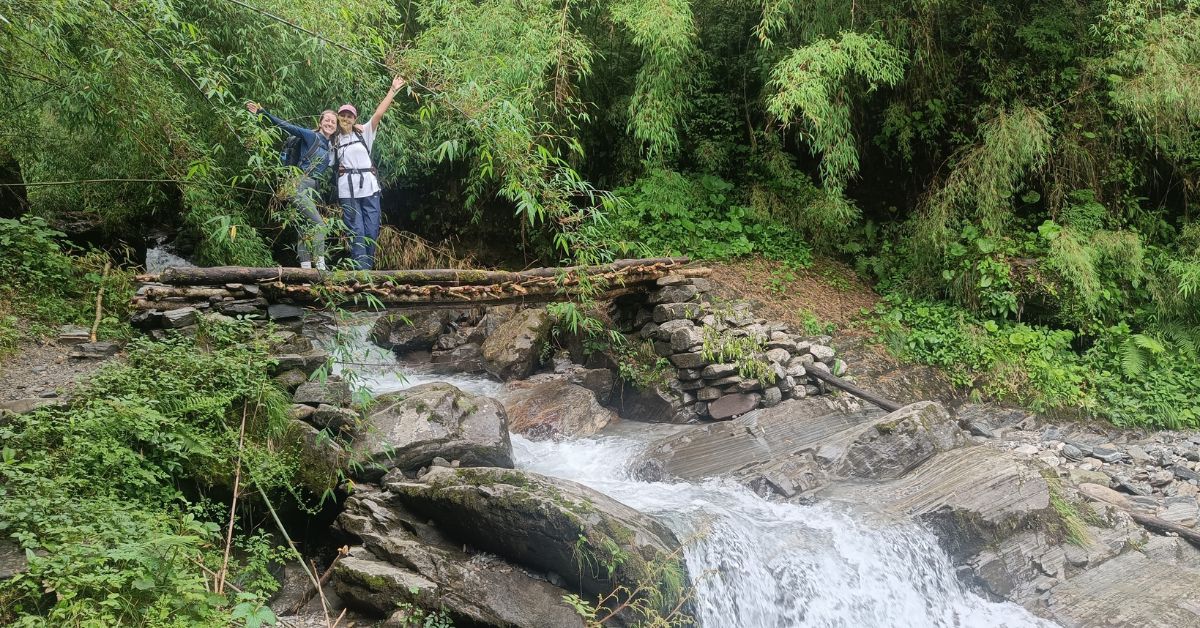
Two friends posing on trail from Sinwa to Deurali, Day 2 Day two is the toughest part of the trek as you climb from Sinwa (2,340m) to Deurali (3,230m), gaining almost 900 meters in height. The trail first goes downhill to cross Modi Khola river, then begins a steady uphill climb. You’ll walk through thick bamboo forests where the sunlight filters softly through the trees, creating a peaceful and shady path. As you go higher, the plants start to change; you’ll see bigger rhododendron trees and more mountain vegetation.
Along the way, you might spot langur monkeys in the trees and colorful birds in the bushes. The trail also passes small villages with simple tea shops where you can rest and enjoy a hot drink. Deurali is a big step forward in your trek, as it brings you into the alpine zone. The village sits on a narrow ridge with amazing views of the valleys below. Your lodge here is basic but clean, and you can enjoy stunning sunsets over the mountains.
-
Day 3 : Deurali to Annapurna Base Camp (via MBC)
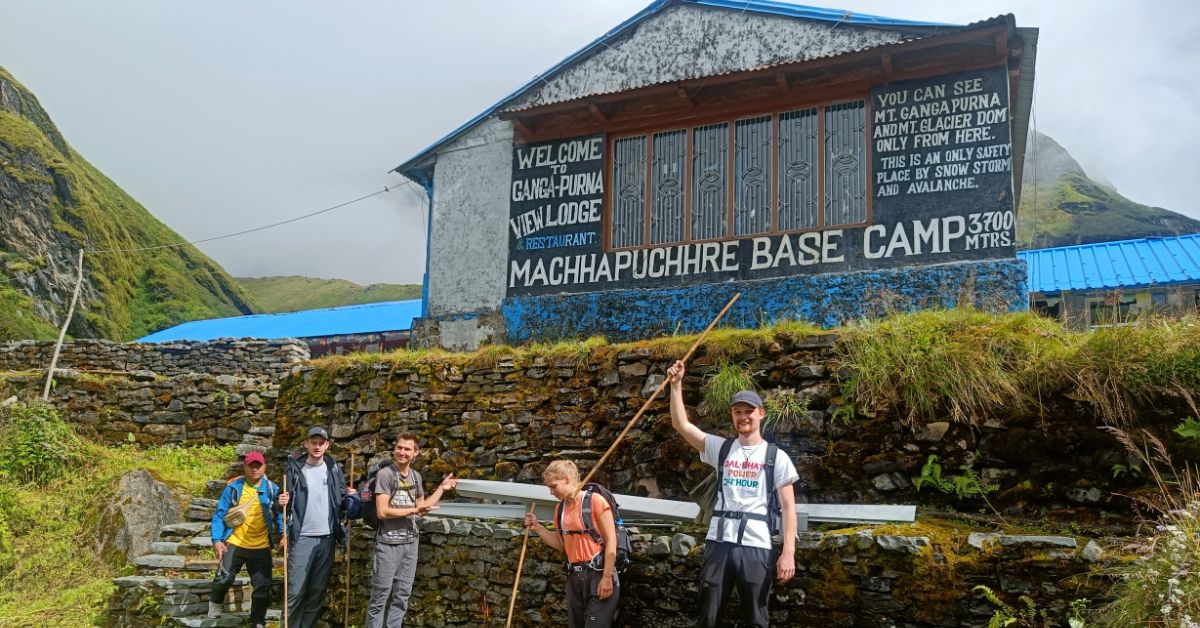
Standing at Machapuchare Base Camp at day 3 before heading to ABC The third day is the most breathtaking part of your trek. You’ll start early from Deurali, climbing gradually as the forest thins and gives way to open alpine meadows. The landscape changes quickly as the trail is lined with mountain plants and colorful prayer flags blowing in the wind. After a few hours of steady trekking, you’ll reach Machhapuchhre Base Camp (3,700m). This is the place where you can rest and enjoy your first close-up view of the famous fishtail peak and the surrounding mountains.
From there, it’s a final push to Annapurna Base Camp (4,130m), climbing through a glacial valley surrounded by towering peaks. Stone cairns and flags mark special viewpoints along the way. When you reach ABC, you’ll stand in a natural bowl of massive snow-covered mountains, including Annapurna I and Machhapuchhre. It’s a truly magical place. Your lodge is simple but comfortable, and you’ll witness unforgettable sunsets and sunrise colors lighting up the peaks all around you.
-
Day 4 : ABC Return to Upper Sinwa
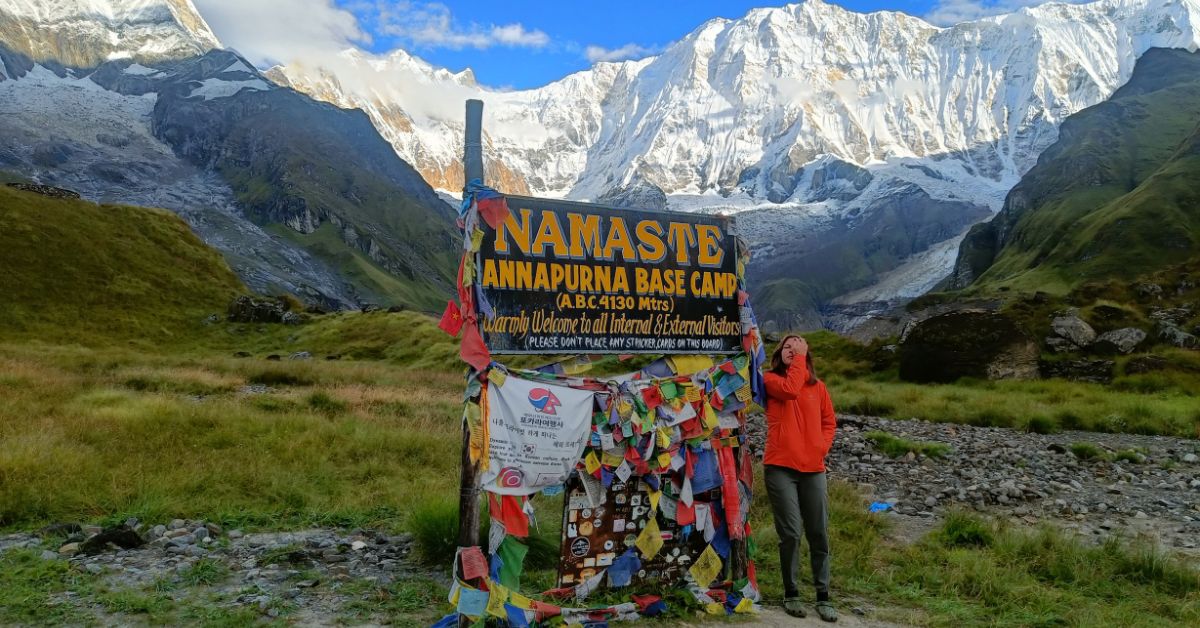
Trekker leaving ABC at day 4 after clicking photos at base camp Your descent from Annapurna Base Camp begins with an optional early morning sunrise viewing. As the first light hits the peaks, the entire mountain arena glows in shades of orange and pink, creating an unforgettable sight. It’s a perfect moment for capturing beautiful photos before starting your journey back down. The trail follows the same route you took up, but everything looks different from this new angle. You’ll spot rocky details, plants, and distant views you may have missed before.
As you lose altitude, you’ll feel better with more oxygen and less strain. The descent to Upper Sinwa drops nearly 1,800 meters, covering 15–18 kilometers. It’s a long but rewarding walk, and your lodge at Sinwa offers a more comfortable stay and a warm meal to celebrate your achievement.
-
Day 5 : Sinwa to Jhinu Danda - Return to Pokhara
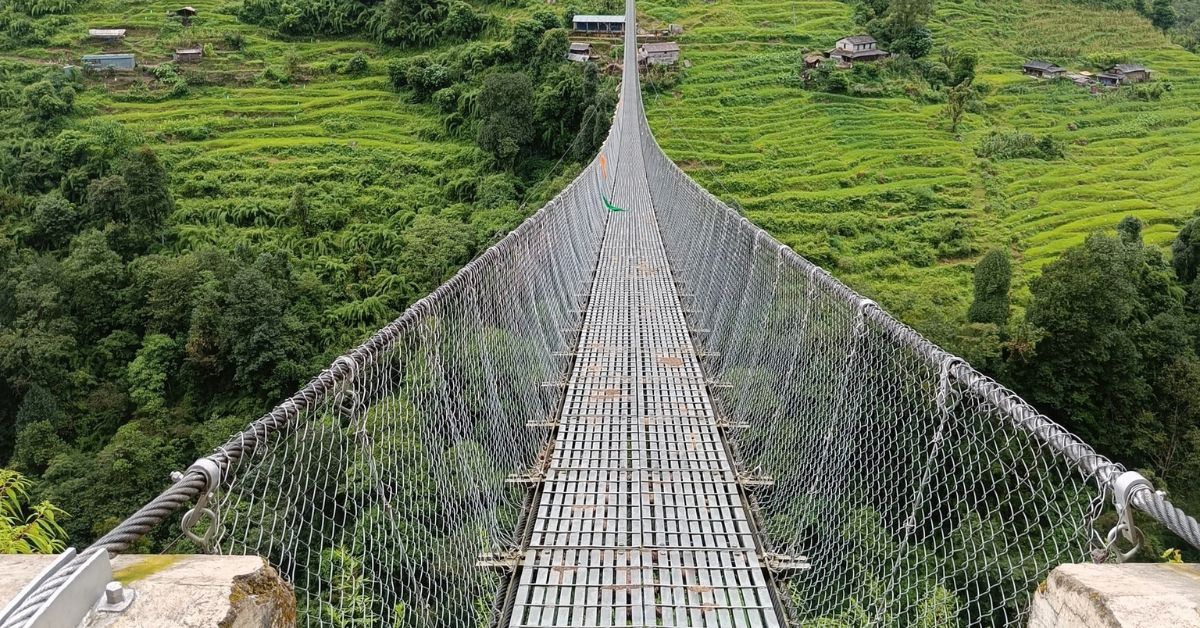
Forest trail from Sinwa leading to Jhinu Danda at Day 5 of ABC trek Your final trekking day begins with a gradual descent from Sinwa toward the famous Jhinu Danda hot springs. The trail descends through the same rhododendron forests you climbed through on day one, but the downhill reveals new details and viewpoints. You’ll return the lush vegetation and moderate temperatures after several days at higher elevations. Jhinu Danda offers the perfect conclusion to your trek with natural hot springs. The hot springs, heated by geothermal activity, maintain comfortable temperatures year-round and offer spectacular views across the valley. You’ll have 1-2 hours to soak in the healing waters while reflecting on your incredible mountain adventure.
After a hot spring in Jhinu Danda, you’ll enjoy a scenic 2–3 hour drive back to Pokhara, watching the mountains slowly fade into the distance. Reaching Pokhara marks the end of your short 5-day Annapurna Base Camp journey. You’ll return to your hotel with amazing memories, great photos, and the pride of completing one of Nepal’s most beautiful treks in just a few days.
ABC Short Trek Cost from Pokhara
Our transparent pricing structure ensures you understand exactly what you’re paying for with no hidden fees or surprise charges. The Annapurna Base Camp short trek price offers exceptional value, combining affordability with high safety and service standards over 5 days.
| Service Component | Budget Package | Standard Package | Premium Package |
| Professional Guide | $25/day | $30/day | $40/day |
| Porter Service | $20/day | $25/day | $30/day |
| ACAP Permit | $22 | $22 | $22 |
| TIMS Card | $15 | $15 | $15 |
| Transportation | $60 | $80 | $120 |
| Accommodation | $15/night | $25/night | $40/night |
| Meals | $8 | $12 | $18 |
| Total | $500 | $700 | $1035 |
Budget ABC Trek Package($500)
The budget ABC trek package is one of the most selling trekking packages for groups of 7 to 10 people. It is perfect for cost-conscious travellers seeking essential services without compromising safety. This short ABC trekking package includes an experienced local guide, basic tea house accommodation, standard meals, and all required permits. Shared bathroom facilities and basic amenities keep costs minimal while ensuring a comfortable trekking experience. It also includes essential land transportation, which is flexible.
Ideal Time for Short Trek to Annapurna Base Camp
It is essential to choose the right season is essential for getting the most out of your Annapurna Base Camp short trek from Pokhara. Weather, visibility, and trail conditions vary widely throughout the year, so planning around the best time ensures a safe and scenic journey. Here’s a breakdown of the ideal trekking seasons.
Spring Season (March-May)
Spring represents the optimal season for your 5-day Annapurna Base Camp trek. It offers a perfect combination of clear mountain views, comfortable temperatures, and spectacular natural displays. March through April delivers the famous rhododendron blooming season when entire hillsides explode in brilliant reds, pinks, and whites. The trek becomes a photographer’s paradise as colourful flowers frame snow-capped peaks in every direction. You’ll witness nature’s most spectacular display while enjoying mild daytime temperatures perfect for hiking. Temperature ranges during spring vary significantly with elevation, from comfortable 15-20°C in valleys to -5°C at Annapurna Base Camp during early season. Mornings offer the best mountain views, with some afternoon clouds and light showers. Trails are in great condition, with minimal snow and easy stream crossings.
Autumn Season (September-November)
Autumn is considered the prime trekking season due to stable weather and stunning visibility. The skies are clear, the trails dry, and the scenery at its best. September marks the beginning of the optimal trekking season as monsoon rains end and clear skies return. The landscape remains lush and green from summer precipitation, while trails dry out and become easily navigable. You’ll enjoy the best of both worlds: verdant vegetation and reliable weather conditions. October represents peak trekking season with absolutely perfect conditions, including comfortable daytime temperatures. By November, temperatures dro,p but the skies remain clear. Trail conditions are ideal throughout, and water levels in streams are low, making crossings easy.
Off-Season Considerations
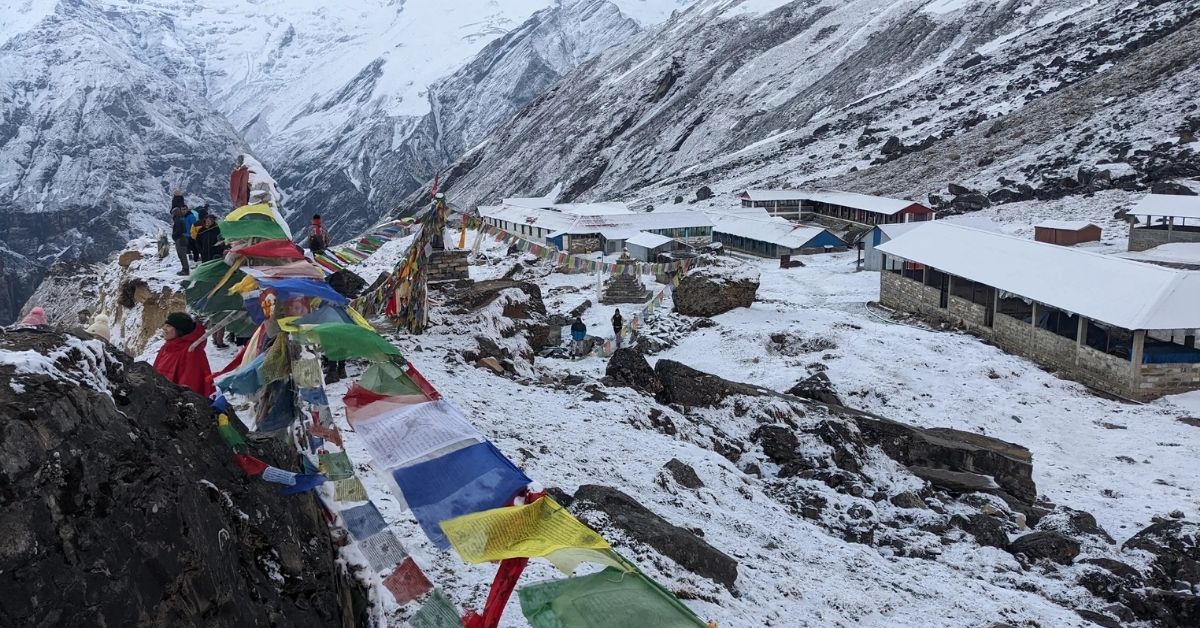
Winter trekking (December-February) presents significant challenges, including extreme cold, snow accumulation, and limited lodge services at higher elevations. Temperatures can drop to -20°C at base camp with dangerous wind chill factors. However, experienced winter trekkers enjoy crystal-clear visibility and solitude on typically crowded trails. Monsoon season (June-August) brings heavy rainfall, dangerous trail conditions, and limited mountain visibility. We strongly discourage monsoon trekking except for experienced adventurers seeking unique challenges.
Essential Information for the ABC Short Trek
Altitude and Acclimatization for Pokhara to Annapurna Base Camp Trek
Altitude and acclimatization are crucial factors to consider on the 5-day Annapurna Base Camp trek from Pokhara. It is especially due to the rapid ascent from 822 meters to 4,130 meters in just three days. At 3,000 meters, oxygen levels drop to about 70% of sea level and at Annapurna Base Camp (4,130m), it’s just 60%. This makes your body work harder with less oxygen, increasing the risk of altitude sickness. This can affect energy levels, physical performance, and increase the risk of altitude sickness. Proper acclimatisation strategies like staying well-hydrated, avoiding alcohol, and listening to your body are essential.
To stay safe, trekkers should watch for altitude sickness symptoms such as headache, nausea, dizziness, and fatigue. Our experienced guides closely monitor everyone’s condition and carry essential medications. Serious symptoms require immediate descent and possibly helicopter evacuation, which is supported through our emergency network. We strongly recommend pre-trek fitness training, arriving a few days early to adjust, and ensuring your travel insurance covers high-altitude trekking and evacuation.
Physical Fitness Requirements for Trekking to ABC
Your 5-day ABC trek demands good physical fitness and mental preparation for sustained mountain hiking. Daily trekking involves 6-8 hours of walking over varied terrain, including steep ascents, rocky descents, and potentially challenging weather conditions.
Cardiovascular Endurance
Good cardio fitness is essential for handling high-altitude exertion. You should be able to walk 15–20 km on flat ground and sustain uphill hikes for several hours. Aerobic activities like running, cycling, or brisk walking are ideal for building this base.
Leg Strength & Endurance
Strong legs help with long climbs and protect joints on descents. Exercises like stair climbing, squats, and hill hiking prepare your muscles for carrying a daypack on uneven terrain. Stability is especially important for knee support on downhill sections.
Age & Fitness Considerations
The trek is suitable for ages 12 and above (with guardian supervision for minors). There’s no upper age limit; fitness is more important than age. Many trekkers in their 60s and 70s complete this trek successfully with proper preparation.
Medical Advice & Pre-Existing Conditions
Anyone with heart, lung, or joint issues should consult a doctor before trekking. High-altitude hiking can worsen certain conditions, so a medical check and discussion about altitude risks and exertion limits is strongly recommended.
Best Packing List for Short 5-Day ABC Trek
Clothing Layers
- Base layers (synthetic or merino wool) – for moisture-wicking and warmth
- Mid-layers (fleece or down jacket) – for insulation in colder zones
- Outer shell (waterproof jacket and pants) – for wind and rain protection
- Trekking pants & shirts – quick-dry and breathable
- Thermal wear – for cold nights at higher altitudes
- Underwear – quick-dry type recommended
Footwear
- Hiking boots – broken-in, with ankle support
- Trekking socks – 3–4 pairs (wool or synthetic)
- Camp shoes/sandals – for lodge use and resting feet
- Gaiters – optional, for mud/snow protection
Technical Equipment
- Sleeping bag (-10°C) – available for rent in Pokhara
- Headlamp – with spare batteries for night use
- Trekking poles – help reduce knee strain
- Sunglasses – UV-protected for high-altitude sun
- Water bottles or hydration bladder – at least 2L capacity
First Aid & Medication
- Altitude sickness medication (e.g., Diamox)
- Pain relievers (e.g., ibuprofen/paracetamol)
- Blister treatment (band-aids, moleskine)
- Personal prescriptions – enough for the full trek
- Small antiseptic and basic first aid kit
Toiletries & Personal Items
- Toothbrush, toothpaste, soap
- Quick-dry towel
- Wet wipes & toilet paper
- Lip balm with SPF
- Power bank & charging cable
- Camera or phone for photos
Weather Protection
- Sun hat or cap – for daytime sun
- Warm hat/beanie – for cold evenings/mornings
- Liner gloves & insulated gloves – for warmth and wind
- High SPF sunscreen & lip block – UV protection
Permits Required for Annapurna Base Camp Short Trekking
Two mandatory permits are required for trekking in the Annapurna region: the Annapurna Conservation Area Permit (ACAP) and the Trekkers’ Information Management System (TIMS) card. Both serve important conservation and safety functions while generating funds for trail maintenance and emergency services.
Annapurna Conservation Area Permit (ACAP)
- Required for all trekkers in the Annapurna region
- Cost:
- NPR 3,000 (~$22) for foreign nationals
- NPR 1,000 (~$7) for SAARC country citizens
- Free for Nepali citizens
- Purpose: Funds conservation, trail maintenance, and community development
Trekkers’ Information Management System (TIMS) Card
- Cost:
- NPR 2,000 (~$15) for independent trekkers
- NPR 1,000 (~$7) for group trekkers
- Discounts for SAARC nationals
- Purpose: Trekker safety monitoring, rescue tracking, and emergency services support
Tea House Accommodation Standards
Tea house lodges along the Annapurna Base Camp route provide basic but adequate accommodation considering the remote mountain locations. Standard facilities offer private twin-bed rooms with shared bathrooms. Common dining areas have heating, providing a warm place to relax after a long day of trekking. Room standards change with altitude. Lower areas often have hot showers and WiFi, while higher lodges offer only basic shelter and limited services. Private rooms typically include two single beds with basic bedding, though sleeping bags are recommended for warmth and hygiene. Bathroom facilities are generally shared among multiple rooms, with Western-style toilets becoming less common at higher elevations. Hot water availability depends on elevation and lodge facilities, with solar heating systems common at lower elevations and limited or no hot water at the highest locations.
ABC Trail Difficulty
The 5-day ABC trek presents moderate to challenging difficulty, requiring good physical fitness, mental determination, and proper preparation. Trail difficulty varies significantly between sections, with some portions suitable for recreational hikers while others demand serious mountain trekking experience. The trek involves 6–8 hours of daily hiking over steep stairs, rocky paths, and uphill climbs. Higher altitudes make breathing harder due to lower oxygen levels. The trail doesn’t require any technical skills. However, bad weather can make paths muddy, slippery, or icy, especially at higher elevations.
Why Choose Our 5-Day Annapurna Base Camp Trek Service
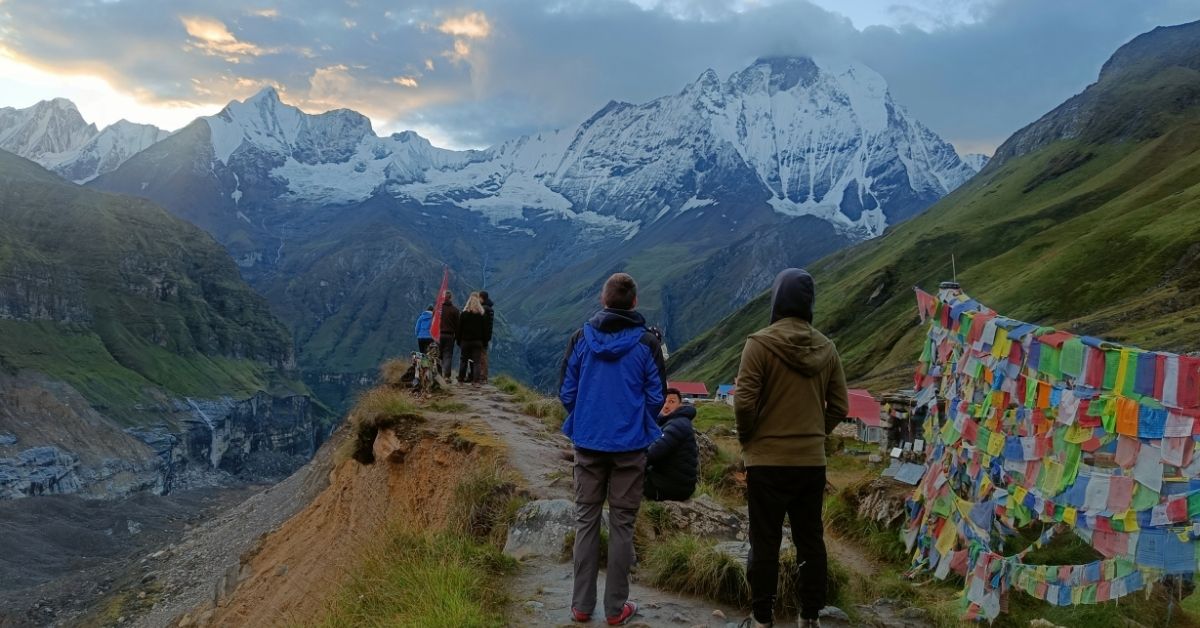
It makes a great difference when you choose the right team for your Himalayan adventure. The Rapid Annapurna Base Camp Trek takes only 5 days. You’ll enjoy the best Himalayan views in less time, while staying safe and comfortable throughout.
Expert Local Guides
Our team consists exclusively of government-licensed guides with extensive experience leading trekkers safely to Annapurna Base Camp. Each guide possesses intimate knowledge of local weather patterns, trail conditions, cultural traditions, and emergency procedures developed through years of mountain guiding experience. Safety is always their top priority, they carry emergency gear, monitor weather, and can adjust routes when needed. Guides also enrich your journey by identifying mountain peaks, explaining local flora and fauna, and offering fascinating stories about the region’s natural and cultural heritage. In emergencies, they’re trained to coordinate rescues and provide immediate care, ensuring you’re always in capable hands.
Flexible Itinerary Options
Customisation opportunities allow you to modify your trek according to personal preferences, physical capabilities, time constraints, and specific interests. We accommodate dietary restrictions, adjust daily hiking distances, include cultural activities, and provide alternative route options when conditions warrant changes.
7 Days ABC Trek
Extended itinerary options include our classic 7-day Annapurna Base Camp trek for those preferring more gradual acclimatisation and comprehensive cultural immersion. The longer version includes additional rest days, explores alternative villages, and provides more photography opportunities while reducing daily hiking demands.
The 7-day Annapurna Base Camp trek offers a more relaxed pace and better altitude acclimatisation compared to shorter versions. It follows a classic route through key villages like Chhomrong, Dovan, Deurali, and Bamboo, allowing for deeper exploration of the region’s natural beauty and cultural richness.
ABC Helicopter Tour
For travellers wishing to skip the Annapurna trek while still soaking in breathtaking views of the Himalayas, a helicopter tour to Annapurna Base Camp is available. For those short on time or have some mobility challenges, these tours provide a direct approach to the base camp region, which is also perfect for unparalleled aerial photography. Flights are operated by seasoned mountain pilots who offer sweeping panoramic vistas and safety guarantees while traversing through the Annapurna range.
Safety and Support
Trekking to Annapurna Base Camp involves long daily hikes, steep ascents and descents, and significant altitude gain within a short timeframe. While the trail itself is well-marked and doesn’t require technical climbing skills, the physical and environmental demands can be intense. Altitude risks are the most serious concern, with symptoms like headache, nausea, dizziness, or fatigue signalling Acute Mountain Sickness (AMS). It’s essential to monitor your condition closely, ascend at a steady pace, and notify your guide if you feel unwell. Travel insurance that covers high-altitude trekking and emergency evacuation is mandatory. Additionally, we strongly advise carrying your first aid kit, staying well-hydrated, and avoiding alcohol or sleeping pills at altitude.
Trek smart- go slow, stay hydrated, and watch for altitude signs.
FAQs for Annapurna Base Camp Short Trekking
- Annapurna Conservation Area Permit (ACAP) – $22 USD
- Trekkers’ Information Management System (TIMS) Card – $15 USD
Expect to pay around $500–$600 USD for a full package, including permits, guide/porter, meals, accommodation, and local transport. Prices vary depending on group size and service level.
The 7-day ABC trek allows for better acclimatisation, rest, and cultural immersion. The 5-day ABC trek version is ideal for fit trekkers with limited time who are comfortable with long, high-altitude hiking days.
Yes. You should be able to hike 6–8 hours daily on steep terrain with a backpack. Pre-trek training focusing on endurance, leg strength, and cardiovascular fitness is recommended.
Pack layers (thermal base, mid fleece/down, waterproof shell), hiking boots, gloves, beanie, trekking poles, sleeping bag, and headlamp. Yes, most essential gear can be rented affordably in Pokhara.
Absolutely. The rapid ascent to 4,130 m increases risk. Hydrate well, avoid alcohol, and report symptoms to your guide. Carry altitude medication if advised by your doctor.
For the Annapurna Base Camp trek, you’ll need two permits:
These prices are for foreign nationals. These are usually handled by a reputable travel operator for you.
Reviews (2 reviews)
K
Kat Moe
We did the Annapurna Trek earlier this year and it was amazing! We couldn’t have asked for better support throughout the trek. MG and Dipu went above and beyond to make our journey smooth, safe, and memorable. Their positive energy and guidance truly made all the difference. Highly recommend!
Reviews (2 reviews)
T
Tatum Jaroch
Just finished the ABC Trek with MG and had a wonderful experience. MG was a great guide and took great care of me throughout the 5 days. The trek was beautiful, I couldn’t have asked for a better time!
Why Mountain Routes ?
- Local Support
- Instant Response
- Customized Packages
- Friendly and Professional Guides
Not satisfied with what we offer ?
We can customize the trip for you.





 Chat on WhatsApp