How to Prepare for Trekking in Nepal? Tips and Beginners Guide
Trekking in Nepal is more than just a hike; it’s the adventure of a lifetime, offering breathtaking landscapes, diverse trails, and a rich cultural experience. From the mighty Himalayas to the warm smiles of mountain villagers, every step is special. Trekking in the Himalayas can be physically demanding, with varying altitudes and rugged terrain. But to enjoy it fully, you need to be well-prepared for the extraordinary journey. Proper preparation involves choosing the right trek, physical conditioning, acclimatization, packing wisely, and understanding the local culture. Let’s look at how you can make your Nepal trek smooth and unforgettable.
Why Good Nepal Trek Preparation Matters
Proper preparation for a trek in Nepal can transform your experience from a challenging adventure into a joyful and unforgettable journey. Imagine walking through breathtaking landscapes, feeling energized rather than exhausted. You’ll find yourself energized as you trek through the stunning landscapes, fully able to appreciate the beauty around you. With the right preparation, you can avoid painful blisters or headaches from altitude sickness. Whether it’s catching a breathtaking sunrise or navigating the trails, being well-prepared helps you stay strong, comfortable, and fully present, allowing you to enjoy every moment of your trekking adventure in Nepal.
Deciding on the Best Trek for You
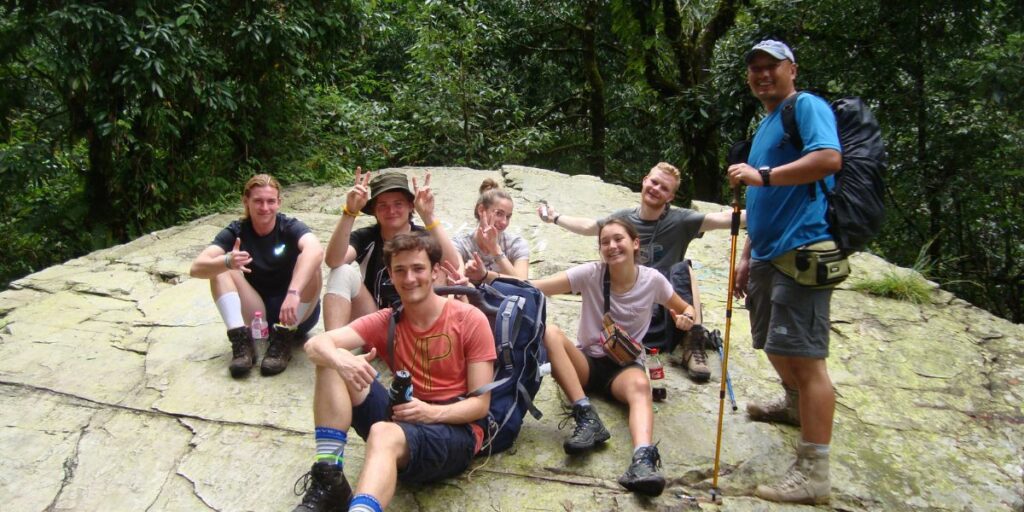
Selecting the right trek that aligns with your fitness level, time availability, and personal interests is crucial for trekking in Nepal. Nepal offers diverse trekking options, from short and scenic trails to challenging high-altitude routes. You have to choose the right trek on the basis of duration, difficulty level, and personal fitness.
- Duration: The number of days to trek Nepal can range from a few days (like Poon Hill) to over three weeks (like the Annapurna Circuit or Everest Base Camp). Do not forget to consider rest days, acclimatization time, along with possible weather or transportation delays when planning your trek.
- Difficulty Level: When preparing for trekking in Nepal, it’s essential to understand the difficulty level of the trek you’re considering. The complexity of a trek can be affected by the altitude, daily elevation gain, and terrain. If not properly acclimatized, high-altitude treks can result in altitude sickness. So, they require proper acclimatization.
- Personal Fitness: A reasonable level of fitness enhances the experience. Regular walking, hiking, jogging, or stair climbing before the trip will prepare you for the physical demands of trekking.
Physical Fitness and Training
Proper physical preparation is essential for enjoying any trek in Nepal. Trekking in the Himalayas involves long walking days, steep ascents and descents, and often high altitudes, all of which can be physically challenging if your body is not conditioned for it.
- Building Cardiovascular Endurance: Trekking requires stamina. You have to engage in running, brisk walking, cycling, swimming, or even hiking to improve heart and lung efficiency. Aim for a target of 3-5 cardio sessions for 30-60 minutes per week.
- Strength Training: Build leg strength with exercises like squats, lunges, and step-ups. A strong core and back also help with carrying a backpack and maintaining posture.
- Practice Hiking: Walk with a loaded backpack, practice uphill climbs, and get used to long walks to simulate trekking conditions.
Altitude Acclimatization Strategies
One of the most significant challenges of trekking in Nepal is the high altitude. Proper acclimatization minimizes the risk of altitude sickness. To minimize this risk:
- Ascend Gradually: Increase sleeping altitude by no more than 300–500 meters per day above 3,000 meters.
- Constant Rhythm: Take small steps as you go uphill, and sometimes you need to take big steps as well, but go back to your rhythm.
- Acclimatization Days: Rest days in places like Namche Bazaar (Everest region) or Manang (Annapurna region) help your body adjust.
- Stay Hydrated: Drink 3–4 liters of water daily and avoid alcohol and caffeine.
- Recognize Symptoms: Watch for headaches, dizziness, nausea, or breathlessness. Descend if symptoms worsen.
Food Essentials for Trekking
Many trekkers are surprised by the variety of food available on the trails in Nepal. From the traditional Dal Bhat (rice, lentils, and vegetables) to international options like pizza and pasta, the menus are more diverse than expected.
For a healthy and energy-rich trek, it’s important to balance carbohydrates and protein in your meals.
- Breakfast often includes a set menu with items like omelets, Gurung bread, potatoes, and sometimes cereals, especially on popular trekking routes.
- Lunch is best with Dal Bhat, a local staple that provides great energy and nutrition.
- Dinner can be something lighter, like noodles or pasta.
I strongly recommend avoiding meat during your trek, as it may not always be fresh. Bringing some dry fruits, especially walnuts, and energy bars for quick snacks can be helpful to your journey. When it comes to water, always be careful. Use a LifeStraw, drink properly boiled water, or use purification tablets if needed. Staying hydrated is just as important as eating well.
Essential Permits and Documentation
Permits and documentation are a must when you’re travelling. It is essential to maintain all necessary documents for your trekking adventure in Nepal. These are not only required by law but also help support local conservation efforts and ensure your safety while on the trail. Failing to obtain the correct permits can result in fines or being turned back at checkpoints, so it’s essential to plan ahead and understand what you need based on your chosen route.
| Document/Permit | Where to Get It | Approx. Cost (USD) | Notes |
| Nepal Tourist Visa | Airport or online | $50–$125 | Valid passport required |
| TIMS Card | Tourism Board / Trekking Agency | $20 | Requires a guide and a group |
| ACAP / National Park Permits | Tourism Board / Entry Points | $20–$30 | Depends on the region |
| Restricted Area Permits | Trekking Agency Only | $100–$500+ | Requires guide and a group |
| Travel Insurance (High Altitude) | Online/Private Insurers | Varies | Must include rescue coverage |
Packing List for Trekking in Nepal
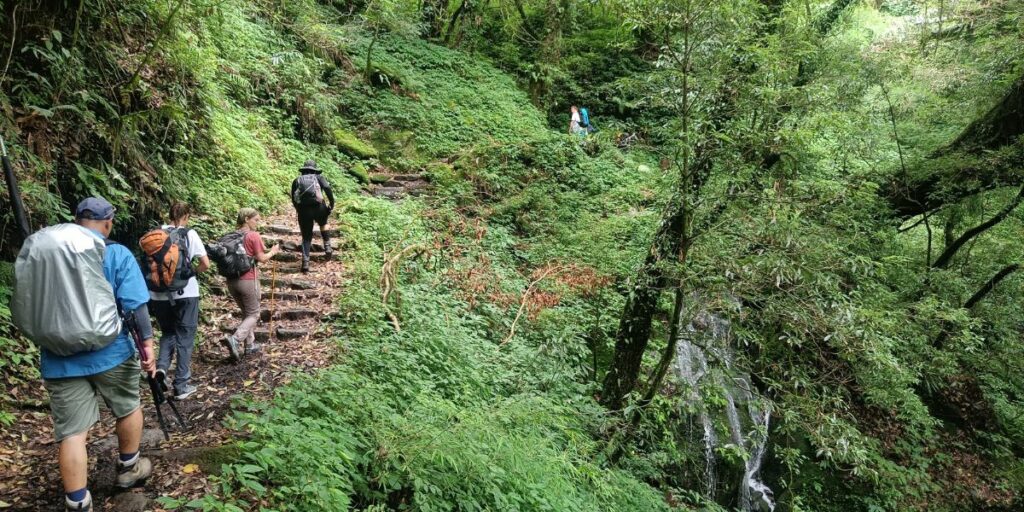
Packing the right gear is essential for a safe and comfortable trekking experience in Nepal. You have to start with proper clothing layers to stay comfortable in varying weather conditions:
Clothing Layers:
- Base layer: Thermal wear to retain body warmth.
- Mid-layer: Insulating fleece or down jacket for added warmth.
- Outer layer: Waterproof and windproof jacket to protect against wind, rain, and snow.
Footwear:
- Trekking Boots: Choose well-fitted, waterproof trekking boots and make sure they are properly broken in to avoid blisters.
- Trekking Poles: Highly recommended for steep ascents and descents, as they help maintain balance and reduce pressure on the knees.
Other Essentials:
- Sleeping Bag: Pack a sleeping bag rated for -10°C to -20°C, especially for high-altitude treks where temperatures drop significantly at night.
- Backpack: 30–50L for short treks, 50–70L for longer treks.
- Headlamp, sunglasses, sunscreen, water purification tablets.
Local Tip: Buy Your Gear in Nepal
You don’t need to bring all your trekking gear from home. Kathmandu and Pokhara have many trekking shops offering quality gear. Buying locally saves money and supports Nepal’s economy. However, you can bring your hiking shoes from home and make sure they are broken in to avoid painful blisters.
Ideal Time for Your Himalayan Adventure
Trekking in Nepal comes with challenges if you are unaware of the seasons. For the trek, you have to be prepared for the seasons and difficulties that come with them. To have an enjoyable and worry-free trip, you have to travel in safe seasons. The best time for trekking depends on weather conditions:
- Autumn (Sep-Nov): Best season with clear skies and moderate temperatures.
- Spring (Mar–May): Beautiful rhododendron blooms and mild temperatures.
- Winter (Dec–Feb): Cold with snow at high altitudes but fewer crowds.
- Monsoon (Jun–Aug): Rainy, with leeches and landslides in lower areas, but good for rain-shadow regions like Upper Mustang.
Guide vs. Independent Trekking
Deciding whether to trek with a guide or go independently is an important part of your preparation, as it directly affects your safety, experience, and overall ease of travel. Both options have their pros and cons, and the right choice depends on your trekking experience, budget, and comfort level with navigating unfamiliar terrain.
Trekking with a Guide:
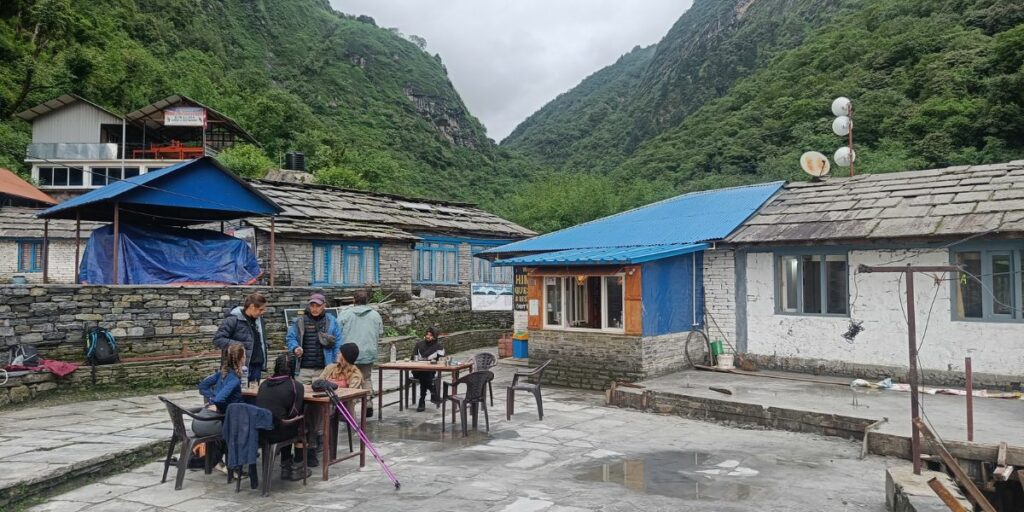
When you trek in Nepal with a guide, you can experience a smoother, safer, and more immersive experience. A guide offers local expertise, route navigation, cultural insights, and first aid support, making the trek much easier, especially for first-timers or those trekking at high altitudes. When you are planning to trek in Nepal, it is always a wise decision to trek with guides, as there are many restricted places in Nepal where solo trekking is not allowed.
- Offers safety, navigation, and cultural insights.
- Mandatory for restricted areas.
- Helps with permits and accommodation.
You May Read: How to Hire the Best Trek Guide in Nepal?
Independent Trekking
Solo trekking in Nepal comes with unique challenges. Independent trekking is possible on several Nepal trek routes like the Everest region and the Annapurna region, especially where the trails are well marked and teahouses are common. However, there are some restricted areas like Upper Mustang, Manaslu Circuit, and Upper Dolpo require trekkers with a licensed guide due to permits and regulations.
- More budget-friendly but requires good navigation skills.
- Not allowed in certain areas like Upper Mustang or Manaslu.
Accommodation with Food and Hydration
When trekking in Nepal, booking accommodation and managing your food and hydration are key elements to ensure a comfortable and healthy journey. Most of the trekking routes in Nepal provide simple lodges and teahouses spaced every few hours along the trail. These teahouses typically provide basic rooms with twin beds, shared toilets, common dining areas, and simple food menus. Among them, some may offer hot showers and Wi-Fi, while others are more basic, especially at higher altitudes. In the off-season, you can usually find a room without a reservation.
Alongside accommodation, nutrition and hydration play a critical role in supporting your body at high altitudes. You have to eat carbohydrate-rich meals such as Dal Bhat (rice and lentils), which is a staple among trekkers and often comes with free refills. Your meal also should include protein sources for muscle recovery, but avoid meat at higher elevations where proper storage is uncertain. You have to carry energy bars, nuts, or snacks for long walking hours between meals. Hydration is equally important to your body while trekking. You have to drink at least 3–4 liters of water daily, even if you don’t feel thirsty. Use a water purifier (tablets, filters, or UV purifiers) and avoid untreated water sources.
Recognizing Altitude Sickness Symptoms and Safety Precautions for Trek
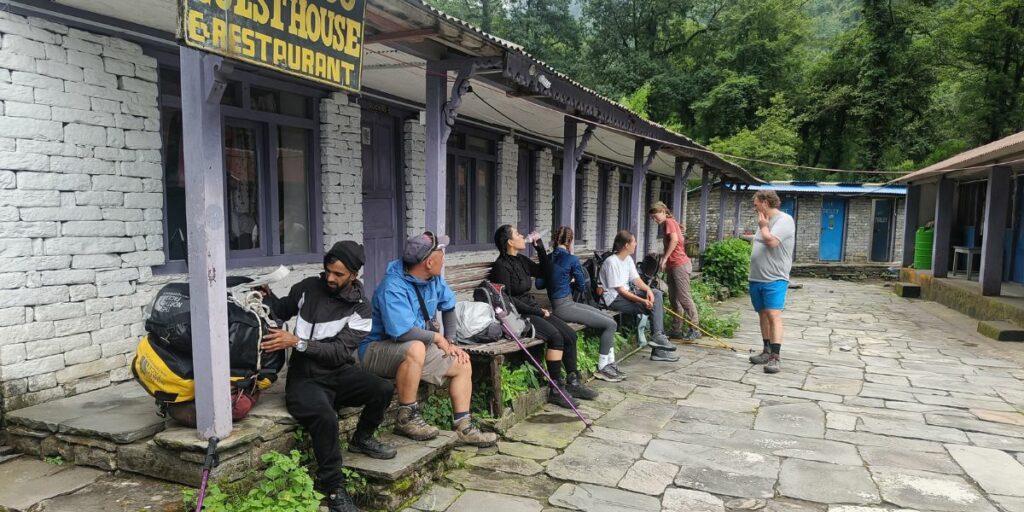
Especially while trekking in Nepal at elevations above 2,500 meters, altitude sickness (also known as Acute Mountain Sickness or AMS) becomes a serious health concern. Many treks, such as Everest Base Camp (5,364m), Annapurna Circuit (5,416m), or Manaslu Circuit (5,106m), take you to high elevations where oxygen levels are significantly lower, and your body needs time to adjust.
Mild Symptoms (AMS – Acute Mountain Sickness):
- Headache, dizziness, nausea, fatigue, and difficulty sleeping.
- It can be managed with hydration, rest, and slow ascent.
Severe Symptoms (HAPE/HACE – Life-Threatening):
- Confusion, inability to walk straight, and shortness of breath even at rest.
- Requires immediate descent and medical attention.
General Safety Precautions While Trekking
The major requirement of trekking is to stay safe on the trail, which involves more than just monitoring your altitude. Safety is always the first concern no matter whether you trek alone or in a group. Here are some safety measures to consider:
- Never Trek Alone: Trekking with a companion or guide ensures help is available in emergencies.
- Register Your Trek: It is always recommended to inform authorities of your route.
- Carry a First Aid Kit: You must carry a first aid kit that includes essentials like pain relievers, antiseptics, Diamox, and bandages.
- Buy Travel Insurance: Your travel insurance must cover high-altitude helicopter evacuation.
Budgeting Strategies for Your Trek
Creating a realistic budget is an essential part of preparing for trekking in Nepal. Costs can vary significantly depending on the trek you choose, the duration, whether you hire guides or not, and the style of travel. Budgeting for a trek in Nepal involves careful planning to cover all essential expenses such as permits, accommodation, food, transportation, guide services, and unforeseen costs. Permit costs vary depending on your chosen route. You also have to ensure you have comprehensive travel insurance that includes emergency evacuation, especially for high-altitude treks.
- Accommodation: $5–$10 per night.
- Food: $20–$30 per day.
- Guides/Porters: $20–$40 per day.
- Permits and Insurance: Varies by trek.
On average, a modest daily budget ranges from USD 60-100 for a budget trekker and USD 100- 150 for a more comfortable experience. Planning ahead not only helps you manage your finances efficiently but also ensures you’re well-prepared for whatever the trail brings.
Cultural and Environmental Considerations
Trekking in Nepal is full of a unique opportunity to explore not only awe-inspiring natural beauty but also deeply rooted cultural traditions. As a visitor, it’s important to be culturally respectful during your journey. While you are visiting temples or any religious sites, it is necessary to cover your shoulders and knees. Always remove your shoes before entering homes, temples, or monasteries.
- Respect Local Culture: Dress modestly and greet with “Namaste,”. Also, you can simply ask permission before taking photos.
- Sustainable Trekking: Choose an eco-friendly and licensed trekking agency, minimize plastic use, and respect nature.
By being both culturally sensitive and environmentally conscious, you contribute positively to the communities you visit and help ensure Nepal remains a breathtaking destination for future generations of trekkers.
Reflections on Trekking in Nepal: A Journey’s End
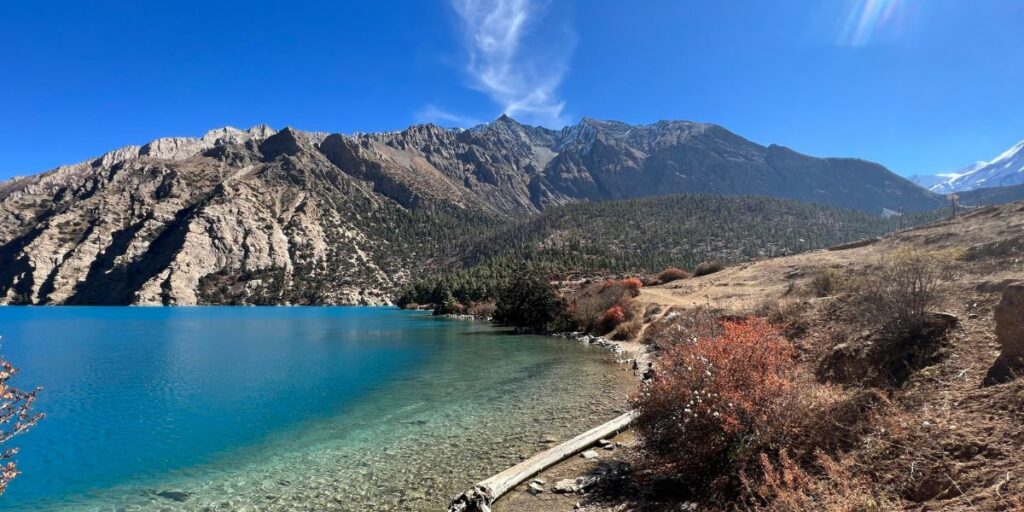
Trekking in Nepal offers an extraordinary opportunity to explore the majestic Himalayas while immersing yourself in rich cultural experiences. However, proper preparation is crucial to ensure a safe and enjoyable journey. An important part of preparation is logistics, like getting the necessary permits. These include the TIMS card, national park entry fees, and restricted area permits if needed. Selecting the right trek is important. It should match your fitness level, duration, and difficulty. This way, you can have a more fulfilling experience. It could be a short scenic route like Poon Hill or a challenging trek like the Manaslu Circuit. Moreover, deciding whether to go on a guided or independent trek is important. It can greatly enrich your Himalayan adventure while helping preserve Nepal’s natural and cultural heritage. Whether you’re hiking through the Annapurna Circuit or thinking of how to prepare for the Everest Base Camp, following these best Nepal trek preparation strategies will help you make the most of your adventure.





 Chat on WhatsApp