

Best Time for Annapurna Circuit Trek – Suitable for Beginners?
The Annapurna Circuit trek is a famous adventure that takes you through many different landscapes, from lush subtropical forests to arid high-altitude deserts. They all lie under the shadow of the majestic Annapurna massif. Deciding on the best time for the Annapurna Circuit trek is crucial to your experience, significantly impacting views, trail conditions, and overall enjoyment. For beginners, the best seasons are spring (March to May) and autumn (mid-September to November), when the weather is stable, temperatures are moderate, and the trails are at their safest. It offers clear skies, excellent visibility, and manageable trekking conditions. It is equally important to understand its demands, especially if you’re considering trekking the Annapurna Circuit as a beginner.
Why Choosing the Right Season is Crucial for the Annapurna Circuit Trek
The Annapurna region weather experiences significant changes, and each season presents its own set of challenges and rewards. The Annapurna Circuit spans multiple climate zones and elevations ranging from subtropical valleys at 800m to the alpine heights of Thorong La Pass at 5,416m. This impacts the trekking experience directly, especially when you are a beginner; you have to know about it. Selecting the right season is paramount for safety, enjoyment, and maximizing the breathtaking beauty of the circuit.
Impact on Views
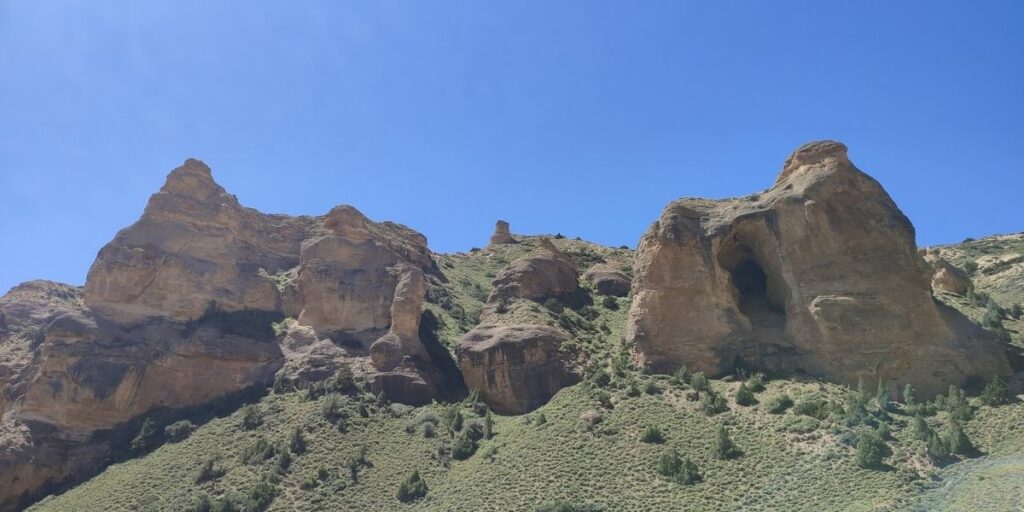
The primary allure of the Annapurna Circuit is undoubtedly its breathtaking mountain scenery, and the season plays a direct role. The clarity of mountain views varies significantly throughout the year. In spring and autumn, skies are generally clear, offering stunning views of Annapurna I, Dhaulagiri, and Machapuchare. In contrast, the monsoon season can be foggy and overcast, obscuring the peaks. Choosing a season with optimal Annapurna circuit weather for visibility is key for photographers and view-seekers.
Trail Conditions
Trail conditions change with the weather. It is another critical factor heavily influenced by the Annapurna trek seasons. Well-maintained, dry trails make for a more comfortable and safer trek, allowing you to focus on the scenery and the journey itself rather than struggling with difficult terrain. In spring and autumn, the trails are typically in their best condition – dry, stable, and easy to navigate. The monsoon season, however, transforms paths into muddy, slippery tracks, with an increased risk of leeches and landslides. Winter can bring snow and ice, particularly at higher elevations and over the Thorong La Pass, potentially requiring specialized gear and making certain sections more dangerous.
Crowd Levels and Safety
The time of year you choose to trek the Annapurna Circuit will also determine the number of other trekkers on the trail and can influence overall safety. While some prefer solitude, others find comfort and a sense of security in sharing the path with fellow adventurers, especially when considering aspects like Annapurna difficulty.
Peak seasons (autumn and spring) naturally attract more trekkers. This can mean busier teahouses but also more people around in case of an emergency. The off-seasons (winter and monsoon) see significantly fewer crowds, offering a more solitary experience. However, winter conditions can increase risks like hypothermia or getting stranded if the Thorong La Pass closes due to snow. Monsoon brings risks of landslides and swollen rivers, potentially impacting trail accessibility and safety.
Seasonal Overview: When to Trek the Annapurna Circuit
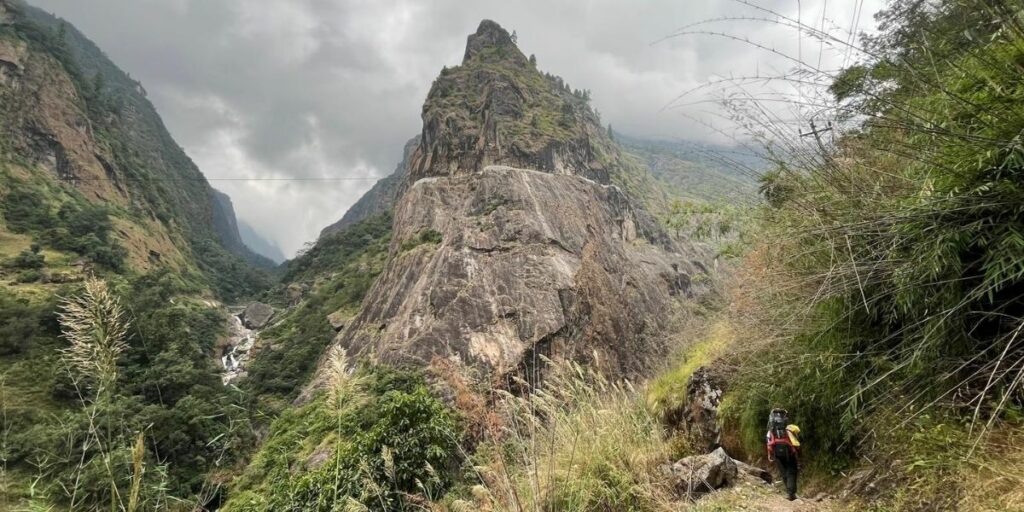
Each of the four distinct seasons along the Annapurna Circuit offers unique advantages and challenges. Understanding the distinct characteristics of each trekking season in the Annapurna region is fundamental to choosing the best time for Annapurna circuit trek. Each period offers a unique blend of weather, scenery, and trail conditions, catering to different preferences and levels of preparedness.
Annapurna Circuit Trek in Spring Season (March to May)
Spring is a vibrant and popular time to embark on the Annapurna Circuit trek. This time comes just after winter with blooming flora and increasingly pleasant temperatures. It’s often considered one of the best times for the Annapurna Circuit trek, especially for those who appreciate nature’s renewal. Spring daytime temperatures range from 10-25°C (50-77°F) at lower elevations and -5 to 12°C (23-54°F) at higher altitudes. Mornings typically offer clear views of the mountains, with clouds sometimes building in the afternoons.
The highlight of spring is the blooming rhododendron forests at lower elevations, painting the hillsides in vibrant reds, pinks, and whites. Trail conditions are generally good, though early March might still see some lingering snow at higher altitudes, including the Thorong La Pass. The crowds start to build as the season progresses, but it’s generally less congested than peak autumn.
Trekking Annapurna Circuit in Autumn (Late September to November)
Autumn is widely acclaimed as the absolute best time for Annapurna Circuit trek, offering a sublime combination of stable weather, crystal-clear mountain views, and pleasant temperatures. The daytime temperature in autumn ranges from 15-25°C (59-77°F) at lower elevations and 5-15°C (41-59°F) at higher elevations, with colder temperatures around the pass. This season draws the highest number of trekkers, and for very good reason. The circuit weather pattern is remarkably stable with minimal precipitation.
Following the monsoon, the air is washed clean, resulting in unparalleled clarity and breathtaking panoramic views of the Annapurna and Dhaulagiri ranges. This is also a festive time in Nepal with major celebrations like Dashain and Tihar occurring, offering a unique cultural insight. The primary downside is that its popularity means trails and teahouses can be quite crowded, and booking flights and accommodation in advance is advisable.
Annapurna Circuit in Winter Season (December to February)
Trekking the Annapurna Circuit in winter presents a starkly different, yet rewarding, experience for those well-prepared for the cold and potential challenges. It’s a season for adventurers seeking solitude and uniquely dramatic, snow-dusted landscapes. Daytime temperatures range from 5-15°C (41-59°F) at lower elevations and can plummet to -10 to -20°C (14 to -4°F) at higher altitudes and passes. Nights are consistently cold throughout the circuit.
Winter brings cold temperatures, especially at night and at higher altitudes, where it can plummet well below freezing. Snowfall is common above 3000m, and the Thorong La Pass (5,416m) can sometimes be closed due to heavy snow or icy conditions. Trails will be quieter with far fewer trekkers. This season demands appropriate gear for extreme cold and careful monitoring of weather and pass conditions.
Trek to the Annapurna Circuit in Monsoon (June to Early September)
Monsoon is generally considered the least favorable time for the Annapurna Circuit, though it offers unique experiences for the adventurous. The lower regions of the circuit receive heavy rainfall during these months. Lower elevations receive heavy rainfall (up to 3,000mm during the season), while higher regions in the rain shadow experience less precipitation. Daily patterns typically include morning clearing followed by afternoon and evening downpours.
You can expect frequent and heavy downpours, especially in the afternoons, leading to muddy, slippery trails and an abundance of leeches at lower elevations. Mountain views are often hidden by thick cloud cover. The northern parts of the Annapurna Circuit, such as Manang, Muktinath, and Jomsom, lie in a rain-shadow area and receive significantly less rainfall, making them more viable trekking destinations during this period. Landslide risks are higher, and travel disruptions (flight cancellations, road blocks) are common so, it is better to avoid trek in this season.
Seasonal Summary Table:
| Season | Temperature Range | Visibility | Trail Conditions | Suitability for Beginners |
| Spring | 10°C to 20°C | Excellent | Dry, stable | High |
| Autumn | 5°C to 20°C | Excellent | Dry, stable | Vey High |
| Winter | -10°C to 10°C | Good | Snowy, icy | Low |
| Monsoon | 15°C to 25°C | Poor | Wet, slippery | Very Low |
Choosing the Best Time for Annapurna Circuit Based on Your Priorities
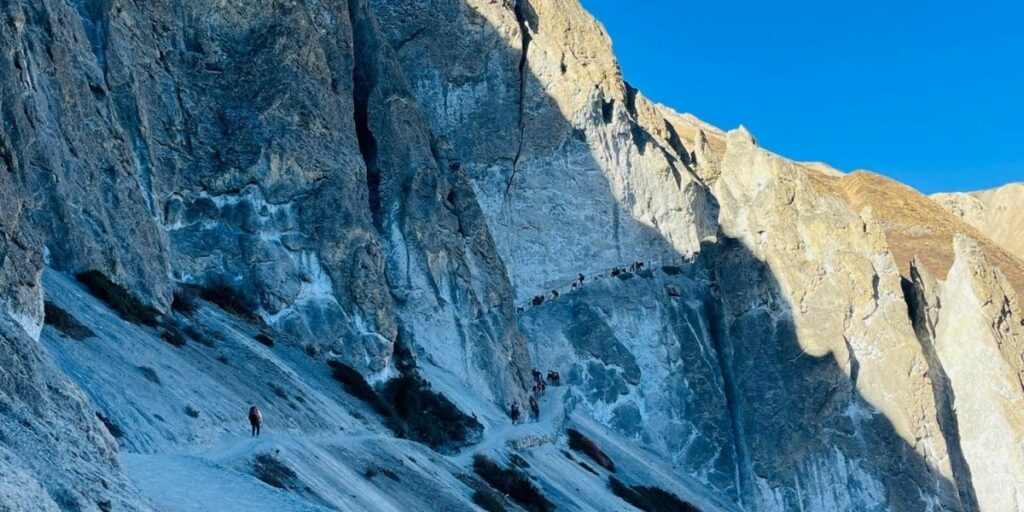
The best time to trek the Annapurna Circuit is subjective and depends on your individual preferences and priorities. You should consider your personal preferences for weather, scenery, solitude, and cultural interaction. Here’s how each season aligns with specific priorities.
Photography and Landscape Lovers
For those whose primary goal is capturing stunning mountain vistas and dramatic landscapes, Autumn (Late September to November) is unparalleled. The clear skies and crisp air provide the most reliable and breathtaking photographic opportunities. Spring (March to May) is a close second, especially if you enjoy capturing blooming rhododendrons against snowy peaks, though be prepared for potential afternoon haze.
Cultural Festivals Along the Trek
If you’re interested in experiencing local culture and festivals, Autumn is ideal. Nepal’s biggest festivals, Dashain (usually October) and Tihar (usually November), often fall during this period. While you might not see grand celebrations in every small village along the trail, the festive atmosphere is palpable throughout the country, and you may encounter local festivities. Spring also sees some festivals like Buddha Jayanti (usually May), which is celebrated in Buddhist communities like those in Manang.
Avoiding the Crowds
If you wanna spend your time alone, consider the shoulder seasons or even winter. Late November/Early December or early March can offer a good balance of decent weather and fewer trekkers than peak Autumn or Spring. Winter (December to February) offers the most solitude but comes with significant weather challenges and the risk of Thorong La Pass being closed. Trekking during the Monsoon (June to early September) also means fewer people, but you’ll contend with rain and leeches.
Physical Challenge vs. Leisurely Hike
While the Annapurna Circuit is never truly “leisurely,” the season can affect its perceived difficulty. Autumn and Spring generally offer the most manageable conditions with stable trails. Winter significantly increases the physical challenge due to cold, snow, and potential ice, requiring more endurance and specialized gear. Monsoon adds the challenge of slippery trails and uncomfortable humidity, which can be mentally and physically draining.
Is the Annapurna Circuit Trek Suitable for Beginners?
This is a common and important question. The Annapurna Circuit is a long and high-altitude trek, but with proper preparation, a determined beginner with good fitness can successfully complete it. It’s often considered a more achievable classic long-distance trek compared to something like the Everest Base Camp trek, due to a more gradual ascent profile in its classic anti-clockwise direction.
What Makes the Annapurna Circuit Demanding?
While achievable, the Annapurna Circuit presents several challenges that even experienced trekkers need to respect, and beginners must be well aware of.
Thorong La Pass and Acclimatization Challenges
The Annapurna Circuit trek’s highest point at Thorong La Pass (5,416m/17,769ft) presents significant altitude challenges. At this elevation, oxygen levels are approximately 50% of those at sea level, making physical exertion considerably more difficult. The altitude poses a risk of Acute Mountain Sickness (AMS), making proper acclimatization essential. If you are a beginner, then you need to understand the symptoms of AMS and the importance of listening to your body. Gradual ascent, staying hydrated, and allowing for rest days are crucial for a safe crossing.
Average Daily Trek Duration and Terrain
The Annapurna Circuit typically involves several days of trekking, with varying daily distances and diverse terrain. The trek typically spans 12-21 days, depending on the itinerary and side trips. On average, you’ll be trekking for 5-7 hours daily. The terrain is incredibly varied: dusty roads (in some lower sections, though alternatives are developing), stone staircases, forested paths, rocky moraines, and potentially snow-covered trails at higher altitudes. For beginners, these physical demands require significant endurance and mental fortitude, especially over consecutive days of trekking.
Factors That Make it Achievable for Determined Beginners
While the Annapurna Circuit is often viewed as a demanding high-altitude trek, it remains surprisingly achievable for determined beginners with proper preparation. The well-established infrastructure, gradual elevation gain, and flexible route options make the trek a manageable yet rewarding challenge for those new to multi-day hiking. Understanding what makes this iconic route more accessible can help first-time trekkers plan confidently and enjoy the journey at their own pace.
Well-Established Trail
Unlike wilderness treks requiring navigation skills, the Annapurna Circuit follows well-marked and maintained paths throughout. The established trail system means:
- Clear directional markings at most junctions
- Regular villages and checkpoints
- Frequent encounters with other trekkers
- Mobile phone coverage in many sections
This infrastructure significantly reduces the technical expertise required compared to more remote trekking experiences. The overall infrastructure is well-developed compared to more remote treks.
Teahouse Accommodation
The Annapurna region is famous for its teahouse trekking culture. You’ll find lodges offering basic but comfortable accommodation and food along the entire route, eliminating the need for camping gear. This teahouse system dramatically reduces the physical burden of carrying heavy packs and the technical skills needed for wilderness camping. Teahouses in this circuit offer basic but adequate lodging and serve Nepali and some Western food. This infrastructure makes the trek more accessible for beginners who may not have extensive backpacking experience.
Gradual Acclimatization
The 15-day Annapurna Circuit itinerary is naturally designed for gradual acclimatization. By spending nights at progressively higher altitudes, particularly with rest and acclimatization days in key locations like Manang (around 3500m), your body has a better chance to adapt to the thinning air. This significantly reduces the risk of AMS if the itinerary is followed sensibly.
Porter & Guide Availability
For beginners, hiring a licensed guide and/or porter can make a world of difference. A guide handles navigation, provides cultural and local insights, helps with teahouse bookings, and is trained to recognize and respond to AMS symptoms. A porter carries the bulk of your luggage, allowing you to trek with just a daypack, which greatly reduces physical strain. Mountain Routes can arrange experienced guides and porters, ensuring ethical employment practices and a well-organized trek. This support system can transform a daunting challenge into a manageable and more enjoyable adventure.
Are You Ready for the Annapurna Circuit?
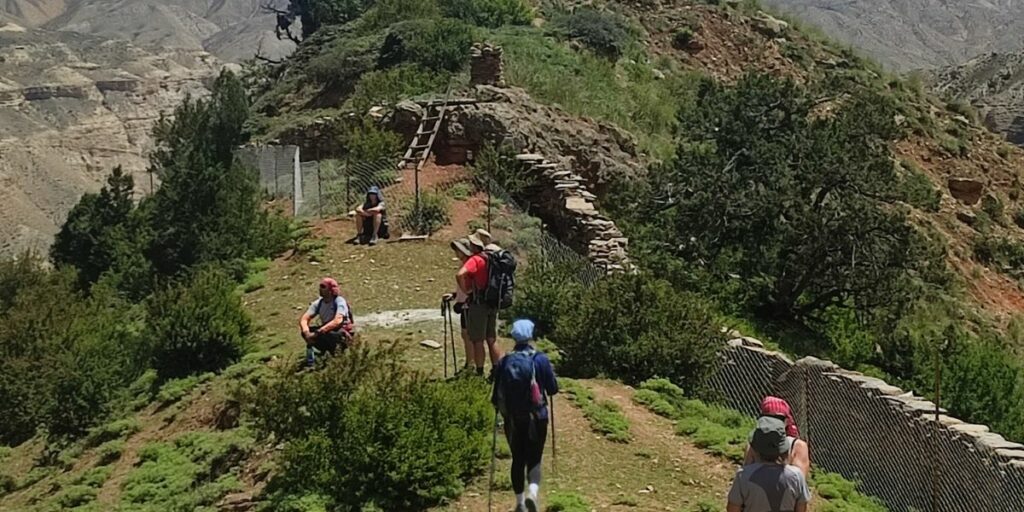
Before you hit the trail, it’s important to prepare your body and mind. It’s crucial to honestly assess your physical fitness, trekking background, and mental fortitude. Being well-prepared in these areas is just as important as choosing the right season.
Training and Fitness
Good cardiovascular fitness is essential. You should be comfortable with sustained physical activity for multiple hours a day, for several consecutive days. Training should focus on:
- Cardiovascular Endurance: Activities like running, cycling, swimming, or incline walking for at least 3-4 times a week, for several months leading up to the trek. Aim for sessions lasting 1-2 hours.
- Strength Training: Focus on leg strength (squats, lunges, calf raises) and core stability. A strong core helps with balance and carrying a pack.
- Hiking Practice: If possible, undertake several long day hikes with a weighted pack, preferably on hilly or uneven terrain. This helps break in your boots and accustoms your body to the demands of trekking.
Previous Hiking Experience
For a beginner, tackling the Annapurna Circuit can be a rewarding yet demanding experience. While not strictly mandatory, some previous multi-day hiking experience, even at lower altitudes, is highly beneficial. It helps beginners become familiar with the rhythm of trekking day after day, using essential gear effectively, pacing themselves over long distances, and recognizing how their body responds to changing weather and altitude. For those who are complete novices, it’s advisable to start with shorter and less strenuous treks to build confidence and stamina before committing to a challenging route like the Annapurna Circuit.
Mental Preparation for First-Time Trekkers
The Annapurna Circuit is as much a mental challenge as a physical one. You have to be prepared for long days, basic amenities, potential discomfort, and altitude challenges. A positive attitude, patience, and resilience are key for the successful trekking to Annapurna Circuit.
What to Pack for the Annapurna Circuit Based on the Season
Your packing list will vary significantly depending on the season you choose for your Annapurna Circuit trek. Layering is key for all seasons, but specific gear will be essential for comfort and safety in different conditions. Always aim to pack light but smart.
Spring & Autumn Essentials for trek to the Annapurna Circuit
These peak seasons generally offer moderate weather, but it is vital to be prepared for cool evenings and mornings, especially at altitude.
- Clothing: Layering system (base layer, mid-layer fleece, windproof/waterproof outer shell), trekking trousers (convertible can be good), t-shirts, thermal underwear, warm hat, gloves, sun hat.
- Footwear: Well-broken-in hiking boots, comfortable camp shoes/sandals.
- Gear: Backpack (40-50L if using a porter, larger if carrying your own), sleeping bag (0°C to -10°C comfort rating), trekking poles, headlamp, water bottles/hydration reservoir, sunglasses, sunscreen, first-aid kit, toiletries.
- Optional: Camera, power bank, book/journal.
Winter Survival Gear for Annapurna Circuit Trek
Winter demands serious preparation for extreme cold and snow. Every item in your backpack plays a critical role, from insulated layers to traction devices for icy trails. Whether you’re an experienced trekker or a well-prepared beginner, having the right winter survival gear for the Annapurna Circuit trek.
- Clothing: Heavy-duty thermal base layers, thick fleece or down mid-layer, expedition-grade waterproof and windproof outer shell (jacket and trousers), insulated trekking trousers, down jacket for evenings, balaclava, warm insulated gloves/mittens, thermal socks.
- Footwear: Insulated, waterproof hiking boots. Gaiters are essential. Microspikes or crampons may be necessary for icy sections, especially Thorong La.
- Gear: Sleeping bag (-15°C to -25°C comfort rating), insulated sleeping pad (optional, for extra warmth), snow goggles (in addition to sunglasses), thermos for hot drinks.
- Safety: Be prepared for potential trail closures and have contingency plans. Follow the Annapurna circuit travel guide to be safe from all possible hazards.
Rainy Season Must-Haves for Circuit Trek
Monsoon trekking requires specific moisture management solutions. They require robust waterproofing and measures against leeches.
- Clothing: High-quality waterproof and breathable rain jacket and trousers (ponchos can also be useful), quick-drying trekking clothes (avoid cotton), waterproof gaiters.
- Footwear: Waterproof hiking boots with good grip.
- Gear: Waterproof backpack cover, dry bags to protect electronics and important items, insect repellent (for mosquitoes and leeches), salt or lighter for leech removal (use with care).
- Considerations: Be aware of landslide risks and potential travel delays. The northern, rain-shadow parts of the circuit will be drier.
FAQs
What is the absolute best time for the Annapurna Circuit Trek for a Beginner?
For a beginner, the Autumn season (late September to November) is generally considered the absolute best time. The stable weather, clear views, and excellent trail conditions provide the most comfortable and visually rewarding experience. Spring (March to May) is a strong second choice, especially if you enjoy seeing wildflowers, though be prepared for slightly more variable weather and potential afternoon haze. Both seasons have ample support infrastructure (open teahouses, more trekkers around).
Can I trek the Annapurna Circuit during the monsoon season?
Yes, but with significant adaptations. A monsoon trek demands flexibility, patience, and acceptance of challenging conditions in exchange for solitude and lower costs. You have to consider these strategies for monsoon trekking:
- Consider a guide with specific monsoon experience
- Build extra buffer days into your itinerary for potential delays
- Monitor weather forecasts vigilantly and be prepared to adjust plans
- Accept limited views and primarily focus on cultural experiences
How cold does it get on the Annapurna Circuit in winter?
It gets very cold, especially at higher altitudes. In winter (December to February), daytime temperatures in lower valleys might be 5-10°C, but above 3500m, they can easily drop to -5°C to -15°C during the day, and significantly colder at night and over Thorong La Pass (potentially -20°C to -25°C or lower with wind chill). Proper insulated gear is non-negotiable.
Do I need special equipment for different seasons?
Each season on the Annapurna Circuit brings its own unique challenges, and being properly equipped is key to comfort, safety, and success. As weather conditions shift from warm and wet to cold and snowy, your gear needs to adapt accordingly.
- Winter: Requires insulated clothing, a warmer sleeping bag, potentially microspikes/crampons, gaiters, and snow goggles.
- Monsoon: High-quality rain gear, waterproof covers, and leech repellent are essential.
- Spring/Autumn: Standard trekking gear is usually sufficient, but always be prepared for a range of temperatures.
How far in advance should I book my trek during peak season?
For peak seasons (Autumn and Spring), it’s advisable to book your flights, guide/porter services. During these times, flights to and from Pokhara, accommodations along the trail, and experienced guide/porter services tend to fill up quickly due to high demand. Early booking ensures you secure the best options and avoid last-minute stress. You can directly contactus to reserve your Annapurna Circuit trek package, get personalized recommendations, and make necessary arrangements smoothly.
How difficult is crossing Thorong La Pass for beginners?
Crossing Thorong La Pass (5,416m) is the most challenging part of the Annapurna Circuit for everyone, including beginners. The difficulty stems from the high altitude, the long day of trekking (often 8-10 hours), the early pre-dawn start in freezing temperatures, and the steep ascent and descent. However, with proper acclimatization, good physical fitness, mental preparedness, and by going slowly, many beginners successfully cross the pass. Always remember, listening to your body and your guide is crucial.





 Chat on WhatsApp