
How to Prepare for the Annapurna Base Camp Trek?
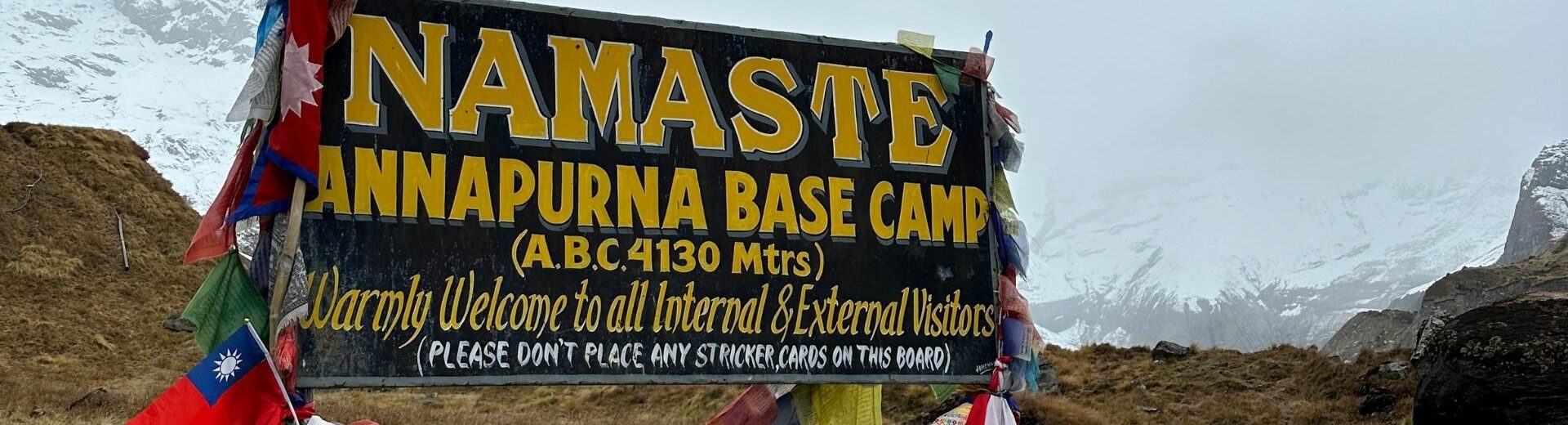
Annapurna Base Camp (ABC) stands at 4,130 meters tall in the heart of the Himalayas and is more than just a trekking destination. It is a journey that needs proper planning, physical fitness, and mental strength. The trail is not easy as you walk through steep climbs, rocky paths, and high altitudes. It is essential to start training at least 6 to 8 weeks before the trek. It’s not only about the training, but also ABC trek preparation includes walking, climbing stairs, and building strength. Also, it’s equally important to pack the right gear, including warm clothes, strong shoes, and a comfortable backpack. Make sure you get the necessary permits and schedule acclimatization days to avoid altitude sickness. With the right preparation, you can easily complete the trek safely and enjoy the journey to ABC.
Essential Physical Training for ABC Trek Success
The body requires proper training like a high-performance vehicle needs a check before a mountain drive. The Annapurna Base Camp trek is not technically difficult but demands strong physical fitness. You must build stamina and strength to hike for 7 to 12 days on steep, rocky trails. It is essential to start training early to prepare well, avoid injuries, and enjoy the journey.
Building Cardiovascular Endurance
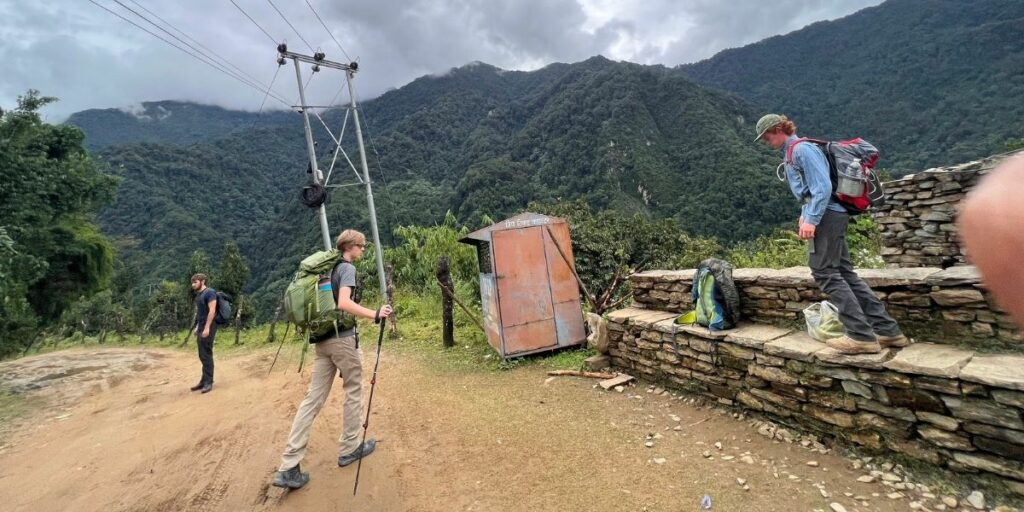
The ability to sustain effort during uphill climbs and long trekking days is largely dependent on cardiovascular fitness. Your heart is going to be your best friend on this trek, so let’s make sure it’s ready for the challenge. Cardiovascular fitness is the foundation of successful ABC trek preparation. You’ll be walking for 5-7 hours daily at altitude, where every breath becomes precious.
- Regular brisk walking: Daily brisk walks should be initiated, with gradual increases in duration and intensity. Aim for at least 45-60 minutes, 3-4 times per week.
- Hiking with a backpack: As fitness improves, hikes on varied terrain (hills, stairs) should be incorporated while carrying a weighted backpack. This simulates actual trekking conditions and aids in load acclimatization. Begin with 5-7 kg and progressively increase to the anticipated trek weight.
- Stair climbing/Cycling: These activities effectively simulate the continuous exertion required for uphill trekking, initially minimizing joint strain. Focus should be placed on sustained efforts rather than short, intense bursts.
Strength Training Focus Areas
While cardiovascular training is critical, strength training should not be overlooked. The ABC trek demands functional strength, not gym-show muscles. Strong leg, core, and back muscles provide the stability and power needed for challenging trails and comfortable backpack carrying. Your legs are your engine, so prioritize squats, lunges, and step-ups.
| Muscle Group | Recommended Exercises | Benefits for Trekking |
| Legs | Squats, Lunges, Step-ups, Calf Raises | Builds strength for ascents and descents. |
| Core | Planks, Crunches, Russian Twists | Provides stability, improves balance, and helps prevent back pain, especially when carrying a pack. |
| Back & Shoulders | Rows, Pull-ups (assisted if needed), Overhead Presses | Strengthens the upper back and shoulders for comfortable backpack carrying over extended periods. |
Mental Preparation and Psychological Readiness
The ABC trek presents not only a physical challenge but also a significant mental one. Mental preparation is often the most overlooked aspect of ABC trek preparation, yet it’s frequently the deciding factor between those who reach base camp and those who turn back. Moments of fatigue, discomfort, and doubt may be encountered. Therefore, mental preparation and psychological readiness are as vital as physical fitness.
- Positive Visualization: Time should be spent visualizing successful completion of the trek, enjoying the views, and overcoming potential challenges.
- Setting Realistic Expectations: It is important to understand that difficult days will occur. The focus should be on embracing the entire journey, not just the destination.
- Practice Mindfulness: Techniques such as deep breathing and meditation can assist in maintaining calmness, managing stress, and staying present, particularly at higher altitudes.
- Embrace Discomfort: During training, intentionally pushing slightly beyond one’s comfort zone helps build resilience for inevitable discomfort during the trek.
Altitude Acclimatization Strategies
Altitude is the great equalizer in the mountains; it doesn’t care about your fitness level, age, or experience. Proper acclimatization strategies for ABC trek are crucial for success and safety. The good news is that the standard 7-day ABC trek itinerary is well-designed for gradual altitude gain. Your body adapts to altitude during rest, not during exertion. You have to understand the “climb high, sleep low” principle. The trek naturally incorporates acclimatization days, but listen to your body and don’t hesitate to take extra rest days if needed.
Pre-trek altitude training isn’t always possible, but you can simulate some effects through specific exercises. The water intake (3-4 liters per day) is essential to aid the body’s acclimatization process. Dehydration can exacerbate altitude sickness symptoms. The inhalation of alcohol and smoking can lead to dehydration and hinder the body’s ability to acclimate effectively. This is the reason it is recommended to avoid alcohol and smoking for the trek. Familiarity with acute mountain sickness (AMS) symptoms, including headache, nausea, dizziness, fatigue, and loss of appetite, is essential. If these symptoms are experienced, the guide should be immediately informed, and descent should be considered if symptoms worsen.
Complete ABC Trek Packing List and Gear Guide
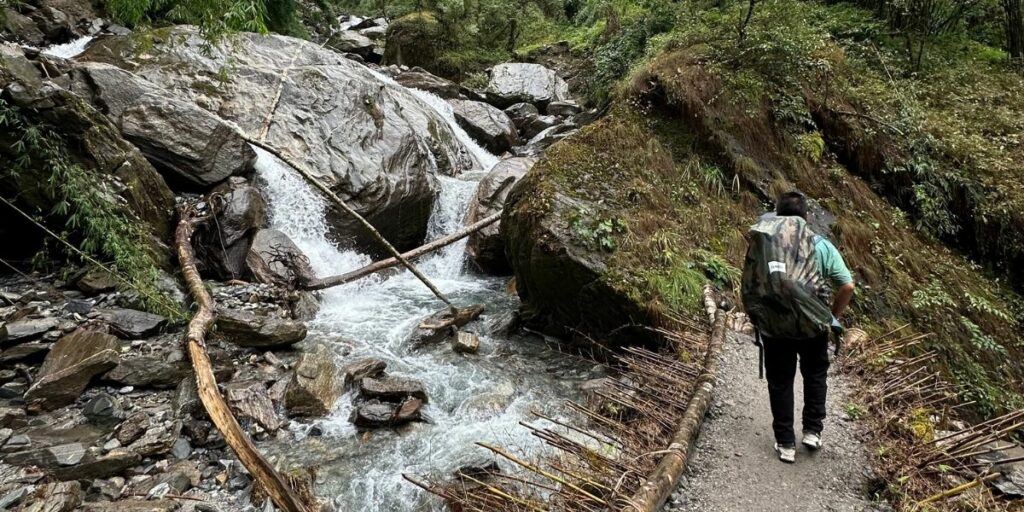
Intelligent packing for the ABC trek is non-negotiable. While packing, every piece needs to serve a purpose, and there’s no room for dead weight. Your gear is very important for the trek, but carrying too much can make the journey difficult and tiring. The essential gear for ABC trek isn’t about having the most expensive equipment; it’s about having the right equipment for the conditions you’ll face.
Essential Clothing and Layering System
The weather in the Annapurna region is as unpredictable as a teenager’s mood, changing from sunny and warm to cold and snowy within hours. A proper layering system is your armor against these conditions. You have to think of it as building a personal climate control system that you can adjust throughout the day.
| Layer Type | Description | Quantity (Approx.) |
| Base Layer | Long-sleeve tops and bottoms made of moisture-wicking synthetic materials | 2-3 sets |
| Mid-Layer | Fleece jackets or lightweight down jackets for insulation and warmth | 1-2 pieces |
| Outer Layer | A high-quality waterproof and windproof jacket and trousers for rain protection | 1 set |
| Trekking Trousers | Comfortable, quick-drying trekking trousers. Zip-off trousers offer versatility. | 2 pairs |
| T-shirts | A few quick-drying synthetic t-shirts are suitable for warmer lower altitudes. | 2-3 pieces |
| Underwear | Moisture-wicking and comfortable. | 5-7 pairs |
| Socks | Good quality, moisture-wicking trekking socks (wool or synthetic) | 5-7 pairs |
| Gloves | Lightweight gloves for lower altitudes and warmer, insulated gloves for higher altitudes. | 2 pairs |
| Hat | A wide-brimmed hat for sun protection and a warm beanie for cold evenings. | 1 each |
Technical Equipment and Safety Gear
Your technical gear is like insurance; you hope you don’t need it, but you’ll be grateful when you do. A quality backpack (65- 75L) with proper fit is essential. Getting professionally fitted at an outdoor store and practicing with it fully loaded during training hikes is necessary. In the meantime, footwear plays an important role. So, invest in quality waterproof trekking boots that you’ve broken in completely. You should pack camp shoes (lightweight sandals or slip-ons) for comfort in tea houses.
- Trekking poles: Reduce knee stress and improve stability on rough terrain.
- Sleeping bag (-10°C rating): Keeps you warm during cold nights at high altitudes.
- Backpack (35–45L) with rain cover: Holds your essentials and stays dry in rain.
- Headlamp with batteries: Useful for early starts or power outages in tea houses.
- Microspikes (off-season): Provide traction on icy or slippery trails.
- Sunglasses: High-quality, UV-protected sunglasses are essential at altitude.
- Sunscreen and Lip Balm: High SPF is necessary for protection against intense sun exposure.
- First-Aid Kit: Should include personal medications, pain relievers, blister treatment, antiseptic wipes, bandages, etc.
Personal Items and Comfort Essentials
Comfort items might seem like a luxury, but they’re actually essential for maintaining morale and health during challenging days. Personal hygiene items should be biodegradable and minimal, such as wet wipes, a toothbrush, toothpaste, and basic toiletries. Always remember to choose items that serve multiple purposes, as every gram counts.
- Toiletries: Toothbrush, toothpaste, biodegradable soap, small towel, hand sanitizer.
- Small Quick-Dry Towel: Lightweight and practical.
- Toilet Paper: Essential, as it is not consistently provided.
- Snacks: Energy bars, nuts, dried fruit – for quick energy boosts between meals.
- Book/Journal and Pen: For downtime and reflection.
- Camera: To capture the magnificent scenery!
- Sandals: For comfort around guesthouses in the evenings.
Permits, Documentation, and Legal Requirements
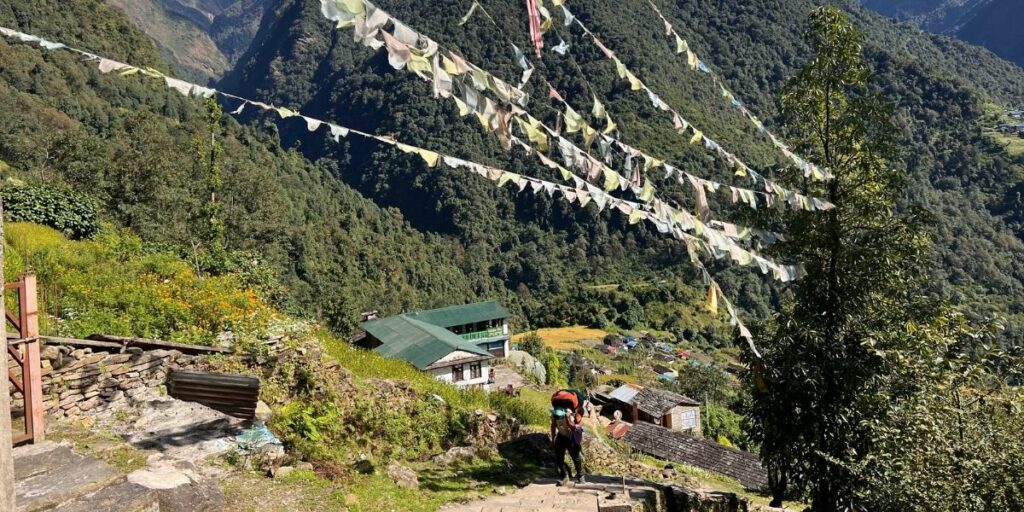
Before you start your Annapurna Base Camp trek, you must get the necessary permits. These permits help protect the region’s natural beauty and support your safety during the trek. Without them, you are not allowed to enter the conservation area. Whether you trek independently or with a guide, securing the right documents is an important first step.
Required Permits for ABC Trek
The two permits are required for trekking to the Annapurna Base Camp. The Annapurna Conservation Area Permit (ACAP) and the Trekkers’ Information Management System (TIMS) card are two required permits for the trek.
- Annapurna Conservation Area Permit (ACAP): This permit is mandatory for entry into the Annapurna Conservation Area, which safeguards the region’s diverse ecosystem. The ACAP costs USD$25 (NRS3,000) for foreigners and allows you to trek within the Annapurna Conservation Area.
- TIMS (Trekkers’ Information Management System) Card: This card assists in ensuring the safety and security of trekkers by registering their details. It is also crucial in emergency situations. The TIMS card costs USD $17 (NPR 2,000).
These permits can be obtained in Kathmandu or Pokhara. If trekking with an agency, permit acquisition is typically handled by them. Independent trekkers will need to visit the Nepal Tourism Board offices. Remember to bring passport-sized photos and copies of your passport.
Travel Insurance and Medical Requirements
Comprehensive travel insurance is absolutely essential for trekking in the Himalayas. This is non-negotiable for personal safety and peace of mind. The travel insurance policy must specifically cover high-altitude trekking (up to 5,000 meters or higher for comprehensive coverage). It should include emergency evacuation (helicopter rescue) and medical expenses. The cost of a helicopter rescue can be extremely high without adequate insurance.
Medical requirements include being in good health and having no serious pre-existing conditions that altitude might affect. A consultation with a doctor prior to embarking on a high-altitude trek is always advisable, particularly if any pre-existing medical conditions are present. The itinerary and potential altitude effects should be discussed. Vaccinations aren’t required for Nepal, but consider hepatitis A and B, typhoid, and Japanese encephalitis depending on your travel plans.
Route Planning and Itinerary Optimization
While many trekkers follow a standard route, understanding options for route planning and itinerary optimization can significantly enhance the Annapurna Base Camp experience. The standard route is well-established, but understanding your options helps you make informed decisions about pace, rest days, and alternative routes.
Standard ABC Trek Route Overview
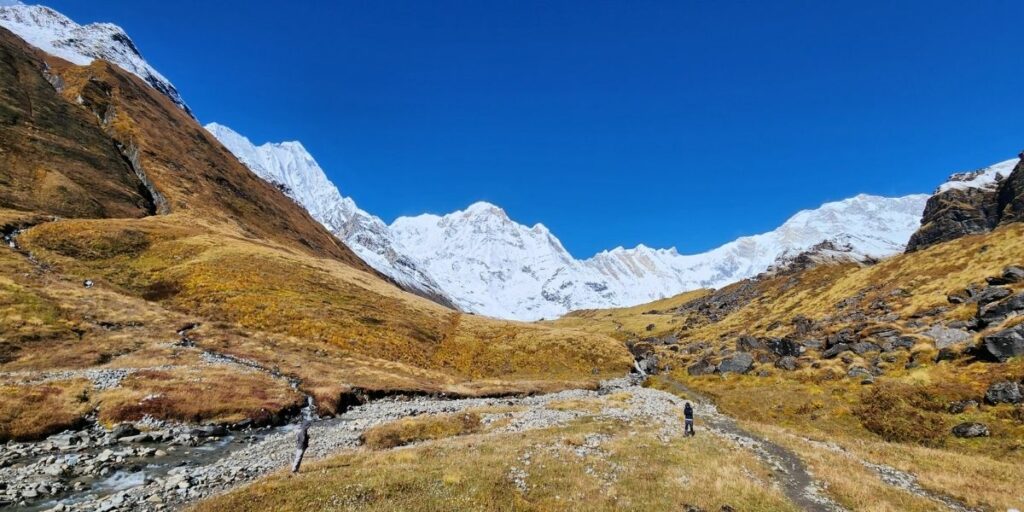
The most common ABC trek commences from Nayapul (easily accessible from Pokhara) and typically spans 7-12 days. A popular variation involves starting from Pokhara to Jhinu Danda. The trail meanders through charming Gurung villages, lush rhododendron forests, and ultimately into the majestic Annapurna Sanctuary. Key stopping points usually include Chhomrong, Dovan, Deurali, and Machapuchare Base Camp before reaching Annapurna Base Camp (ABC). The standard 7-day itinerary for the ABC trek is:
- Day 1: Drive from Pokhara to Jhinu Danda (1,780 m / 5,839 ft) and trek to Chhomrong (2,170 m / 7,120 ft)
- Day 2: Trek from Chhomrong to Dovan (2,600 m / 8,530 ft)
- Day 3: Trek from Dovan to Deurali (3,200 m / 10,498 ft)
- Day 4: Trek from Deurali to Annapurna Base Camp (4,130 m / 13,549 ft)
- Day 5: Trek from ABC to Bamboo (2,310 m / 7,578 ft)
- Day 6: Trek from Bamboo to Jhinu Danda (1,780 m / 5,839 ft)
- Day 7: Drive back from Jhinu Danda to Pokhara (822 m / 2,697 ft)
Accommodation and Meal Planning
The ABC trek operates as a teahouse trek, implying that lodging will be provided in local guesthouses along the trail. They are basic but comfortable, with incredible views included free of charge. Most tea houses offer private rooms with shared bathrooms, though luxury shouldn’t be expected. Rooms typically include a bed with basic bedding, though bringing your own sleeping bag is recommended. Limited electricity and Wi-Fi, if any, should be expected at higher altitudes.
Meal planning is straightforward since tea houses serve similar menus throughout the region. Dal Bhat (rice and lentils) is a staple meal that is nutritious. Western options like pasta, pizza, and pancakes are available but become more expensive and less reliable at higher altitudes. You can budget around $20-30 per day for accommodation and meals combined. Prices increase with altitude, and some items may be unavailable during off-seasons. Carrying some emergency snacks is wise, but tea houses generally provide adequate nutrition for trekking needs. Similarly, bottled water is available but can be expensive and contributes to plastic waste. Carrying purification tablets or a filter is highly recommended.
Budget Planning and Financial Preparation
A clear understanding of the cost breakdown and budgeting for the Annapurna Base Camp trek is crucial for a smooth journey. While not the most expensive Himalayan trek, a well-defined financial plan is beneficial.
Cost Breakdown and Budgeting
The total cost for the Annapurna Base Camp trek ranges from $400-1,500 per person, depending on your approach. You can choose whether you choose a guided package, semi-guided trek, or go independently. A typical guided package includes meals, lodging, permits, guides, porters, and transport, but excludes gear, tips, hot showers, charging, Wi-Fi, and personal expenses.
| Expense Category | Estimated Cost (USD) |
| International Flights | Highly variable |
| Nepal Visa | ~$30-50 |
| Permits (ACAP & TIMS) | ~$35-45 (total) |
| Guide & Porter (Optional) | ~$40-65 per day |
| Accommodation | ~$5-8 per night |
| Food | ~$15-30 per day |
| Transportation | $30 |
| Gear Rental/Purchase | Variable |
| Miscellaneous | Flexible ( $2-3 per day) |
Best Time to Trek to ABC
The selection of the best time for ABC trek preparation and the trek itself significantly influences the overall experience. The Annapurna region experiences distinct seasons, each offering unique advantages and challenges.
Overview of Trekking Seasons
The optimal trekking seasons are pre-monsoon (March-May) and post-monsoon (September-November). These periods offer the best combination of clear weather, moderate temperatures, and reliable trail conditions. However, each season has its specialty.
Autumn (September to November)
This period is widely regarded as the most favorable. Weather conditions are stable, skies are clear, and temperatures are moderate. Views are spectacular, and trails are generally well-trafficked. However, it is also the busiest season, potentially leading to more crowds and higher prices.
Spring (March to May)
Another excellent period, characterized by blooming rhododendrons, particularly in April. Temperatures are pleasant, and views are generally unobstructed. This is also a popular season, though typically less crowded than autumn.
Winter (December to February)
Temperatures are colder, especially at higher altitudes, and snow is more likely in this season. Trails are quieter, and snow-covered landscapes are beautiful, but access to ABC might be restricted due to heavy snowfall. More specialized gear and cold-weather experience are required.
Monsoon (June to August)
This season brings heavy rain, leeches, muddy trails, and obscured mountain views. While some trekkers brave monsoon conditions, it’s generally not recommended for the ABC trek.
Final Pre-Departure Checklist
Your final preparation phase is like conducting a pre-flight check: methodical, thorough, and essential for a successful journey. This is when all your months of preparation come together, and small oversights can become big problems.
Last-Minute Preparations
As your Annapurna Base Camp trek approaches, it’s important to take care of a few final details to ensure a smooth and stress-free start. These last-minute preparations will help you stay organized, safe, and ready to fully enjoy the adventure ahead.
- Reconfirm Flights and Accommodation: All travel bookings should be double-checked.
- Pack Smart: A final review of the packing list should be conducted. Rolling clothes can help optimize space.
- Currency Exchange: Some local currency (Nepalese Rupees) should be obtained for initial expenses.
- Medical Kit Review: Ensure the personal first-aid kit is complete and all medications are easily accessible.
- Charge All Electronics: Phones, power banks, and camera batteries should be fully charged.
- Share Itinerary: A copy of the itinerary and contact information should be left with a trusted person back home.
- Mental Warm-up: Taking a few moments to relax, visualize the trek, and embrace the excitement is beneficial.
Choosing the Right Trekking Agency for the ABC Trek
While independent trekking is an option, choosing the right trekking agency for the ABC trek can significantly enhance safety, comfort, and the overall experience, especially for those new to high-altitude trekking. The right agency can transform your trek from a logistical nightmare into a seamless adventure, while the wrong choice can create problems that haunt your entire journey. Mountain Routes has been leading guided treks in the Annapurna region for many years, providing reliable and experienced support for trekkers. A well-organized packages that include permits, accommodation, meals, and knowledgeable guides who understand the local terrain and culture is provided. Our certified guides are trained in first aid and ensure a smooth journey, helping you focus on the breathtaking views and the adventure ahead. Whether you’re a first-time trekker or an experienced hiker, proper guidance can be the reason for you successful and memorable trekking experience.
FAQ
How long should I train before attempting the Annapurna region trek?
Ideally, ABC trek training and preparation should commence 2-3 months prior to the departure date. This provides ample time to build cardiovascular endurance, strengthen key muscle groups, and monitor progress.
Do I need previous trekking experience for the ABC trek?
While some prior trekking experience is advantageous, it is not strictly mandatory. The ABC trek is classified as a moderate-level trek. Good physical fitness and mental preparedness are considered more important than extensive prior experience.
How much should my backpack weigh for the Annapurna trek?
Your backpack should weigh no more than 10-15% of your body weight, typically 8-12 kg (18-26 lbs) for most trekkers.
What’s the best time for ABC trek preparation?
The optimal time to begin your ABC trek preparation is well in advance, irrespective of the actual trek date. The best time to undertake the ABC trek is during the autumn (September to November) and spring (March to May) seasons for ideal weather and clear views.
What’s the total cost for the Annapurna Base Camp trek?
Mountain Routes offers the Annapurna Base Camp trek at USD 650 per person, including a local guide, permits, accommodation, meals during the trek, porter service, and transfers. Exclusions are visas, travel insurance, Kathmandu hotel, meals in Pokhara, drinks, tips, and international flights.





 Chat on WhatsApp