Kanchenjunga Trek Permit and Fees: A Complete Guide for 2025
Kanchenjunga Trek is the most popular trek among people as the world’s third-highest mountain is located here, which is 8,586 meters tall. It is also known as “Five Treasures of the Great Snow” as it has five peaks located between the border of Nepal and India. Kanchenjunga Region is a restricted area under the management of the tourism industry. So, this makes you require two special permits to enter the region. These permits are completely different than other permits you require at other trekking destinations like Everest Base Camp Trek, Langtang Valley Trek, or Annapurna Trek. A Restricted Area Permit (RAP) and the Kanchenjunga Conservation Area Project (KCAP) are the two permits required for the trek. It costs slightly more than other permit costs.
Why Is It Essential To Have A Permit for the Kanchenjunga Trek?
Trekking in the Kanchenjunga region is a once-in-a-lifetime adventure through one of Nepal’s most remote and pristine landscapes. As a restricted area located near the eastern border with India and Tibet, the region holds immense cultural, ecological, and strategic importance. There are many benefits to having the Kanchenjunga Trek permit.
- By getting the permits, you will be safe during the trek.
- Your permits indirectly help in the conservation of the area.
- You are indirectly supporting local communities living along the trekking route.
- It is easy to track you during the trek, which helps you avoid getting lost.
- An insurance policy can be easily obtained that helps you in emergency situations.
What if I don’t have a Permit
There are certain consequences if you don’t have trekking permits. If you are caught without a permit, then you may face legal action and also get fined even more. You may also harm the environment and ecosystem. This leads you to danger, and also may lead to leaving the country. Moreover, in the event of an emergency such as injury, illness, or getting lost, authorities may not be able to locate or assist you promptly. Trekking without contributing to the conservation fund also means you’re bypassing the support that helps maintain trails, protect wildlife, and assist the local communities who depend on sustainable tourism.
Your Kanchenjunga Permit Checklist
Kanchenjunga, being a restricted area, requires two permits, RAP and KCAP. One is required to enter the region, while the other is required for the protection of the Kanchenjunga region.
- Restricted Area Permit (RAP)
Lelep, Yamphuding, Olangchung Gola, and Paping are the four Village Development Committees (VDCs) in the Kanchenjunga Region, which are mostly prohibited areas. Due to the restricted status of the Kanchenjunga region, a Restricted Area Permit (RAP) is required for every foreign trekker to enter the region. The reason behind the restriction is it touches the Tibetan and Indian border. The Kanchenjunga RAP costs depend on the number of days you spend in the restricted area trial.
Where and How to Obtain the RAP?
You can obtain a Kanchenjunga Restricted Area Permit (KRAP ) from a legitimate trekking agency. For this, when you arrive in Kathmandu, you can process it from the agency by submitting an online application for this permit through them. After that, permission can be obtained from Nepal Immigration’s Trekking Department, Maitighar. It will take around 2 to 3 hours for the process.
Note: You can’t obtain this permit by yourself.
Cost for Restricted Area Permit (RAP)
The cost of a Restricted Area Permit( RAP) depends on the duration of your stay on the trial. For the first four weeks of your trek, the RAP costs USD 20 per person per week. As the permit is only applicable for one time and one trekker, costs may vary if you stay more than four weeks. It will cost USD 25 per person per week after the four weeks.
- USD 20 per person per week for the first four weeks.
- USD 25 per person per week after the first four weeks.
- Kanchenjunga Conservation Area Project (KCAP)
The Kanchenjunga Conservation Area is covered by the three vegetation types. They are Subtropical Evergreen Forest (800–1,200m), Temperate Forest (1,200–3,500m), Sub-alpine Zone (3,500–3,900m), and Alpine Zone (3,900–4,600m). The KCAP permit is the permit that contributes to the protection of both natural beauty and the local culture of the Himalayan region. The money obtained from the permit is used for the preservation of the unique wildlife, including rare animals like the red panda and snow leopard. It also helps to keep the environment clean and healthy for future generations. There is no time limitations for this permit. By purchasing a KCAP permit, trekkers directly contribute to both nature and people, ensuring that Kanchenjunga remains a beautiful and welcoming place for adventurers and locals alike.
Where and how to obtain a KCAP permit?
You can easily obtain KCAP by yourself. To get this permit, you have to submit an application to the Bhrikutimandap Tourism Service Center in Kathmandu. It is open every Saturday and Sunday from 9 am to 5 pm. It will take only a few minutes for the permission to visit the Kanchenjunga Conservation Area. You can use this permit throughout the trek without limitations. You can also get the permit from the checkpost during the trek.
Cost for Kanchenjunga Conservation Area Project (KCAP) permit
The cost of a Kanchenjunga Conservation Area Project (KCAP) permit varies depending on nationality. The permit is valid per entry and is mandatory for all trekkers entering the region. Trekkers are advised to carry a printed copy of their permit at all times, as it may be required at various checkpoints along the trail. Here is a detailed breakdown of costs:
- For Nepalese citizens, NRs. 100 per person per entry
- For SAARC nationals, NRs. 500 per person per entry (USD 5 approx.)
- For foreigners, NRs. 2,000 per person per entry (USD 20 approx.)
- It is free for children under 10 years.
Required Documents to Apply for a Permit
It all starts with having the right documents in place. If you’re planning to trek in the beautiful and remote Kanchenjunga region, you’ll need a couple of permits to make your journey smooth and legal. These permits are important for your safety, for protecting the environment, and for supporting the local communities.
- Two passport-size photos (for KCAP)
- Original Passport, along with a copy of your current passport
- Valid passport for at least 3 months.
- Valid Nepal tourist visa after the RAP’s expiration date
- Other documentation should be provided by the Trekking agency to apply for Kanchenjunga RAP (information of trekkers and guide group, Guarantee letters, Verified itinerary, tax clearance certificate, permission to operate )
After having these documents, Mountain Routes helps you manage all the required permits and have a well-scheduled trek to the Kanchenjunga Region without any barriers.
Breaking Kanchenjunga Trek Permit Fees 2025
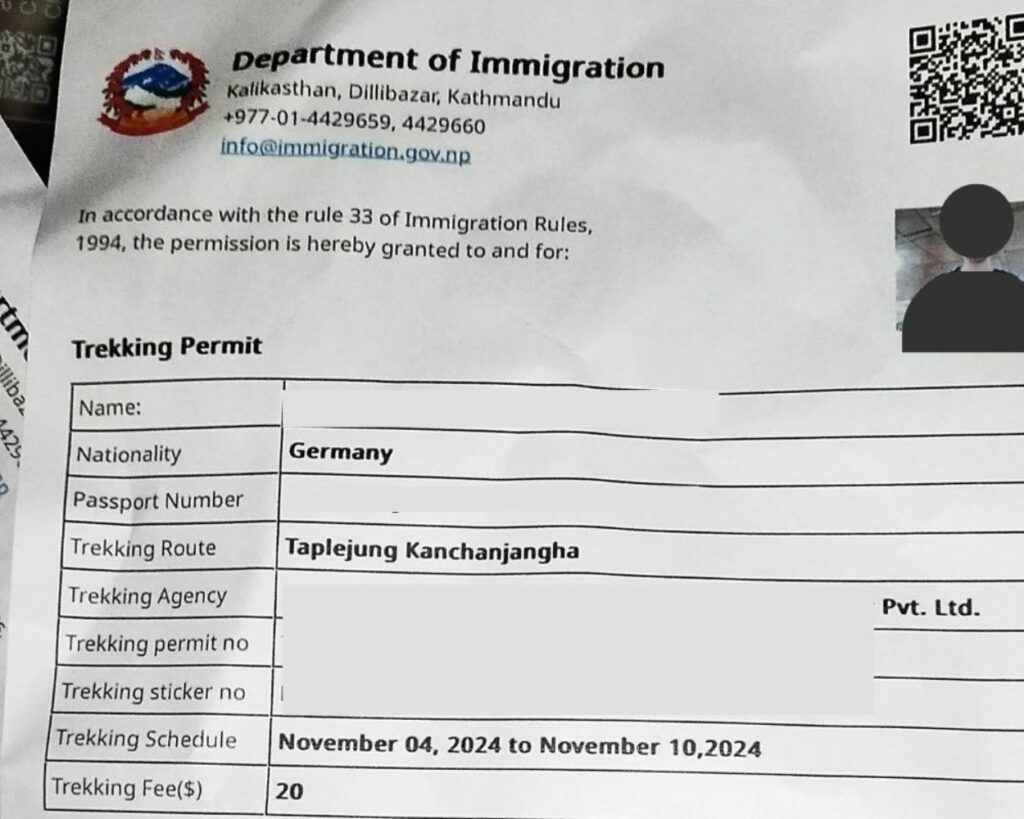
Trekking in the Kanchenjunga region requires several permits, and understanding their costs is crucial for trip planning. Permit fees vary based on the time you stay on the trekking trail or your nationality. Here’s a detailed breakdown for both permits:
| Permit Type | Nationality | Fee (Currency) | Validity/Duration |
| Restricted Area Permit (RAP) | All Nationalities | USD 20 | Per person, per week (first 4 weeks) |
| USD 25 | Per person, per week (after 4 weeks) | ||
| Kanchenjunga Conservation Area Project (KCAP) | Nepalese Citizens | NRs. 100 | Per person, per entry |
| SAARC Nationals | NRs. 500(USD 5 approx.) | Per person, per entry | |
| Foreign Nationals | NRs. 2,000(USD 20 approx.) | Per person, per entry | |
| Children < 10 years | Free | Per person, per entry |
Considerations Before Applying for Permits
Before applying for Kanchenjunga trekking permits, there are a few important things to keep in mind. These guidelines help ensure your trek is safe, legal, and respectful of the protected areas you’ll be exploring.
- Permits for children under ten are free, so you won’t have to pay anything.
- The permit is only valid for one trek and one trekker. It won’t be refunded or transferred.
- The permit charges mentioned above include VAT, TAX, and additional government taxes.
- You should carry the permits with you the whole time, and they should be shown whenever trail officials ask for them.
- You must follow the rules from the National Park and Wildlife Conservation Act, 2029 B.S., when you enter Kanchenjunga Conservation Area.
- Within the preserved and restricted territory, you will be only allowed to enter the places indicated on the permission.
Rules and Regulations for Kanchenjunga Trek
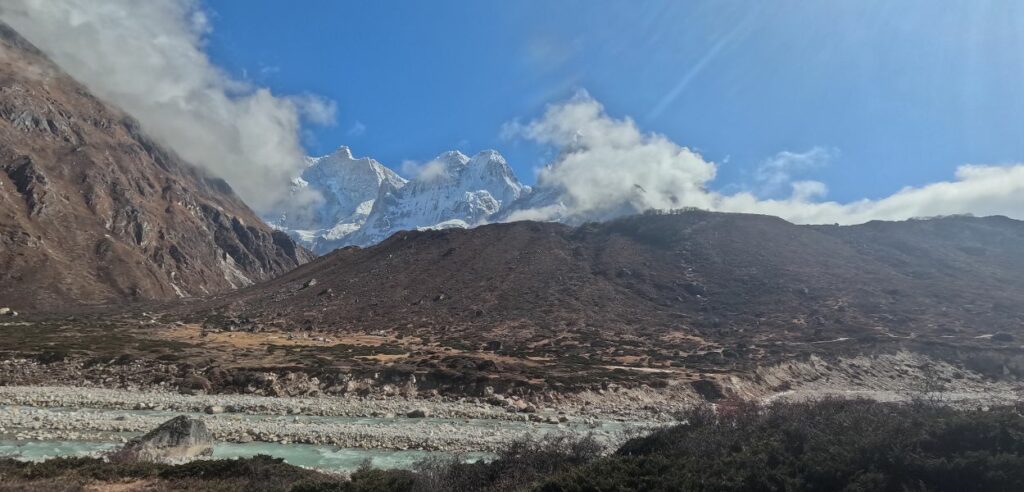
It’s important to follow certain rules before and during your Kanchenjunga trek to ensure your safety and protect the environment. You’ll have a more rewarding and responsible trekking experience by respecting them.
- No solo trekking: The Government of Nepal strictly prohibits solo trekking in Kanchenjunga. You must have a licensed guide with you.
- Group size: The minimum group size is three ( 2 trekkers + 1 guide).
- Stick to Marked Trails: For your safety and to protect the environment, stay on designated trekking routes and avoid leading off-trail.
- Trek During Safe Hours: Trekking in remote areas after dark can be dangerous, and the risk of getting lost is high. So, plan your trek so that you reach your daily destination before nightfall.
- Choose Licensed Agencies and Guides: To guarantee safety, appropriate direction, and following guidelines, always reserve your trip with a registered trekking agency and a qualified guide.
- Follow Conservation Area Guidelines: Respect animals by avoiding actions that might disturb the natural habitat and by maintaining a safe distance.
- Protect Flora and Fauna: Avoid picking flowers, collecting plants, or feeding animals, as these actions can disrupt the delicate ecosystem.
Smart Packing for Kanchenjunga Trek: Travel Lighter, Trek Better
Securing the necessary Restricted Area Permit (RAP) and the Kanchenjunga Conservation Area Project (KCAP) is just the first step. To ensure a safe and enjoyable trek to Kanchenjunga, proper preparation is needed. A good packing list is crucial for the varying conditions you’ll encounter on the trek.
- Weatherproof Shell: Jacket and pants for unpredictable mountain weather.
- Layered Warmth: Base, mid, and outer layers for adaptable comfort.
- Snacks: High-energy snacks to fuel the body for the trek.
- Water bottles: With purification tablets or filters for safe drinking water.
- Backpack: 50- 70L with rain cover for carrying essentials.
- Sleeping Bag: High-quality sleeping bags for warmth during cold nights.
- Trekking Footwear: Sturdy, waterproof hiking boots that are comfortable.
- Sun Protection: Sunscreen, sunglasses, and a hat that protects you from sun rays.
- First-Aid Box: Comprehensive kit including altitude sickness medication for medical emergencies.
- Gloves (Warm and Waterproof): Essential for cold and potentially wet conditions.
We’ve compiled a detailed packing list for Kanchenjunga, covering everything from essential clothing to safety gear. Check it out here: Prepare for Your Kanchenjunga Trek: Complete Packing List
FAQ
What permits do I need for the Kanchenjunga Trek?
You need two permits: the Restricted Area Permit (RAP) and the Kanchenjunga Conservation Area Project (KCAP) Permit.
Is a TIMS Card Required for the Kanchenjunga Trek?
Unlike other trekking regions in Nepal, a TIMS (Trekkers’ Information Management System) card is NOT required for the Kanchenjunga trek.
How much does the Kanchenjunga trek cost?
It will cost around $2,000 to $3,000. But you can customize it with Mountain Routes. We guarantee to provide the best services at an affordable cost.





 Chat on WhatsApp