How to Handle Altitude Sickness During a Nepal Trek?
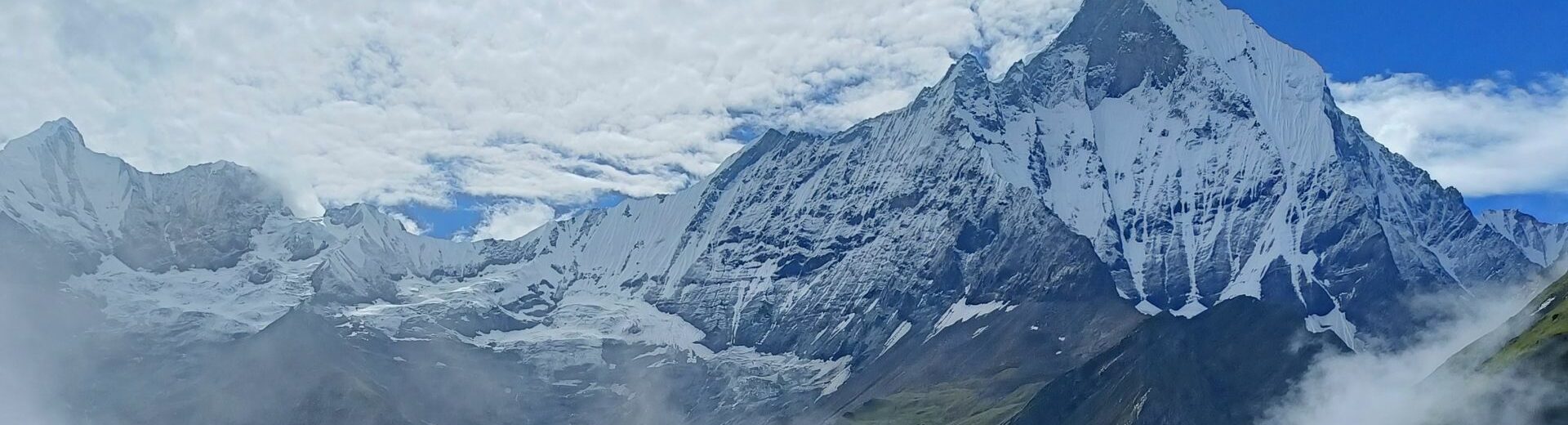
Nepal is home to multiple mountains, including the world-famous Everest and seven other peaks above 8,000 meters. The country is a dream destination for trekkers, offering routes that pass through snow-covered passes, deep valleys, and remote Himalayan villages. Popular trekking destinations like Everest Base Camp, Annapurna Circuit, Manaslu, and Upper Mustang are not only rich in natural beauty but also culturally rewarding.
However, these regions are located at high altitudes, often above 4,000 to 5,000 meters. At such elevations, oxygen levels drop, making it harder for the body to adjust. Without proper preparation, trekkers are at risk of developing altitude sickness symptoms while trekking, such as headaches, nausea, and shortness of breath.
Altitude Sickness on Nepal Treks
Trekking in Nepal often takes you to elevations where oxygen levels drop, and the body begins to feel the strain. While the views are breathtaking, so is the risk of altitude sickness if you aren’t prepared. Altitude-related illnesses can affect anyone, regardless of fitness or experience. To stay safe, it’s essential to recognize the causes, understand the symptoms, and learn how to handle altitude sickness during the Nepal trek. Let’s begin by understanding what causes AMS and why it’s a serious concern in high-altitude regions.
What Causes AMS (Acute Mountain Sickness)?
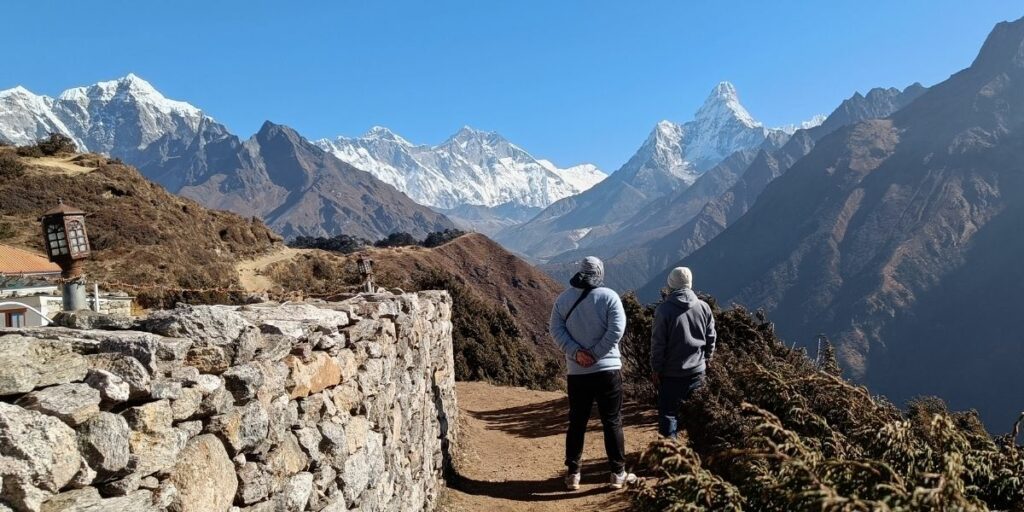
Acute Mountain Sickness (AMS) happens when your body struggles to adjust to lower oxygen at high altitudes. Here are the leading causes:
- Rapid Ascent: Climbing too high, too quickly without allowing time to adjust.
- Lack of Acclimatization: Skipping rest days disrupts your body’s natural adaptation process.
- Overexertion: Trekking too fast or carrying heavy loads strains the body.
- Dehydration: Not drinking enough water slows oxygen delivery to your muscles and brain.
- Alcohol and Smoking: These reduce oxygen absorption and increase the risk of AMS.
Key Symptoms: Headache, Nausea, Fatigue, and Dizziness
The first sign of AMS is usually a persistent headache that doesn’t improve with rest or water. It often feels like pressure around your forehead or temples. Nausea follows soon after, making it hard to eat or enjoy your meals. As oxygen levels drop, fatigue sets in, making even simple steps feel exhausting. You may also feel lightheaded or dizzy, especially when standing up or moving quickly. Recognizing these altitude sickness symptoms while trekking can help you respond early and avoid serious complications.
Why Nepal Treks Are High-Risk for AMS?
Nepal’s trekking routes often climb quickly through steep trails and changing altitudes. Treks like the Annapurna Circuit or Manaslu Cross can take you above 4,000 meters within just a few days. While these areas are stunning, the rapid altitude gain poses real health risks for trekking in the Nepal Himalayas. Some trails offer limited access to medical help, making early prevention even more crucial.
Without proper acclimatization days in the Annapurna Circuit or Everest, the chances of AMS increase sharply. That’s why dealing with AMS during treks requires smart planning, a slow pace, and guided support.
Where Trekkers Commonly Experience AMS in Nepal
Altitude sickness can strike anywhere above 2,500 meters, but some trekking regions in Nepal are more prone to it than others. These areas often involve rapid elevation gains, limited acclimatization time, and thin air. Trekkers need to stay alert and follow proper acclimatization tips in Nepal to avoid serious health risks. Let’s dive into where altitude sickness is most common and why.
Elevation Thresholds to Watch (2,500m and Above)
Most trekkers begin to feel the effects of altitude sickness after reaching elevations above 2,500 meters. This is the point where oxygen levels start dropping, affecting breathing and physical performance. Treks that go beyond 3,000 or 4,000 meters without enough acclimatization days can quickly become dangerous. That’s why following a trekking itinerary with rest days is key for a safe trekking altitude in Nepal.
Trek Routes with Higher Risk Zones
Some of the routes in Nepal have a higher risk of AMS due to steep ascents and high sleeping altitudes. Let’s look at the key trekking destinations where extra caution is needed.
Everest Base Camp (5,364m)
Everest Base Camp is one of Nepal’s most iconic treks, but it comes with serious altitude-related challenges. The trail reaches 5,364 meters, where the oxygen is nearly 50% lower than at sea level. Trekkers often experience headaches and breathlessness above Namche Bazaar (3,440m). In Everest, altitude sickness prevention is very essential because rach year, multiple cases of altitude-related rescue are reported here, and unfortunately, some even result in fatalities, estimated at around 3–5 deaths annually due to AMS and other health issues. Altitude sickness prevention on the Everest Base Camp trek is essential.
Annapurna Circuit (5,416m)
The Annapurna Circuit is known for its diverse landscapes and the high Thorong La Pass at 5,416 meters. Many trekkers suffer AMS symptoms near Manang (3,540m) and Thorong Phedi (4,540m). Without acclimatization days in the Annapurna Circuit, the steep gain before Thorong La can be overwhelming. Over the years, several trekkers have died while crossing the pass, especially during bad weather. Following proper trekking safety tips at high elevations is critical on this route.
Manaslu, Langtang, and Gokyo (Above 4,500m)
Manaslu Circuit reaches up to 5,160 meters at Larke Pass, while Langtang Valley and Gokyo Ri both rise above 4,500 meters. These trails pass through remote areas with fewer rescue facilities. Trekkers have lost their lives here due to AMS, mainly because they underestimated the symptoms or skipped rest days. Manaslu, in particular, is challenging due to its isolation and limited medical help. Dealing with AMS during treks in these regions requires planning and awareness of emergency evacuation options in Nepal.
Planning a high-altitude trek? Choose routes with safe acclimatization built in.
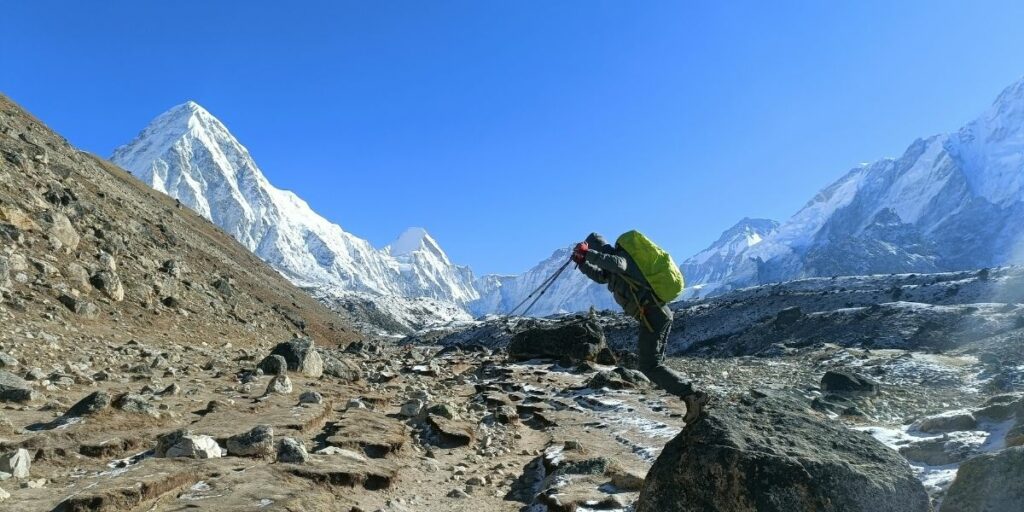
Altitude sickness can affect anyone, whether you’re a first-time trekker or a seasoned hiker. The key to avoiding serious health issues is proper planning and pacing. At Mountain Routes, we understand how to handle altitude sickness during the Nepal trek and design every itinerary with your safety in mind.
Our treks include well-placed acclimatization days, expert guides, and backup plans for emergencies. Whether you’re heading to Everest Base Camp, Annapurna, or off-the-beaten-path trails like Manaslu and Langtang, we help you trek smarter, not harder. From elevation gain strategies to first aid support, we take care of the details so you can focus on the adventure.
How to Prevent Altitude Sickness During Your Trek
Just because you are physically strong doesn’t mean you can prevent altitude sickness. Most cases of AMS occur due to avoidable mistakes like skipping rest days or moving too fast. By following key altitude trekking safety tips and knowing how to acclimatize for Nepal treks, you significantly reduce the health risks of trekking in the Nepal Himalayas. Let’s explore the most important strategies that every trekker should follow.
Follow the Golden Rule: Climb High, Sleep Low
One of the most effective ways to prevent altitude sickness in Nepal is to follow the “climb high, sleep low” rule. This means you can hike to a higher elevation during the day, but you should descend to sleep at a lower altitude. It helps your body adapt slowly and safely. If you ignore this principle and gain altitude too quickly, you risk experiencing altitude sickness symptoms while trekking, like headache, nausea, or dizziness. Following this rule is a key part of any high-altitude trekking safety guide, especially on routes like Everest Base Camp or Manaslu.
Importance of Acclimatization Days
Rest days are not wasted time; they are vital for survival at high elevations. These acclimatization days help your body adjust to lower oxygen levels and are essential in your trekking itinerary with rest days. Without them, you might develop early signs of high altitude sickness such as fatigue, shortness of breath, or confusion.
Skipping these days increases the chances of dealing with AMS during treks and may lead to serious emergencies. That’s why acclimatization tips in Nepal always emphasize the need for scheduled rest days in places like Namche Bazaar or Manang.
Stay Hydrated and Well-Nourished
Drinking plenty of water and eating balanced meals are essential for safe trekking at altitudes in Nepal. Hydration helps your body circulate oxygen more efficiently, while food provides the energy needed to adjust. If you neglect hydration, you may feel lightheaded or experience severe fatigue and early altitude sickness symptoms while trekking. Poor nutrition also weakens your body’s response to altitude and reduces your stamina. These simple steps can be more effective than even the best medication for AMS in Nepal when followed consistently.
Avoid Overexertion and Alcohol
When trekking at a high elevation, going too fast or consuming alcohol can seriously harm your chances of acclimatizing. Overexertion puts stress on your lungs and heart, while alcohol slows oxygen absorption and dehydrates your body. This combination is risky and increases the likelihood of dealing with dizziness and headaches during the trek. In worst cases, it may lead to emergency evacuation options in Nepal due to severe AMS. Avoiding both is one of the most practical trekking safety tips at high elevations and should be part of every trekker’s plan.
Medications and Gear to Manage AMS
Being prepared with the proper medication and gear is just as crucial as your trekking boots. While proper pacing and acclimatization are the best defences, you should also know how to treat altitude sickness symptoms while trekking. From using the best medication for AMS to packing the right tools, this section covers what every trekker needs to stay safe. Whether you’re trekking in the Everest region or crossing Thorong La, your equipment can make the difference between a safe journey and a risky emergency.
Using Diamox and Other Prescribed Preventatives
Diamox (Acetazolamide) is widely considered the best medication for AMS while travelling in Nepal. It helps your body adjust to altitude faster by reducing fluid buildup in the lungs and brain. Doctors usually recommend starting Diamox a day before crossing 3,000 meters and continuing it throughout the ascent. However, it’s not a cure-all; it should only support other altitude sicknesses first aid in Nepal, not replace rest and acclimatization.
Other medications like Dexamethasone or Nifedipine may be used in more serious cases, but only under medical supervision. Relying solely on drugs without acclimatization tips in Nepal can worsen the situation. Always consult a doctor before your trek and carry only prescribed doses. These preventatives are especially useful when dealing with AMS during treks where a safe trekking altitude in Nepal can’t always be maintained due to route constraints.
What to Pack for Altitude Readiness
Your gear plays a crucial role in your safety and recovery at high altitudes. A good packing list helps prevent altitude sickness in Nepal and supports your body’s adaptation to remote and cold conditions. Some of the essentials are:
Pulse Oximeter
A pulse oximeter is a small device that tracks your blood oxygen level and heart rate. At high altitudes, it helps identify early signs of high-altitude sickness before they become dangerous. This tool is handy on long treks where altitude sickness symptoms while trekking may develop gradually. Checking your readings daily allows you to decide when to rest, descend, or seek help, making it an essential part of any high-altitude trekking safety guide.
Sleeping Bag Rated to -10°C

Cold weather makes altitude sickness worse by putting extra strain on your body. A high-quality sleeping bag rated at -10°C ensures proper warmth during freezing nights in places like Gorakshep or Thorong Phedi. Without it, your body will struggle to recover, increasing the risk of dealing with dizziness and headaches during the trek. Warm, restful sleep supports acclimatization and keeps your energy levels high throughout the journey.
First-Aid and Hydration Gear
The first aid of Altitude sickness Nepal essentials include pain relievers, Diamox, rehydration salts, and a compact medical kit. Also carry water bottles, purification tablets, and electrolyte powders to maintain hydration, a critical way to prevent altitude sickness, Nepal-wide. These items help manage altitude sickness symptoms while trekking, especially when emergency evacuation options in Nepal are limited or delayed. With the proper medication and gear, you can safely follow your trekking itinerary with rest days and enjoy the beauty of Nepal’s Himalayas. Proper planning ensures that the health risks of trekking in the Nepal Himalayas never catch you off guard.
What to Do If You Develop Symptoms
Recognizing and responding to altitude sickness symptoms while trekking can make the difference between recovery and a medical emergency. Many trekkers try to push through discomfort, but this can be dangerous. If you feel unwell, act immediately; don’t wait for the symptoms to worsen. Knowing how to handle altitude sickness during the Nepal trek requires understanding your body and respecting its limits. Here’s what to do when signs of high altitude sickness appear.
Immediate Response Steps
If you experience symptoms like headache, nausea, dizziness, or fatigue at high altitudes, stop and rest immediately. Some of the immediate responses to these symptoms are:
- Stop ascending immediately if you feel signs of high altitude sickness like headache, nausea, dizziness, or fatigue.
- Rest and rehydrate with clean water; dehydration worsens AMS symptoms and delays recovery.
- Avoid alcohol and caffeine, as they dehydrate your body and interfere with oxygen absorption.
- Eat light, energy-rich food to help your body function better at altitude.
- Take Diamox or other prescribed medication if your doctor has advised it as part of your altitude sickness first aid Nepal kit.
- Monitor oxygen levels with a pulse oximeter; if it drops below 80%, you may need to descend.
- Wait at least 24 hours at the same altitude to observe if symptoms improve before considering further ascent.
When to Descend and Seek Help
Even after taking necessary precautions and you still don’t feel good
- Descend at least 500 meters if symptoms do not improve or start to worsen after rest.
- Do not wait too long; delaying descent can turn mild AMS into life-threatening conditions like HAPE or HACE.
- Watch for severe signs such as confusion, trouble walking, chest pain, or bluish lips; these require urgent action.
- Inform your guide or team about your condition immediately and stick together during the descent.
- Follow the acclimatization tips Nepal treks recommend, especially when crossing elevations like Thorong La or Gokyo Ri.
- Put your safety first; rescheduling or shortening the trek is always better than risking your life.
Access to Emergency Rescue Services in Nepal
- Helicopter evacuation is available in popular trekking areas like Everest Base Camp, Annapurna Circuit, and Langtang.
- Always carry insurance that covers emergency evacuation options Nepal offers at high altitudes.
- Keep emergency contact details handy, along with your passport and insurance number.
- Local guides and porters are often trained to respond quickly in AMS cases, and listen to their advice.
- Trek with a reliable agency that includes emergency planning in their high-altitude trekking safety guide.
- Know the nearest medical outposts, such as in Pheriche, Manang, or Kyanjin Gompa, in case immediate help is needed.
Safe Itinerary Planning for High Altitude Treks
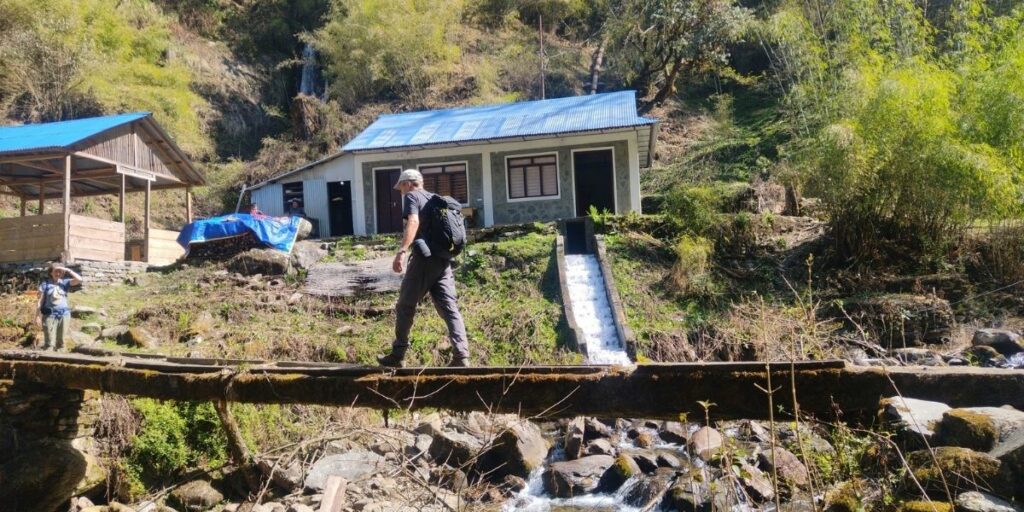
Planning a high-altitude trek in Nepal is all about protecting your health every step of the way. A well-designed trekking itinerary with rest days helps prevent altitude sickness in Nepal by giving your body time to adjust. Rushing through elevations may save days, but it increases the risk of dealing with AMS during treks. That’s why every successful journey starts with a smart and safe itinerary.
Sample Itinerary with Proper Acclimatization
A good example is the Everest Base Camp trek, which is typically 12–14 days long. Most trekkers begin from Lukla (2,860m) and reach Namche Bazaar (3,440m) on Day 2. On Day 3, they spend a full acclimatization day in Namche to allow their bodies to adjust to the thinner air. This pause reduces the chance of altitude sickness symptoms while trekking.
Further acclimatization is often scheduled in Dingboche (4,410m) before heading toward higher camps. Treks like the Annapurna Circuit also include a rest in Manang (3,540m), a crucial stop before crossing the high Thorong La Pass (5,416m). These planned breaks are not just relaxing; they’re life-saving. Such a trekking itinerary with rest days supports safe trekking altitudes in Nepal and minimizes the health risks of trekking in the Nepal Himalayas.
Choosing the Right Trek for Your Experience Level
Not all treks are suitable for every trekker. If you’re new to high-altitude hiking, it’s better to start with shorter and lower-elevation treks like Ghorepani Poon Hill or Langtang Valley. These routes still offer stunning views but involve fewer altitude risks. Trekkers with moderate experience can consider Everest Base Camp or Annapurna Base Camp, where acclimatization tips in Nepal are widely followed.
On the other hand, remote and physically demanding treks like the Manaslu Circuit or Upper Dolpo are better suited for experienced hikers who understand how to acclimatize for Nepal treks. Choosing a route that matches your fitness and experience level reduces the chances of dealing with dizziness and headache during the trek and the need for emergency evacuation options in Nepal. A wise choice not only improves your safety but also makes the journey more enjoyable.
FAQs
Can you train to avoid altitude sickness?
Physical training improves your strength and endurance, but it does not prevent altitude sickness. AMS depends on how well your body adapts to lower oxygen levels, not your fitness level. However, regular cardio training and hiking with a backpack can help you manage physical strain during the trek. The real prevention lies in proper acclimatization, hydration, and following safe trekking altitude practices.
How fast should I ascend in the Himalayas?
Experts recommend gaining no more than 300 to 500 meters per day once you cross 2,500 meters. You should also include a rest or acclimatization day after every 1,000-meter gain. Rushing your ascent increases the risk of dealing with AMS during treks. Stick to a well-paced trekking itinerary with rest days to avoid severe altitude sickness symptoms while trekking.
Is AMS common on short treks?
Yes, AMS can still occur on short treks if the elevation gain is steep and quick. Treks like Langtang Valley or Mardi Himal can cause symptoms if you ascend too fast. Even if the trek is just a few days long, altitude sickness first aid Nepal tips still apply. Always watch for early signs of high altitude sickness and take breaks when needed.
What elevation does AMS typically start?
AMS symptoms usually begin to appear above 2,500 meters. However, the risk increases significantly beyond 3,000 meters, especially without proper acclimatization tips Nepal trekkers often follow. Destinations like Namche Bazaar, Manang, or Kyanjin Gompa are common points where symptoms start. That’s why understanding how to acclimatize for Nepal treks is essential from the very beginning.
Can altitude sickness be fatal if ignored?
Yes, altitude sickness can become fatal if left untreated. Severe forms like HAPE (High Altitude Pulmonary Edema) or HACE (High Altitude Cerebral Edema) can cause unconsciousness or death. Early symptoms such as dizziness, confusion, and inability to walk should never be ignored. Knowing the emergency evacuation options Nepal provides is vital in high-risk zones. Always act early and descend if symptoms worsen.





 Chat on WhatsApp