Altitude Sickness on Manaslu Circuit Trek – Prevention and Treatment
In the beautiful Gorkha region of Nepal, the Manaslu Circuit Trek is an adventurous trekking route that explores subtropical valleys and arid plateaus.
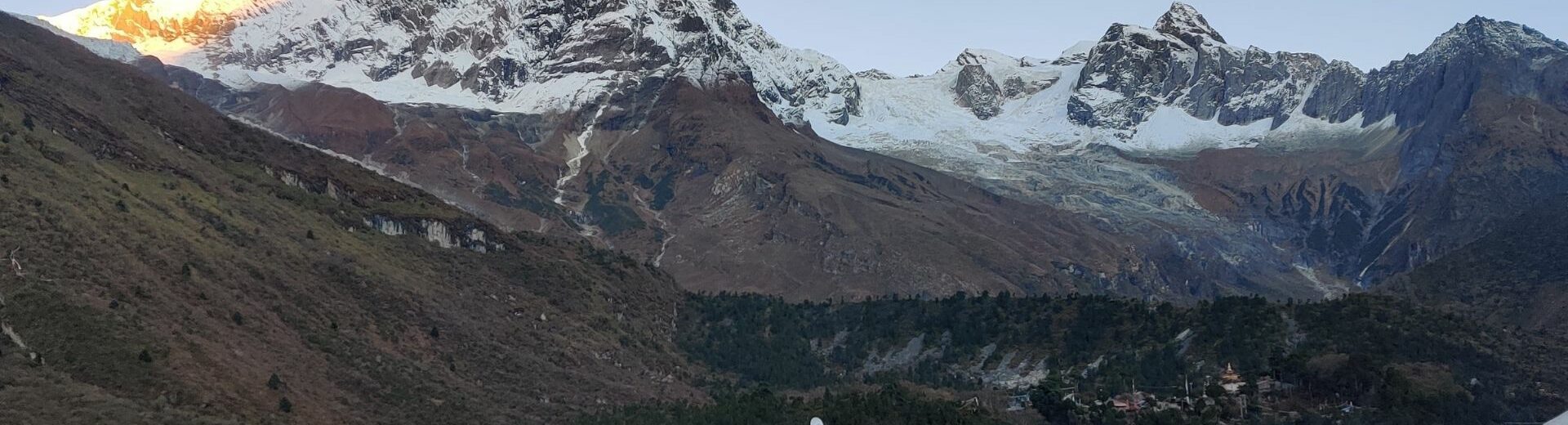
On this multi-day trek, trekkers hike to the base camp of the eighth-tallest mountain on Earth, Mt. Manaslu, and cross a 5,000-meter-high mountain pass called Larkya La Pass.
The trail is spread over varying elevations, which makes the journey incredibly immersive, scenic, and culturally rich. You will start trekking from 700 meters (2,296 ft) and ascend to 5,106 m (16,752 ft) in around 10 to 12 days.
This rapid ascent in just a few days hit hard on many trekkers’ bodies, so they end up suffering from altitude sickness during the trek.
In this blog, we have talked about altitude sickness, what it is, why it happens, what the symptoms are, how to treat it, and how to prevent it.
Not only that, we have also shared many insider tips throughout the content, so we advise you not to be lazy and give the blog a full read.
For a successful Manaslu Circuit trek, previous high-altitude experience, a well-tested Manaslu Circuit trek itinerary, and an understanding of altitude sickness are a must!
What is altitude sickness, and why does it happen?
Altitude sickness happens during high-altitude journeys like the Manaslu Circuit trek because trekkers are not used to the weather, climate, and low oxygen levels at high elevations.
Altitude sickness can happen to anyone. Your age and fitness don’t matter. However, if you have previous high-altitude experience, it can help you adjust to high elevation during the Manaslu Circuit trek and avoid altitude sickness.
We highly recommend that trekkers not underestimate altitude sickness. If it escalates, it can lead to severe forms of altitude sickness that are fatal.
Basically, altitude sickness happens because of low oxygen levels at high altitudes. Once you ascend above 2,500 meters, the altitude sickness rise.
Above 2,500 meters, the air is thin, and the oxygen level starts to deplete. It takes your body 24 to 72 hours to adjust to a rapid altitude gain. So, we take acclimatization breaks in between the trek.
Altitude sickness awareness will help you identify its symptoms early and avoid its severe form. If taken care of early, you can treat altitude sickness and continue the journey.
We have curated this altitude sickness blog to increase your Manaslu Circuit trek success rate. Likewise, the information in this blog will also make your trip pleasant and help you during other treks in Nepal.
Why does learning about altitude sickness matter?
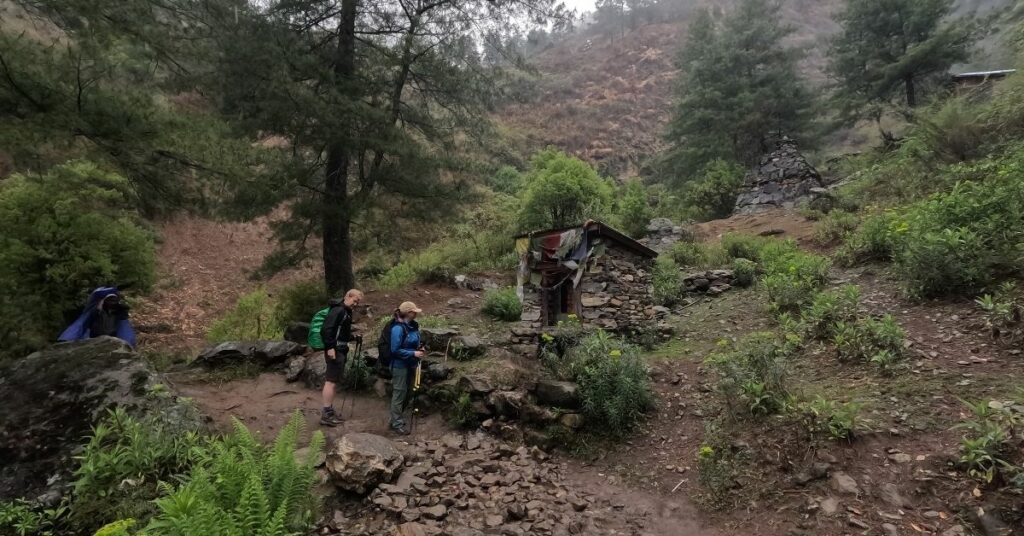
It ensures your safety and enjoyment. Likewise, you will feel confident and will not panic during unseen events.
Altitude sickness happens during the Manaslu Circuit trek for the following reasons:
- Low oxygen level: Altitude sickness is your body’s reaction to low oxygen levels at high elevations. The low oxygen level leads to hypoxia (oxygen deficiency in tissues). Because of that, your body has to work harder, and it leads to exhaustion and breathlessness.
- 2,500 meters threshold: 2,500 meters (8,202 ft) is the threshold. Above this elevation, you will start to feel uneasy. Therefore, hiking slowly and acclimatization is crucial.
- Rapid altitude gain: Quick elevation gain stands at the forefront of altitude sickness. A standard per day gain in elevation to avoid altitude sickness is 500 meters. So, make sure to maintain it.
- Limited facilities: The limited facilities during the Manaslu Circuit trek also play a role in altitude sickness. There is no medical infrastructure or roads. Likewise, scarce service puts additional stress on you. Therefore, you have to understand what it is like during the Manaslu Circuit trek and set your expectations accordingly.
- Unpredictable weather and varying environment: Unpredictable weather, cold climate, and changing environment may also cause or make you prone to altitude sickness. You have to be physically and mentally ready to get used to varying temperatures and environments.
- Trek difficulty: The offbeat Manaslu Circuit terrain is another factor that can lead to altitude sickness. Walking on steep, rugged terrain requires more effort and energy. If you do not maintain your pace, you will get tired easily and can suffer from extreme exhaustion, which may cause altitude sickness.
- Dehydration and diet: Dehydration and not enough diet may also cause altitude sickness.
Types of altitude sickness
There are three types of altitude sickness: acute mountain sickness (AMS), high altitude pulmonary edema (HAPE), and high altitude cerebral edema (HACE). The types are based on their severity.
AMS is the early sign of altitude sickness and the least severe form. In comparison, HACE is the most severe form, where brain tissues swell. We have shared in detail about all three forms of altitude sickness below:
Acute Mountain Sickness (AMS):
- Description: It is common among trekkers and not a severe form.
- Cause: Rapid ascent with acclimatization.
- Symptoms: Headache, insomnia, dizziness, nausea/vomiting, difficulty breathing, loss of appetite, etc.
- Onset: Usually, 6 to 24 hours of advancing above 2,500 meters.
- Risk level: Manageable with proper rest, first aid, and descent. It can progress to severe forms if ignored.
High Altitude Pulmonary Edema (HAPE):
- Description: Progressed form of AMS. It is a dangerous condition.
- Cause: Fluid leaks into the lung air sacs, which impairs oxygen exchange.
- Symptoms: Frothy/pink sputum, cough, extreme shortness of breath, blue-tinged skin (cyanosis), and chest tightness.
- Onset: Usually, 2 to 4 days of advancing above 2,500 meters.
- Risk level: Immediate medical attention or emergency descent is required. It is a fatal condition.
High Altitude Cerebral Edema (HACE)
- Description: HACE is the most critical form of altitude sickness.
- Cause: It is caused by swollen brain tissue due to fluid leakage from blood vessels.
- Symptoms: Severe headache uncontrollable by medication, hallucinations, confusion, and loss of coordination.
- Onset: Rapid gain in altitude above 4,000 meters.
- Risk level: Immediate descent with medical assistance is required. It can lead to unconsciousness or coma if untreated. Fatal within 24 hours.
A quick overview of different types of altitude sickness for clarity
| Type | Severity | Risks | Action |
| AMS | Mild/moderate | Discomfort and potential progression | Monitor, first aid, rest, and descent |
| HAPE | Life-threatening | Oxygen deprivation and fluid leak into the lungs | Emergency descent is required |
| HACE | Immediately fatal | Brain damage | Act ASAP |
Do trekkers suffer from a severe form of altitude sickness during the Manaslu Circuit trek?
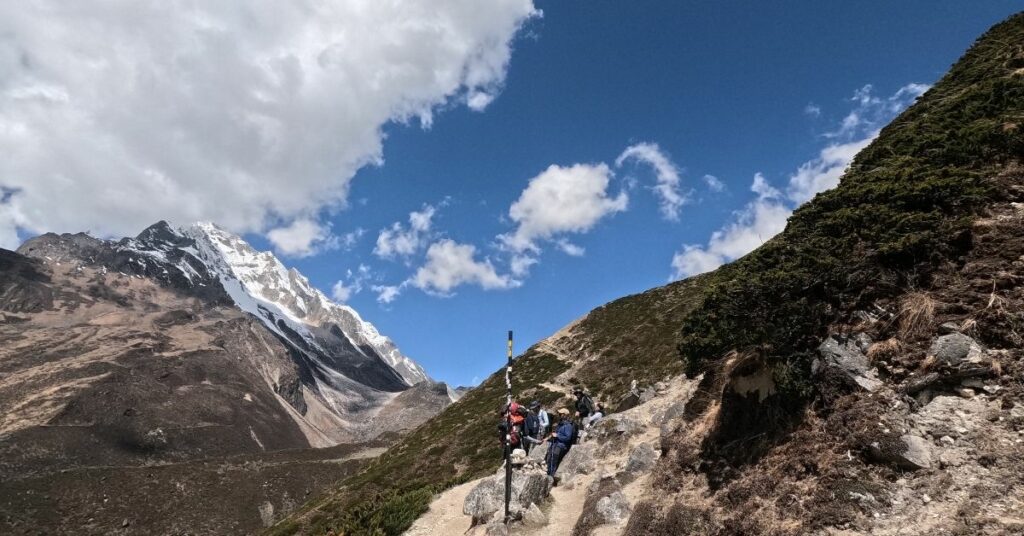
Suffering from HAPE and HACE during the Manaslu Circuit trek is not common. Usually, we take care of the symptoms as soon as they show. Our mountain guides are trained to identify and provide first aid to trekkers for altitude sickness.
If the trekker requires medical assistance beyond first aid, we immediately evacuate them to a hospital in Kathmandu in a helicopter. So, the progression of altitude sickness to HAPE or HACE during the Manaslu Circuit trek is rare.
Symptoms of altitude sickness
The early symptoms of altitude sickness are mild discomforts like headache, nausea, dizziness, insomnia, etc. However, in the case of HAPE and HACE, the symptoms can get severe and life-threatening.
It is crucial that you recognize the symptoms early and receive first aid. Below, you can learn in detail about the symptoms of altitude sickness:
- Headache: It happens because of reduced oxygen levels at high altitudes.
- Nausea and dizziness: You may feel like vomiting and lightheaded. Oxygen deprivation also affects your digestion. Vomiting is a sign that you shouldn’t ascend further.
- Fatigue: Low oxygen levels and walking on rugged terrain lead to exhaustion even with little effort. Even if you walk slowly, your muscles will get extremely tired and sore. So, post-trek stretch and rest are a must.
- Shortness of breath: High altitude can lead to shortness of breath. Therefore, we recommend trekkers to maintain their pace and take frequent short breaks to catch their breath.
- Loss of appetite and trouble sleeping (insomnia): High altitude affects sleep cycles and metabolism. Warm soups and ginger-honey teas will be quite helpful.
What if you see the above symptoms?
✔ Inform your guide and stop ascending until the symptoms improve.
✔ If there is no improvement in symptoms after taking first aid, descend 300 to 500 meters and rest for 24 hours.
✔ Hydrate, rest, and consider taking Diamox (a common altitude sickness medicine).
✔ Take any medicine in the knowledge of your guide. They are trained to offer altitude sickness medicine.
Symptoms of HAPE & HACE (good to know)
The symptoms of HAPE & HACE are severe, so they require immediate first aid and helicopter evacuation.
HAPE (High Altitude Pulmonary Edema)
Symptoms: You will see a persistent cough with frothy/pink spit, extreme breathlessness, chest tightness, and blue-tinged lips/fingernails.
Cause: HAPE, fluid leaks into the lung air sacs and prevents oxygen flow.
Urgent response
✔ Descend 500 to 1000 meters immediately (even at night or whatever weather condition is)
✔ Use supplemental oxygen or a Gamow bag
✔ Take nifedipine (a prescribed emergency medication)
✔ ASAP helicopter evacuation to a nearby hospital for further treatment
HACE (High Altitude Cerebral Edema)
Symptoms: Confusion/disorientation, loss of coordination, hallucinations, and unconsciousness/coma.
Cause: Vital tissues in the brain get damaged because of brain swelling.
Urgent response
✔ Descend immediately – every minute counts (even at night or whatever weather condition is)
✔ Administer dexamethasone (steroid to reduce swelling)
✔ Use supplemental oxygen or a Gamow bag
✔ ASAP helicopter evacuation to a nearby hospital for further treatment
How to treat altitude sickness on the Manaslu Circuit trek?
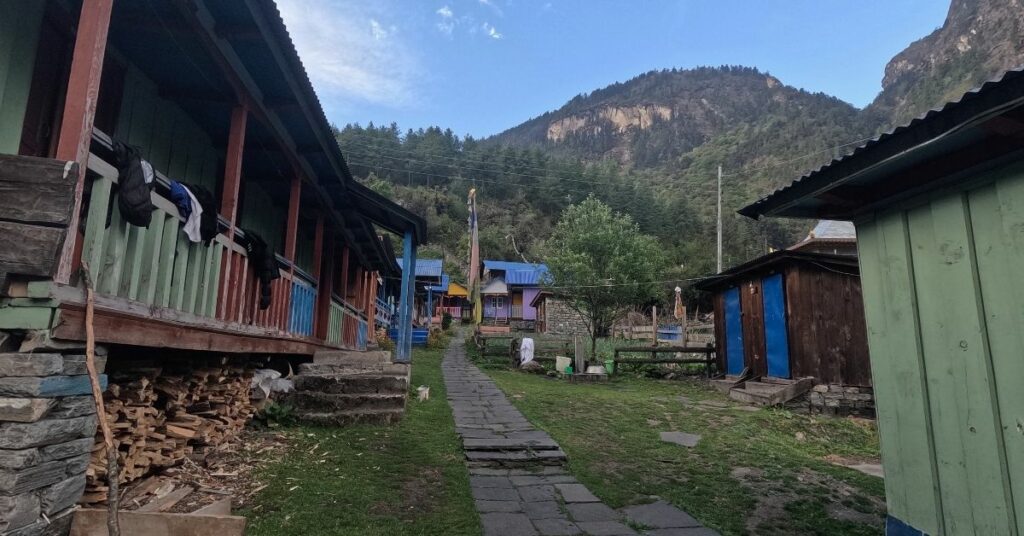
Altitude sickness can escalate quickly, so it is important that you treat it as soon as possible. On the Manaslu Circuit trek route, you will not find healthcare providers to help you with altitude sickness.
Therefore, trekking with a guide trained to offer first aid and who has extensive experience in dealing with altitude sickness is crucial.
Below are some of the things that you should do to treat altitude sickness during the Manaslu Circuit trek:
- Your first response should be to inform your guide. He will assess your condition and provide first aid accordingly.
- Stop ascending and rest at the same altitude. If you feel uneasy or sick, it is best that you descend a few hundred meters to spend the night. A 12 to 24-hour rest will help relieve symptoms of altitude sickness.
- Drink warm water, warm garlic soups, and ginger-honey teas. If you are carrying electrolytes or ORS, drink it.
- If you are having a bad headache, Ibuprofen will help you a lot. It is better than paracetamol for AMS.
- If the symptoms do not improve in 24 hours, descend 300 to 500 meters. If you see multiple symptoms, descend immediately.
- If your symptoms do not go away and you feel sick, we will air evacuate you to a hospital in Kathmandu. Make sure to buy travel insurance covering helicopter evacuation and medical bills. Otherwise, you have to incur a huge expense.
You May Also Read: How to Handle Altitude Sickness During a Nepal Trek?
How to avoid altitude sickness during the Manaslu Circuit trek?
Above, you learned the symptoms of altitude sickness and how to treat them. Now, it is time to know how to avoid altitude sickness.
All the tips that we have given below are science-backed strategies. They will help you acclimatize and avoid altitude sickness during the Manaslu Circuit trek.
Gradual ascent
Usually, a human body needs 48 to 72 hours to adapt to a major altitude gain. Ascending slowly will allow your body to adjust to high altitude as you walk.
To ensure our guests get ample opportunity to acclimatize and avoid altitude sickness during the Manaslu Circuit trek, we have added two acclimatization days to our itinerary.
You will spend the rest days in Sama Gaon and Samdo village. Not only that, but our Manaslu Circuit trek itinerary is also well-paced.
Unlike most itineraries out there, our itinerary ascends from Jagat to Pewa, Pewa to Namrung, Namrung to Lho, and Lho to Sama Gaon.
Before reaching Sama Gaon, you are more likely to be adjusted to the elevation by following our Manaslu Circuit trek itinerary.
Finally, before crossing Larkya La Pass, you will spend an acclimatization day in the Sama Gaon and Samdo villages.
*Our Manaslu Circuit trek itinerary follows the “Climb High, Sleep Low” principle.
*We have strategically planned our acclimatization days in key locations to avoid altitude sickness before crossing Larkya La Pass.
Hydration & diet
Hydration and diet are other key aspects of avoiding altitude sickness during the Manaslu Circuit trek.
A dehydrated body is much more prone to altitude sickness because dehydration thickens the blood and reduces oxygen flow. It also slows your digestion at high altitudes.
Therefore, we recommend drinking at least 3 liters of water daily during the trek. Monitor your urine color (clear = well hydrated).
Do not drink alcohol and caffeine. These substances dehydrate your body. Likewise, to walk 6 to 7 hours a day during the Manaslu Circuit trek, you will need lots of energy.
So, carb-rich food should be your priority. Combine iron-boosting dishes and other nutrients in your daily diet as well.
The Nepali staple meal, Dal Bhat, has all these nutrients and is considered a superfood during the trek. So, we highly recommend having it for lunch. In addition, have garlic soups and ginger-honey teas daily.
Medication & supplements
It is important that your first aid kit contains all the necessary medicines for the trek. We recommend packing medications for colds, stomach aches, headaches, altitude sickness, painkillers, etc.
Meet your doctor and ask him to prescribe medicine that you may need during the trek.
In addition, we also recommend packing ORS or electrolytes for the trip. It helps retain water in your body and provides a quick energy boost.
Physical preparation
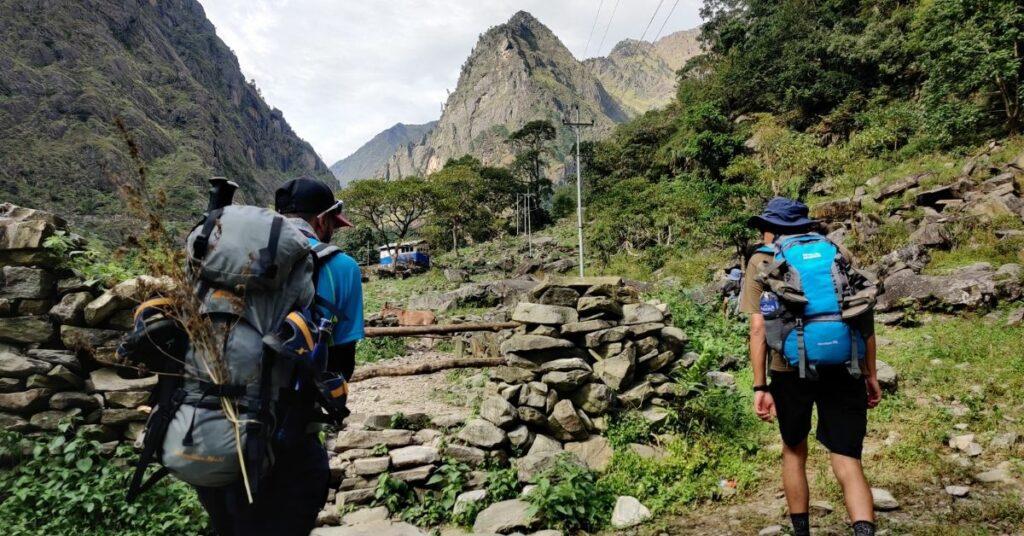
Your physical fitness directly affects altitude sickness risk during the Manaslu Circuit trek.
Trekkers who are fit feel less strain on their bodies, heart, and lungs during trekking, which ultimately lowers the risk of altitude sickness.
So, if you are physically fit, you will not get out of breath quickly and can endure the rugged terrain, changing environment, and thin air.
We recommend that trekkers planning to do the Manaslu Circuit trek assess their fitness and previous high-altitude experience.
This trek is not for beginners. Previous high-altitude/trekking experience and good fitness are a must.
Recognizing early warning signs
Altitude sickness does not happen out of nowhere. There are always early signs, and recognizing them is necessary. Listen to your body and see if you feel any pain or discomfort.
Do a self-assessment every day and score your health condition out of 10. If the score is 5 or below, inform your guide and get first aid. If the score is 6+, you are good to go.
What are the signs to look for?
It could be anything, even a small distress like body cramps, a dry cough, or feeling uneasy. Stay aware of the altitude sickness symptoms as well.
*Our guides keep track of our guests’ oxygen levels during the Manaslu Circuit trek with an Oximeter. It allows us to stay alert and provide the best care in the mountains.
Insider tips:
Strategic breathing techniques
- Pursed-lip breathing will help increase oxygen uptake and ease breathlessness. You have to inhale deeply through your nose and exhale slowly through pursed lips.
- Try to rhythm your breathing during hiking. For example, 2 steps inhale, 3 steps exhale.
Portable oxygen canisters
- You can carry portable oxygen canisters during the Manaslu Circuit trek. It will help you a lot to acclimatize.
Blood oxygen enhancers
* A 2022 study found trekkers using pulse oximeters + iron supplements had 72% fewer AMS cases versus baseline.
- Iron supplements are a great way to enhance your blood oxygen level. Start taking this supplement one month before the trek starts. Combine Vitamin C with your iron supplement to improve hemoglobin production. Consult your doctor.
Be strategic when ascending
Many trekkers do not know that air pressure is highest before noon at high altitudes.
Therefore, they will get optimal oxygen levels in the morning. If your day has a major ascent, start ascending early in the morning.
Note that oxygen density is lower after rain/snowfall (up to 5% less at 4,000m). So, if possible, avoid ascending the same day after rain/snowfall.
Psychological preparation
It is scientifically proven that the AMS risk drops by 18% if you are psychologically prepared. It included altitude anxiety management and controlling your excitement and nervousness.
Read this blog by the Harvard Medical School on altitude sickness for more information.
Things to consider before joining the Manaslu Circuit trek to lower risk of altitude sickness
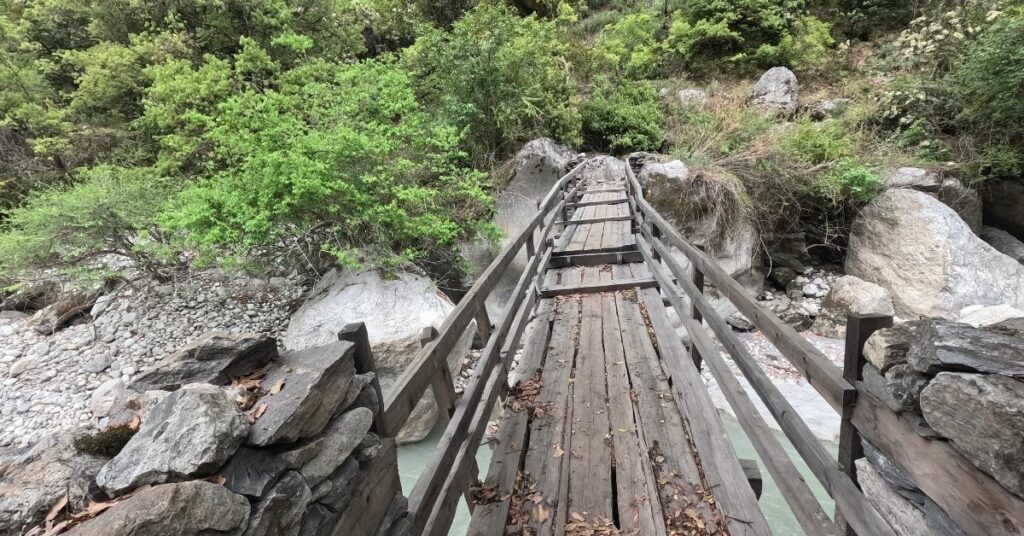
Weather, support, and services are important to altitude sickness during the Manaslu Circuit trek.
- Trek during the stable weather: Spring (March to May) and autumn (late September to November) have the best weather and mild climate conditions in the Himalayas for any trek. A mild climate makes walking pleasant, and stable weather helps avoid nuances like muddy trails, landslides, storms, etc. You will not be struggling physiologically, which indirectly lowers the risk of altitude sickness.
- Reliable, experienced guide: Once you are in the mountains, you will only have your guide and porter to help you. Moreover, in regions like Manaslu, where there is no crowd, your team is your family for the journey. So, trekking with a reliable and experienced guide who is also friendly and can communicate with you in your language is important. We, Mountain Routes, provide the best guides for the Manaslu Circuit trek.
- Service: The Manaslu Circuit trek route is not developed like Everest and Annapurna. Therefore, the services on this trek route are minimal. You will not find luxury lodges or an extensive menu. So, kindly prepare yourself mentally. What we can offer is the best Manaslu Circuit trek service. From permits to accommodation, meals, packing list, transportation, guide, porter, etc, we will help you with all these things. It will make the journey less stressful for you.
- Travel insurance with helicopter evacuation coverage: There is no road beyond Machha Khola. So, we have to walk all the way up to Larkya La Pass and descend to Tal to end the trek. In between the trek, if any emergency occurs that may need evacuation, helicopter rescue is the only option. If you have guessed, it costs a lot of money. So, we recommended that everyone who is planning to do the Manaslu Circuit trek in Nepal purchase travel insurance covering helicopter evacuation and medical bills.
Wrapping Up
Altitude sickness is inevitable on high-altitude treks like the Manaslu Circuit. However, if you are well prepared and knowledgeable about it, you can trek without any worries.
Prevention is key. So, follow our tips to avoid altitude sickness during the trek. Note that even if you follow all the guidelines, you may still see symptoms of altitude sickness.
Do not panic. Ask your guide for help. Remember our tips on how to treat altitude sickness and follow them accordingly. Stay safe, be smart, listen to your body, and trek consciously!





 Chat on WhatsApp