How to Recognize and Avoid Altitude Sickness on the EBC Trek?
The Everest Base Camp trek is a dream adventure for many people around the world. Every year, thousands of trekkers walk the mountain trails to reach the famous base camp. But there’s one big challenge that stops many people from enjoying this amazing journey – altitude sickness on the Everest Base Camp trek. Altitude sickness affects about 75% of trekkers who attempt the EBC trek. This happens because your body struggles to work properly when there’s less oxygen in the air. The good news is that you can learn to recognize the early signs and take steps to prevent altitude sickness on EBC. Common symptoms include headache, dizziness, nausea, shortness of breath, and fatigue. If you experience these symptoms, it’s important to rest, stay hydrated, and avoid climbing higher until you feel better.
To avoid altitude sickness, trek slowly, take acclimatization days (especially in Namche Bazaar and Dingboche), drink plenty of water, and avoid alcohol. Some trekkers also take Diamox to help their bodies adjust. By listening to your body and following these precautions, you can greatly reduce the risk and enjoy a safe and memorable trek to Everest Base Camp.
Information about the Elevation of Everest Base Camp?

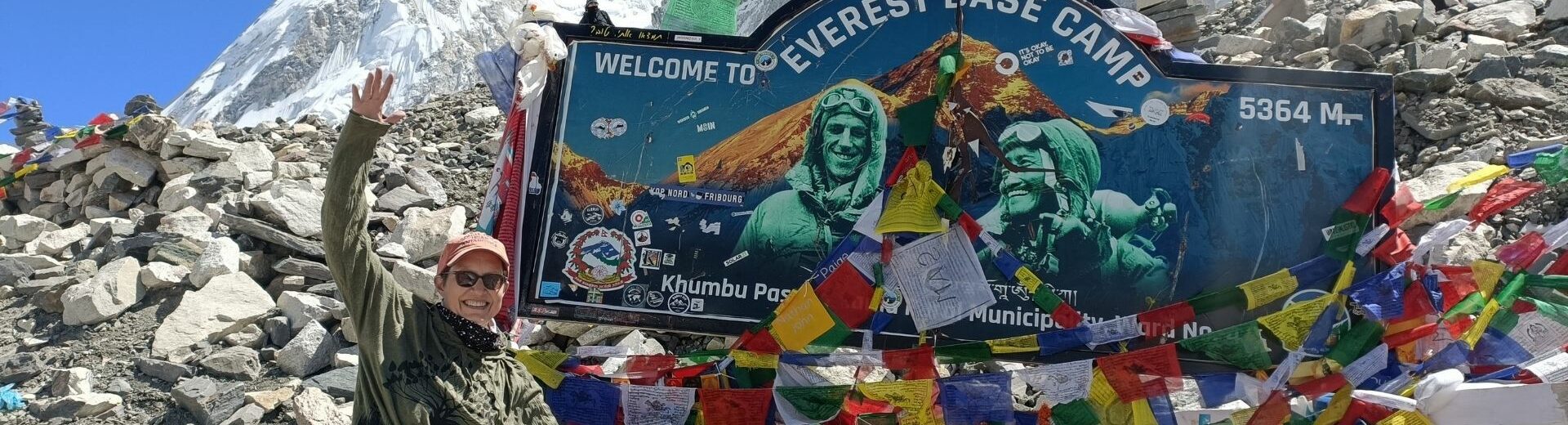
The elevation of Everest Base Camp is approximately 5,364 meters (17,598 feet) above sea level, making it one of the highest trekking destinations in the world. Understanding this elevation is the first step to preparing for altitude sickness on the Everest Base Camp trek. When you know how high you’ll be going, you can better prepare your body for the challenge ahead. The numbers are quite shocking when you first see them. Everest Base Camp sits at a massive height that’s higher than most people ever experience in their lives. Let’s break down these important facts about the elevation.
Why Everest Base Camp Height Matters for Your Body
Everest Base Camp elevation is higher than many commercial planes fly during short flights. At this Everest Base Camp height, your body faces a serious challenge. The air contains only about 50% of the oxygen you’re used to breathing at sea level. This means every breath you take gives you half the oxygen your body expects. Your heart starts working much harder to pump blood around your body. Your breathing becomes faster and deeper as your lungs try to get more oxygen.
Even simple tasks like walking or eating become more difficult at this Everest Base Camp altitude. The atmospheric pressure at this height is also much lower. This affects how your body processes fluids and can lead to swelling in your brain or lungs if you’re not careful. These changes explain why altitude sickness in Nepal is so common among trekkers.
The Altitude Journey: From Lukla to Base Camp
Your altitude journey doesn’t start at base camp – it begins the moment you land in Lukla. When you know, the gradual rise in elevation helps you prepare for altitude sickness on the EBC trek. You start your trek in Lukla at 9,383 feet (2,860 meters). This is already quite high, and some people feel the effects immediately. From here, you slowly climb higher each day, giving your body time to adjust to the thinning air.
The key stops on your way up include:
- Namche Bazaar at 11,286 feet – your first major test
- Tengboche at 12,664 feet – where many people first feel symptoms
- Dingboche at 14,468 feet – a crucial acclimatization stop
- Lobuche at 16,210 feet – your final overnight before base camp
- Everest Base Camp at 17,598 feet – your ultimate goal
Each of these stops represents a significant jump in altitude. Your body needs time to adjust at each level. This is why the standard EBC trek takes 12-14 days rather than just a few days of hiking.
Why Altitude Sickness Strikes on the Everest Base Camp Trek?
Altitude sickness on the EBC trek happens because your body can’t adapt quickly enough to the changing environment. When you climb higher, several things change around you. The air pressure drops, oxygen levels fall, and your body starts working in ways it’s not used to. These changes trigger the symptoms of altitude sickness on the Everest trek.
How Your Body Responds to High Altitude
Your body has an amazing ability to adapt to new environments, but it needs time. When you suddenly go to a high altitude, your body goes into emergency mode, trying to cope with less oxygen. Your breathing rate increases immediately. You might notice you’re breathing faster even when you’re resting. Your heart also beats faster to pump more blood around your body. This extra work makes you feel tired more quickly than usual.
Likewise, your kidneys start working differently too. They produce more urine as your body tries to balance the changes in blood chemistry. This is why you need to urinate more often at high altitude, and it’s also why staying hydrated is so important. Over time, your body makes more red blood cells to carry oxygen more efficiently. But this process takes weeks, not days. This is why preventing altitude sickness on EBC requires a slow, gradual ascent.
The Three Types of Altitude Sickness
Not all altitude sickness is the same. There are three main types, and knowing the difference can save your life during the EBC trek.
Acute Mountain Sickness (AMS)
Acute Mountain Sickness is the most common type of altitude sickness at Everest Base Camp. About 75% of trekkers experience some form of AMS during their journey. AMS symptoms include headaches, nausea, tiredness, and trouble sleeping. You might feel like you have a bad hangover even though you haven’t been drinking. Most people can continue trekking with mild AMS if they take proper precautions. The key with AMS is to recognize it early and not go higher until your symptoms improve. Many trekkers make the mistake of pushing on when they should rest and acclimatize.
High Altitude Cerebral Edema (HACE)
HACE is a life-threatening condition where fluid builds up in your brain. This is much more serious than regular AMS and requires immediate action. Signs of HACE include severe confusion, loss of coordination, and extreme fatigue. If someone can’t walk in a straight line or seems very confused, they might have HACE. This condition can kill you within hours if you don’t descend immediately. Anyone showing signs of HACE must go down to lower altitude right away. There’s no safe way to treat HACE at high altitude – descent is the only cure.
High Altitude Pulmonary Edema (HAPE)
HAPE happens when fluid builds up in your lungs. Like HACE, this is a medical emergency that can be fatal if not treated quickly. Symptoms include severe difficulty breathing, chest tightness, and a cough that might produce pink or bloody spit. People with HAPE often have blue lips and fingernails because they’re not getting enough oxygen. HAPE also requires immediate descent. Oxygen can help temporarily, but getting to lower altitude is the only real treatment. Some trekkers carry portable oxygen for emergencies, but this should never replace the need to descend.
Recognizing Altitude Sickness Symptoms on EBC
The symptoms of altitude sickness can appear quickly and should never be ignored, especially on the Everest Base Camp trek. It is essential to recognize altitude sickness symptoms is one of the most important skills for any EBC trekker. The earlier you spot the signs, the better you can manage them and continue your trek safely. Many trekkers ignore early symptoms because they want to keep going toward their goal. This is a dangerous mistake. Your body is trying to warn you about a serious problem, and you need to listen.
Mild Altitude Sickness Symptoms (AMS)
The symptoms of altitude sickness on the Everest trek usually start mild and gradually get worse if you don’t take action. Recognizing these early signs gives you the best chance to treat them successfully. The symptoms usually are:
- Headache
- Nausea and Loss of Appetite
- Unusual Fatigue
- Sleep Disturbances
- Dizziness or Lightheadedness
- Increased irritability
Severe Altitude Sickness Warning Signs (HAPE/HACE)
While mild altitude sickness can often be managed with rest and acclimatization, severe symptoms are dangerous and require immediate descent. These may signal life-threatening conditions like HACE (High Altitude Cerebral Edema) or HAPE (High Altitude Pulmonary Edema).
- Severe Confusion or Mental Changes
- Disorientation about time, place, or situation
- Inability to think clearly or respond appropriately
- May indicate HACE (brain swelling)
- Loss of Coordination
- Difficulty walking in a straight line
- Clumsiness or frequent stumbling
- A sign of impaired brain function and swelling
- Severe Breathing Difficulties
- Shortness of breath even at rest
- Rapid breathing, gasping, or gurgling sounds
- Blue lips or fingernails (lack of oxygen)
- Strong indicator of HAPE (fluid in the lungs)
- Extreme Fatigue or Lethargy
- Inability to walk or take care of oneself
- Wanting to sleep constantly or appearing unresponsive
- Can precede coma or worse
Distinguishing Altitude Sickness from Other Trek-Related Illness
Not every headache or bout of fatigue on the EBC trek is caused by altitude sickness. Trekkers often experience other common ailments such as muscle soreness, minor infections, or gastrointestinal issues. While these can be uncomfortable, they usually don’t pose the same risk as Acute Mountain Sickness (AMS), which is directly linked to altitude and reduced oxygen levels.
Dehydration, Exhaustion, and Cold Exposure Symptoms
Dehydration can cause headaches, dizziness, and fatigue. These symptoms overlap with altitude sickness. Similarly, overexertion may lead to exhaustion, muscle cramps, or shortness of breath. Exposure to cold can cause shivering, numbness, or even hypothermia. These conditions are often mistaken for AMS but have different underlying causes and treatments.
Why Proper Diagnosis Matters
The confusion of altitude sickness with other illnesses can delay the right treatment and increase the risk. While dehydration can be treated with fluids and rest, true altitude sickness may require stopping ascent or descending. Early and accurate recognition is key to preventing life-threatening conditions like HAPE or HACE and ensuring a safe trekking experience.
How to Avoid the Altitude Sickness on the Trek to Everest Base Camp?
Preventing altitude sickness on EBC is much better than trying to treat it after symptoms start. With the right preparation and trekking strategy, you can greatly reduce your risk of serious altitude problems.
The key to prevention is understanding that your body needs time to adapt. You can’t rush this process, no matter how fit or experienced you are. Even Olympic athletes can get altitude sickness if they ascend too quickly.
The Golden Rules of Acclimatization
The most important rule for preventing altitude sickness on the EBC trek is “climb high, sleep low.” This means you can hike to higher elevations during the day, but you should return to sleep at a lower altitude. Another crucial rule is to limit your sleeping elevation gain to no more than 1,600 feet (500 meters) per day once you’re above 8,200 feet (2,500 meters). This gives your body time to adjust gradually. You have to take regular rest days for acclimatization. The standard EBC 12 days itinerary includes rest days in Namche Bazaar and Dingboche specifically for this purpose. You can use these days to take short hikes to higher elevations then return to sleep at the same altitude.
One of the significant things is staying hydrated by drinking 3-4 liters of water per day. Dehydration makes altitude sickness worse and prevents your body from adapting properly. Your urine should be clear or light yellow; dark urine means you need more fluids. Avoid alcohol and sleeping pills, which can suppress your breathing and make altitude adaptation harder. These substances reduce the oxygen in your blood, making altitude sickness more likely.
Pre-Trek Preparation That Makes a Difference
Good preparation before your trek significantly improves your chances of avoiding altitude sickness on the Everest Base Camp trek. This preparation should start weeks or even months before your departure. Physical fitness helps, but it won’t prevent altitude sickness. However, being in good shape means your body is better able to cope with the extra stress of high altitude. Focus on cardiovascular exercise like running, cycling, or hiking with a backpack.
If possible, spend time at a moderate altitude before your trek. Even a weekend in the mountains at 8,000–10,000 feet can help your body start adapting. Some trekkers plan practice hikes or visit high-altitude destinations as part of learning how to prepare for EBC trek.
On-Trek Prevention Strategies
Once you start your EBC trek, your daily habits and decisions play a huge role in preventing altitude sickness. Small changes in how you trek can make a big difference in how you feel. You have to walk slowly and take frequent breaks. Many trekkers try to keep up with faster hikers or push themselves too hard. Remember, this isn’t a race – the goal is to arrive safely and enjoy the experience. Here are some of the tips for prevention:
- Eat regularly, even if you’re not hungry. Your body needs energy to adapt to altitude, and carbohydrates are especially helpful as they’re easier to digest at high elevations.
- Sleep with your head elevated to reduce headaches and improve nighttime breathing. Use extra pillows or prop up your sleeping bag if needed.
- Listen to your body and don’t ignore symptoms of altitude sickness. If you feel worse after a rest day, stay another day or descend; your safety matters more than your schedule.
- Work with experienced guides from a reputable trekking company in Nepal who provide essential local knowledge and can ensure a safer, more enjoyable trekking experience.
Medications for Altitude Sickness Prevention
Some medications can help prevent altitude sickness, but they should be used under medical supervision and never replace proper acclimatization practices. Acetazolamide (Diamox) is the most commonly used prevention medication. It helps your body adapt to altitude more quickly by improving your breathing and reducing fluid retention. Most doctors recommend starting it 1-2 days before ascending and continuing until you descend. Common side effects of Diamox include tingling in hands and feet, increased urination, and changes in taste. Carbonated drinks might taste flat while taking this medication.
Ibuprofen can help prevent altitude headaches and reduce inflammation. Some studies suggest it might also help prevent altitude sickness, but more research is needed. Also, Dexamethasone is a powerful steroid that can treat severe altitude sickness, but it’s usually reserved for emergencies. It masks symptoms rather than helping with acclimatization, so it should only be used for descent. Similarly, never rely on medication alone to prevent altitude sickness. These drugs work best when combined with proper acclimatization practices and gradual ascent.
Navigating Critical Elevation Points on the EBC Trek
The EBC trek has several critical elevation points where altitude sickness becomes more likely. When you understand these danger zones helps you prepare mentally and physically for the challenges ahead.
Each major stop on the trek represents a significant step up in altitude. Your body needs time to adjust at each level before moving higher. Rushing through these stages is the main cause of serious altitude problems.
High-Risk Altitude Zones on the EBC Route
Namche Bazaar (11,286 ft):
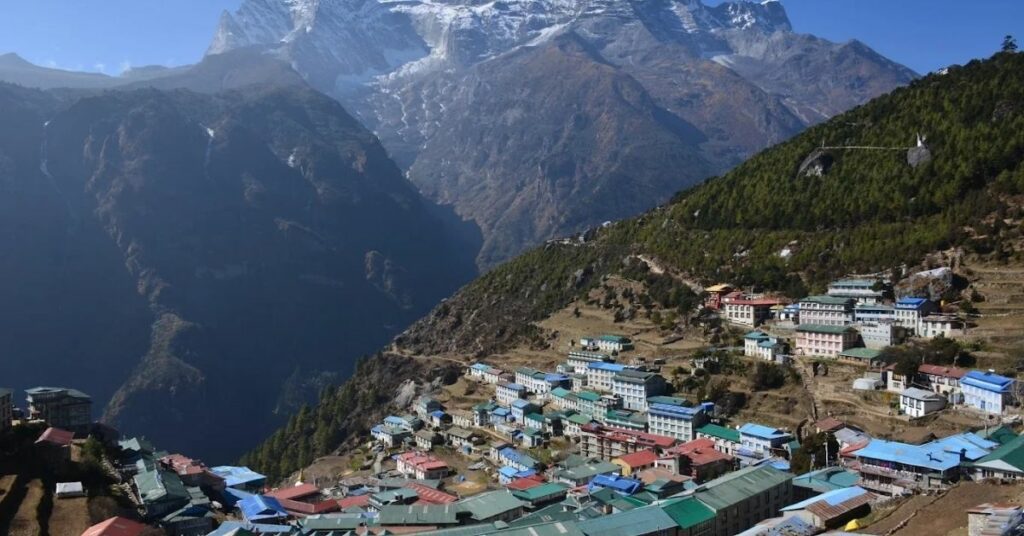
Namche is where many trekkers first feel altitude effects due to the sharp gain from Lukla. You can spend at least two nights here and take acclimatization hikes to places like the Everest View Hotel to help your body adjust.
Tengboche (12,664 ft):
Known for its monastery, Tengboche is also a common spot for headaches and nausea. It is essential to rest if you feel unwell and don’t ascend further until symptoms improve.
Dingboche (14,468 ft):
Altitude hits harder in Dingboche, making the scheduled rest day crucial. You can use it for light hikes to higher elevations like Nagarjun Hill to support acclimatization.
Lobuche (16,210 ft):
Lobuche often brings poor sleep and increased symptoms due to its height. The main focus should be at staying alert to how you’re feeling and be cautious before heading to base camp.
Everest Base Camp (17,598 ft):
At nearly 18,000 feet, oxygen is about half that of sea level. Most trekkers visit EBC during the day and descend to Gorak Shep or lower to sleep safely.
Acclimatization Hikes and Side Trips
Side trips and acclimatization hikes are essential for preventing altitude sickness on the EBC trek. These activities help your body adapt gradually while adding interesting experiences to your journey. From Namche Bazaar, the hike to Everest View Hotel offers stunning mountain views and good acclimatization. This hotel sits at 13,000 feet, giving you a taste of higher altitude before you sleep there permanently. Similarly, the EBC Panorama View Trek is an excellent option for those who want to see Everest but are concerned about altitude. This shorter trek goes to key viewpoints without reaching the extreme elevations of the base camp itself.
Likewise, from Dingboche, you can hike to Nagarjun Hill (17,358 feet) for incredible views of Island Peak, Ama Dablam, and other peaks. This hike takes you almost as high as base camp but allows you to return to sleep at 14,468 feet. These side trips serve a dual purpose – they help with acclimatization and provide backup plans if weather or altitude problems prevent you from reaching base camp. Many trekkers find these viewpoints just as rewarding as the base camp itself.
Frequently Asked Questions (FAQs)
What is the exact elevation of Everest Base Camp, and why does it cause altitude sickness?
Everest Base Camp sits at exactly 17,598 feet (5,364 meters) above sea level. At this extreme Everest Base Camp altitude, the air contains only about 50% of the oxygen available at sea level. Your body struggles to function normally with this reduced oxygen supply, leading to the symptoms of altitude sickness. The atmospheric pressure is also much lower, which affects how your blood carries oxygen and how your organs work.
How long does it take to get altitude sickness on the EBC trek?
Altitude sickness symptoms can begin 6–24 hours after reaching a new elevation. Most trekkers feel symptoms between Namche Bazaar and Tengboche, though some may react as early as Lukla, while others remain unaffected until higher altitudes. It varies based on individual sensitivity, ascent rate, and overall health.
How long does altitude sickness last on the EBC trek?
Mild altitude sickness usually improves within 1–3 days if you rest at the same elevation. Descending 1,000–2,000 feet often brings relief within 24 hours. Continuing to ascend with symptoms can worsen your condition. Severe cases need immediate descent and may take several days to fully recover.
Can you prevent altitude sickness completely on the EBC trek?
You can reduce the risk of altitude sickness by 70–80% through slow ascent, rest days, hydration, and listening to your body. Even well-prepared trekkers may feel mild symptoms, but the key is preventing serious illness.
How quickly do you need to descend if altitude sickness strikes?
If mild symptoms don’t improve after 24 hours, descend 1,000–2,000 feet and monitor. For severe symptoms like confusion or breathing issues, descend immediately; every minute counts. Most people feel better within 24–48 hours after descent.
Who is most at risk for severe altitude sickness on EBC?
Anyone can get altitude sickness, no matter their age, fitness, or experience. Risk increases with fast ascent, prior history, heart/lung issues, or being very young or elderly. High fitness doesn’t protect you; athletes may be more vulnerable.
What should you do if your trekking partner shows signs of altitude sickness?
Never leave someone with altitude sickness alone, especially at night. If symptoms worsen or include confusion, poor coordination, or breathing issues, descend immediately and seek help; it’s a medical emergency. Mild, stable cases can rest for 24 hours, but monitor closely and ensure hydration and support.





 Chat on WhatsApp