
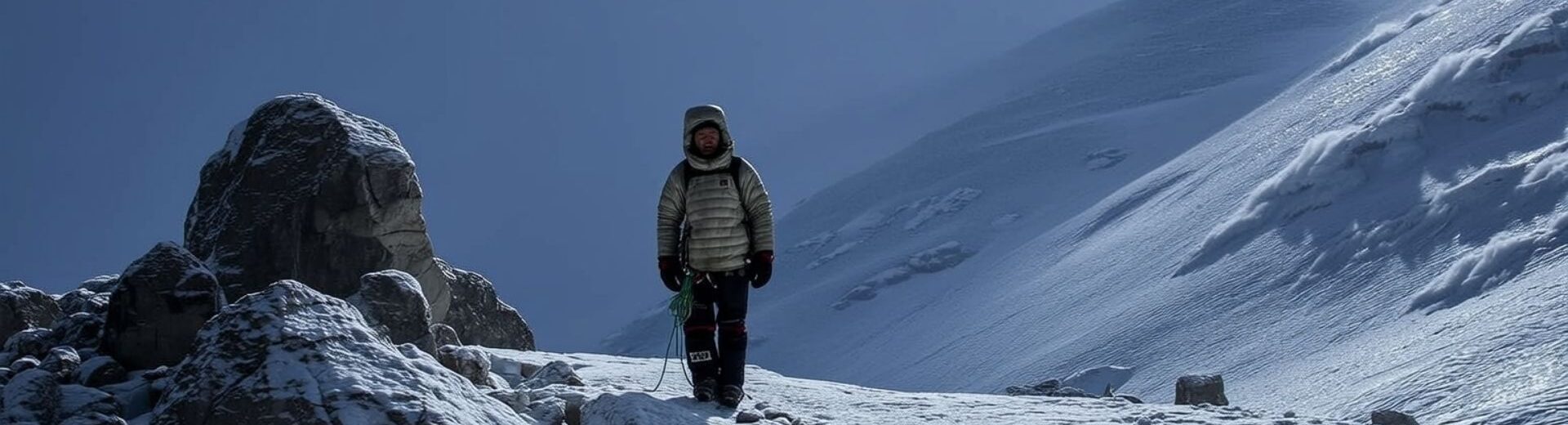
Mount Everest Deaths: How Many People Have Died on Everest?
Each year, hundreds of climbers stand at the base of Mount Everest, driven by a dream to reach the top of the world. For many, it ends in celebration. For others, it ends in silence.
Everest is more than just the highest mountain. It’s a place of beauty, challenge, and loss. Climbing means facing extreme cold, thin air, and unforgiving terrain. Since expeditions began in the early 20th century, nearly 350 people have died trying to reach or descend from its summit.
Scattered across the slopes are quiet reminders of those who didn’t return. Some are buried by snow, some are frozen in place, and a few have become landmarks known to every climber who passes. Through facts, history, and the stories behind these resting places, you’ll come to understand not only how many people have died on Mount Everest but also why they are still there, and what those losses mean for every journey that follows.
How Many People Have Died on Mount Everest?
As of early 2025, more than 340 people have died climbing Mount Everest. This number includes international climbers and local Sherpa guides.
Each year, the climbing season often adds to this tragic total. While thousands have reached the summit, the mountain remains a dangerous place.
The overall death rate today is about 1%. This statistic proves an important point. Even with better gear and weather forecasts, Everest remains a significant risk.
Why Do Climbers Die on Everest?
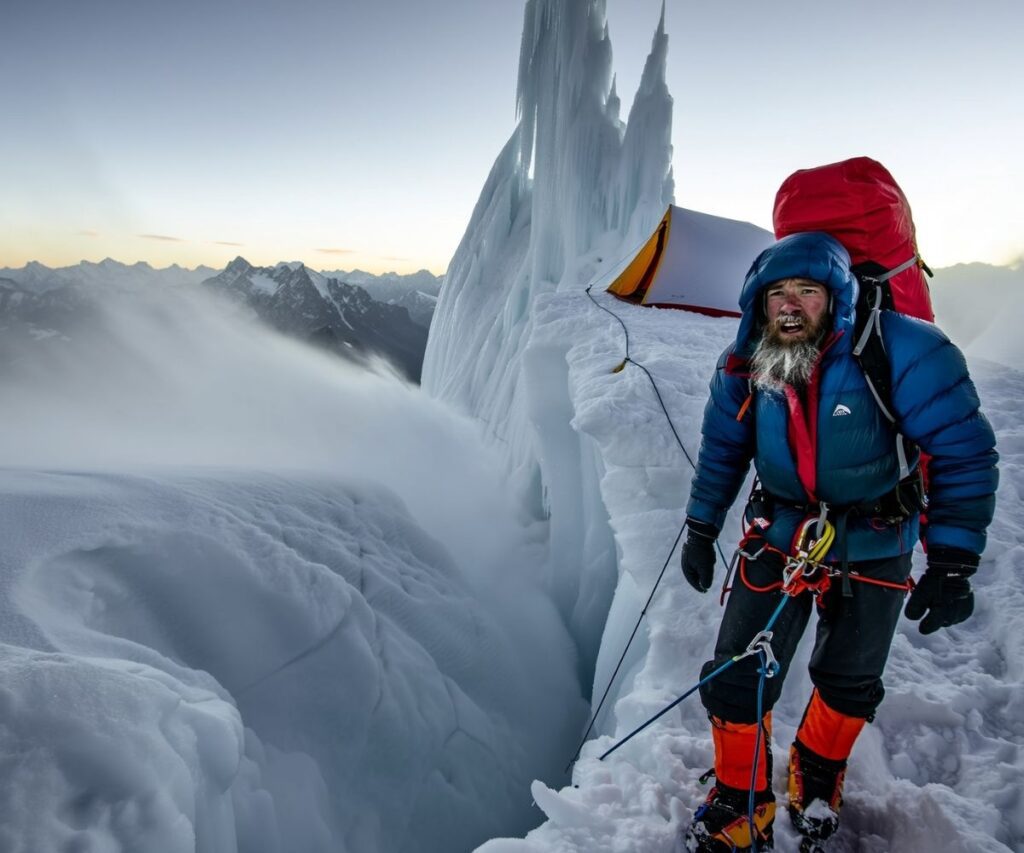
Climbing Everest is not just hard. It’s deadly. The biggest killers are falls, altitude sickness, exhaustion, and avalanches.
The extreme altitude is the biggest challenge. It can lead to deadly conditions like HACE (High Altitude Cerebral Edema) and HAPE (HAPE stands for High Altitude Pulmonary Edema). However, most deaths happen from avalanches and falls. The ground itself is very dangerous. The Khumbu Icefall, a moving river of ice, is a constant threat.
Other major factors include exhaustion and extreme cold. Some climbers also get “summit fever.” They push past their limits, becoming too weak for the dangerous trip down.
Where the Danger Begins: From Everest Base Camp to the Death Zone
The climb to Everest’s summit is challenging from the very start, but the real danger escalates as altitude increases. Your journey begins at Everest Base Camp (17,600 feet), where many climbers first feel the effects of altitude sickness.
One of the first major obstacles is the Khumbu Icefall, a constantly shifting maze of towering ice blocks and deep crevasses. This section is notorious for its unpredictability and has claimed many lives.
As climbers ascend through Camp I, II, III, and IV, they face increasing threats: crevasses, avalanches, razor-thin ridges, and brutal weather. But the greatest risk begins above 8,000 meters (26,247 feet), an area ominously known as the Death Zone. If you’re curious about the full journey, learn how long it takes to climb Mount Everest.
In the Death Zone, the air contains only about one-third the oxygen of sea level, making it nearly impossible for the human body to survive for extended periods of time. The body begins to shut down: muscles waste, decision-making falters, and even basic movements become exhausting. This final stretch includes infamous landmarks like the South Col, the Hillary Step, and the summit ridge, where climbers are exposed to freezing temperatures and hurricane-force winds.
In this Everest’s death zone, every minute counts. Climbers must move fast, stay focused, and descend quickly to avoid fatal consequences.
Famous Deaths and Known Landmarks on Everest
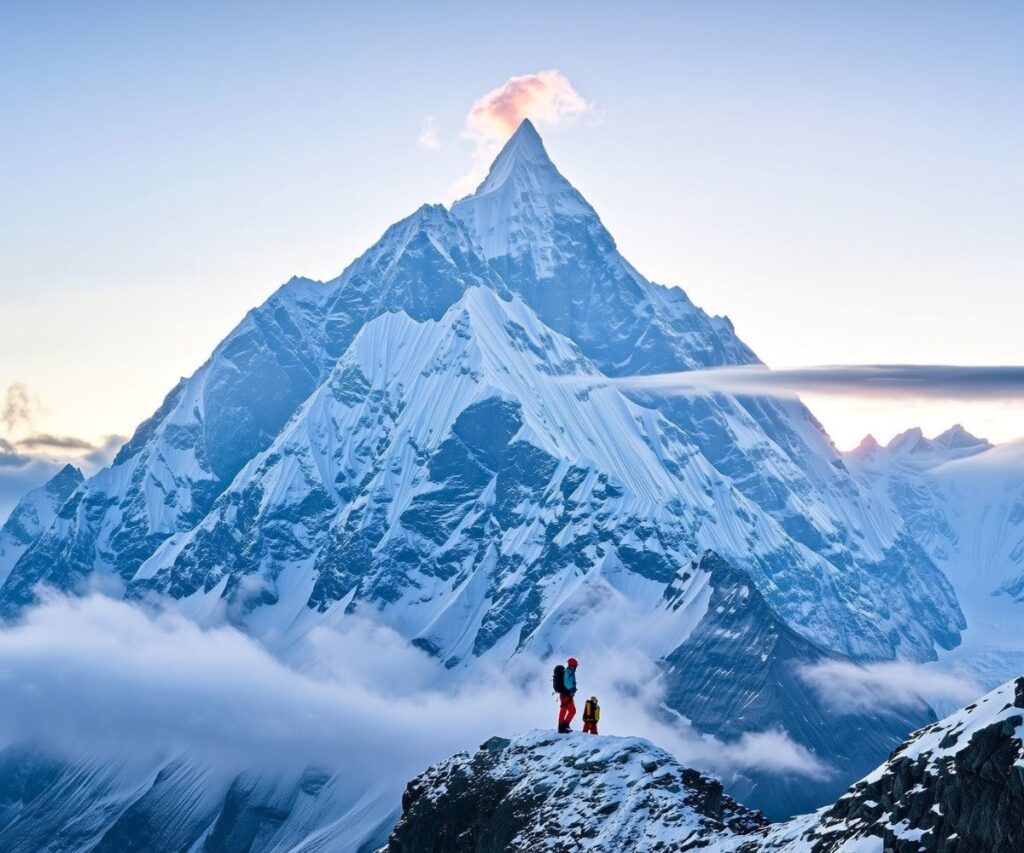
Sadly, many who die on Everest’s high slopes remain there. Their bodies become grim landmarks. These silent figures remind climbers of the mountain’s harsh reality.
- Green Boots Cave
One of the most well-known figures on Everest was a body nicknamed “Green Boots”, believed to be an Indian climber, Tsewang Paljor, who died in 1996. For years, his body lay in a small rock alcove at an elevation of around 8,500 meters, easily recognizable by his bright green mountaineering boots.
Located on the northeast route, Green Boots became an unintended waypoint where climbers would often check their altitude when they reached the spot. The body was eventually moved out of respect, but the name and its impact on Everest lore remain.
- Sleeping Beauty
Another tragic story is that of Francys Arsentiev, the first American woman to reach the summit without supplemental oxygen. She died in 1998 during her descent, her body discovered wrapped in a red jacket near the summit. Her peaceful appearance earned her the haunting nickname “Sleeping Beauty.”
For nearly a decade, her body remained visible along the route until it was moved to preserve dignity and reduce trauma for others.
- Rainbow Valley
On the north side of Everest, just below the summit, lies an area known as Rainbow Valley, not for its beauty, but for the colorful down suits of fallen climbers scattered along the route.
This chilling zone is a final resting place for many who didn’t make it back. The vibrant gear stands out starkly against the snow, creating a heartbreaking visual reminder of the risks above 8,000 meters.
- Bodies as Trail Markers
Beyond these well-known sites, other bodies lie across the Death Zone, sometimes directly on the trail. In these high, thin-air reaches, recovery is nearly impossible.
Some remain where they fell, becoming silent sentinels and unintentional trail markers. Climbers are often forced to pass by these tragic figures, reminded with every step of how close danger truly is.
Why Are Dead Bodies Left on Everest?
Leaving bodies on Everest is a difficult choice. It comes down to extreme danger and high cost. Bringing a body down from the Everest Death Zone is incredibly risky. It puts the lives of the rescue team in great danger.
A frozen body is very heavy. Carrying it down steep, icy slopes is a huge task. Some bodies are buried by snow. For these reasons, and to honor climbers’ wishes, most bodies remain on the mountain.
The Deadliest Years on Everest
Some years have been especially tragic. These seasons dramatically increased the list of Everest deaths
- 1996 Blizzard Disaster: A sudden, fierce storm trapped several teams high up in the mountains. It caused eight deaths in just one day. The disaster brought global attention to Everest’s dangers.
- 2014 Khumbu Icefall Tragedy: A huge avalanche in the Khumbu Icefall killed 16 Nepali guides. This event highlighted the great risks Sherpas face.
- 2015 Earthquake Avalanche: A major earthquake caused a massive avalanche. It destroyed Everest Base Camp and killed at least 19 people.
- 2023 Record Fatalities: The 2023 season was one of the deadliest ever. It had 18 confirmed deaths. Bad weather and an excessive number of climbers were major factors.
Everest vs. Kilimanjaro: Which Is More Dangerous?
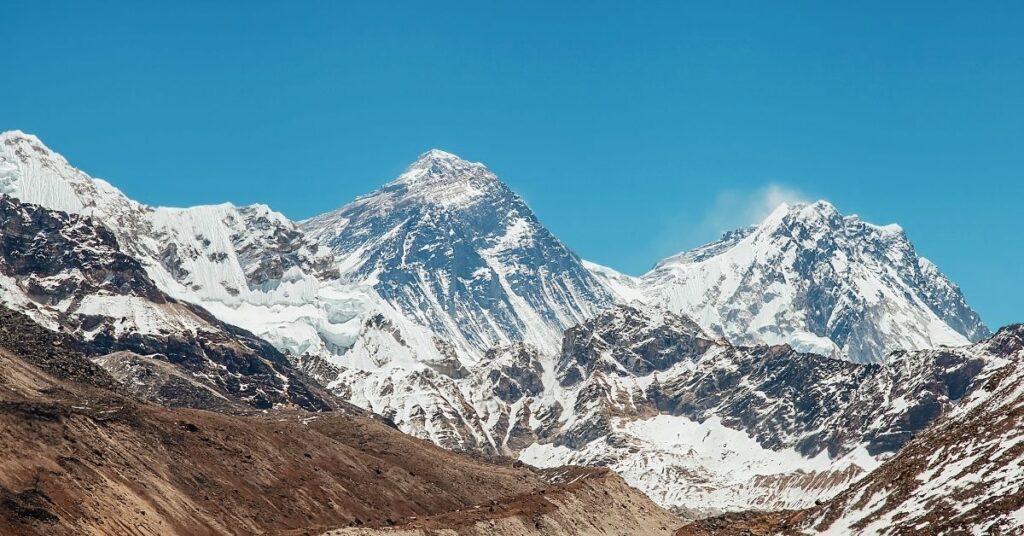
Any high mountain comes with risks, but Everest and Kilimanjaro are very different challenges. Climbing Kilimanjaro is a non-technical trek, meaning you don’t need ropes or climbing gear. In contrast, Everest is a technical climb that requires specialized skills, proper training, and advanced equipment.
The primary danger on Kilimanjaro is altitude sickness, particularly since climbers ascend rapidly. Everest, however, presents a deadly combination of avalanches, crevasses, high winds, and extreme cold. It’s far more dangerous and physically demanding.
Interestingly, a trek to Everest Base Camp is considered more challenging in terms of difficulty than a summit attempt on Kilimanjaro.
Is Climbing Everest Worth the Risk Today?
Climbing Everest is still risky, but it’s safer than before. Today, safety has improved in many ways.
- Improvements in safety protocols: Modern climbers now benefit from real-time weather updates, satellite tracking, and better route planning. Advanced climbing gear, such as lightweight oxygen systems and high-altitude clothing, also protects climbers more effectively than in the past.
- Guided expeditions and Sherpa support: Most climbers join guided teams. These groups are led by expert guides and experienced Sherpas who set up camps, fix ropes, and help with loads. Their support increases safety and helps climbers avoid critical mistakes.
- Role of climate change and melting ice: Climate change is a growing threat to Everest. Warmer temperatures are melting glaciers faster than before. Ice walls and snow bridges that once remained frozen throughout the season are now breaking apart earlier. This makes the terrain more unstable. Rockfalls, shifting crevasses, and hidden ice cracks are now more common, especially near the Khumbu Icefall and summit ridge. Melting also reveals old bodies and gear that were once buried under snow, reminding climbers of how much the mountain is changing.
These unpredictable changes add a new layer of danger. Climbers must now plan not only for weather, but also for how the mountain itself might shift beneath their feet.
Respect the Mountain, Honour the Lost and Travel With Proper Mountain Guides
The death statistics on Everest are more than just numbers. They are stories of dreams and loss. The best way to honour the fallen is to approach the mountain with respect. This means preparing well and knowing when to turn back.
Choosing a trusted and experienced guiding company is the most important step for the Mount Everest Expedition. It ensures your safety and the safety of the guides who help you. Let our expert local guides lead the way. We focus on safety so you can focus on the stunning beauty of treks like Everest Base Camp. Explore the Himalayas with confidence. Start planning your adventure with us today.
FAQs
How many people have died on Mount Everest?
Over 340 people have died on Everest as of early 2025. This includes both climbers and guides.
Are there still bodies on Everest?
Yes. More than 200 bodies are still on the mountain. Most are in the “Death Zone” above 8,000 meters.
Why don’t they remove the bodies?
It is extremely dangerous and expensive. A rescue mission puts the lives of the rescue team at great risk.
Which part of Everest is most dangerous?
The “Death Zone” is the most dangerous part. The air is too thin, and the weather is extreme.
Is it disrespectful to climb past dead bodies?
Climbers see it as a sad but unavoidable part of the journey. They treat the sites with respect and silence.





 Chat on WhatsApp