

Training for High Altitude Nepal Trek: How to Prepare for Elevation?
Dreaming of trekking through Nepal’s majestic mountains? Whether it’s Everest Base Camp, Annapurna Sanctuary, or the Manaslu Circuit, these routes will take you to elevations your body isn’t used to. At high altitudes, oxygen levels drop, making even simple tasks feel more challenging. Without preparation, fatigue and altitude sickness can ruin your adventure.
The good news? You can prepare your body before the trek. Proper training for high altitude reduces strain, improves stamina, and makes the experience far more enjoyable. If you want to trek strongly and enjoy every moment, start training before you land in Nepal.
Training for High Altitude: A Must for Trekking in Nepal
Physical training is an essential part of your trek preparation. It is your foundation for a safe and enjoyable journey in the Himalayas.
While training does not prevent altitude sickness, it makes you a much stronger and more efficient hiker. A well-prepared body handles the stress of daily trekking with less fatigue. This leaves more energy for the crucial process of acclimatization, which is your body’s adjustment to the lower oxygen levels at elevation. When you are not exhausted from the physical effort of walking, you can better enjoy the incredible scenery and cultural experiences along the trail.
How Long Should You Train for High Altitude Trekking?
You should start your training at least 8 to 12 weeks before your trek. This gives your body enough time to adapt and build strength safely.
This timeframe allows you to gradually increase the intensity and duration of your workouts without risking injury. It provides a solid window to build cardiovascular endurance, strengthen key muscle groups, and improve your overall stamina. Consistent effort over several months is far more effective than trying to cram everything into the last few weeks. This slow and steady approach ensures you arrive in Nepal feeling strong, confident, and ready for the adventure ahead.
Best Types of Training for High Altitude
A well-rounded fitness plan is your best strategy for success. It should focus on building endurance, strength, and trek-specific conditioning.
This combination prepares your body for the unique demands of walking in the mountains for days on end. Cardiovascular fitness helps your heart and lungs work efficiently, while strength training protects your joints and powers you up steep hills. Finally, simulating the trek itself is the best way to bring it all together and ensure you are ready for the trail.
Cardiovascular Endurance Training
Cardiovascular or aerobic exercise is the cornerstone of your training. It improves your body’s ability to use oxygen efficiently.
You should aim for at least three to five sessions per week. Activities like running, swimming, cycling, and brisk walking are all excellent choices. The most effective training, however, is hiking. Getting out on local trails will build your endurance while preparing you for the feeling of walking on uneven terrain. Start with shorter sessions and gradually increase the duration and intensity as you get fitter.
Strength Training for Legs and Core
Strong muscles will be your powerhouse in the Himalayas. Your training should focus on building strength in your legs and core.
Your leg muscles, including your quads, hamstrings, and calves, will carry you up and down thousands of meters of elevation. A strong core, which includes your abdominal and lower back muscles, provides stability and balance, especially when carrying a daypack. Incorporate exercises like squats, lunges, step-ups, and planks into your routine two to three times per week to build a solid foundation of strength.
Trek-Specific Simulation
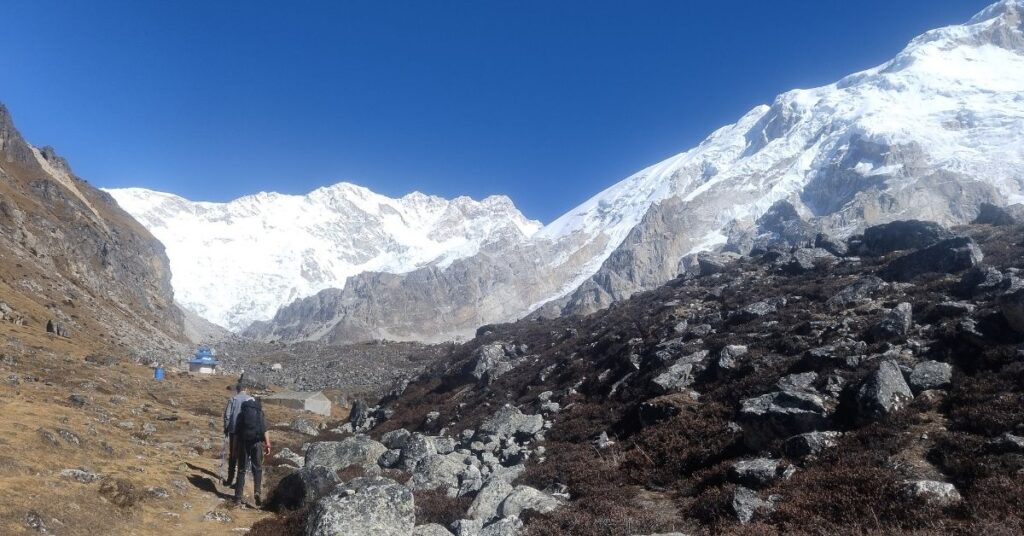
The best way to train for a trek is to go trekking. Simulating the conditions of your Nepal adventure is crucial for preparation.
At least once a week, take a long hike. Find a trail with hills to mimic the ascents and descents you will face in Nepal. It is essential to train in the same hiking boots you plan to wear on the trek to break them in and prevent blisters. You should also carry a daypack with a weight equivalent to what you expect to have on the trail, which is typically around 5-7 kilograms.
Sample 4-Week Training Plan for Nepal Treks
The sample plan is a great starting point for your final month of training. Remember to listen to your body and adjust the plan based on your fitness level.
This schedule offers a balanced mix of cardio, strength training, and hiking. Consistency is more important than intensity, so aim to complete each session. On rest days, you can engage in some light stretching or take a gentle walk to help your muscles recover.
| Day | Activity | Duration/Reps | Notes |
| Monday | Cardio (Running, Cycling, or Brisk Walking) | 45-60 minutes | Maintain a steady, challenging pace. |
| Tuesday | Strength Training (Legs & Core) | 3 sets of 10-15 reps | Focus on exercises such as squats, lunges, planks, and calf raises. |
| Wednesday | Rest or Active Recovery | – | A light walk or gentle stretching is ideal. |
| Thursday | Cardio (Hill Repeats or Stair Climbing) | 30-45 minutes | This builds power for steep ascents. |
| Friday | Strength Training (Full Body) or Rest | 3 sets of 10-15 reps | It can be a lighter session or a rest day before your long hike. |
| Weekend | Long Hike | 3-5 hours | Wear your hiking boots and carry a weighted daypack on hilly terrain. |
Acclimatization Still Matters After Training
It is critical to understand that fitness does not prevent altitude sickness. Even the most elite athletes must acclimatize properly.
Your training for high altitude makes you a stronger hiker, which means the physical work of trekking will feel easier. This is a huge advantage. However, acclimatization is a separate physiological process where your body adapts to lower oxygen levels. This can only be achieved by ascending slowly and allowing your body time to adjust to the new altitude. No amount of training can replace the golden rules of going slow and planning rest days.
Nutrition and Hydration While Training for High Altitude
Proper nutrition and hydration will fuel your workouts and aid your recovery. What you eat and drink is just as important as the training itself.
Focus on a balanced diet with plenty of complex carbohydrates for energy, lean protein for muscle repair, and healthy fats. Drink water consistently throughout the day, especially before, during, and after your workouts. Establishing good hydration habits during your training will make it easier to stay hydrated on the trail in Nepal, a key factor in successful acclimatization.
Last 48 Hours Before the Trek: What to Focus On
Your final two days before the trek should be focused on rest and recovery. The hard work is done, and now it is time to let your body prepare.
Avoid intense, last-minute workouts. This will only leave you sore and fatigued when you start hiking. Instead, focus on staying hydrated, eating familiar and easily digestible foods, and getting plenty of sleep. A short, gentle walk can help with any travel stiffness, but your main priority is to arrive at the trailhead feeling rested, fresh, and ready to go.
Prepare Strong. Trek High. Go Further with Mountain Routes
You have put in the weeks of training and built a strong foundation. This preparation empowers you to step onto the trail with confidence, ready to take on the challenge and appreciate the beauty of the Himalayas.
At Mountain Routes, we believe that your hard work deserves an itinerary to match. Our treks are expertly paced to complement your fitness, with built-in acclimatization days that allow your body to adapt safely to the elevation. Our professional guides ensure you never go too fast, allowing you to make the most of your training and adventure.
Start planning your trek with a team that values your preparation and support. Contact Mountain Routes today to find the perfect journey for your hard-earned fitness.





 Chat on WhatsApp