
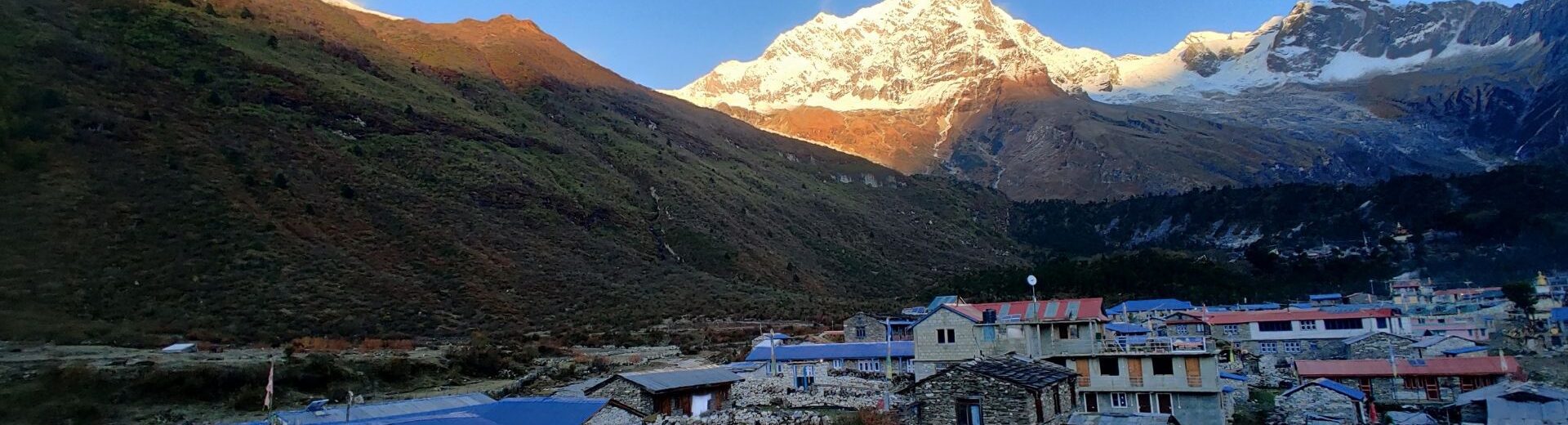
Manaslu Trekking: 7 Reasons This Trail Stands Out
Every year, more than 30,000 trekkers visit the Annapurna region, while fewer than 10 percent choose the Manaslu Circuit. That’s what makes it so special. The Manaslu trail feels peaceful, personal, and far from the usual crowds. Trekkers love this route because it offers raw natural beauty, strong cultural roots, and real adventure all in one. From the first step, you walk through quiet villages where Tibetan influence still shapes daily life.
You pass ancient monasteries, spinning prayer wheels, and stone houses built for mountain life. The trail climbs slowly, letting you adjust and enjoy the changing views, from green hills to snow-covered peaks. One of the biggest highlights is Larkya La Pass, a high point that brings both challenge and reward. But more than the views or the difficulty, it’s the feeling that matters. People choose Manaslu for the silence, the space, and the connection they find on the way.
Top Reasons to Choose Manaslu Circuit Trek
While Nepal offers many trekking trails, the Manaslu Circuit continues to win the hearts of trekkers who seek more than just views. It’s a trail that offers solitude, culture, and challenge in perfect balance. Here are seven strong reasons why this Himalayan route truly stands out.
1) Authentic Off-the-Beaten-Path Experience
The Manaslu Circuit remains one of Nepal’s least commercialized trekking routes. Only around 8,000 to 10,000 trekkers take this trail each year, compared to tens of thousands in Annapurna. The region opened to foreigners in 1991, making it relatively new to the world. You walk through villages like Jagat, Deng, and Namrung where locals live without much influence from mass tourism. The path feels untouched and genuine, perfect for those seeking a true Himalayan adventure.
2) Diverse Landscapes and Natural Beauty
From subtropical forests to high alpine passes, Manaslu offers a dramatic shift in scenery. You begin at around 700 meters and reach heights above 5,100 meters, which gives you everything like rice terraces, pine forests, waterfalls, and glaciers. On clear days, you’ll see Mount Manaslu (8,163 m), the eighth-highest peak in the world, along with views of Himalchuli, Ngadi Chuli, and Shringi Himal. Few treks offer such constant and raw visual change.
3) Unique Tibetan-Influenced Culture
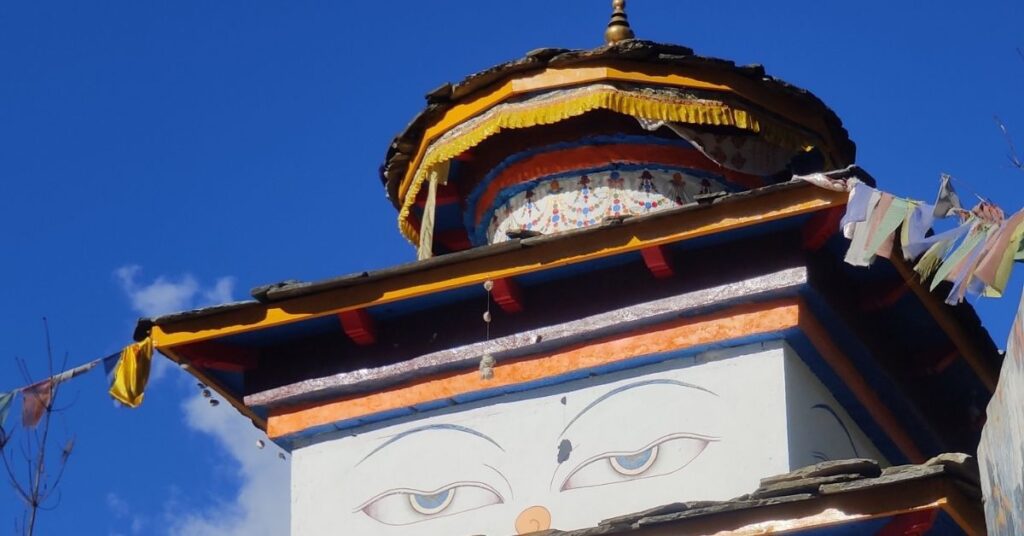
The upper parts of the trail, especially around Lho, Samagaun, and Samdo, are heavily influenced by Tibetan Buddhism. Many locals here descend from Tibetan migrants and speak Tibetan dialects. You’ll visit centuries-old monasteries like Ribung Gompa in Lho and Pungyen Gompa, which sits beneath Manaslu’s snowy peak. These places offer quiet, spiritual moments and give insight into Himalayan faith, art, and tradition.
4) Fewer Trekkers, More Immersion
Unlike crowded trails where lodges are full and paths are busy, Manaslu lets you walk in peace. The limited number of trekkers allows more meaningful interaction with locals and fellow hikers. You can enjoy slow mornings in teahouses, listen to stories from your guide, or take in the silence. This space makes the journey feel more personal, which many trekkers say is what they remember most.
5) Challenging Yet Rewarding Adventure
The Manaslu Circuit is considered a moderate to difficult trek, best suited for trekkers with some prior experience. The biggest challenge is crossing Larkya La Pass (5,160 m), one of the longest and highest Himalayan passes. But the climb is gradual, and the reward is massive. On top, you’re surrounded by mountains, frozen lakes, and open skies. Our Manaslu Circuit trek package with guide and permits combines adventure and support to make the experience both rewarding and manageable.
6) Rich Biodiversity and Wildlife
As part of the Manaslu Conservation Area, the region is home to more than 2,000 plant species, 110 bird species, and 33 mammals. Trekkers have reported sightings of Himalayan Tahr, snow leopards, red pandas, and langurs in remote sections. The forests are rich with pine, oak, and blooming rhododendrons in spring. This natural variety adds another layer to the trek, especially for those who love nature and wildlife.
7) Perfect Alternative to Annapurna Circuit
Manaslu offers similar landscapes, culture, and altitude challenges as Annapurna, but without the road traffic and heavy crowds. After road construction in parts of Annapurna, many trekkers now prefer the peaceful and more remote feel of Manaslu. The circuit is also teahouse-based, meaning you don’t need to camp, making it a comfortable choice with enough facilities while still feeling wild.
Combine with Tsum Valley for a Deeper Experience
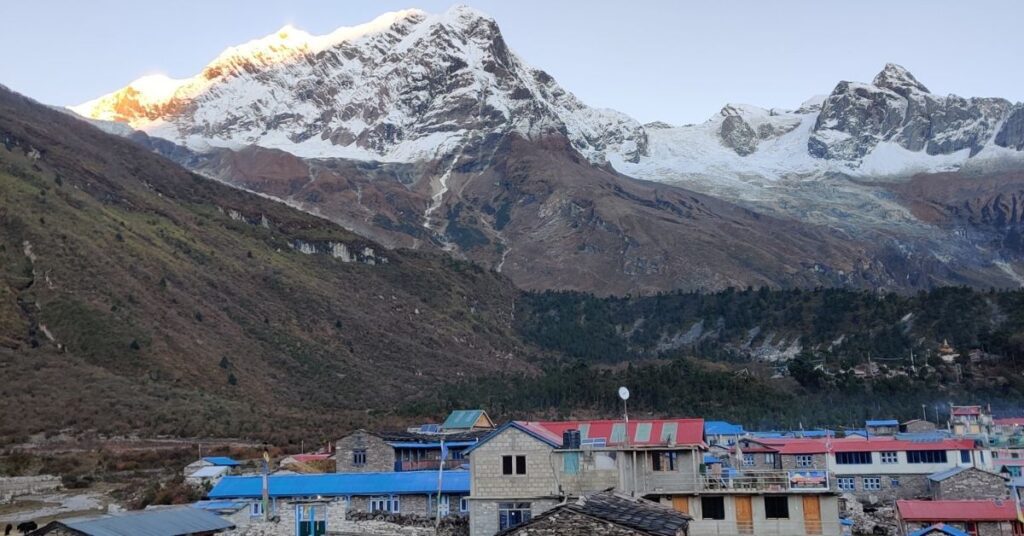
For trekkers who want to dive even deeper into the cultural and natural richness of the Himalayas, adding Tsum Valley to the Manaslu Circuit is the perfect choice. This hidden valley lies to the east of the main Manaslu trail and was closed to foreigners until 2008, which makes it one of the least explored regions in Nepal.
Combining Manaslu Circuit with Tsum Valley extends the trek by about 7 to 8 days, creating a more immersive journey that lasts around 23 to 24 days in total. While the Manaslu trail showcases dramatic landscapes and high passes, Tsum Valley adds a deeper spiritual and cultural layer. The valley is strongly influenced by Tibetan Buddhism, and the people here follow ancient traditions that remain untouched by modern development.
As you enter Tsum, you will pass milestone villages like Chumling, Chhokang Paro, and Nile, where traditional stone houses dot the quiet hillsides. You’ll also explore sacred sites like Mu Gompa and Rachen Gompa, which are some of the oldest and most revered monasteries in the region. Many trekkers describe this extension as a peaceful and soul-stirring part of the journey, with fewer trekkers and quiet trails surrounded by Himalayan peaks.
The landscapes in Tsum are equally captivating, with narrow gorges, pine forests, and views of Ganesh Himal, Sringi Himal, and Baudha Himal. Wildlife is also more active in this region due to lower human movement. The combined trek offers a complete experience, adventure in Manaslu, and tranquility in Tsum, making it ideal for those who want a deeper connection to both nature and culture. If time and fitness allow, the Manaslu and Tsum Valley Trek takes you on a journey through history, belief, and breathtaking landscapes few ever get to witness.
How Manaslu Circuit Trek and Combine Manaslu and Tsum Valley Trek are Different?
| Basis | Manaslu Trek (7 Days Core Trekking) | Manaslu + Tsum Valley Trek |
| Total Duration | 7 days including travel and acclimatization | 21–24 days including Tsum Valley exploration |
| Trekking Days | Around 7 full trekking days | Around 16 full trekking days |
| Route Focus | Budhi Gandaki Valley to Larkya La Pass | Budhi Gandaki + Tsum Valley side trail |
| Cultural Experience | Tibetan-influenced villages along main trail | Deeper Tibetan culture with monastery visits and spiritual sites |
| Altitude Range | 700 m to 5,160 m (Larkya La Pass) | 700 m to 5,160 m (with additional exploration in Tsum) |
| Major Highlights | Larkya La Pass, Sama Gaun, Birendra Lake | Mu Gompa, Rachen Gompa, Tsum Valley villages + all Manaslu highlights |
| Trek Difficulty | Moderate to challenging | More demanding due to added days and remoteness |
| Permit Requirements | MCAP, ACAP, and Manaslu Restricted Permit | MCAP, ACAP, Manaslu + Tsum Valley Restricted Permits |
| Number of Trekkers (Annually) | 8,000–10,000 | very secluded & Less than 2,000 |
| Best For | Trekkers short on time but seeking adventure | Trekkers wanting deeper cultural and scenic exploration |
Trusted Trekking Partner for the Manaslu Circuit: Mountain Routes
The Manaslu Circuit takes you through high-altitude passes, remote villages, and restricted areas that require special permits. Navigating these trails isn’t just about physical preparation, it also calls for logistical expertise, proper guidance, and local knowledge. That’s where choosing the right trekking partner makes all the difference.
Mountain Routes has become a trusted name for organizing safe, well-managed treks in the Manaslu region. With years of experience in high-altitude trekking, they handle everything from permits and accommodations to licensed guides and porters, ensuring a smooth and stress-free journey. Our team is made up of locals who not only know the terrain but also understand the traditions, language, and customs of the region. This local connection enhances your experience and gives you authentic cultural insights that solo trekking or larger commercial groups often miss. Moreover, safety is our top priority. Our itineraries are designed with proper acclimatization days, and are equipped to handle emergencies in remote environments.





 Chat on WhatsApp