
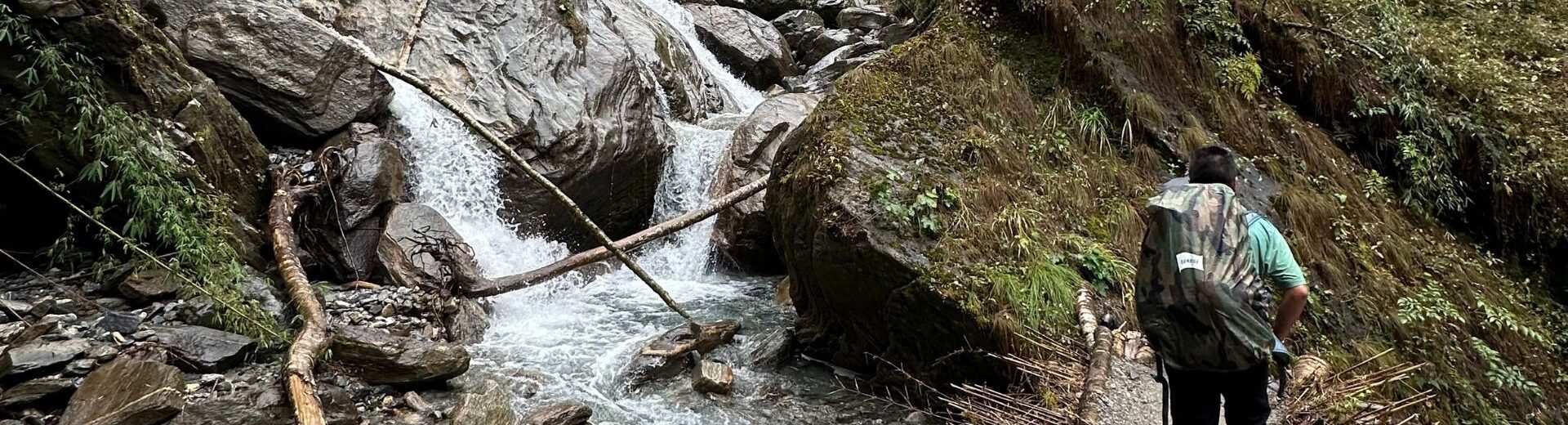
Solo Trek to Annapurna Base Camp: Plan Your Independent Trek
The Annapurna Base Camp solo trek is one of the few major Himalayan treks in Nepal where solo trekking is still allowed in 2025. Unlike some restricted areas that require a guide, ABC can be done on your own as long as you follow local regulations. You will need a TIMS card and the Annapurna Conservation Area Permit before starting.
Going solo gives you the freedom to set your pace, choose your stops, and enjoy the trail on your own terms. The route is well-marked and lined with tea houses where you can find food and lodging. Along the way, you will pass terraced fields, rhododendron forests, and rivers before reaching the snow-covered amphitheater of the Annapurna Sanctuary. From the base camp, you get clear views of Annapurna I, Machapuchare, and Hiunchuli.
Why Do Trekkers Choose to Go Solo to Annapurna Base Camp?
Solo trekking to Annapurna Base Camp appeals to travellers who value freedom over fixed plans. Without a guide, you can decide how far to walk each day, where to rest, and which tea house feels right for the night. There’s no pressure to match someone else’s pace, giving you full control over your journey.
Many choose the solo route for the sense of independence it brings. Walking alone allows you to notice the smallest details, prayer flags fluttering over bridges, the scent of pine after rain, and the sound of rivers cutting through valleys. These moments often pass unnoticed in a larger group. Going solo can also open more chances for genuine connections. You’ll meet locals curious about your travels and fellow trekkers from around the world. Conversations in tea houses can turn strangers into trail companions for a few hours or even a few days.
While saving on guide and porter costs is a factor, the main draw for most solo hikers is the personal challenge. The ABC trek demands physical stamina and mental focus, and facing these on your own often makes the reward at base camp feel even greater.
Can I Trek Annapurna Base Camp Without a Guide in 2025?
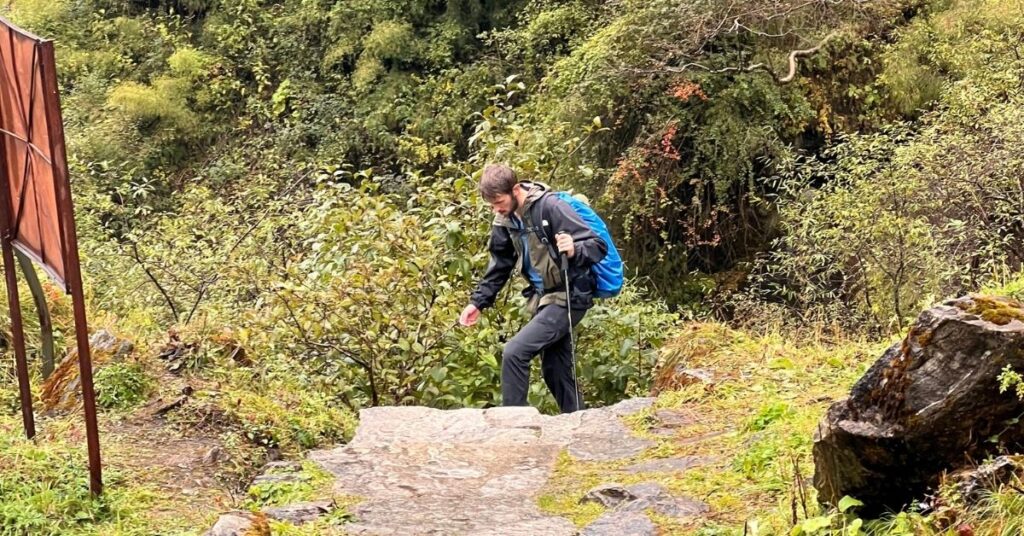
Yes, in 2025, solo trekking to Annapurna Base Camp is still allowed. Unlike restricted areas such as Upper Mustang or Manaslu, the Annapurna region does not require you to hire a licensed guide. This makes it one of the few major Himalayan treks where independent travel remains a practical choice. The trail to ABC is well-established and marked with signboards in most villages. Tea houses along the route provide food, lodging, and basic services, making it possible to travel light and without outside support. Many solo trekkers complete the journey without issues, provided they plan well and carry the right gear.
However, going without a guide means you are fully responsible for your safety, navigation, and logistics. You’ll need to arrange your permits, manage your daily schedule, and keep an eye on changing weather conditions. For some, this added responsibility is part of the adventure; for others, it can be overwhelming. If you’re confident in your fitness, have some trekking experience, and prepare thoroughly, the ABC solo trek in 2025 offers both freedom and a true sense of achievement.
Best Route for a Solo Annapurna Base Camp Trek
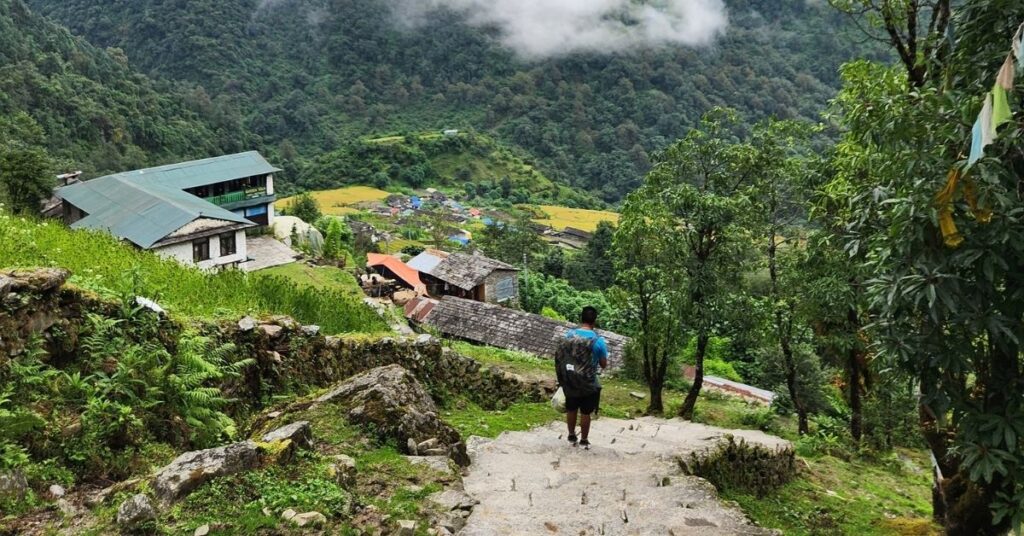
Most solo trekkers to Annapurna Base Camp start from Nayapul, Ghandruk, or Chhomrong. These points are easy to reach from Pokhara and connect directly to the main ABC trail. Starting here helps you avoid unnecessary detours and keeps your journey straightforward. From the first steps, the trail takes you through terraced hillsides, rhododendron forests, and long stretches of stone steps. As you climb higher, the scenery changes to alpine landscapes inside the Annapurna Sanctuary.
The classic solo route follows this sequence:
Ghandruk → Chhomrong → Bamboo → Deurali → Machapuchare Base Camp (MBC) → Annapurna Base Camp.
Along the way, you will find tea houses at regular intervals for rest, meals, and overnight stays. This makes it easy to set your own walking pace and adjust your days as you like. If you have limited time, you can choose the 5-day short ABC trek. This route skips extra sections but still includes the core highlights, including the panoramic views from base camp. Whether you take the full route or the shorter one, the trail is well-marked and filled with other trekkers, making it safe and manageable even for first-time solo travelers.
How Many Days Does It Take to Complete the ABC Solo Trek?
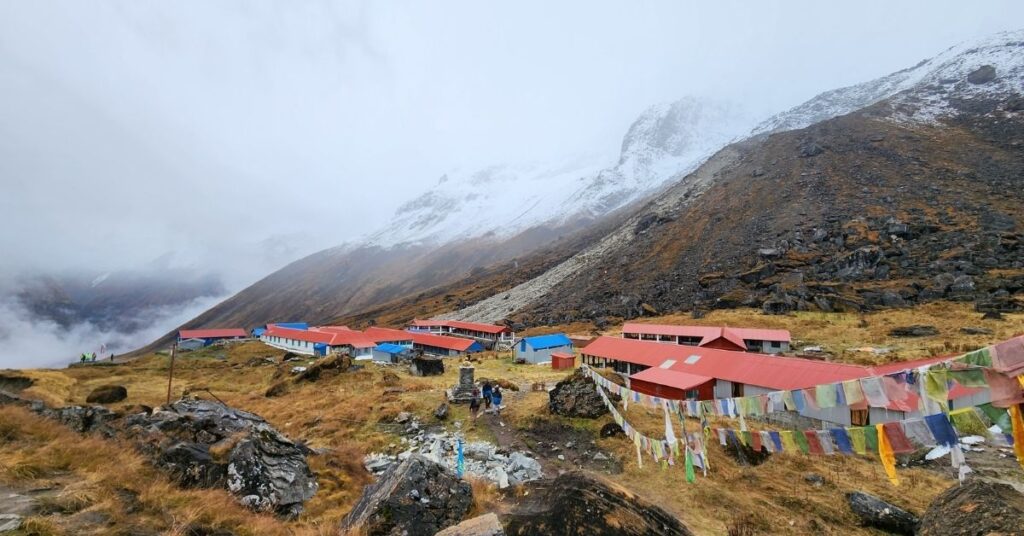
The length of the Annapurna Base Camp solo trek varies depending on your fitness level and time availability. Most independent trekkers complete the journey in about 7 to 12 days. This timeframe allows for a comfortable pace, proper acclimatisation, and enough time to enjoy the stunning scenery.
For those who prefer a balanced approach, a 7-day itinerary is the most popular. It offers a well-paced schedule with manageable daily distances and rest stops. This plan typically starts from Nayapul and reaches the base camp without rushing. If you want a clear structure to follow, you can explore this standard 7-day ABC trek itinerary for solo and group trekkers. This itinerary fits well for solo hikers who want a guided timeline but still maintain some independence on the trail.
Shorter or longer versions are also common. Some seasoned trekkers push through in 5 days, while others take up to two weeks to enjoy a slower pace. Choosing the right duration depends on your experience, fitness, and how much time you want to spend soaking in the mountain atmosphere.
Annapurna Base Camp Trek Difficulty for Solo Travelers
The Annapurna Base Camp trek is considered moderately difficult. While it does not require technical climbing skills, the steady uphill climbs and long daily walks challenge your stamina. Solo hikers must be prepared for changes in altitude, weather, and trail conditions.
The trek involves walking 5 to 7 hours a day, often on rocky or uneven paths. The ascent from low valleys to over 4,000 meters means your body needs time to adjust. Altitude sickness is a risk, especially if you ascend too quickly or skip acclimatisation days.
For solo trekkers, managing your pace and listening to your body is key. Without a guide, you must also handle navigation and timing on your own. While the trail is well marked, some sections can feel physically demanding and remote.
If you want detailed insights on the physical and mental challenges, read the full guide on how difficult the ABC trek is for solo hikers. This will help you prepare thoroughly before starting your journey.
Trekking Permits for Solo ABC Trekkers in 2025
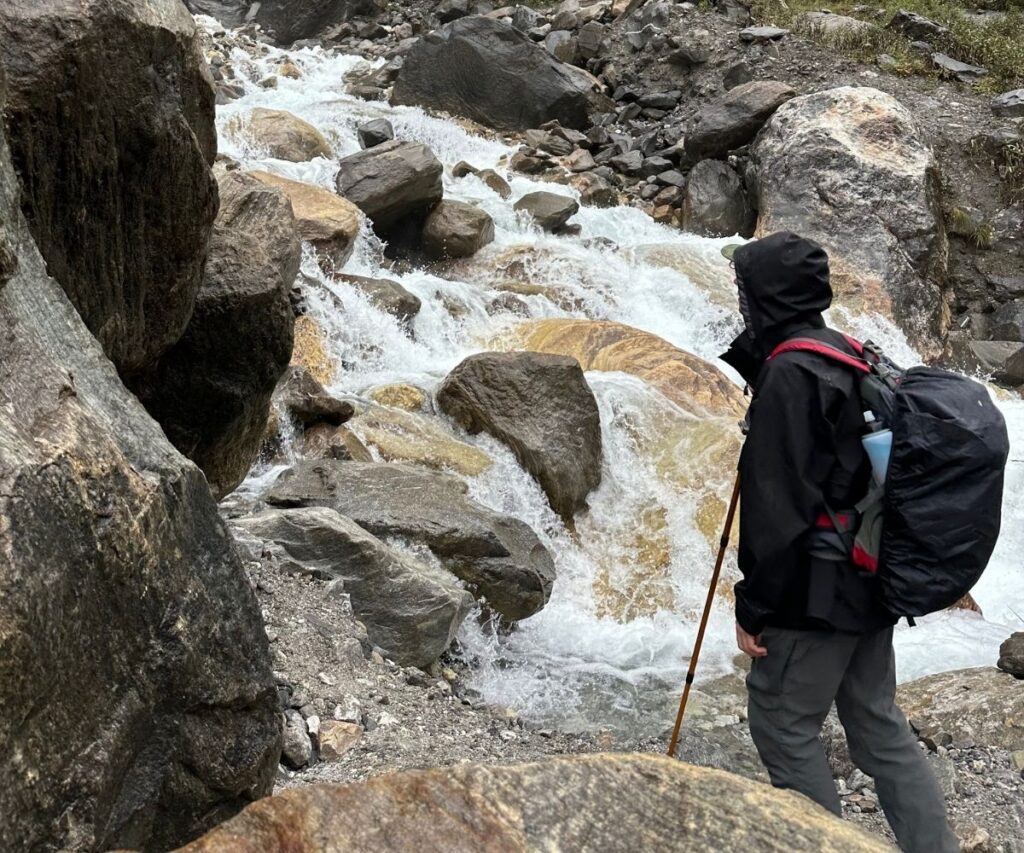
To trek solo to Annapurna Base Camp in 2025, you need two main permits. These ensure your entry is legal and support conservation efforts in the region.
The necessary permits are:
- Annapurna Conservation Area Permit (ACAP):
- This permit allows access to the Annapurna Conservation Area. It costs about USD 30 and helps protect the local environment.
- Trekkers’ Information Management System (TIMS) Card:
- TIMS registers you as a solo or group trekker. For solo trekkers, it usually costs around USD 20.
Annapurna Base Camp Solo Trek Cost and Budget Guide
Planning your budget is essential for a successful solo trek to Annapurna Base Camp. Costs vary depending on your style, but most independent trekkers spend between $25 and $45 per day. Here’s a quick breakdown of the main expenses you should expect:
- Permits: ACAP and TIMS, approximately $50 total.
- Accommodation: Tea house rooms usually cost $5–$10 per night, increasing slightly at higher altitudes.
- Food and Drinks: Daily meals range from $10 to $15, with hot meals and tea priced higher near the base camp.
- Transport: Bus or taxi from Pokhara to Nayapul or other trailheads costs around $5–$15.
- Extras: Wi-Fi, charging devices, and hot showers usually come with small fees ($1–$3).
You can save money by carrying your own snacks and water purification gear. Renting or buying gear in Pokhara may also add to your budget if you don’t bring your own. For a detailed overview of all costs, including optional expenses and tips to save, check out the full cost breakdown for Annapurna Base Camp solo and group treks. Proper budgeting helps you enjoy the trek without any surprises.
Do You Really Need a Porter or Guide on the ABC Trek?
The length of the Annapurna Base Camp solo trek depends on your fitness, trekking experience, and available time. In the past, the 7-day ABC trek was the most popular choice. It offered a steady pace, time for acclimatization, and plenty of opportunities to enjoy the mountain scenery without feeling rushed.
Recently, more trekkers are choosing the shorter 5-day option to fit tighter schedules. Still, the 7-day plan remains the ideal balance for most hikers. It starts from Nayapul, follows a well-paced route, and includes comfortable daily walking distances with regular rest stops. You can check the full route here: 7-Day Annapurna Base Camp Trek Itinerary.
Some experienced trekkers can complete the journey in 5 days, while others prefer 10–12 days to slow down and spend more time in the Annapurna Sanctuary. The best duration depends on your fitness, experience, and how much time you want to be surrounded by the mountains.
Is It Safe to Trek to Annapurna Base Camp Alone?
Trekking solo to Annapurna Base Camp is generally safe if you prepare well and stay alert. The trail is busy with trekkers and locals, and tea houses offer secure places to stay. Safety still depends on your fitness, awareness of altitude sickness, and the weather. Start early, avoid walking after dark, and stay on marked trails. For solo female travelers, ABC is known as one of the safer treks in Nepal, with friendly and respectful locals.
Still, normal precautions are wise. In April 2025, a Chinese trekker tragically died in an avalanche near Deurali while returning from ABC (Kathmandu Post), showing why checking weather updates and avoiding risky sections is important.
Where to Stay on the Annapurna Base Camp Solo Trek?
Accommodation along the Annapurna Base Camp trail mainly consists of tea houses. These are simple lodges offering rooms, meals, and basic facilities. Staying in tea houses makes solo trekking easier since you don’t need to carry camping gear. Rooms typically have shared bathrooms and come with blankets, but it’s a good idea to bring a sleeping bag for extra warmth, especially at higher altitudes. Prices increase as you climb higher, ranging from $5 per night in the lower villages to about $10–$15 near the base camp.
Most tea houses also provide hot showers, charging ports, and Wi-Fi for small fees. During peak seasons, booking ahead is recommended, though many solo trekkers find accommodations available without reservations in the off-season. The welcoming atmosphere in tea houses often leads to meeting other trekkers, sharing stories, and gaining valuable trail tips, a bonus for solo hikers looking to connect along the way.
What to Pack for Annapurna Base Camp as a Solo Trekker?
Packing the right gear is crucial for a successful and comfortable solo trek. Here are the essential items you should carry, along with why each matters:
- Layered Clothing
- Base Layers: Lightweight thermal tops and bottoms keep you warm by trapping body heat.
- Insulating Layer: A fleece or down jacket provides warmth during cold mornings and nights.
- Outer Layer: A waterproof and windproof jacket protects you from rain, wind, and snow.
- Trekking Boots
- Sturdy, waterproof boots with good ankle support prevent injuries and keep your feet dry on rocky and slippery trails. Break them in before the trek to avoid blisters.
- Sleeping Bag
- Even though tea houses provide blankets, temperatures can drop below freezing. A sleeping bag rated for at least -5°C ensures a warm, comfortable sleep.
- Water Bottle with Purifier
- Staying hydrated is vital. Carry a reusable water bottle paired with a purifier or purification tablets to avoid waterborne illnesses.
- Headlamp or Flashlight
- Useful for early starts, late arrivals at tea houses, or power outages. Make sure it has fresh batteries.
- Trekking Poles
- Poles reduce strain on knees during steep descents and improve balance on uneven terrain. Adjustable and lightweight poles work best.
- First Aid Kit
- Include basics like bandages, pain relievers, blister treatment, altitude sickness medication, and any personal prescriptions.
- Navigation Tools
- Offline GPS apps like Maps.me or a detailed printed map help you stay on route, especially important when trekking alone.
- Snacks and Energy Bars
- Carry light, high-energy snacks to keep your energy levels steady between meals.
- Personal Toiletries
- Pack travel-sized essentials such as biodegradable soap, toothbrush, toothpaste, hand sanitiser, and toilet paper.
Best Time for Solo Trekking to Annapurna Base Camp
The most popular and ideal seasons for trekking solo to Annapurna Base Camp are autumn (September to November) and spring (March to May). During these months, the weather is generally stable, skies are clear, and the mountain views are at their sharpest. In autumn, daytime temperatures typically range from 10°C to 20°C at lower elevations, while nights can drop close to 0°C or below at higher altitudes. Spring brings warmer days, ranging from 12°C to 22°C, with blossoming rhododendrons adding vibrant colours along the trail.
Winter trekking is possible, but much colder. Temperatures at the base camp can fall below -10°C, and heavy snowfall may block some trails. The off-season monsoon months (June to August) bring heavy rains, slippery trails, and reduced visibility, making solo trekking more challenging and less safe. For the best balance of weather and trail conditions, plan your solo ABC trek in autumn or spring when you can enjoy pleasant temperatures and breathtaking views without extreme cold or wet weather.
Let Mountain Routes Help You Plan Your ABC Solo Adventure
Planning a solo trek to Annapurna Base Camp can feel overwhelming, but you don’t have to do it alone. Mountain Routes offers expert support to help you organise permits, accommodation, and transport so you can focus on enjoying your journey. With local knowledge and years of experience, Mountain Routes ensures your trek runs smoothly from start to finish.
Whether you need a detailed itinerary or assistance securing permits for solo trekking, we provide a service tailored to your needs. Learn more about trekking in the region here: Annapurna Region Treks.
FAQs
Can I trek Annapurna Base Camp solo in 2025/2026?
Yes, solo trekking to Annapurna Base Camp is allowed in 2025 and 2026. The region does not require a mandatory guide, making it accessible for independent travellers with proper preparation.
Is the ABC trek safe for solo female travellers?
The ABC trek is generally safe for solo female trekkers. The trail is well-travelled, and tea houses provide secure accommodations. However, it’s important to stay cautious, travel during daylight, and trust your instincts.
How much does the solo ABC trek cost?
A solo trek to Annapurna Base Camp typically costs between $25 and $45 per day, depending on your accommodation and food choices. This budget includes permits, lodging, meals, and transport.
Do I need a guide, or can I go alone?
You can definitely trek alone without a guide. The trail is well-marked, and tea houses offer support. However, guides can enhance your experience by providing local knowledge and handling logistics.
What permits are required for solo trekking?
You need two main permits: the Annapurna Conservation Area Permit (ACAP) and the Trekkers’ Information Management System (TIMS) card. Both are available in Kathmandu or Pokhara before the trek.
How difficult is the solo trek to Annapurna Base Camp?
The trek is moderately difficult, with steady uphill climbs and altitude gain. Physical fitness and proper acclimatisation are key to managing the challenges on your own.
Which route is best for solo trekkers?
The classic route starting from Nayapul through Ghandruk and Chhomrong is best for solo trekkers. It is well-marked, populated, and offers plenty of tea houses along the way.
Can I do the ABC trek in 5 days solo?
Yes, a 5-day short Annapurna Base Camp route exists for solo trekkers with limited time. It is more demanding but possible for fit hikers.





 Chat on WhatsApp