
1996 Mount Everest Disaster: Timeline, Key Figures, and Lessons
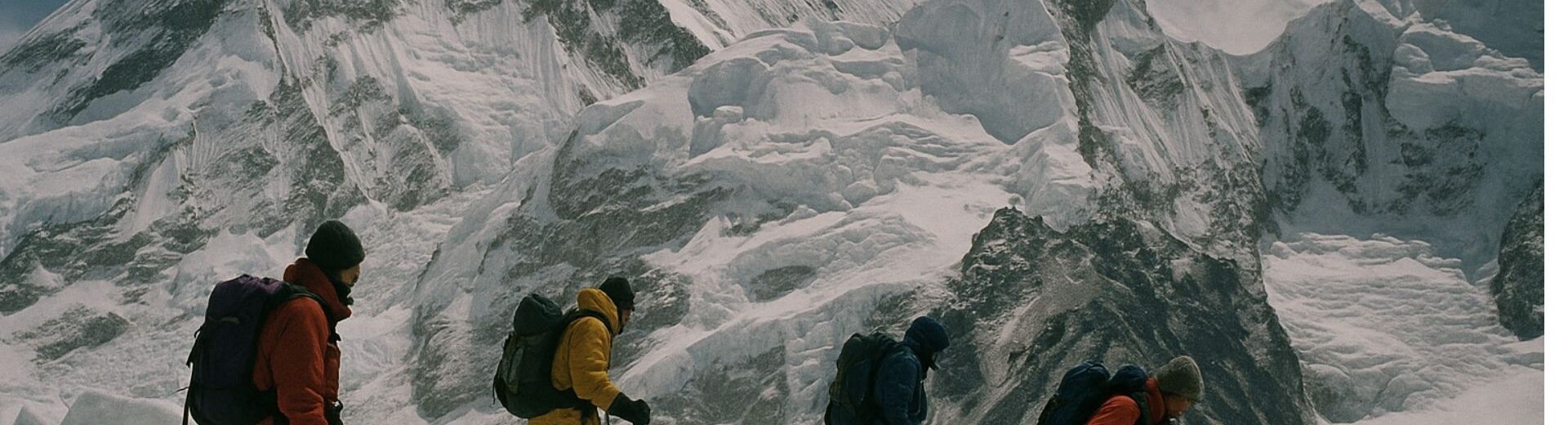
On May 10–11, 1996, Mount Everest saw one of the deadliest tragedies in its climbing history. A sudden blizzard, plummeting temperatures, and delayed descents trapped climbers high in the “Death Zone,” where oxygen is scarce and survival depends on every decision. In less than 24 hours, eight climbers from several expeditions lost their lives.
That spring season had been unusually crowded. More than 30 climbers from multiple commercial teams attempted the summit on the same day, creating bottlenecks on narrow sections like the Hillary Step. So here’s the thing about those summit timelines getting blown out. A bunch of groups ended up pushing past 2 PM on their climbs, which you know is way later than what safety guidelines call for. The weather turned ugly fast by then, obviously. That window they always talk about for safe descents? Wasn’t happening anymore.
Among the victims were Rob Hall, the respected leader of Adventure Consultants, and Scott Fischer, head of Mountain Madness. Survivors like Beck Weathers and guide Anatoli Boukreev faced life-or-death moments that would later spark global debates about high-altitude guiding, client experience, and mountain ethics. In the years since, the 1996 Everest disaster has been studied as a case of how ambition, weather, and human judgment can collide at extreme altitudes.
Overview of the 1996 Everest Disaster
The spring of 1996 on Mount Everest turned deadly when several climbers faced unexpected storms and dangerous delays during their summit attempts. In less than 24 hours, harsh weather and critical timing errors led to the deaths of eight climbers from multiple expeditions. This disaster exposed the risks of overcrowding, delayed descents, and extreme conditions in the “Death Zone.” Below is a quick overview of the key facts that defined this tragic event.
| Key Fact | Details |
| Date | May 10–11, 1996 |
| Location | South Col and Summit, Mount Everest |
| Fatalities | 8 climbers |
| Survivors | Multiple, including Beck Weathers and Anatoli Boukreev |
| Main Expeditions | Adventure Consultants, Mountain Madness |
| Cause | Sudden storm, delayed summit attempts, overcrowding |
| Notable Victims | Rob Hall, Scott Fischer |
| Key Issues | Missed turnaround times, bottlenecks at Hillary Step, and oxygen shortages |
| Legacy | Changes in Everest expedition rules and safety protocols |
Setting the Stage – Everest in the Spring of 1996
In the mid-1990s, Mount Everest was becoming more accessible to climbers around the world. Commercial expeditions increased, allowing many who lacked deep mountaineering experience to attempt the summit. The spring season of 1996 was especially busy, with several guided teams arriving at the Base Camp.
This surge in climbers created a crowded mountain environment. Narrow routes like the Hillary Step became bottlenecks. While the weather forecast predicted a small summit window, many climbers faced delays due to traffic and challenging conditions. The pressure to reach the top was high. Many ignored the crucial 2:00 p.m. turnaround time, pushing their climbs later into the afternoon. This risky choice, combined with a sudden storm, set the stage for the disaster that would unfold on May 10 and 11.
Key Figures in the 1996 Climb
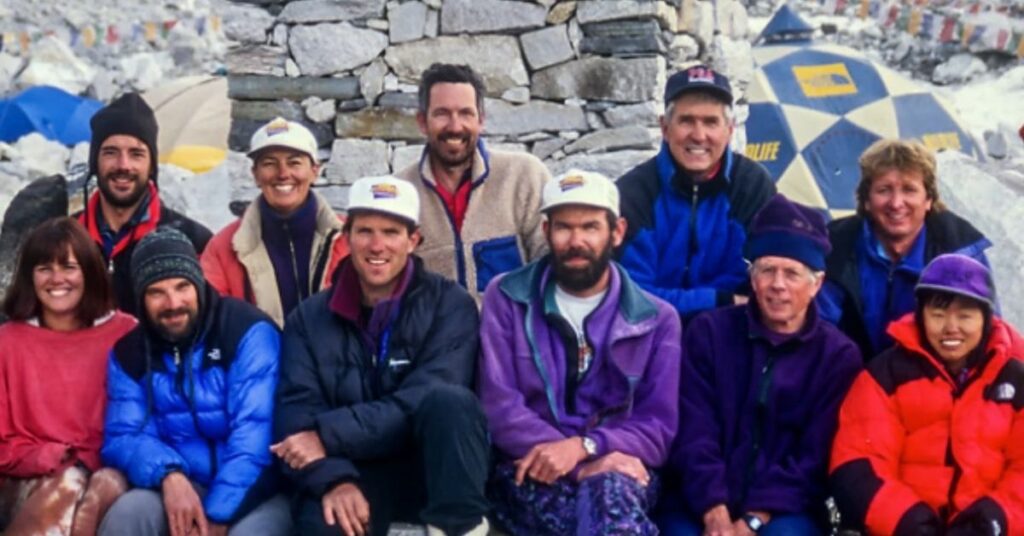
The 1996 Everest disaster involved several climbers and guides whose decisions shaped the course of events. Understanding who they were helps reveal the human side behind the tragedy.
Rob Hall – Adventure Consultants
Rob Hall was born in 1961 in New Zealand. He was raised in a small town, where he developed a passion for climbing in the Southern Alps during his youth. Hall trained as a mountain guide and earned his certification early, quickly gaining a huge respect for his skill and leadership.
By the early 1990s, Hall had climbed extensively in the Himalayas and successfully guided multiple clients on Everest. In 1992, he founded Adventure Consultants, a guiding company specializing in high-altitude expeditions. His professionalism and client-focused approach made him a trusted name in commercial Everest climbing.
Hall’s goal was to help aspiring climbers reach the summit safely, often guiding those with limited mountaineering experience. His commitment to client safety and strong leadership attracted many to join his 1996 Everest expedition, where he faced the ultimate challenge.
Scott Fischer – Mountain Madness
Scott Fischer was born in 1955 in the United States. He grew up in the Colorado mountains, developing a love for skiing and climbing from an early age. Fischer earned a degree in environmental science but soon focused entirely on mountaineering.
In 1984, He founded Mountain Madness, one of the first guiding companies to focus on adventure travel and commercial high-altitude climbs. Fischer was known for his bold style and energetic personality, which attracted many adventurous clients to his expeditions. Before Everest, Fischer had climbed several major peaks worldwide, including Denali and K2. His experience and charm made him a respected leader. However, his aggressive climbing style sometimes raised concerns. In 1996, Fischer led a Mountain Madness team on Everest that would face deadly weather and tragedy.
Anatoli Boukreev – Mountain Madness Guide
Anatoli Boukreev was born in 1958 in Kazakhstan, then part of the Soviet Union. He trained as a climber in the rugged mountains of Central Asia and quickly became known for his remarkable endurance at high altitudes.
Boukreev worked as a professional mountain guide and was recognized for his speed and strength above 8,000 meters. He joined Scott Fischer’s Mountain Madness team as a guide in the 1990s and had successfully summited Everest several times before 1996. Though controversial for his decision to descend ahead of clients during the 1996 disaster, Boukreev played a crucial role in the rescue of stranded climbers. His mountaineering skills and physical conditioning set him apart as one of the top high-altitude guides of his time.
Beck Weathers – Survivor Story
Beck Weathers was born in 1946 in Texas, USA. He worked as a pathologist but discovered a passion for mountaineering later in life. Despite having only moderate climbing experience, Weathers was drawn to the challenge and adventure of high-altitude expeditions. He joined Rob Hall’s Adventure Consultants in 1996 with the goal of summiting Everest. Weathers had undergone eye surgery before the expedition, which affected his vision at extreme altitudes. During the storm, he was left for dead twice but defied the odds and survived.
His survival story highlighted the dangers of Everest and the unpredictable nature of high-altitude climbing. Weathers later became an advocate for safety and preparedness in mountaineering.
Timeline of the 1996 Everest Disaster
The events of May 10 and 11, 1996, marked one of the deadliest days on Mount Everest. This detailed timeline breaks down how a combination of weather, delays, and human decisions led to tragedy. From the early summit push to the sudden storm and the desperate rescue efforts, each moment shaped the outcome for climbers on the mountain. This timeline will help you reveal the critical points where choices made all the difference between life and death.
May 10, 1996 – Summit Push
In the early hours of May 10, climbers from several expeditions left Camp IV at the South Col, around 7,900 meters high, aiming for Everest’s 8,848-meter summit. Their plan was to reach the top and return safely before afternoon. However, the mountain was unusually crowded that day. Over 30 climbers attempted the summit simultaneously, which caused dangerous bottlenecks at narrow sections like the Hillary Step. As a result, progress slowed dramatically, and many teams missed the crucial 2:00 p.m. turnaround time. Despite repeated warnings, several climbers pushed on toward the summit, driven by their determination to succeed. This delay set the stage for disaster, as late summit times meant they faced descending in worsening weather and approaching darkness.
The Sudden Storm
By late afternoon, conditions on Everest took a deadly turn. A fierce blizzard swept over the upper slopes, bringing hurricane-force winds and reducing visibility to near zero. Temperatures dropped sharply, increasing the risk of frostbite and hypothermia for the climbers. Communication between teams broke down, and oxygen supplies became dangerously low as exhausted climbers struggled to navigate the treacherous descent. Many were dehydrated and disoriented amid the whiteout conditions. The storm trapped several climbers high on the mountain, making a safe descent impossible. The combination of severe weather, low oxygen, and difficult terrain made rescue efforts extremely challenging.
May 11, 1996 – Rescue Efforts
As dawn broke on May 11, rescue efforts began amid harsh weather and dangerous conditions. The teams that had survived the storm quickly organised to help those still stranded high on the mountain. Key among the rescuers was Anatoli Boukreev, the Mountain Madness guide known for his strength and speed at extreme altitudes. Despite having descended earlier than some clients, Boukreev bravely turned back multiple times through the storm to search for climbers in trouble.
Other guides and Sherpas also joined the rescue, including members of Rob Hall’s Adventure Consultants and local support staff, who risked their lives navigating the perilous terrain in low visibility and freezing temperatures. Helicopter pilots at Base Camp were ready but unable to reach most climbers due to weather and altitude limits.
Over the course of the day, these rescue teams managed to bring several survivors safely down the mountain, including Beck Weathers, who had been left for dead but miraculously survived. In terms of recovery, rescuers were able to locate and retrieve the bodies of some climbers. Of the eight who died during the disaster, five bodies were eventually recovered and brought down from the mountain. The other bodies remained on Everest, where the conditions made further recovery attempts impossible.
These rescue efforts, though heroic, highlighted the extreme dangers of high-altitude rescues and exposed weaknesses in communication and preparedness that have since influenced how Everest expeditions plan safety and emergency responses.
Causes and Contributing Factors
The 1996 Everest disaster was not caused by a single event but by a combination of factors that converged under extreme conditions. Understanding these causes helps explain why the tragedy unfolded despite experienced climbers and guides. Below are the main contributing factors that played critical roles in the disaster.
- Overcrowding on the Mountain
The unusually large number of climbers attempting the summit on the same day created dangerous bottlenecks, especially at narrow points like the Hillary Step. These delays pushed many beyond safe turnaround times.
- Missed Turnaround Times
Several climbers ignored the recommended 2:00 p.m. turnaround rule, continuing their ascent late into the afternoon. This decision exposed them to descending in deteriorating weather and darkness, greatly increasing risks.
- Sudden and Severe Weather Change
A powerful blizzard struck the mountain unexpectedly in the late afternoon, bringing hurricane-force winds, low visibility, and plummeting temperatures. The storm trapped climbers on exposed slopes with limited shelter.
- Limited Experience and Physical Condition
Some clients had limited high-altitude experience and faced challenges like exhaustion, dehydration, and oxygen depletion. These factors impaired their judgment and physical ability to descend safely.
- Communication Failures
Poor communication between teams and base camp delayed coordination of rescue efforts and limited the ability to respond promptly to emergencies.
- Commercial Pressures
The growing business of guided Everest climbs increased pressure on guides and clients to reach the summit, sometimes at the expense of strict safety protocols and cautious decision-making.
Survivor Stories and Human Impact
The disaster that happened on Everest in 1996 has left a deep mark not just on mountaineering history but also on the lives of those who survived and the families of those who didn’t. The human stories that emerged reveal remarkable courage, tragedy, and resilience in the face of extreme danger.
One of the most unforgettable survivors is Beck Weathers, whose near-death experience stunned the world. Severely frostbitten and disoriented, Weathers was left for dead twice but fought through the storm and made a harrowing solo descent back to camp. His story became a symbol of sheer willpower and survival against all odds. Anatoli Boukreev, the Mountain Madness guide, played a controversial yet heroic role. Though criticized for descending ahead of his clients, Boukreev’s subsequent rescue attempts saved several lives. His actions sparked debates on guiding ethics but undeniably showcased extraordinary bravery.
Many climbers endured physical and emotional trauma that extended long after the mountain. Survivors faced severe frostbite, loss of limbs, and psychological scars. The disaster also deeply affected the climbing community worldwide, prompting reflections on the risks and responsibilities of high-altitude expeditions.
Families of the deceased mourned public and private losses, their grief magnified by the harsh reality that some bodies remained on the mountain. The tragedy united the mountaineering world in grief and led to calls for safer climbing practices. These human stories highlight that beyond the statistics and timelines, the 1996 Everest disaster was a profound human tragedy with lessons about survival, sacrifice, and respect for nature’s power.
Aftermath and Changes to Everest Climbing
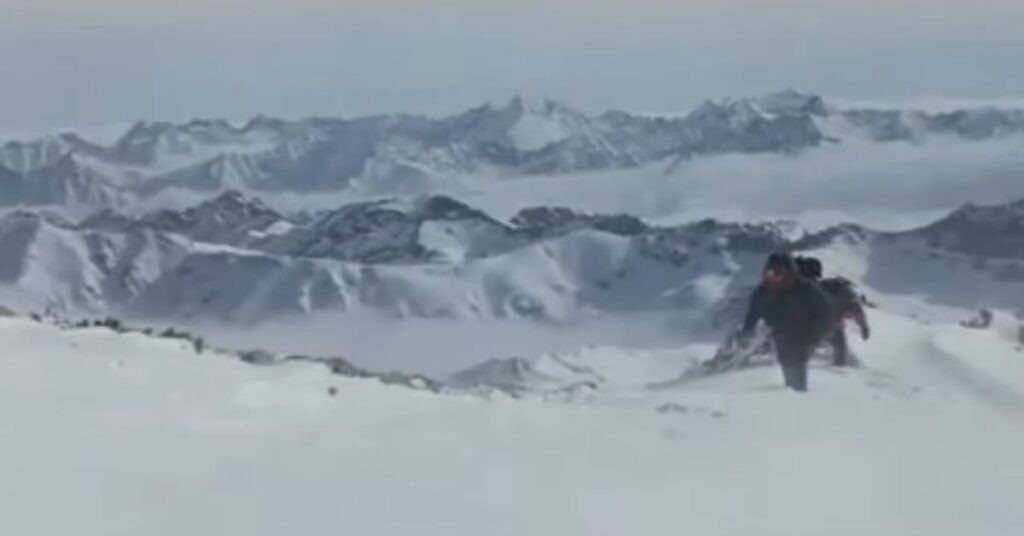
The 1996 disaster sent shockwaves through the climbing community and beyond. It exposed serious gaps in safety measures, guiding practices, and expedition management on Everest. In response, many changes were introduced to prevent a similar tragedy.
One major shift was a renewed focus on strict adherence to turnaround times. Guides and climbers began treating the 2:00 p.m. rule as non-negotiable to avoid late descents into dangerous weather. Commercial expeditions faced increased scrutiny. Licensing authorities and trekking agencies implemented tighter regulations on who could lead and attempt the summit. This aimed to ensure that climbers had adequate experience and that guides maintained higher safety standards. Communication technology has improved significantly. Satellite phones and radios became standard equipment, allowing teams to coordinate better and call for help more quickly. Rescue protocols were also updated. Helicopter operations at high altitude became more common, enabling faster evacuations when weather permitted.
The tragedy also sparked widespread ethical discussions about the commercialization of Everest. Many questioned the balance between profit and safety, the responsibility of guides, and the preparedness of clients. Overall, the 1996 Everest disaster led to lasting changes that shaped modern climbing expeditions. It serves as a solemn reminder that ambition must be balanced with caution on the world’s highest peak.
Lessons Learned from the 1996 Mount Everest Disaster
The heartbreaking tragedy of 1996 left an indelible mark on everyone connected to Everest. Beyond the facts and figures, it taught the climbing world valuable lessons that resonate with safety, respect, and humility.
First and foremost, the disaster highlighted the crucial importance of strict safety protocols. The 2:00 p.m. turnaround time is a lifeline. Ignoring it puts lives at risk, as the mountain’s weather can change in minutes. The event also underscored the danger of overcrowding. When too many climbers crowd the route, delays become deadly. Managing the number of people on the mountain is vital to prevent traffic jams that can trap climbers in life-threatening conditions.
Another key lesson lies in honest assessment of one’s skills and limits. Everest demands not just strength but experience and mental readiness. Pushing beyond your physical and technical limits, especially in such extreme environments, can have tragic consequences. The role of guides also came under scrutiny. The disaster showed that guides must balance client ambitions with safety above all else. Sometimes, tough decisions like turning back before the summit mean saving lives.
Finally, the 1996 disaster reminded everyone of nature’s unpredictable power. No matter how advanced gear or training becomes, the mountain commands respect. Humility and caution are as important as courage and determination. These lessons remain at the heart of Everest expeditions today. They serve as a solemn tribute to those lost and a guide to those who continue to chase the summit, ensuring their dreams do not turn into tragedies.
Frequently Asked Questions
How many people died in the 1996 Everest disaster?
Eight climbers lost their lives during the tragic events of May 10 and 11, 1996. These fatalities included experienced guides and clients from multiple expeditions.
Who survived the 1996 Everest disaster?
Several climbers survived the disaster, including Beck Weathers, Anatoli Boukreev, and other guides and clients. Their survival stories reveal incredible courage and endurance in extreme conditions.
What caused the 1996 Everest disaster?
A combination of overcrowding, missed turnaround times, sudden severe weather, limited experience, and communication failures led to the disaster. These factors combined to create deadly delays and dangerous conditions on the mountain.
Did the 1996 disaster change Everest climbing rules?
Yes. The disaster prompted stricter safety protocols, tighter regulations on commercial expeditions, improved communication technology, and more emphasis on turnaround times and climber readiness.
On May 10–11, 1996, Mount Everest saw one of the deadliest tragedies in its climbing history. A sudden blizzard, plummeting temperatures, and delayed descents trapped climbers high in the “Death Zone,” where oxygen is scarce and survival depends on every decision. In less than 24 hours, eight climbers from several expeditions lost their lives.
That spring season had been unusually crowded. More than 30 climbers from multiple commercial teams attempted the summit on the same day, creating bottlenecks on narrow sections like the Hillary Step. So here’s the thing about those summit timelines getting blown out. A bunch of groups ended up pushing past 2 PM on their climbs, which you know is way later than what safety guidelines call for. The weather turned ugly fast by then, obviously. That window they always talk about for safe descents? Wasn’t happening anymore.
Among the victims were Rob Hall, the respected leader of Adventure Consultants, and Scott Fischer, head of Mountain Madness. Survivors like Beck Weathers and guide Anatoli Boukreev faced life-or-death moments that would later spark global debates about high-altitude guiding, client experience, and mountain ethics. In the years since, the 1996 Everest disaster has been studied as a case of how ambition, weather, and human judgment can collide at extreme altitudes.
Overview of the 1996 Everest Disaster
The spring of 1996 on Mount Everest turned deadly when several climbers faced unexpected storms and dangerous delays during their summit attempts. In less than 24 hours, harsh weather and critical timing errors led to the deaths of eight climbers from multiple expeditions. This disaster exposed the risks of overcrowding, delayed descents, and extreme conditions in the “Death Zone.” Below is a quick overview of the key facts that defined this tragic event.
| Key Fact | Details |
| Date | May 10–11, 1996 |
| Location | South Col and Summit, Mount Everest |
| Fatalities | 8 climbers |
| Survivors | Multiple, including Beck Weathers and Anatoli Boukreev |
| Main Expeditions | Adventure Consultants, Mountain Madness |
| Cause | Sudden storm, delayed summit attempts, overcrowding |
| Notable Victims | Rob Hall, Scott Fischer |
| Key Issues | Missed turnaround times, bottlenecks at Hillary Step, and oxygen shortages |
| Legacy | Changes in Everest expedition rules and safety protocols |
Setting the Stage – Everest in the Spring of 1996
In the mid-1990s, Mount Everest was becoming more accessible to climbers around the world. Commercial expeditions increased, allowing many who lacked deep mountaineering experience to attempt the summit. The spring season of 1996 was especially busy, with several guided teams arriving at the Base Camp.
This surge in climbers created a crowded mountain environment. Narrow routes like the Hillary Step became bottlenecks. While the weather forecast predicted a small summit window, many climbers faced delays due to traffic and challenging conditions. The pressure to reach the top was high. Many ignored the crucial 2:00 p.m. turnaround time, pushing their climbs later into the afternoon. This risky choice, combined with a sudden storm, set the stage for the disaster that would unfold on May 10 and 11.
Key Figures in the 1996 Climb
The 1996 Everest disaster involved several climbers and guides whose decisions shaped the course of events. Understanding who they were helps reveal the human side behind the tragedy.
Rob Hall – Adventure Consultants
Rob Hall was born in 1961 in New Zealand. He was raised in a small town, where he developed a passion for climbing in the Southern Alps during his youth. Hall trained as a mountain guide and earned his certification early, quickly gaining a huge respect for his skill and leadership.
By the early 1990s, Hall had climbed extensively in the Himalayas and successfully guided multiple clients on Everest. In 1992, he founded Adventure Consultants, a guiding company specializing in high-altitude expeditions. His professionalism and client-focused approach made him a trusted name in commercial Everest climbing.
Hall’s goal was to help aspiring climbers reach the summit safely, often guiding those with limited mountaineering experience. His commitment to client safety and strong leadership attracted many to join his 1996 Everest expedition, where he faced the ultimate challenge.
Scott Fischer – Mountain Madness
Scott Fischer was born in 1955 in the United States. He grew up in the Colorado mountains, developing a love for skiing and climbing from an early age. Fischer earned a degree in environmental science but soon focused entirely on mountaineering.
In 1984, He founded Mountain Madness, one of the first guiding companies to focus on adventure travel and commercial high-altitude climbs. Fischer was known for his bold style and energetic personality, which attracted many adventurous clients to his expeditions. Before Everest, Fischer had climbed several major peaks worldwide, including Denali and K2. His experience and charm made him a respected leader. However, his aggressive climbing style sometimes raised concerns. In 1996, Fischer led a Mountain Madness team on Everest that would face deadly weather and tragedy.
Anatoli Boukreev – Mountain Madness Guide
Anatoli Boukreev was born in 1958 in Kazakhstan, then part of the Soviet Union. He trained as a climber in the rugged mountains of Central Asia and quickly became known for his remarkable endurance at high altitudes.
Boukreev worked as a professional mountain guide and was recognized for his speed and strength above 8,000 meters. He joined Scott Fischer’s Mountain Madness team as a guide in the 1990s and had successfully summited Everest several times before 1996. Though controversial for his decision to descend ahead of clients during the 1996 disaster, Boukreev played a crucial role in the rescue of stranded climbers. His mountaineering skills and physical conditioning set him apart as one of the top high-altitude guides of his time.
Beck Weathers – Survivor Story
Beck Weathers was born in 1946 in Texas, USA. He worked as a pathologist but discovered a passion for mountaineering later in life. Despite having only moderate climbing experience, Weathers was drawn to the challenge and adventure of high-altitude expeditions. He joined Rob Hall’s Adventure Consultants in 1996 with the goal of summiting Everest. Weathers had undergone eye surgery before the expedition, which affected his vision at extreme altitudes. During the storm, he was left for dead twice but defied the odds and survived.
His survival story highlighted the dangers of Everest and the unpredictable nature of high-altitude climbing. Weathers later became an advocate for safety and preparedness in mountaineering.
Timeline of the 1996 Everest Disaster
The events of May 10 and 11, 1996, marked one of the deadliest days on Mount Everest. This detailed timeline breaks down how a combination of weather, delays, and human decisions led to tragedy. From the early summit push to the sudden storm and the desperate rescue efforts, each moment shaped the outcome for climbers on the mountain. This timeline will help you reveal the critical points where choices made all the difference between life and death.
May 10, 1996 – Summit Push
In the early hours of May 10, climbers from several expeditions left Camp IV at the South Col, around 7,900 meters high, aiming for Everest’s 8,848-meter summit. Their plan was to reach the top and return safely before afternoon. However, the mountain was unusually crowded that day. Over 30 climbers attempted the summit simultaneously, which caused dangerous bottlenecks at narrow sections like the Hillary Step. As a result, progress slowed dramatically, and many teams missed the crucial 2:00 p.m. turnaround time. Despite repeated warnings, several climbers pushed on toward the summit, driven by their determination to succeed. This delay set the stage for disaster, as late summit times meant they faced descending in worsening weather and approaching darkness.
The Sudden Storm
By late afternoon, conditions on Everest took a deadly turn. A fierce blizzard swept over the upper slopes, bringing hurricane-force winds and reducing visibility to near zero. Temperatures dropped sharply, increasing the risk of frostbite and hypothermia for the climbers. Communication between teams broke down, and oxygen supplies became dangerously low as exhausted climbers struggled to navigate the treacherous descent. Many were dehydrated and disoriented amid the whiteout conditions. The storm trapped several climbers high on the mountain, making a safe descent impossible. The combination of severe weather, low oxygen, and difficult terrain made rescue efforts extremely challenging.
May 11, 1996 – Rescue Efforts
As dawn broke on May 11, rescue efforts began amid harsh weather and dangerous conditions. The teams that had survived the storm quickly organised to help those still stranded high on the mountain. Key among the rescuers was Anatoli Boukreev, the Mountain Madness guide known for his strength and speed at extreme altitudes. Despite having descended earlier than some clients, Boukreev bravely turned back multiple times through the storm to search for climbers in trouble.
Other guides and Sherpas also joined the rescue, including members of Rob Hall’s Adventure Consultants and local support staff, who risked their lives navigating the perilous terrain in low visibility and freezing temperatures. Helicopter pilots at Base Camp were ready but unable to reach most climbers due to weather and altitude limits.
Over the course of the day, these rescue teams managed to bring several survivors safely down the mountain, including Beck Weathers, who had been left for dead but miraculously survived. In terms of recovery, rescuers were able to locate and retrieve the bodies of some climbers. Of the eight who died during the disaster, five bodies were eventually recovered and brought down from the mountain. The other bodies remained on Everest, where the conditions made further recovery attempts impossible.
These rescue efforts, though heroic, highlighted the extreme dangers of high-altitude rescues and exposed weaknesses in communication and preparedness that have since influenced how Everest expeditions plan safety and emergency responses.
Causes and Contributing Factors
The 1996 Everest disaster was not caused by a single event but by a combination of factors that converged under extreme conditions. Understanding these causes helps explain why the tragedy unfolded despite experienced climbers and guides. Below are the main contributing factors that played critical roles in the disaster.
- Overcrowding on the Mountain
The unusually large number of climbers attempting the summit on the same day created dangerous bottlenecks, especially at narrow points like the Hillary Step. These delays pushed many beyond safe turnaround times.
- Missed Turnaround Times
Several climbers ignored the recommended 2:00 p.m. turnaround rule, continuing their ascent late into the afternoon. This decision exposed them to descending in deteriorating weather and darkness, greatly increasing risks.
- Sudden and Severe Weather Change
A powerful blizzard struck the mountain unexpectedly in the late afternoon, bringing hurricane-force winds, low visibility, and plummeting temperatures. The storm trapped climbers on exposed slopes with limited shelter.
- Limited Experience and Physical Condition
Some clients had limited high-altitude experience and faced challenges like exhaustion, dehydration, and oxygen depletion. These factors impaired their judgment and physical ability to descend safely.
- Communication Failures
Poor communication between teams and base camp delayed coordination of rescue efforts and limited the ability to respond promptly to emergencies.
- Commercial Pressures
The growing business of guided Everest climbs increased pressure on guides and clients to reach the summit, sometimes at the expense of strict safety protocols and cautious decision-making.
Survivor Stories and Human Impact
The disaster that happened on Everest in 1996 has left a deep mark not just on mountaineering history but also on the lives of those who survived and the families of those who didn’t. The human stories that emerged reveal remarkable courage, tragedy, and resilience in the face of extreme danger.
One of the most unforgettable survivors is Beck Weathers, whose near-death experience stunned the world. Severely frostbitten and disoriented, Weathers was left for dead twice but fought through the storm and made a harrowing solo descent back to camp. His story became a symbol of sheer willpower and survival against all odds. Anatoli Boukreev, the Mountain Madness guide, played a controversial yet heroic role. Though criticized for descending ahead of his clients, Boukreev’s subsequent rescue attempts saved several lives. His actions sparked debates on guiding ethics but undeniably showcased extraordinary bravery.
Many climbers endured physical and emotional trauma that extended long after the mountain. Survivors faced severe frostbite, loss of limbs, and psychological scars. The disaster also deeply affected the climbing community worldwide, prompting reflections on the risks and responsibilities of high-altitude expeditions.
Families of the deceased mourned public and private losses, their grief magnified by the harsh reality that some bodies remained on the mountain. The tragedy united the mountaineering world in grief and led to calls for safer climbing practices. These human stories highlight that beyond the statistics and timelines, the 1996 Everest disaster was a profound human tragedy with lessons about survival, sacrifice, and respect for nature’s power.
Aftermath and Changes to Everest Climbing
The 1996 disaster sent shockwaves through the climbing community and beyond. It exposed serious gaps in safety measures, guiding practices, and expedition management on Everest. In response, many changes were introduced to prevent a similar tragedy.
One major shift was a renewed focus on strict adherence to turnaround times. Guides and climbers began treating the 2:00 p.m. rule as non-negotiable to avoid late descents into dangerous weather. Commercial expeditions faced increased scrutiny. Licensing authorities and trekking agencies implemented tighter regulations on who could lead and attempt the summit. This aimed to ensure that climbers had adequate experience and that guides maintained higher safety standards. Communication technology has improved significantly. Satellite phones and radios became standard equipment, allowing teams to coordinate better and call for help more quickly. Rescue protocols were also updated. Helicopter operations at high altitude became more common, enabling faster evacuations when weather permitted.
The tragedy also sparked widespread ethical discussions about the commercialization of Everest. Many questioned the balance between profit and safety, the responsibility of guides, and the preparedness of clients. Overall, the 1996 Everest disaster led to lasting changes that shaped modern climbing expeditions. It serves as a solemn reminder that ambition must be balanced with caution on the world’s highest peak.
Lessons Learned from the 1996 Mount Everest Disaster
The heartbreaking tragedy of 1996 left an indelible mark on everyone connected to Everest. Beyond the facts and figures, it taught the climbing world valuable lessons that resonate with safety, respect, and humility.
First and foremost, the disaster highlighted the crucial importance of strict safety protocols. The 2:00 p.m. turnaround time is a lifeline. Ignoring it puts lives at risk, as the mountain’s weather can change in minutes. The event also underscored the danger of overcrowding. When too many climbers crowd the route, delays become deadly. Managing the number of people on the mountain is vital to prevent traffic jams that can trap climbers in life-threatening conditions.
Another key lesson lies in honest assessment of one’s skills and limits. Everest demands not just strength but experience and mental readiness. Pushing beyond your physical and technical limits, especially in such extreme environments, can have tragic consequences. The role of guides also came under scrutiny. The disaster showed that guides must balance client ambitions with safety above all else. Sometimes, tough decisions like turning back before the summit mean saving lives.
Finally, the 1996 disaster reminded everyone of nature’s unpredictable power. No matter how advanced gear or training becomes, the mountain commands respect. Humility and caution are as important as courage and determination. These lessons remain at the heart of Everest expeditions today. They serve as a solemn tribute to those lost and a guide to those who continue to chase the summit, ensuring their dreams do not turn into tragedies.
Frequently Asked Questions
How many people died in the 1996 Everest disaster?
Eight climbers lost their lives during the tragic events of May 10 and 11, 1996. These fatalities included experienced guides and clients from multiple expeditions.
Who survived the 1996 Everest disaster?
Several climbers survived the disaster, including Beck Weathers, Anatoli Boukreev, and other guides and clients. Their survival stories reveal incredible courage and endurance in extreme conditions.
What caused the 1996 Everest disaster?
A combination of overcrowding, missed turnaround times, sudden severe weather, limited experience, and communication failures led to the disaster. These factors combined to create deadly delays and dangerous conditions on the mountain.
Did the 1996 disaster change Everest climbing rules?
Yes. The disaster prompted stricter safety protocols, tighter regulations on commercial expeditions, improved communication technology, and more emphasis on turnaround times and climber readiness.





 Chat on WhatsApp