
Best Time to Trek Tsum Valley: Weather, Seasons, and Travel Tips
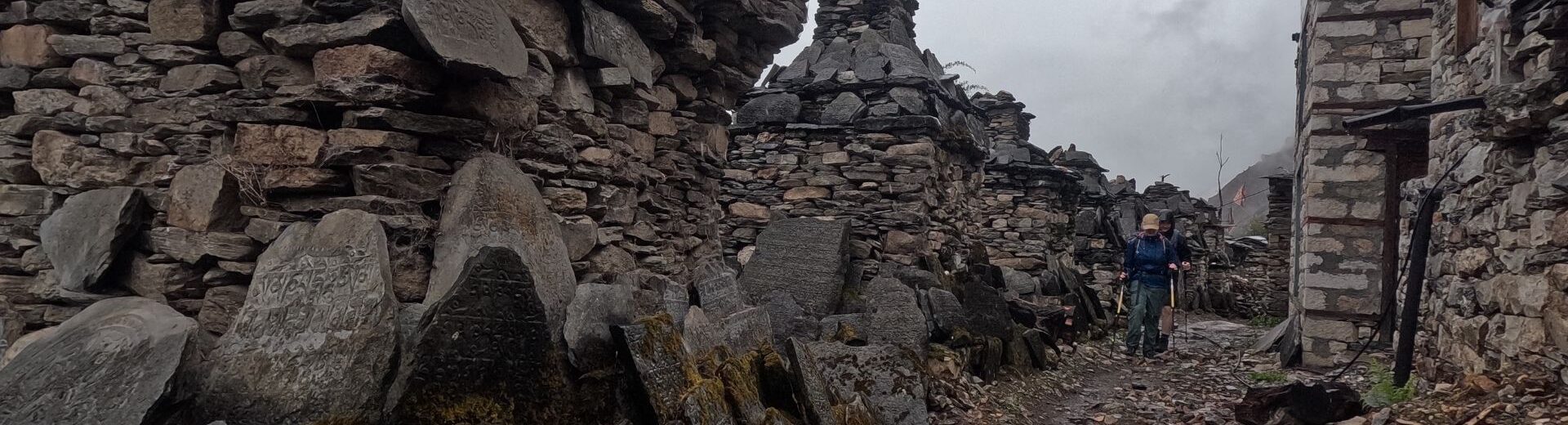
Tucked away from Nepal’s more crowded trekking circuits, the Tsum Valley is a rare gem of unspoiled landscapes and centuries-old Tibetan traditions. It lies in the northern part of the Gorkha district, in the Manaslu Conservation Area, stretching from lush mid-hills to remote alpine terrain near the Tibetan border. This is a land of ancient monasteries, carved mani walls, and stone villages that seem frozen in time.
The success of your Tsum Valley journey depends on one crucial factor: timing. Choose the right season, and you’ll walk beneath crisp blue skies, see the Ganesh and Sringi Himal ranges in full glory, and witness vibrant cultural festivals. Pick the wrong one, and you might face obscured views, leech-filled trails, or deep snow blocking mountain passes.
The best time to trek Tsum Valley is between March–May (spring) and September–November (autumn). These months offer stable weather, comfortable temperatures, and the valley’s most spectacular scenery, whether it’s the rhododendron bloom in spring or the golden fields and crystal skies of autumn. But each season has its own charm, and knowing how the valley transforms throughout the year helps you choose the perfect window for your adventure.
Why Choosing the Right Season Makes All the Difference
Timing is everything in the Himalayas. The Tsum Valley trek weather dictates not just your comfort, but your entire experience from the gear you pack to the memories you make. The right season opens up a world of crystal-clear mountain panoramas, accessible trails, and vibrant cultural festivities. You’ll walk on dry, firm paths with the sun warming your back, surrounded by the cheerful energy of fellow trekkers and locals.
Choosing the wrong season can lead to significant challenges. During the monsoon, “slippery trails” means slow, cautious progress and an increased risk of falls, while persistent rain can dampen spirits and equipment. In winter, “extreme cold” requires investing in specialized gear like down jackets and thermal layers, and you must be mentally prepared for nights where temperatures drop severely. Understanding the distinct characteristics of each Tsum Valley trekking season is the first step toward planning a successful adventure that aligns with your goals.
Spring Season (March to May) – Colourful Trails and Clear Views
Spring is a magical time to be in the Tsum Valley. As the winter chill recedes, the landscape bursts into colour, making it one of the best times for this trek. The trails are flanked by blooming rhododendrons, and the weather is generally stable and pleasant.
The moderate temperatures create ideal walking conditions. During the day, you can expect temperatures between 10°C to 20°C (50°F to 68°F), perfect for trekking without being too hot. The skies are often clear, offering spectacular views of the snow-capped giants like Ganesh Himal, Sringi Himal, and the Manaslu range. This season also provides a chance to witness the Saka Dawa festival, a significant Buddhist celebration that adds a rich cultural layer to your journey. The combination of comfortable weather, lush scenery, and cultural events makes spring a top choice for those wondering when to trek to Tsum Valley, Nepal.
Autumn Season (September to November) – The Most Popular Time to Visit
Autumn is widely regarded as the ultimate Tsum Valley trekking season. The post-monsoon air is crisp and clear, providing the most reliable and breathtaking mountain views. This is the peak season for a reason; the weather is stable, dry, and mild.
The clear skies are the main draw for many trekkers. Daytime temperatures are pleasant, typically ranging from 15°C to 20°C (59°F to 68°F), making for comfortable hiking days. The trails are in excellent condition after the monsoon, and the visibility is unparalleled, making it a photographer’s dream. This is also the time of major Nepali festivals like Dashain and Tihar, offering a unique opportunity to immerse yourself in the local culture. For those seeking the best combination of weather, views, and cultural experiences, the autumn months are undoubtedly the best time to trek in the Tsum Valley.
Winter in Tsum Valley (December to February) – Quiet but Cold
Trekking in Tsum Valley during the winter offers a unique sense of solitude. The trails are quiet, and the crisp winter air often provides brilliantly clear mountain views. However, this season is not for the faint of heart due to the extreme cold.
The weather is the biggest challenge during these months. Daytime temperatures can hover between 5°C to 10°C (41°F to 50°F), but they plummet to well below -10°C (14°F) at night. Snowfall is common at higher elevations, which can block passes and make some parts of the trek inaccessible. While many guesthouses in the lower regions remain open, services can be limited. This season is best suited for experienced trekkers who are well-prepared for cold-weather camping and enjoy the peace of having the mountains almost to themselves.
Monsoon Season (June to August) – Lush but Wet
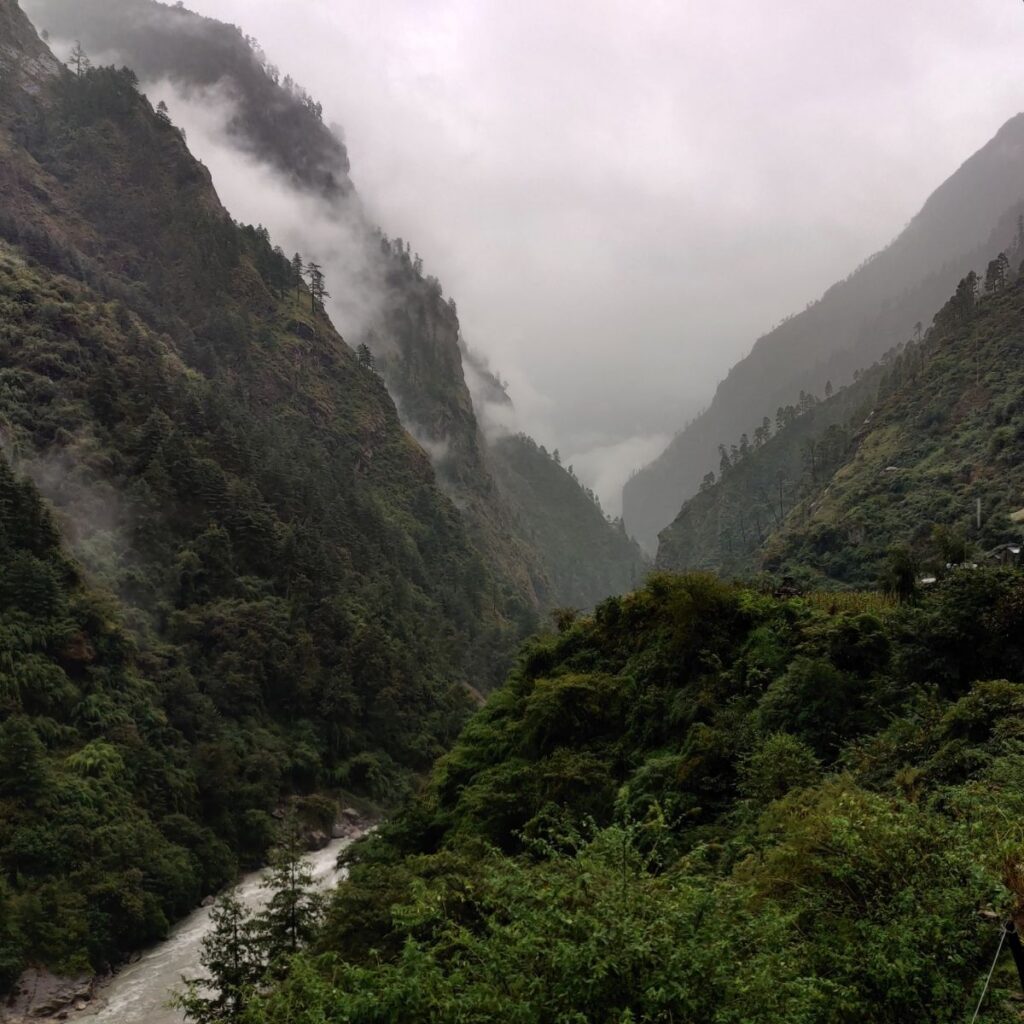
The monsoon season transforms the Tsum Valley into a lush, green paradise. The landscape is vibrant, and the waterfalls are at their most powerful. However, this beauty comes with significant challenges due to the weather.
Heavy and persistent rainfall is the defining feature of this season. The trails become muddy and slippery, and the risk of landslides increases, particularly in the lower regions. Leeches are also common on the trail. The constant cloud cover often obscures the mountain peaks, which can be disappointing for those seeking panoramic views. While the valley is incredibly green and full of life, the trekking conditions are difficult and potentially hazardous. For these reasons, the monsoon is generally considered the least favorable time for the Tsum Valley trek.
How to Choose the Best Month for Your Tsum Valley Trek?

Choosing the best month for your Tsum Valley trek depends on your personal preferences. Each season offers a different experience, so it’s important to align your expectations with the weather and conditions.
If your priority is stable weather and classic mountain views, October and November are your best bet. These autumn months offer the clearest skies and most pleasant temperatures. For those who love seeing nature in full bloom and enjoy slightly warmer temperatures, March and April in the spring are ideal. You’ll be rewarded with trails lined with colourful rhododendrons. If you are an experienced trekker seeking solitude and are prepared for the cold, December and January can be a magical time with few other people on the trails. Ultimately, understanding the nuances of the Tsum Valley trek weather will help you select the perfect time for your adventure.
Here’s a quick guide to match your goal and season:
| Goal | Best Months | Why |
| Clear views & stable weather | September – November, March – May | Ideal conditions, vibrant landscape, great visibility |
| Wildflowers & colors | March – May | Blooming rhododendrons and fresh greenery |
| Quieter trails | Early September, December – February | Off-peak times with fewer trekkers |
| Unique, green views | June – August | Lush landscapes, fewer crowds, risky but rewarding |
| Snow & solitude | December–February | Snow-covered trails, very few trekkers |
Your Perfect Tsum Valley Trek Starts with Mountain Routes
Planning your Tsum Valley trek is more than just picking dates. It is about shaping a journey that feels personal, meaningful, and in harmony with the valley’s natural and cultural rhythm. By choosing the right season, you set yourself up for moments that match your vision. This could mean standing before a sunlit panorama of snow-capped peaks, joining the locals in centuries-old monastery festivals, or walking in complete stillness along hidden trails that few have touched.
With the best time to trek Tsum Valley now clear, you can plan with confidence, knowing each step will be guided by the valley’s seasonal beauty. Mountain Routes specializes in crafting treks that align with your goals, pace, and sense of adventure. From recommending the perfect weather window to arranging experienced guides and comfortable stays, we ensure your journey is safe, enriching, and unforgettable.
The sacred heart of Tsum Valley is waiting. Let us help you experience it in a way that leaves you with not just memories but a deep connection to one of Nepal’s most extraordinary hidden gems.





 Chat on WhatsApp