
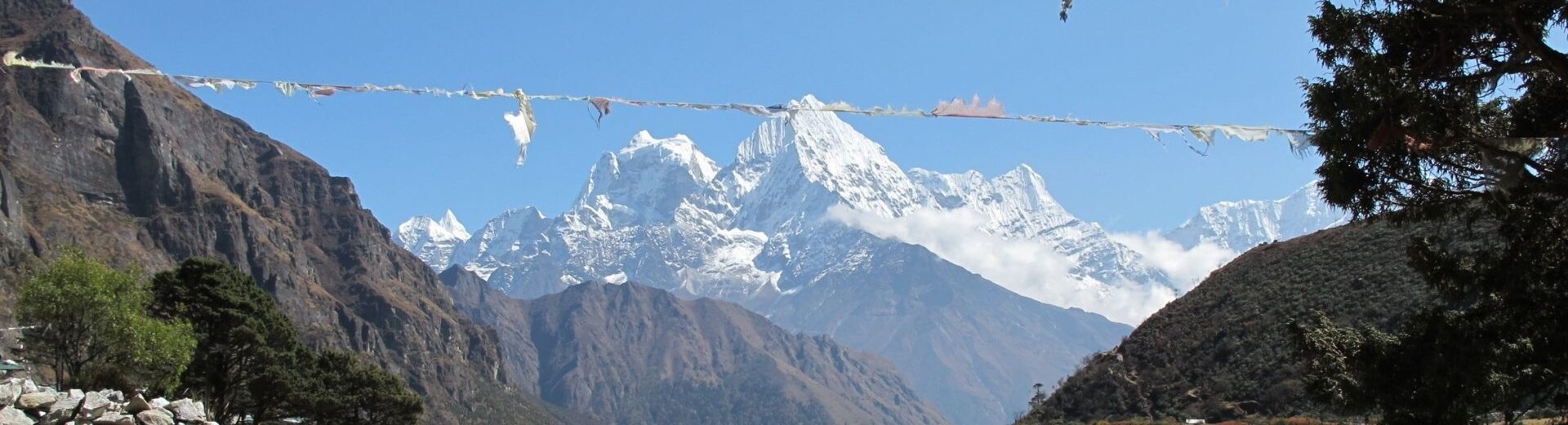
Why Autumn Stands Out for the Everest Base Camp Trek
Planning the adventure of a lifetime to Everest Base Camp is thrilling. However, choosing the right season can feel like a huge challenge. You dream of crisp photos and unforgettable views against a brilliant blue sky, not a landscape hidden by clouds and rain.
Imagine trekking for days, pushing your limits through the beautiful Khumbu Valley, only to reach a key viewpoint and find Mount Everest completely shrouded in thick monsoon mist. The disappointment would be immense after all that effort and anticipation. Fortunately, there is a perfect window to maximize your chances of success and witness the Himalayas in all their breathtaking glory.
The Everest Base Camp trek in autumn offers the clear skies and stable weather you need. This season transforms the region into a trekker’s paradise. The air is fresh, the views are endless, and a vibrant energy fills the trails, making every step of the journey a new, unforgettable experience.
Autumn in the Everest Region – What Makes It Special?
Autumn is special because the heavy summer monsoon rains have washed all the dust and haze from the atmosphere. This natural cleansing process leaves behind incredibly clear air and deep, cobalt-blue skies, creating the perfect conditions for viewing the world’s tallest peaks.
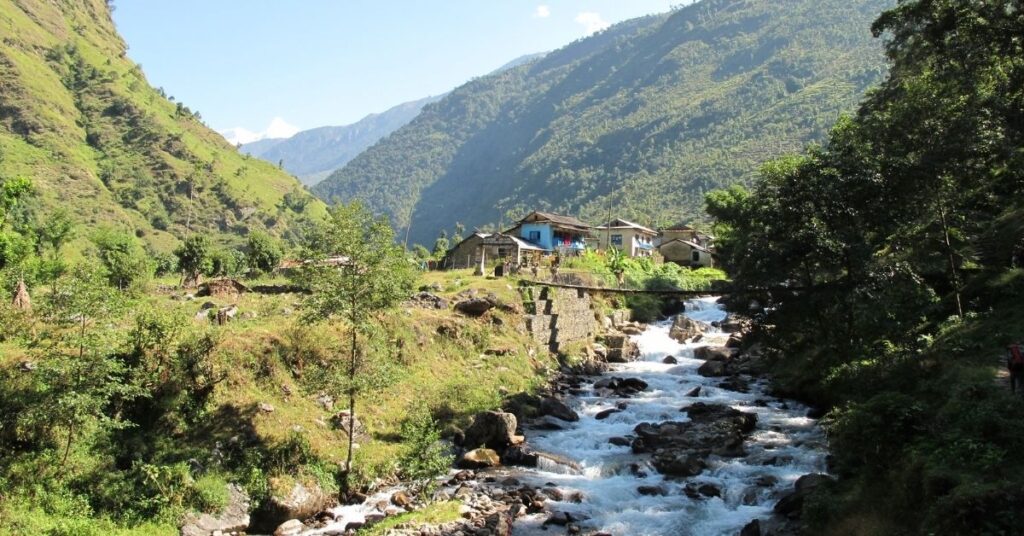
The months from September to November are widely considered the peak season for trekking in Nepal for good reason. The weather is remarkably stable and predictable.
- September: As the monsoon recedes, the landscape is lush and incredibly green. Early in the month might see some lingering clouds, but these quickly give way to clearer skies. It’s a beautiful time with fewer crowds than the peak of October.
- October: This is the heart of the autumn season. You can expect the most stable weather, with mild, sunny days perfect for trekking. During October trek in EBC, The air is crisp and clear, offering picture-perfect views almost daily.
- November: The weather remains clear and stable, but temperatures begin to drop, especially at higher altitudes. The trails become quieter as the season winds down, making it ideal for those who prefer more solitude and don’t mind the colder air.
This combination of minimal rainfall, excellent visibility, and manageable temperatures is why so many experienced trekkers consider this the absolute best time for the Everest Base Camp trek.
Seasonal Highlights for Autumn Trekkers
Autumn’s highlights extend far beyond just fantastic weather. You can expect unparalleled panoramic views, vibrant cultural festivals, and a lively, encouraging social atmosphere on the trail.
The reliable conditions are a photographer’s dream. The clear air makes every mountain peak, from the iconic pyramid of Ama Dablam to the towering giants of Lhotse and Everest, stand out with stunning sharpness. The sunrise from Kala Patthar is particularly magical, as the first rays of light set the snow-capped peaks ablaze with color.
Beyond the scenery, autumn hosts some of the most important Himalayan festivals. Depending on the lunar calendar, you might have the chance to witness the vibrant Mani Rimdu festival at Tengboche Monastery. This is a unique cultural experience where monks in elaborate masks perform sacred dances to celebrate the triumph of Buddhism. The trails are also alive with fellow trekkers from around the world. In the evenings, teahouses buzz with shared stories and a wonderful sense of community, as people gather around the stove to warm up and reflect on the day’s adventure.
Common Challenges of Autumn Treks
While autumn is the ideal season, its popularity creates a few challenges. Trekkers should prepare for busy trails, potential flight delays due to high demand, and the ever-present risk of altitude sickness.
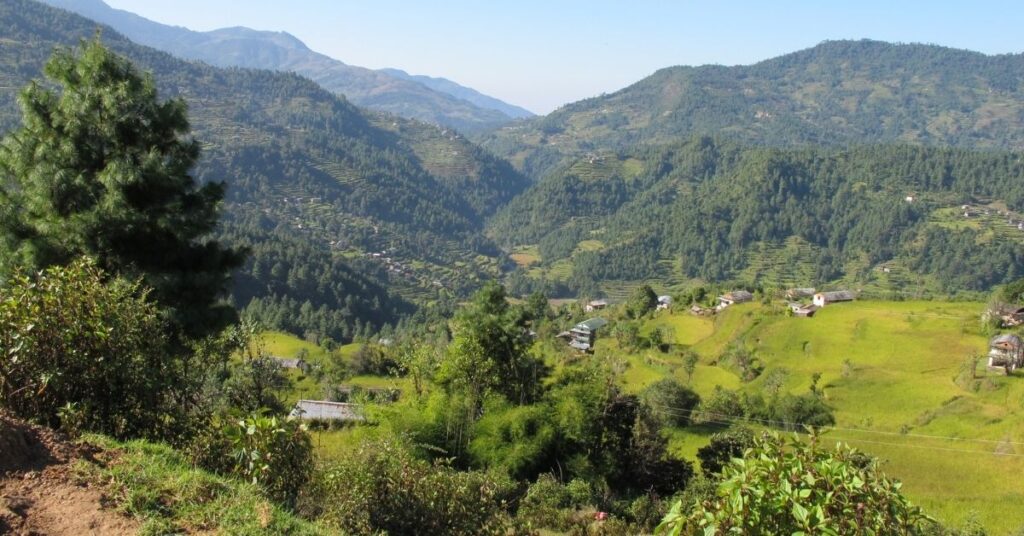
Being aware of these potential hurdles is the first step toward a successful trek. With smart planning, you can easily navigate the busiest season and focus on the incredible journey ahead. Booking your trip well in advance and building flexibility into your schedule are key strategies that make a world of difference.
Crowded lodges and busy trails in October
You will share the path with many other adventurers from across the globe. This creates a vibrant, social atmosphere but requires some forward planning for accommodation.
Because it is the most popular time, teahouses and lodges along the route can fill up quickly, especially in October. The best way to secure your spot is to book a fully organized trek with a trusted company at least 3-6 months in advance. This ensures your lodging is pre-arranged every night, saving you from the stress of searching for a room after a long day of hiking. To avoid the largest crowds on the trail, you can start your trek early each morning. This often gives you a quieter path and more time to enjoy the magnificent morning views.
Lukla flight delays due to high demand
The Tenzing-Hillary Airport in Lukla is the gateway to the Everest region. Its dramatic location, with a short, sloped runway surrounded by mountains, means operations are entirely dependent on clear weather, leading to delays, especially during the peak autumn season.
With so many flights scheduled, even a short period of fog or wind can create a significant backlog. The best solution is to add two or three buffer days to your itinerary at the end of your trek. This ensures that a flight delay won’t cause you to miss your international flight home. These extra days can be spent relaxing or exploring the fascinating sights of Kathmandu, providing a stress-free end to your trip.
Acclimatization risks despite stable weather
Excellent weather does not protect you from altitude sickness. This is a serious risk that is determined by your rate of ascent to a higher altitude, not the season or the clarity of the sky.
Acute Mountain Sickness (AMS) can affect anyone, regardless of age or fitness level. The only way to prevent it is by ascending slowly and allowing your body to adapt to the lower oxygen levels. A well-planned itinerary will include necessary acclimatization days, typically in Namche Bazaar and Dingboche. These are not rest days, but days for “active recovery,” where you hike to a higher altitude before returning to a lower elevation to sleep. Always listen to your guide, drink plenty of water (3-4 liters a day), and never ignore symptoms like a persistent headache, nausea, or dizziness.
For a deeper guide on planning your EBC adventure, check out the best time to trek to Everest Base Camp
What to Pack for Autumn EBC Trek
For an autumn trek, your packing strategy for EBC should focus on layering. You will need a moisture-wicking base layer, an insulating mid-layer like a fleece, and a waterproof and windproof outer shell jacket.
Smart packing ensures you remain comfortable and safe throughout your journey. Layering your clothing allows you to easily adapt as temperatures change from the sunny, mild afternoons to the cold nights and early mornings.
Here is an essential packing list to guide you:
Clothing
- Thermal base layers (tops and bottoms)
- Trekking shirts (short and long-sleeved)
- Fleece or down mid-layer jacket for warmth
- Waterproof and windproof outer shell jacket and pants
- Comfortable trekking pants
- Warm hat, gloves, and a buff or neck gaiter
Footwear
- Broken-in waterproof hiking boots with good ankle support
- Comfortable camp shoes or sandals for evenings
- Several pairs of moisture-wicking hiking socks
Gear
- A 40-50 liter backpack
- A four-season sleeping bag (rated to -10°C / 14°F)
- Trekking poles for support on steep sections
- Headlamp with extra batteries
Essentials
- Sunglasses, sunscreen (SPF 30+), and lip balm
- Refillable water bottles or a hydration bladder (at least 2 liters)
- Personal first-aid kit with any required medications
- Snacks for energy on the trail
Standard Itinerary for Autumn Season
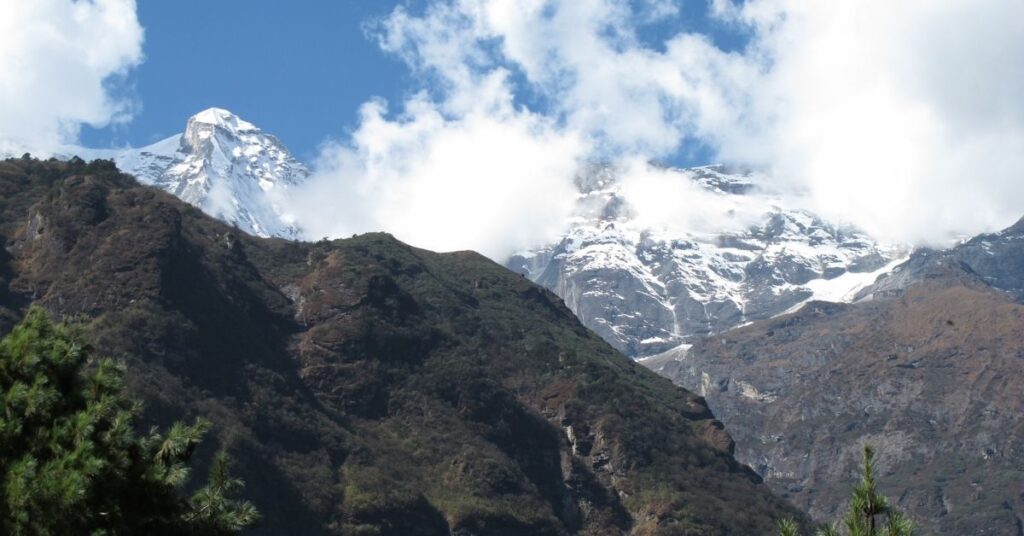
A standard trek to Everest Base Camp in autumn typically lasts between 12 and 14 days. Our 14-day Everest Base Camp trek itinerary is the recommended plan, designed to balance steady progress with essential acclimatization for a safe journey.
This itinerary is carefully designed to increase your altitude gradually, giving your body the best possible chance to adapt. Following a proven schedule is the single most important factor in reaching your goal safely and feeling strong enough to enjoy it.
Here is a sample day-by-day outline with a glimpse of the experience:
- Day 01: Fly to Lukla (2,840 m) & Trek to Phakding (2,610 m) – An exhilarating flight followed by your first steps in the Khumbu Valley.
- Day 02: Trek from Phakding to Namche Bazaar (3,440 m) – The challenging but rewarding ascent to the vibrant Sherpa capital.
- Day 03: Acclimatization Day in Namche Bazaar – Explore the town and hike to a viewpoint for your first stunning glimpse of Everest.
- Day 04: Trek from Namche Bazaar to Tengboche (3,860 m) – A beautiful trail with incredible views of Ama Dablam leading to a famous monastery.
- Day 05: Trek from Tengboche to Dingboche (4,410 m) – Move above the treeline into the high-altitude alpine landscape.
- Day 06: Acclimatization Day in Dingboche – Another key day to adjust, with an optional hike for panoramic valley views.
- Day 07: Trek from Dingboche to Lobuche (4,910 m) – Walk alongside the Khumbu Glacier moraine in a stark, powerful landscape.
- Day 08: Trek from Lobuche to Gorak Shep (5,140 m) & Visit Everest Base Camp (5,364 m) – The big day! Stand at the foot of the world’s highest mountain.
- Day 09: Hike to Kala Patthar (5,550 m) & Trek Down to Pheriche (4,240 m) – An early morning hike for the most iconic sunrise view of Everest.
- Day 10: Trek from Pheriche to Namche Bazaar (3,440 m) – A long descent back to the familiar comforts of Namche.
- Day 11: Trek from Namche Bazaar to Lukla (2,840 m) – Your final day of trekking, celebrating the journey’s completion.
- Day 12: Fly from Lukla to Kathmandu – The scenic flight back to the city.
- Day 13-14: Contingency/Buffer Days – Essential buffer for potential flight delays.
FAQs:
Is autumn the best time for the Everest Base Camp trek?
Yes, autumn (September-November) is widely considered the best season for its stable weather and clear views. Spring (March-May) is also excellent, especially for those who love seeing wildflowers like rhododendrons in full bloom.
How crowded is Everest Base Camp in autumn?
It is the busiest trekking season, so you can expect to meet many trekkers, especially in October. To avoid issues, book your trip well in advance. If you prefer more solitude, consider trekking in late November or early spring.
Do flights to Lukla get delayed in autumn?
Yes, flight delays are possible year-round due to unpredictable mountain weather. It is essential to have at least two buffer days in your itinerary. Pack essentials like medication and a change of clothes in your carry-on just in case.
What should I pack for an autumn trek to Everest Base Camp?
Pack in layers: a base layer, fleece jacket, down jacket, and a waterproof shell. Also bring broken-in hiking boots, a warm sleeping bag, and sun protection. Don’t forget a good power bank, as charging electronics is expensive in lodges.
Can beginners trek to Everest Base Camp in autumn?
Yes, beginners can absolutely succeed. The stable weather is a big advantage. The key is being in good physical condition and choosing an itinerary with proper acclimatization. Focus your training on cardiovascular fitness and leg strength through long day hikes.





 Chat on WhatsApp