Everest Base Camp Trek for Beginners
Standing at the foot of the world’s highest mountain is a dream for many. The Everest Base Camp trek for beginners makes that dream possible, even if you are new to Himalayan trekking. Each year, more than 40,000 trekkers take on this challenge, drawn by the thrill of high peaks, Sherpa culture, and the sense of achievement that comes from walking one of the planet’s most famous trails.
For first-timers, the path can feel intimidating. Concerns about fitness, altitude, and logistics often hold people back. Yet with the right preparation and guidance, this trek is within your reach.
Why Do People Love the EBC Trek?
People love the EBC trek for the powerful combination of stunning natural beauty, rich local culture, and the incredible sense of personal achievement. It is much more than just a walk in the mountains.
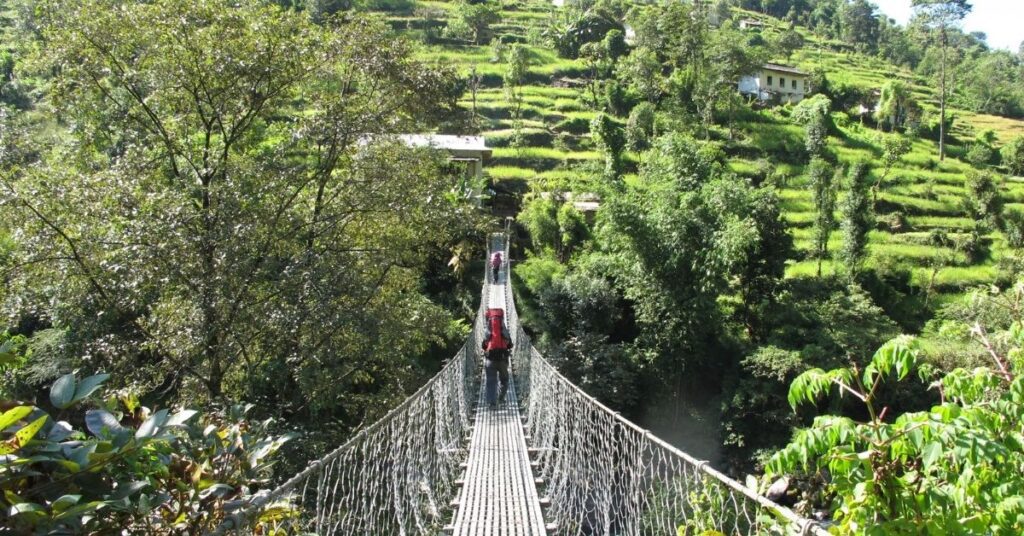
The scenery is the most obvious draw. You will walk through lush forests, cross high suspension bridges, and ascend into a world of towering, ice-covered giants. The moment you get your first clear view of Mount Everest is a memory that stays with you forever. But the journey is also a deep dive into Sherpa culture. You will visit ancient monasteries, spin prayer wheels, and walk past colorful prayer flags that flutter in the Himalayan wind. Finally, reaching Base Camp is a profound personal victory. It is a testament to your resilience and determination, proving that you can achieve extraordinary things.
Getting Fit Enough for the Trek
To complete the trek, you need good cardiovascular endurance and solid leg strength. You can build this fitness over three to six months with a consistent training plan, even if you are not a gym person.
You do not need to be a marathon runner, but you should be comfortable with long days of walking. The best preparation is a routine that focuses on endurance, strength, and practical experience. Think of it as three key building blocks for your EBC trek training plan.
1. Cardiovascular Training (3-4 times a week) This builds your heart and lung capacity, which is crucial for handling the lower oxygen levels at high altitude.
- Hiking: This is the best and most specific training you can do. Find local hills or trails and aim for multi-hour walks.
- Jogging or Running: An excellent way to boost your stamina.
- Cycling or Swimming: These are great low-impact options to build your aerobic base.
2. Strength Training (2 times a week) Strong legs and a stable core will protect your joints and make the long ascents and descents much easier.
- Legs: Focus on exercises like squats, lunges, and step-ups (using a staircase or box).
- Core: Planks, leg raises, and back extensions will help you carry your daypack with more stability.
3. Practice Hikes (Once a week) This is where you put it all together. Once a week, go for a long hike (4-6 hours) on varied terrain. Wear the hiking boots you plan to use on the trek and carry a backpack with some weight in it (about 5-7 kg). This prepares your body and mind for the reality of trekking day after day.
Permits You Need Before Starting
You will need two essential permits to legally trek in the Everest region. These are the Khumbu Pasang Lhamu Rural Municipality Permit and the Sagarmatha National Park Entry Permit.
Getting permits is a straightforward process, and they are checked at various points along the trail. Your guide will typically handle all the paperwork, but it is good to know what they are for.
- Khumbu Pasang Lhamu Rural Municipality Permit: This is a local government permit that has replaced the old TIMS card for the Everest region. You can get this in Lukla or Monjo. As of 2025, the cost is around NPR 2,000 (approx. $15 USD) per person.
- Sagarmatha National Park Entry Permit: This permit is required for entry into the national park, which is a UNESCO World Heritage Site. You can get this at the Nepal Tourism Board office in Kathmandu or at the park entrance in Monjo. The cost is around NPR 3,000 (approx. $22 USD) per person for foreign nationals.
When you book your trek with a company like Mountain Routes, we take care of arranging all the necessary trekking permits in Nepal. This means you can focus entirely on your preparation and the adventure ahead without worrying about administrative tasks.
Best Months to Go as a Beginner
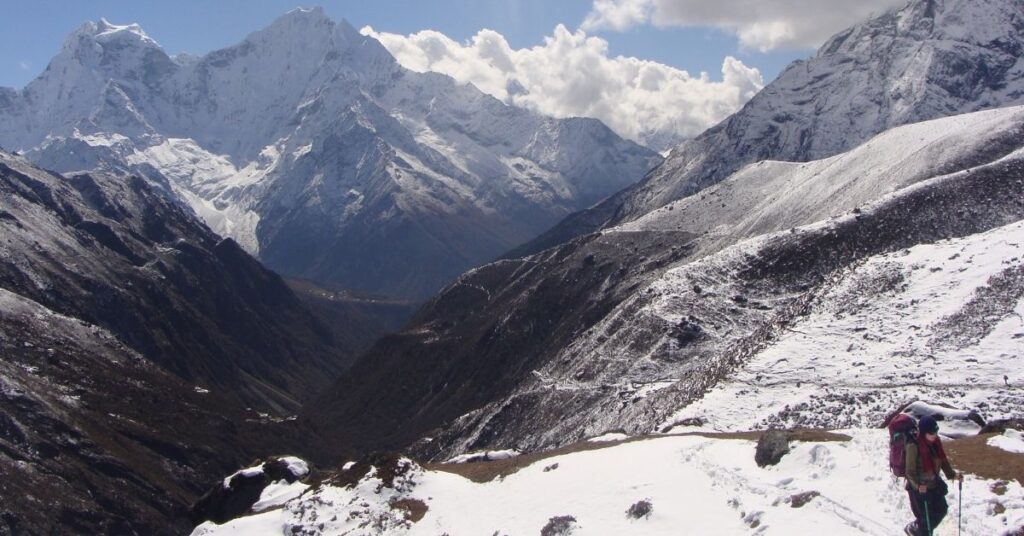
The best months for a beginner to trek to Everest Base Camp are during the two main trekking seasons. These are autumn (October to November) and spring (March to April).
These seasons offer the most stable weather and clearest views, which makes the experience safer and more enjoyable for first-time trekkers. Choosing the right time greatly reduces the difficulty of the EBC trek for beginners.
- Autumn (October – November): This is the most popular season. The monsoon has cleared the skies, leading to crystal-clear views of the peaks. The temperatures are mild during the day and cool at night. The atmosphere is vibrant, with many trekkers on the trail.
- Spring (March – April): This is the second-best season. The weather is warming up, and the hillsides come alive with blooming rhododendrons, adding beautiful color to the landscape. The views are generally great, though there can be some occasional haze in the afternoons.
It is best for beginners to avoid the monsoon season (June to August) due to heavy rain, leeches, and cloudy skies. Winter (December to February) is also challenging due to extreme cold and heavy snow at higher elevations.
Easy Itinerary You Can Follow
A beginner-friendly itinerary should last around 14 days, including two full days for acclimatization. Rushing to high altitudes is dangerous, so a slow and steady pace is the key to a successful trek.
This standard Everest Base Camp itinerary for beginners is designed to give your body the time it needs to adapt to the altitude. It minimizes risk while maximizing your enjoyment of the stunning scenery.
- Day 01: Fly to Lukla & Trek to Phakding: Your adventure begins with a thrilling flight to one of the world’s most unique airports.
- Day 02: Trek to Namche Bazaar: A beautiful walk along the Dudh Koshi River before the steep but rewarding climb to the Sherpa capital.
- Day 03: Acclimatization in Namche Bazaar: Explore the town and hike to a viewpoint for your first magical glimpse of Everest.
- Day 04: Trek to Tengboche: A stunning trail with views of Ama Dablam, leading to the region’s largest monastery.
- Day 05: Trek to Dingboche: You will move above the treeline into a dramatic landscape of rock and ice.
- Day 06: Acclimatization in Dingboche: A second rest day with a hike up a nearby ridge for incredible panoramic views.
- Day 07: Trek to Lobuche: The trail gets you closer to the massive Khumbu Glacier.
- Day 08: Trek to Gorak Shep & Everest Base Camp: The day you have been waiting for! Stand at the foot of Chomolungma (Mount Everest).
- Day 09: Hike Kala Patthar & Trek to Pheriche: An early morning climb to Kala Patthar for the best sunrise view of Everest.
- Day 10: Trek to Namche Bazaar: You will begin your descent, enjoying the thicker air and familiar trails.
- Day 11: Trek to Lukla: Your last day of trekking, a time to celebrate your achievement with your guide and porter.
- Day 12: Fly to Kathmandu: A final scenic flight back to the city.
- Day 13-14: Buffer Days: These extra days are crucial to account for any potential flight delays from Lukla.
Problems You Might Face on the Way
The main problems beginners face are related to the high altitude, potential flight delays, and simple physical fatigue. Knowing about these challenges beforehand helps you prepare for them with a positive mindset.
Every great adventure has its obstacles. By understanding them, you can turn them from sources of worry into manageable parts of your journey.
Altitude and Headaches
Altitude sickness is a common concern, but it is highly preventable. It happens when your body does not have enough time to adjust to the lower oxygen levels in the air.
A mild headache is a common first sign. The golden rule is to never ascend to a higher altitude with symptoms. The best prevention is to follow a proper acclimatization schedule, walk slowly, and drink plenty of water (3-4 liters daily). If you get a headache, tell your guide immediately. They will advise you to rest, hydrate, and may suggest simple pain relief.
Flights Not Running on Time
The weather in the mountains around Lukla can change in an instant. This means that Lukla flight cancellations and delays are a normal and expected part of trekking in the Everest region.
The best way to handle this is to build buffer days into your itinerary. Having two or three extra days in Kathmandu after your trek provides a safety net, so a delay will not cause you to miss your international flight. Think of it as part of the adventure, and stay flexible. Your guide and trekking company will manage the rebooking process for you.
Tired Legs After Long Days
You will be walking for 5-7 hours on most days. It is natural to feel physically tired, especially on the longer uphill and downhill sections.
Listen to your body. Take short breaks when you need them, and maintain a slow, steady pace that you can keep up all day. Using trekking poles can significantly reduce the strain on your knees, particularly on descents. Make sure to get plenty of sleep each night and eat hearty meals to refuel your body. Each day’s fatigue is a sign of a journey well-traveled.
Gear You Should Not Miss
As a beginner, your most important pieces of gear are well-worn waterproof hiking boots, a smart clothing layering system, and a comfortable backpack. Getting these three things right is half the battle.
You do not need to buy the most expensive gear, but you do need the right gear. Many essential items, like down jackets and sleeping bags, can be rented affordably in Kathmandu.
Your Essential EBC Packing List:
- Footwear: Broken-in waterproof hiking boots are non-negotiable. Blisters can ruin a trek.
- Clothing Layers:
- Base Layer: Moisture-wicking shirts to keep you dry.
- Mid Layer: A fleece or light down jacket for warmth.
- Outer Layer: A waterproof and windproof jacket and pants for protection.
- Backpack: A 30-40 liter daypack for you to carry essentials like water, snacks, and extra layers. Your main duffel bag will be carried by a porter.
- Sleeping: A four-season sleeping bag (rated to -10°C) is a must, as teahouse rooms are unheated.
- Other Must-Haves: Trekking poles, a headlamp, sunglasses, a warm hat, gloves, and a reusable water bottle with a purification filter or tablets.
Food and Bed During the Trek
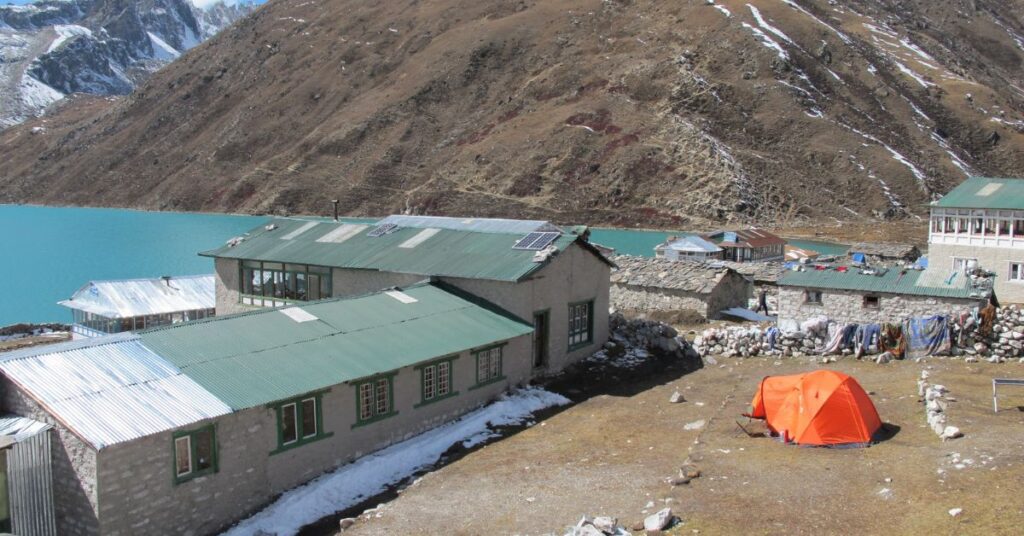
During the trek, you will sleep in basic guesthouses called teahouses and eat simple but energizing meals. This teahouse trekking experience is a unique and wonderful part of the journey.
The accommodation and food provide a comfortable and authentic way to experience life in the Khumbu Valley.
- Accommodation: Teahouses are family-run lodges. You will typically get a small room with two beds. Bathrooms are usually shared. The heart of the teahouse is the dining hall, where a wood-burning stove creates a warm and cozy atmosphere for relaxing and meeting other trekkers in the evening.
- Food: The menus are surprisingly varied. The most famous and recommended meal is Dal Bhat, a traditional Nepali dish of rice, lentil soup, and vegetables. It is nutritious, delicious, and offers unlimited refills, making it the ultimate trekker fuel. You will also find options like pasta, noodles, potatoes, eggs, and porridge.
Safety Basics You Must Follow
Your safety on the trail is the top priority. The most important rules for a beginner are to go with a licensed Sherpa guide, walk at your own pace, and always listen to your body.
Following a few simple safety rules will ensure your trek is memorable for all the right reasons.
- Hire a Guide: A guide is essential for a beginner. They manage your route, accommodation, and safety, and they provide incredible insight into the local culture.
- Walk Slowly: This is the best way to prevent altitude sickness. It is not a race.
- Stay Hydrated: Drink at least 3-4 liters of water every day.
- Get Travel Insurance: Your insurance must cover trekking up to 6,000 meters and include emergency helicopter evacuation.
- Never Ignore Symptoms: If you feel unwell, especially with a headache or nausea, tell your guide immediately.
Start Your EBC Trek With Us
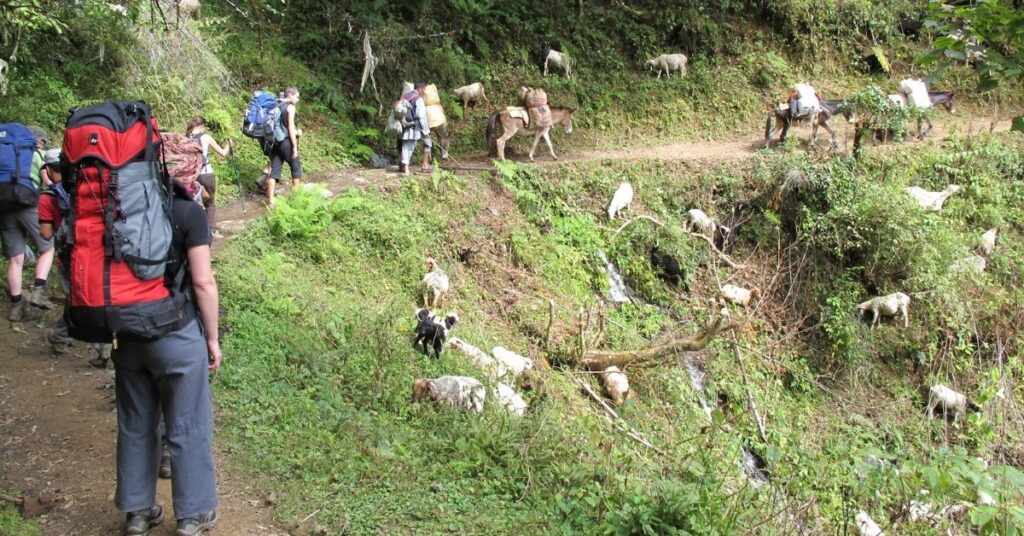
If you’re ready to take the first step, Mountain Routes can help. Our trips are designed for first-time trekkers, with careful acclimatization, reliable guides, and safe logistics.
Whether you’re an adventure traveler, a cultural explorer, or planning a group retreat, we make the journey smooth and memorable. Book now, ask us questions, or explore tailored itineraries that fit your style. Your Everest journey begins here.
FAQs
Is Everest Base Camp safe for new trekkers?
Yes, it is very safe for new trekkers who are well-prepared. The key is to choose a reputable company, hire a guide, and follow a slow and steady itinerary that allows for proper acclimatization.
How long do we walk each day?
You can expect to walk for about 5 to 7 hours each day. The focus is always on a slow and steady pace, not speed. The daily distance is not long, but the altitude makes it challenging.
Should I hire a guide for my first trek?
Absolutely. For a beginner, a guide is essential. They handle navigation, logistics, and your safety. They are also a wonderful bridge to understanding the local Sherpa culture.
What gear is a must for beginners?
The three most important items are broken-in waterproof hiking boots, a good clothing layering system, and a comfortable daypack. You can rent other bulky gear like a sleeping bag in Kathmandu.
How can I stop altitude sickness?
The best way to prevent it is to walk slowly, take your acclimatization days seriously, and drink plenty of water. Always communicate how you are feeling with your guide.





 Chat on WhatsApp