Benefits of Trekking with a Guide and Reasons to Hire One
Every year, thousands of trekkers arrive on Nepal’s trails, seeking the adventure of a lifetime. While they dream of crisp mountain air and stunning panoramas, many underestimate the Himalayas’ unpredictability.
A sudden storm, a missed trail, or the creep of altitude sickness can quickly turn an exciting trip into a dangerous ordeal. Far from any road, these challenges become serious. This is where the benefits of trekking with a guide become crystal clear.
A professional guide is more than just a trail leader. They are problem-solvers, translators, safety experts, and cultural storytellers who make your trek smooth and rewarding. They secure rooms in packed teahouses and share stories no guidebook contains. Crucially, they are trained to manage emergencies and spot the early signs of altitude sickness with calm professionalism.
For first-timers and seasoned hikers alike, hiring a guide is the key decision that makes the difference between worrying about logistics and truly enjoying the journey, allowing you to immerse yourself fully in the adventure.
Who is Your Trekking Guide?
A trekking guide is a trained professional who leads and supports you on your journey. They know the trails, weather, local customs, and emergency responses better than anyone.
In Nepal, licensed guides must undergo training and certification under the Nepal Academy of Tourism and Hotel Management (NATHM). Many speak English well and often come from the very regions where you trek. This means you travel with someone who not only knows the route but also calls the mountains home.
The Big Benefits of Trekking with a Guide
Hiring a trekking guide transforms your entire experience in the mountains. You gain a safety net, a cultural bridge, and a logistics manager all in one, allowing you to focus completely on the beauty around you. This partnership enhances your journey with invaluable safety, deep local insights, stress-free planning, and consistent encouragement.
From managing your health at high altitudes to sharing hidden stories of the landscape, a guide’s role is essential. They handle the details you might not even think of, ensuring your trek is smooth, safe, and deeply memorable.
Staying Safe Comes First
The mountains are beautiful, but they can also be unpredictable. Your guide’s number one priority is your safety. They are trained to recognize and respond to potential hazards, from changing weather conditions to tricky trail sections.
One of the biggest concerns on a Himalayan trek is Acute Mountain Sickness (AMS). A licensed trekking guide knows the signs and symptoms and will manage your itinerary to ensure proper acclimatization. They will pace the trek correctly, remind you to stay hydrated, and know exactly what to do if you start feeling unwell. This expert supervision is the most important benefit of hiring a guide in Nepal.
Local Knowledge That Adds Value
A map can show you the trail, but it cannot tell you the stories of the people who live there. A guide brings the landscape to life. They can point out rare birds, explain the meaning of prayer flags, and introduce you to unique local customs you would otherwise miss.
This cultural immersion is one of the best reasons to hire a guide. They can translate for you, helping you connect with teahouse owners and local villagers. You will learn about the daily lives of the Gurung, Sherpa, and other ethnic groups. This turns your trek from a simple walk into a rich, educational experience.
No Worries About Plans or Logistics
Planning a trek involves more than just packing a bag. You need permits, accommodation, and a daily schedule. A guide handles all of this for you, removing any stress and uncertainty from your trip.
Your guide will secure the necessary trekking permits and TIMS card before you even start. They will book the best available teahouses each night, which is crucial during the busy peak seasons when rooms fill up fast. They manage the timing, pace, and daily itinerary, so all you have to do is walk and enjoy the views. This logistical freedom is a huge advantage.
Support for Body, Mind, and Spirit
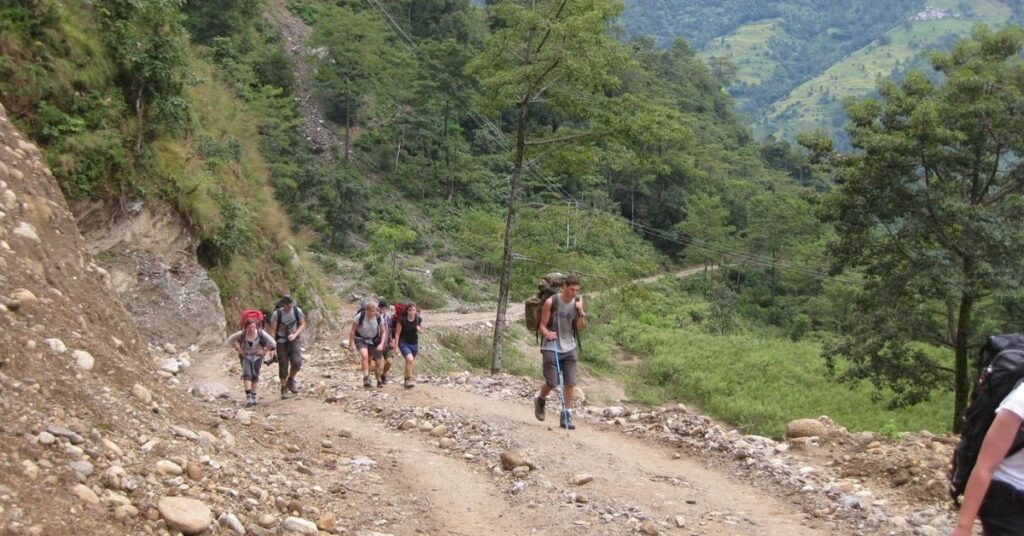
Trekking in the Himalayas is a physical and mental challenge. There will be tough days with long ascents. Your guide is there to provide constant encouragement and motivation, helping you push through the difficult moments.
They will set a sustainable pace that works for your fitness level, preventing burnout. They become a trusted companion on the trail, sharing stories and offering support. This companionship can be incredibly valuable, especially if you are trekking for the first time. Knowing you have a reliable professional by your side gives you the confidence to achieve your goal.
Easy Access to Restricted Trails
Some of Nepal’s most pristine and culturally unique regions are designated as restricted trekking areas. These include incredible destinations like Upper Mustang, Manaslu, and Kanchenjunga. To protect their fragile environments and cultures, independent trekking is not allowed in these zones.
By law, you must be accompanied by a licensed trekking guide to enter these areas. Hiring a guide is not just a benefit here; it is a legal requirement. This opens up a world of off-the-beaten-path adventures that would otherwise be inaccessible, allowing you to explore some of the most remote and beautiful parts of the Himalayas.
Helping You Trek in a Responsible Way
Trekking with a guide helps you become a more responsible tourist. They are advocates for sustainable practices in the mountains. They will teach you about “Leave No Trace” principles, ensuring you have a positive impact on the environment.
Furthermore, hiring a local guide ensures your money directly supports the local economy. It provides a stable, professional career for people in mountain communities. Your guide will also educate you on cultural etiquette, helping you interact with local people in a respectful and meaningful way. This commitment to responsible tourism is a core part of their job.
How Much Does It Cost to Hire a Guide in Nepal?
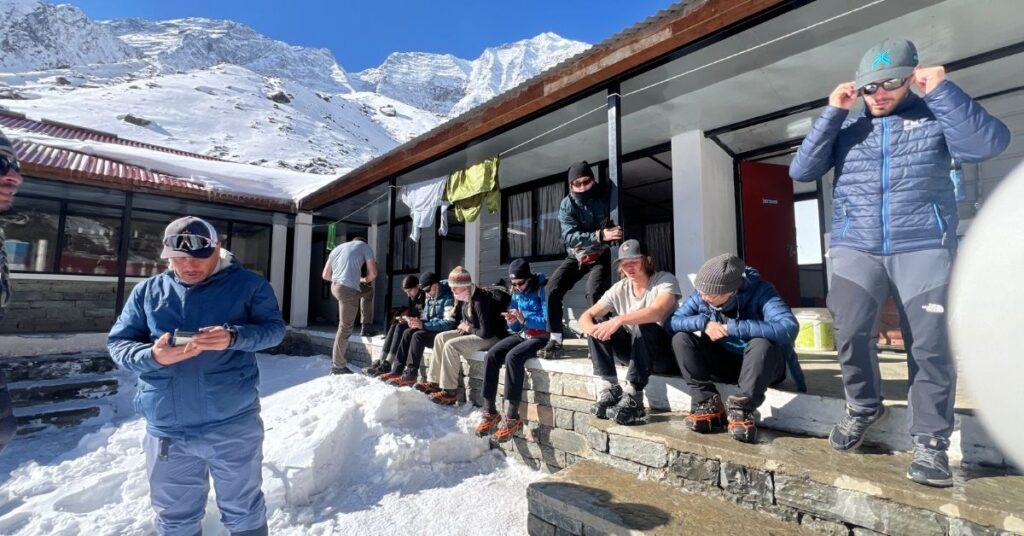
The cost of hiring a guide in Nepal is quite reasonable and offers incredible value for the service you receive. While prices can vary based on the region and the guide’s experience, you can expect to pay a standard daily rate.
Here is a general breakdown of the costs:
- Licensed Trekking Guide: The average cost is between $30 and $40 USD per day. This fee typically includes the guide’s salary, food, accommodation, and insurance.
- Porter-Guide: A porter-guide can carry a portion of your gear while also guiding you. They cost slightly less, usually around $25 to $30 USD per day.
- Porter: If you only need someone to carry your main backpack, a porter costs about $20 to $25 USD per day.
These costs do not include your own food and accommodation or tips for your guide and porter. When you book through a reputable agency, these costs are transparent and ensure that your guide is paid fairly and is fully insured.
Do You Need a Guide by Law in Nepal?
Yes, for most trekking areas, a guide is now mandatory. This is a recent and important change that all trekkers need to be aware of. The government of Nepal implemented this rule to improve safety and create more employment opportunities locally.
This regulation ensures that every trekker has professional support on the trail. It helps prevent accidents and ensures a quick response in case of emergencies. Understanding these rules is essential for planning a successful trek.
The New Rules Every Trekker Should Know
As of April 1, 2023, the Nepal Tourism Board (NTB) has made it mandatory for all foreign trekkers to use a licensed guide. This rule was introduced to stop solo trekkers from going missing and to enhance overall trekking safety in the Himalayas.
Under this policy, independent or Free Individual Trekkers (FITs) are no longer issued a TIMS (Trekkers’ Information Management System) card. You must now obtain your TIMS card through a government-registered trekking agency, and a guide is a required part of that package.
Which Treks Require a Licensed Guide?
This new rule applies to all major trekking regions in Nepal. This includes popular routes like the Everest Base Camp Trek, the Annapurna Circuit, the Annapurna Base Camp Trek, and the Langtang Valley Trek.
Previously, guides were only mandatory for restricted areas. Now, the requirement extends to nearly every trail in the country. Essentially, if you are a foreign national planning a trek in Nepal, you need to plan on hiring a licensed guide through an authorized agency.
What Happens If You Trek Without One?
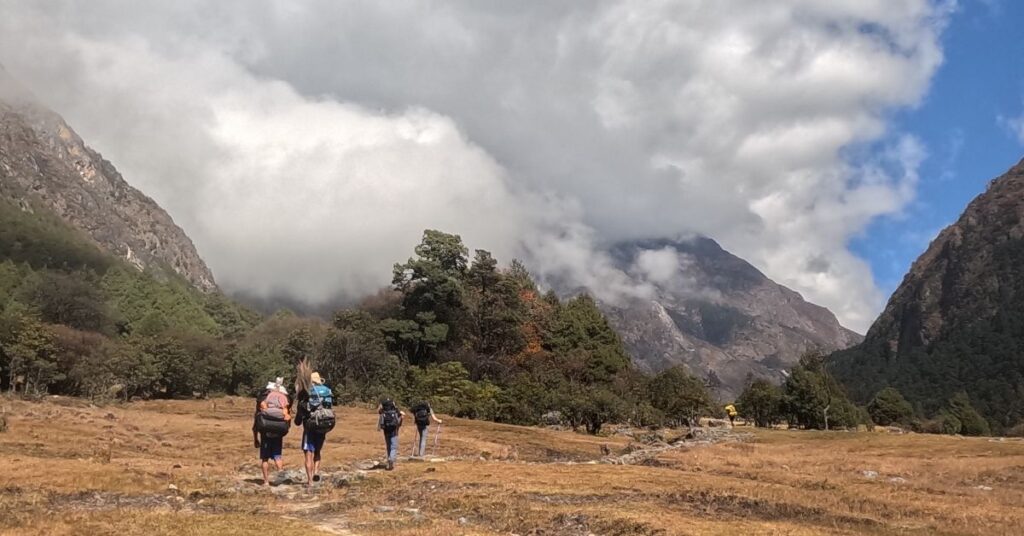
Attempting to trek without a guide will result in your trip being stopped before it even begins. You will not be able to obtain the required trekking permits and TIMS card on your own.
Trekking checkpoints are located along all major routes. Officials at these checkpoints will verify your permits and confirm you are accompanied by a licensed guide. Without the proper documentation and a guide, you will be denied entry to the trekking trails. It is simply not possible to trek legally in these areas without one.
How to Pick the Right Guide for Your Trek
Choosing the right guide is key to a great trekking experience. You want someone who is not only experienced and professional but also a good fit for your personality. A reputable trekking agency is the best place to start, as they vet their guides carefully.
When you are looking for a guide, you should confirm they are licensed by the government and have up-to-date first-aid and high-altitude training. It is also a good idea to communicate with them beforehand to ask questions and get a feel for their communication style.
For a complete checklist on what to look for, you can learn more about how to hire the best trek guide in Nepal.
The Big Difference a Licensed Guide and Local Agency Can Bring
Trekking in the Himalayas is a profound experience, and the right support system makes all the difference. A licensed guide from a reputable local agency like Mountain Routes provides peace of mind that is priceless. You are not just hiring a navigator; you are investing in safety, cultural insight, and a stress-free adventure.
Your guide is your partner every step of the way, from the first day on the trail to the final, triumphant view. They handle the challenges so you can focus on the journey. This allows you to connect more deeply with the landscape, the culture, and yourself.
FAQs
Can I still trek solo in Nepal?
No, as of April 2023, solo trekking for foreigners is no longer permitted in most areas. You must hire a licensed guide through a registered trekking agency to obtain the necessary permits.
How much should I tip my guide?
Tipping is a common practice to show appreciation for good service. A general guideline is to tip about 10% of the total cost of your trek. This is usually given on the last day.
Do guides arrange permits for me?
Yes, this is a key part of their service. When you hire a guide through an agency, they will arrange all your required permits, including the TIMS card and any national park or conservation area fees.
Are guides also porters?
No, guides and porters have different roles. A guide leads you, while a porter carries your main backpack. Some guides offer a “porter-guide” service where they do both, but this means they can carry less weight than a dedicated porter.





 Chat on WhatsApp