
Chhomrong: Your Essential Stopover on the ABC Trek
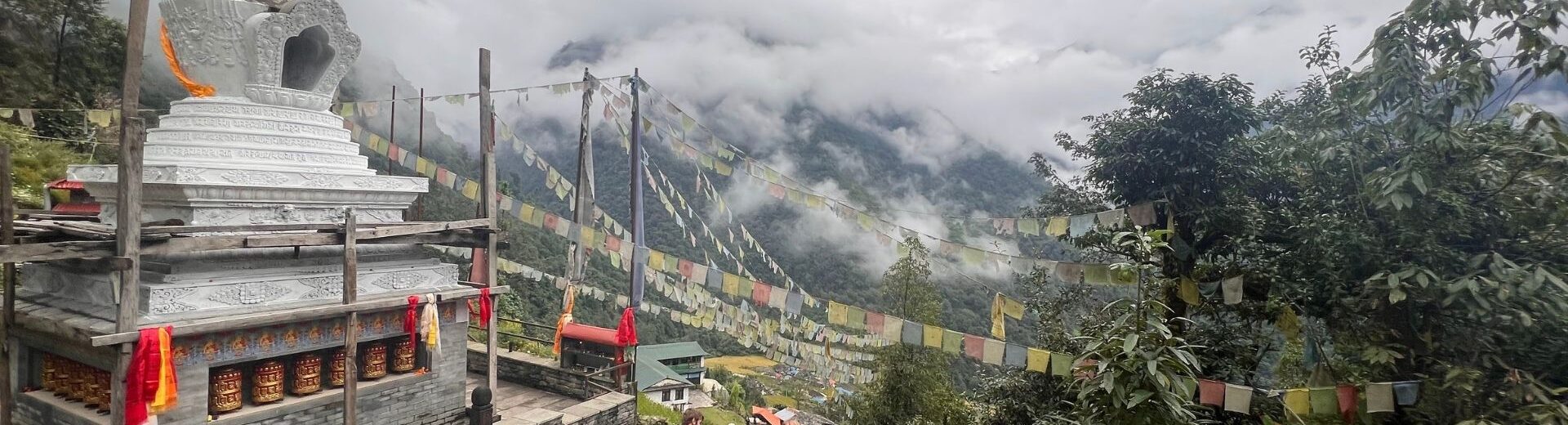
Every trek to Annapurna Base Camp passes through one unforgettable village: Chhomrong. Perched high on terraced hills, this Sherpa–Gurung settlement welcomes you with warm hospitality, sweeping Himalayan views, and a well-earned rest before the harder trails ahead.
Chhomrong is more than just another overnight stop. It is the gateway to the Annapurna Sanctuary, where the trail narrows, forests grow denser, and the mountains rise closer with every step. Many trekkers remember Chhomrong as a highlight of the entire journey because it blends culture, scenery, and comfort in a way few mountain villages can. Whether you are climbing up toward Annapurna Base Camp or descending back down to Jhinu Danda, Chhomrong is the village that ties the trek together.
Where is Chhomrong Located?
Chhomrong sits within the Annapurna Conservation Area (ACA) in central Nepal, at an altitude of 2,170 meters (7,120 feet). Built on a steep hillside, the village is divided into Upper and Lower Chhomrong, connected by long flights of stone steps.
From its terraces, you see some of the most iconic Himalayan peaks. The majestic Annapurna South (7,219m) and the sacred Machhapuchhre (Fishtail, 6,993m) dominate the skyline. On a clear day, the crisp ridgelines seem so close you feel you could reach out and touch them.
Culturally, Chhomrong is a Gurung-majority settlement, a community known for its rich traditions, hospitality, and long history of service as Gurkha soldiers. Their stone-built houses, terraced farming fields, and traditional dress offer you an authentic glimpse into life in the high hills of Nepal.
Because of its location, Chhomrong is the final major settlement before trekkers enter the remote gorge that leads directly into the Annapurna Sanctuary. That makes it a natural stop for acclimatization, resupply, and rest.
How to Reach Chhomrong on the ABC Trek
Most trekkers arrive in Chhomrong after two or three days of walking from the trailhead. There are several approaches:
- From Nayapul via Ghandruk: A popular route for those starting from Pokhara. You trek through charming villages, forests, and terraced hills before climbing toward Chhomrong.
- From Kimche via Jhinu Danda: A shorter alternative, often chosen by those who want to experience the hot springs early.
- From Sinuwa (northbound): For trekkers already moving down from higher elevations after visiting ABC.
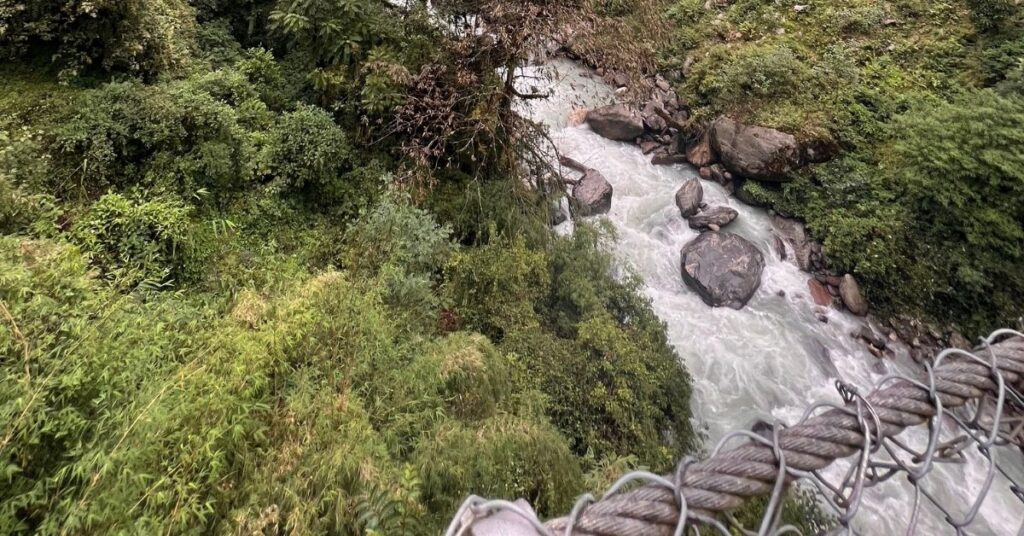
The approach to Chhomrong is famous for its endless stone staircases. To pass through the village, you must descend hundreds of steep steps down to cross the Chhomrong Khola (river), and then climb back up the opposite hillside. This section is one of the trek’s most demanding tests of stamina. Trekkers often joke that the staircases of Chhomrong are harder than the high passes.
Still, the reward is worth it. At the top of the climb, the village greets you with warm teahouses, terraces lined with flowers, and Himalayan views that make the effort fade from memory..
What Makes Chhomrong Village Special
Chhomrong is often called the capital of the Annapurna Sanctuary region. It serves as a crucial checkpoint for the Annapurna Conservation Area Project (ACAP) and a hub where trekkers, porters, and locals converge.
What makes it truly special is the unique balance of tradition and modernity. On one hand, you will see terraced rice fields, yak pastures, and the rhythm of daily village life. On the other hand, you can enjoy a slice of comfort in the form of bakeries, coffee shops, and Wi-Fi, luxuries that are rare further up the trail.
Many trekkers describe Chhomrong as a “mountain city in miniature”. It has energy, culture, and comfort packed into one hillside village. It feels like both an authentic Himalayan home and a modern trekking stop, which makes it stand out from every other point along the ABC trek.
Staying in Chhomrong: Your Rest Stop Before ABC
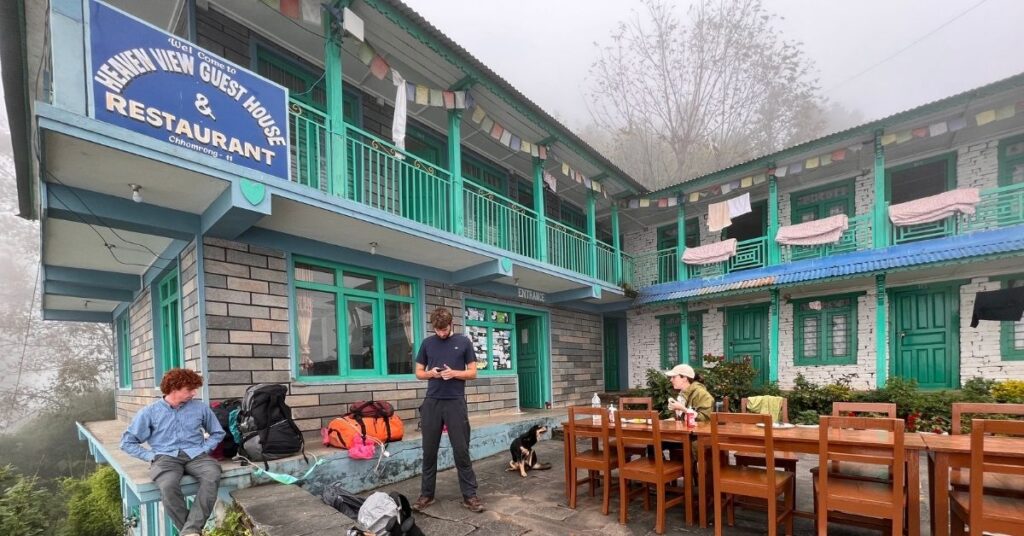
Spending a night in Chhomrong is almost unavoidable, and that’s a good thing. It is the perfect rest stop before the tougher sections of the trail.
The village offers a wide range of teahouses, from simple family-run lodges to larger guesthouses with better facilities. Most rooms are basic: twin beds with shared bathrooms, but a few lodges have private rooms and attached bathrooms for those who want a little extra comfort.
Here’s what you can expect when staying in Chhomrong:
- Hot Meals: Dining halls serve everything from dal bhat to pizza and apple pie.
- Charging & Wi-Fi: Available in most teahouses, though usually for a small fee.
- Hot Showers: A welcome luxury before heading into colder, more basic areas.
- Laundry Options: Many trekkers use Chhomrong as a place to wash clothes before moving higher.
Costs are slightly higher than in lower villages but still affordable. Meals range from USD 3–6, while rooms typically cost USD 5–10 per night. The real value, however, is in the chance to recharge, eat well, and prepare both physically and mentally for the days ahead.
Highlights You Can’t Miss in Chhomrong
While many trekkers view Chhomrong as just a stopover, the village itself has plenty to enjoy. Take the time to explore, and you won’t regret it.
- Sunrise Over the Annapurnas: Wake early to see the first rays of sunlight hitting Annapurna South, Hiunchuli, and Machhapuchhre. The changing colors on the peaks are unforgettable.
- German Bakery: Chhomrong is famous for its bakeries. Treat yourself to fresh bread, apple pie, or cinnamon rolls. It feels almost surreal to bite into warm pastry while staring at Himalayan giants.
- Permit Checkpoint: Officially check in your ACAP and TIMS permits. This checkpoint marks your transition from the “settled” villages into the wilder sanctuary.
- Coffee With a View: Several cafés have terraces overlooking the valley. Sitting with a cup of coffee as mule trains pass below is one of those simple joys that define trekking.
- Village Life: Just observing daily life like children walking to school, farmers tending their fields, or porters preparing loads, connects you to the human side of the Himalayas.
The Trail Beyond Chhomrong
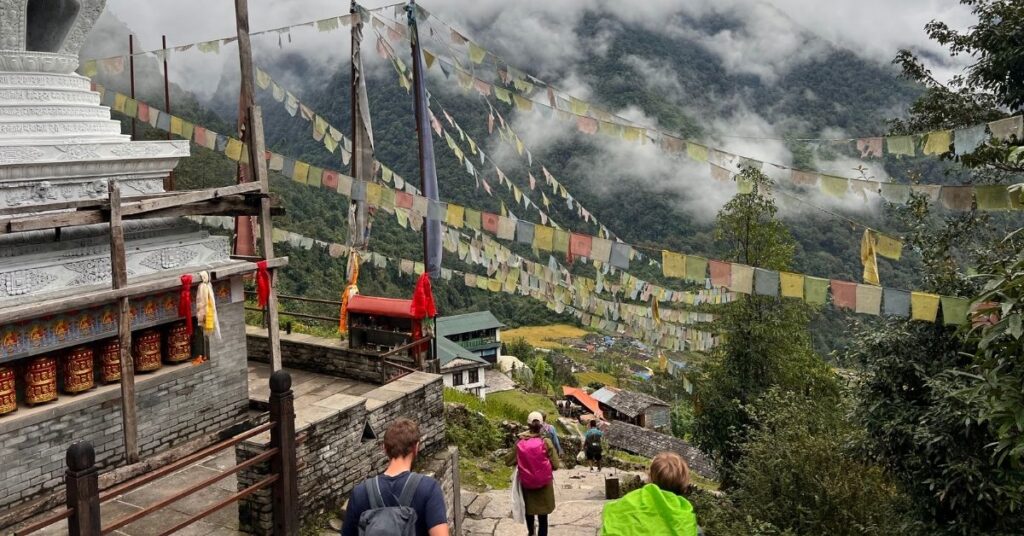
Leaving Chhomrong marks a major turning point in your ABC trek. The trail splits:
- One path takes you upward into the heart of the Annapurna Sanctuary, where villages thin out and the terrain becomes rugged.
- Another descends toward Jhinu Danda, home to hot springs that many trekkers visit on their return.
If you continue toward ABC, you descend the long staircase to cross the Chhomrong Khola. Then comes a steep climb to Sinuwa, followed by dense bamboo and rhododendron forests that feel almost primeval. This is where the landscape changes dramatically; farmlands give way to wild forests, waterfalls, and deep gorges. Wildlife such as langurs, Himalayan pheasants, and barking deer are sometimes spotted here.
From Sinuwa, you move deeper into the Modi Khola gorge, passing villages like Bamboo, Dovan, and Deurali, before reaching the higher alpine world of Machhapuchhre Base Camp and finally Annapurna Base Camp itself.
Chhomrong to Jhinu Danda
For trekkers descending from ABC, the path from Chhomrong to Jhinu Danda is one of the most rewarding sections.
Jhinu, located at 1,780 meters, is best known for its natural hot springs by the Modi Khola river. After days of walking, soaking your sore muscles in the warm pools is pure bliss. The short walk down from the village to the riverside springs takes about 20 minutes, and the sound of rushing water combined with the hot mineral pools creates a perfect end to the trek.
Many groups treat Jhinu as a celebration stop, where trekkers share stories, laugh, and relax together before heading back to Pokhara.
Best Time to Visit Chhomrong
The best time to experience Chhomrong is during the two main trekking seasons:
- Autumn (late September to November): Clear skies, crisp air, and reliable weather. The rice fields glow golden, and mountain views are at their sharpest.
- Spring (March to May): Warmer temperatures and spectacular rhododendron blooms turn the forests around Chhomrong into a sea of red and pink flowers.
Other seasons offer different charms:
- Winter (December to February): Quiet trails and snow-dusted terraces, though teahouses can be cold.
- Monsoon (June to early September): Lush greenery and fewer crowds, but trails are slippery and leeches can be an issue.
Handy Guide for Trekkers
To make your stay in Chhomrong as smooth as possible, keep a few practical tips in mind. A little preparation goes a long way in this key village.
- Use Trekking Poles: Your knees will thank you on the thousands of stone steps, both up and down.
- Have Permits Accessible: You will need to show your ACAP permit and TIMS card at the checkpoint.
- Carry Enough Cash: While there are amenities, there are no ATMs. Bring enough Nepali rupees for snacks and extras.
- Wake Up Early: The best mountain views are often in the clear, early morning air before clouds roll in.
- Book Ahead in Peak Season: Teahouses can fill up quickly in October and April. Ask your guide to book a room in advance.
Want a smooth trek to ABC? Start by booking your guided trip with us.
The journey through Chhomrong is one of the highlights of the Annapurna Base Camp trek, but navigating its staircases and planning the days ahead requires good preparation. With a guide, you don’t have to worry about securing accommodation, handling permits, or adjusting your pace for acclimatization.
Our expert guides ensure that you enjoy the culture, scenery, and comfort of Chhomrong, while smoothly managing the logistics of your trek. You’ll have more time to soak in the mountain views, chat with locals, and focus on the experience rather than the planning.
Take the stress out of your adventure. Book your Annapurna Base Camp trek with us and let Chhomrong be the start of a journey you’ll never forget.





 Chat on WhatsApp