
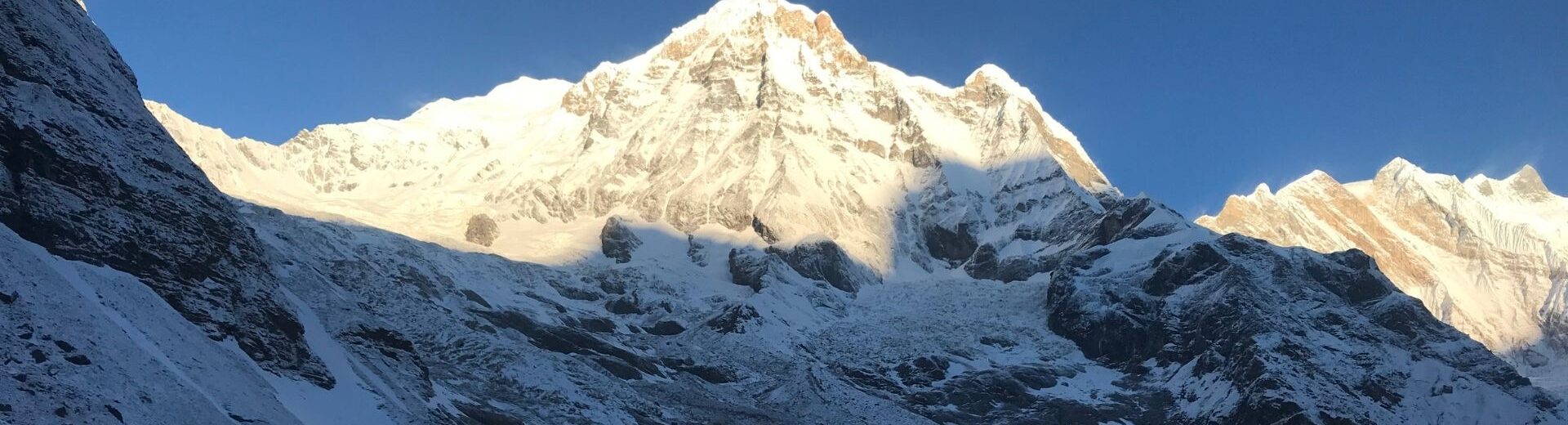
Annapurna Base Camp Trek in Autumn – A Perfect Time
Golden forests, crisp skies, and clear mountain views make autumn in Nepal a season of magic. This is the time when the Annapurna Base Camp Trek in Autumn becomes a perfect choice for adventure seekers like you. After the monsoon clears, the Himalayas shine brighter than ever. The trails welcome you with fresh air, colorful landscapes, and safe weather. Many trekkers who face fog or heavy rains in summer often regret not choosing autumn. This season gives you the chance to enjoy every moment without those struggles.
The Annapurna region, one of the most popular trekking destinations in Nepal, offers its best during autumn. The views are sharp, the villages lively, and the trails balanced with just the right number of travelers. If you are searching for a trek that combines natural beauty, cultural depth, and comfort, autumn is the solution you are looking for.
Why Autumn Feels Right for the ABC Trek
Autumn is widely celebrated as the best time for the Annapurna Base Camp Trek. This season, running from September to November, offers a perfect blend of comfortable weather and spectacular scenery. After the monsoon rains wash the dust from the air, the world here feels fresh, clean, and vibrant.
The trails are in their best condition during these months. They are dry and stable, making your walk safer and more enjoyable. The air is crisp and clear, providing unobstructed views of the towering peaks that surround you. This clarity is what makes the ABC Trek in Autumn a photographer’s dream and a trekker’s delight. You get to see the Annapurna range in all its glory, every single day of your journey.
Furthermore, the timing aligns with Nepal’s biggest festivals, Dashain and Tihar. This adds a unique cultural richness to your adventure. You will see villages decorated and feel a festive energy in the air. Trekking during this period is not just a walk in the mountains; it’s an immersion into the joyful spirit of Nepal. The combination of perfect trails, clear views, and cultural celebrations makes autumn the ultimate season for this trek.
Weather You Can Expect This Season
The weather during an Annapurna Base Camp trek in Autumn is remarkably stable and pleasant. You can expect mild to warm temperatures during the day and cool, crisp nights. This balance is ideal for trekking, as you won’t face extreme heat or biting cold while you walk.
At lower elevations, daytime temperatures typically range from 15 to 20°C (59 to 68°F). This is comfortable t-shirt weather for many trekkers. As you ascend towards Annapurna Base Camp, the air gets thinner and cooler. Daytime temperatures at higher altitudes will hover around 5 to 10°C (41 to 50°F). The sun is still strong, so it feels pleasant when you are moving.
Nights, however, are colder, especially as you gain altitude. At places like Machapuchhare Base Camp and Annapurna Base Camp, temperatures can drop to freezing or slightly below, from 0°C to -5°C (32°F to 23°F). This is why packing layers is so important. You can easily adjust your clothing to stay comfortable throughout the day and stay warm in the teahouses at night. Overall, the predictable and mild weather is a key reason why autumn is considered the best time for the ABC trek.
What Makes the Autumn ABC Trek Special
The autumn season offers more than just good weather. It’s a time when the entire Annapurna region comes alive with unique sights and sounds that you won’t find at other times of the year. The experience is richer, more vibrant, and deeply memorable.
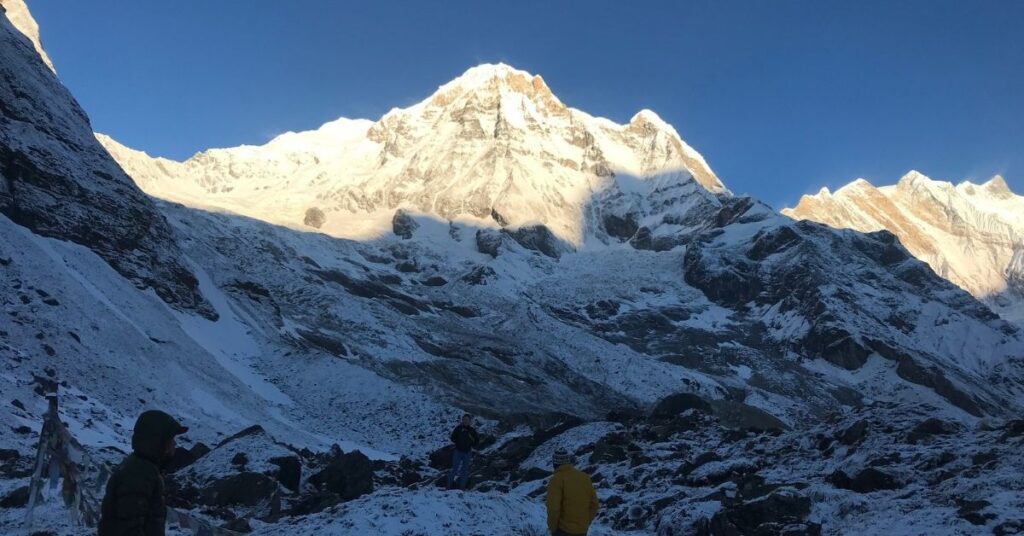
One of the biggest highlights is the unparalleled mountain views. The post-monsoon air is free from haze, revealing razor-sharp outlines of Annapurna I, Annapurna South, Machapuchhare, and Hiunchuli. The deep blue skies create a stunning contrast with the snow-white peaks, making every viewpoint a spectacular photo opportunity. You will feel completely surrounded by the Himalayan giants.
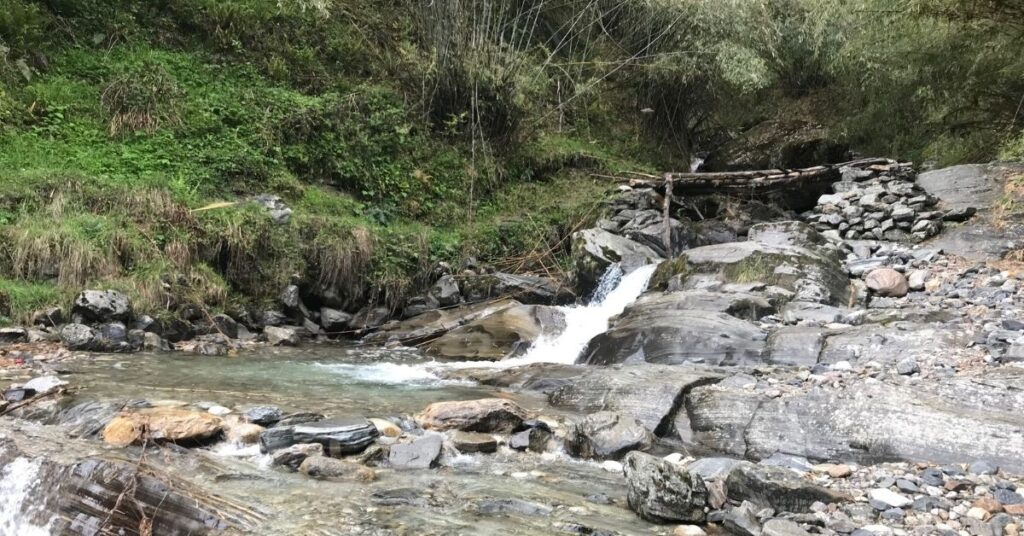
The landscape itself is incredibly lush and green. The summer rains rejuvenate the forests and terraced fields, leaving them vibrant and full of life. You’ll trek through dense rhododendron and bamboo forests and pass by rushing waterfalls. The Modi Khola river, which you follow for much of the trek, flows powerfully through the valley. This connection to nature feels deeper and more profound in autumn. The combination of clear skies and a revitalized landscape makes this the most visually rewarding time to be on the trail.
Problems You Might Face on the Trail
While autumn is the best season, it’s also the most popular. Being aware of potential challenges helps you prepare better for ABC trek and ensures your trek is smooth and enjoyable. A little planning goes a long way.
Crowded Trails and Teahouses
Autumn’s perfect conditions attract trekkers from all over the world. This means the main trails and popular villages like Chhomrong and Deurali can get busy. Teahouses, the local lodges where you’ll stay, can fill up quickly.
The solution is simple: book your trek in advance. An organized tour with a company like Mountain Routes ensures your accommodation is secured every night. If trekking independently, try to reach your destination for the day a bit early to get a room. Also, starting your trek each morning a little earlier than the main crowds can give you a quieter, more personal experience on the trail.
Colder Temperatures at Altitude
The clear skies of autumn also mean colder nights. While days are sunny and pleasant, the temperature drops significantly after sunset, especially above 3,000 meters. Annapurna Base Camp itself can experience freezing temperatures overnight.
To handle this, pack smart and use layers. A warm down jacket, thermal innerwear, a beanie, and gloves are essential for the evenings. A good quality sleeping bag (-10°C rating) will ensure you stay warm and get a good night’s rest in the teahouses. This preparation allows you to enjoy the crisp mountain evenings and starry nights comfortably.
The Need for Advance Booking
Because autumn is peak season, everything from international flights to local transportation and guides gets booked up fast. Leaving your planning to the last minute can lead to higher prices or a lack of availability. This can add unnecessary stress to your adventure.
Plan and book your trip several months in advance. This includes your flights to Nepal, your trekking company, and any necessary permits. Doing so not only secures your spot but often saves you money. With all the logistics handled, you can relax and focus on the incredible journey ahead.
Simple Packing List for Autumn Trekkers
Packing for the Annapurna Base Camp Trek in Autumn is all about layers. You need to be ready for warm, sunny days and cold, chilly nights. This list covers the essentials without weighing you down.
Clothing:
- Base Layer: 2-3 moisture-wicking thermal tops and bottoms.
- Mid Layer: A fleece or down jacket for warmth.
- Outer Layer: A waterproof and windproof jacket and pants.
- Trekking Shirts: 3-4 quick-drying shirts.
- Trekking Pants: 2 pairs of comfortable, breathable hiking pants.
- Headwear: A warm beanie for evenings and a sun hat or cap for the day.
- Gloves: A pair of warm gloves.
- Socks: 4-5 pairs of wool or synthetic hiking socks.
Footwear:
- Hiking Boots: Sturdy, waterproof boots that are well broken-in.
- Camp Shoes: A pair of sandals or comfortable shoes for evenings at the teahouse.
Gear & Accessories:
- Backpack: A 40-50 liter backpack with a rain cover.
- Sleeping Bag: A four-season bag rated to -10°C (14°F).
- Trekking Poles: Highly recommended to save your knees on ascents and descents.
- Headlamp: Essential for early mornings and evenings, with extra batteries.
- Water Bottle/Bladder: Carry at least 2 liters of water.
- Water Purification: Tablets or a filter to treat your water.
- Sunglasses: UV-protective sunglasses are a must.
- Sunscreen and Lip Balm: High SPF to protect against strong sun.
- First Aid Kit: Include blister plasters, pain relievers, and any personal medications.
- Toiletries: A quick-dry towel, toothbrush, toothpaste, and wet wipes.
- Snacks: Energy bars, nuts, and chocolate for a boost on the trail.
- Cash: For buying snacks, drinks, and tipping your guide and porter.
Autumn Itinerary for ABC Trek
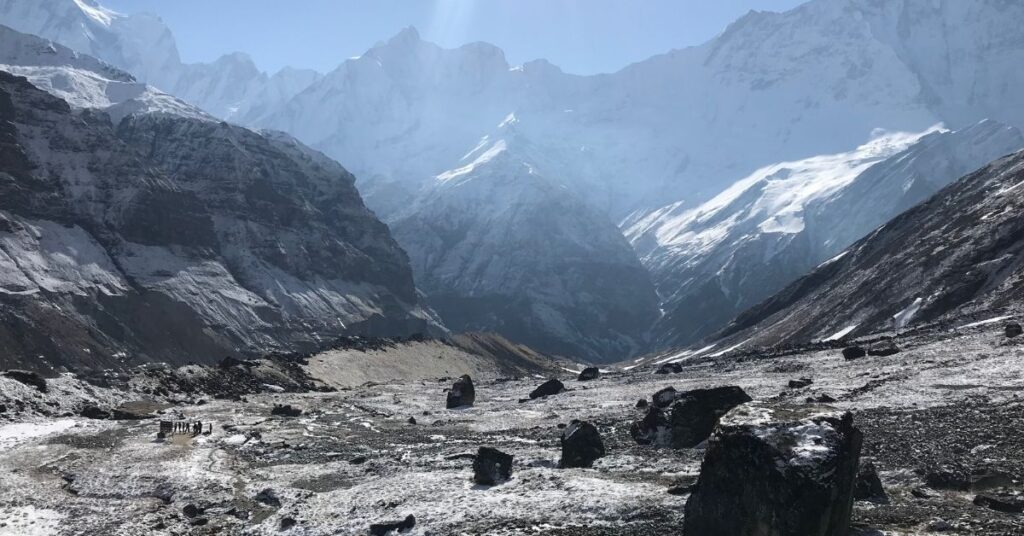
The itinerary for the Annapurna Base Camp trek can vary. The key is to allow enough time for acclimatization to prevent altitude sickness. A standard trek usually takes around 7 to 12 days, depending on the route and your pace.
Day 1: Arrive in Kathmandu.
Day 2: Drive or fly to Pokhara.
Day 3: Drive to Nayapul, trek to Tikhedhunga.
Day 4: Trek to Ghorepani.
Day 5: Sunrise at Poon Hill, trek to Tadapani.
Day 6: Trek to Chhomrong.
Day 7: Trek to Dovan.
Day 8: Trek to Deurali.
Day 9: Trek to Annapurna Base Camp (ABC).
Day 10: Trek back to Bamboo.
Day 11: Trek to Jhinu Danda, enjoy hot springs.
Day 12: Trek to Nayapul, drive to Pokhara.
If you’re short on time, check out this 5-Day Short Annapurna Base Camp Trek. It’s designed for trekkers who want the highlights without the full schedule.
Tips to Make Your Autumn Trek Easy
A little preparation can make your Annapurna adventure even more incredible. Follow these simple tips to ensure you have a safe, comfortable, and memorable experience on the trail.
- Train Before You Go: You don’t need to be a professional athlete, but good cardiovascular fitness is important. Go for regular hikes, run, or cycle in the months leading up to your trek. Practice walking on hills to prepare your legs for the ascents and descents.
- Walk Slowly and Steadily: This is a marathon, not a sprint. The “Nepali flat” trail involves lots of ups and downs. Walk at a pace that feels comfortable for you. A slow and steady pace helps your body acclimatize to the altitude and prevents exhaustion.
- Stay Hydrated and Eat Well: Drink at least 3-4 liters of water per day. Dehydration can worsen the symptoms of altitude sickness. Also, eat hearty meals. Dal Bhat, the local dish of rice, lentils, and vegetables, is an excellent source of energy.
- Hire a Guide and Porter: Hiring a local guide and porter makes your trek safer and more enjoyable. A guide will navigate the trail, share cultural insights, and manage logistics. A porter will carry your main backpack, leaving you free to walk with just a small daypack. This also supports the local economy.
- Listen to Your Body: Pay attention to how you feel. If you have a headache, feel dizzy, or are unusually tired, it could be a sign of altitude sickness. Inform your guide immediately. It’s okay to take an extra rest day if you need it.
Plan Your ABC Trek This Autumn With Us
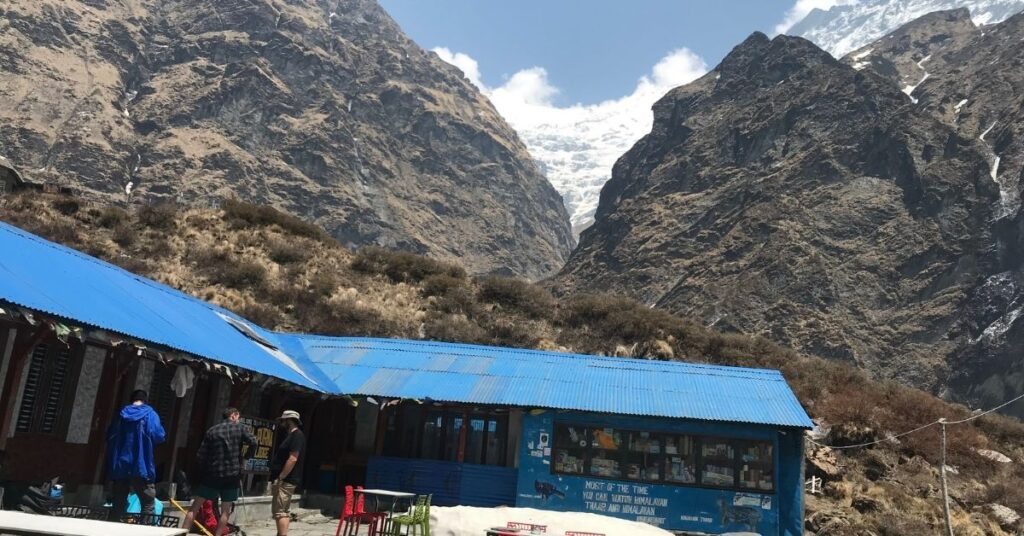
Reading about the clear skies and stunning peaks is one thing. Standing there, breathing in the crisp mountain air, is another. The Annapurna Base Camp Trek in Autumn is more than just a trip; it’s an experience that stays with you forever.
You have seen why autumn is the perfect time. The trails are waiting, and the mountains are calling. Now is the time to take the next step. Let us help you plan your Himalayan adventure with our expert guides and carefully crafted itineraries.
Don’t let another season pass you by. Start planning your trek today and join us for an unforgettable journey into the heart of the Annapurnas.
FAQs
Is autumn the best season for ABC?
Yes, autumn is widely considered the best season. It offers the clearest skies, best views, and most stable weather. The conditions are perfect for trekking.
How cold does it get at base camp?
At Annapurna Base Camp, nighttime temperatures in autumn can drop to freezing or slightly below, around 0°C to -5°C (32°F to 23°F). Days are still sunny and cool.
Can beginners do the ABC trek in autumn?
Yes, beginners can do the ABC trek. The trails are well-defined, and the autumn weather is favorable. As long as you are in good physical shape and walk at a slow, steady pace, you will find it challenging but very achievable. The full guide on the ABC trek for beginners will make it clear how the trek can be made easy for first timers.
Do I need a guide for this trek?
While it’s possible to trek independently, hiring a guide is highly recommended. A guide ensures your safety, handles all the logistics like accommodation and permits, and enriches your experience with local knowledge.
How many days should I plan for the trek?
A typical ABC trek takes between 7 to 12 days. The exact duration depends on your itinerary and walking speed. It is important to choose a plan that allows for proper acclimatization to the altitude.





 Chat on WhatsApp