
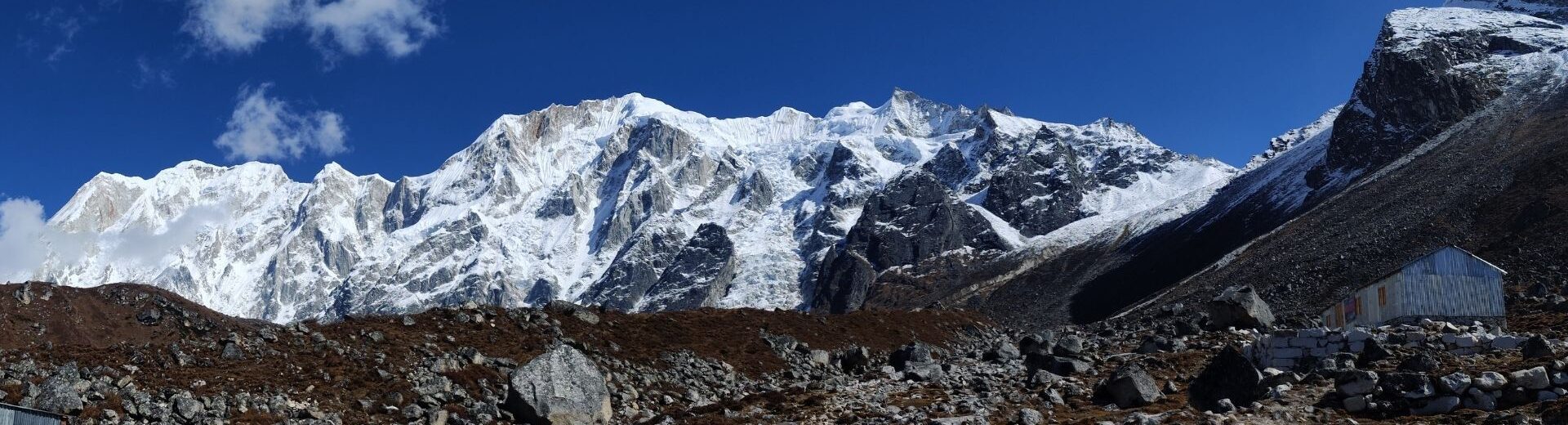
Nepal: More Than a Destination, It’s a Memory That Lasts Forever
There are places you visit and forget. And then, there’s Nepal, a country that stays with you long after you’ve left. Nepal isn’t just about ticking off mountains on a bucket list. It’s about the smile of a villager offering you tea, the prayer flags fluttering in the wind, the sound of bells echoing from a distant monastery, and the feeling that you’ve stepped into a world where nature and spirituality exist in perfect balance.
The towering Himalayas are the first to capture your imagination, their snow-clad peaks standing like timeless guardians of the sky. Yet, the true essence of Nepal lies beyond its mountains. It lingers in the smell of incense drifting from centuries-old temples, in the colourful prayer flags dancing with the wind, and in the warm smiles of people who welcome strangers like family. Nepal has a way of slowing you down, making you pause, breathe, and absorb the world around you in ways you never thought possible.
Every traveller leaves Nepal with a different memory, but the emotions remain the same: awe, peace, connection, and gratitude. Whether it’s conquering the trail to Everest Base Camp, sitting quietly beside a stupa as monks chant in the distance, or simply sharing tea with locals in a small mountain village, Nepal creates moments that stay imprinted in your heart. It is a land where adventure meets spirituality, where rugged paths lead to inner calm, and where every step feels like a story unfolding.
Nepal’s Blend of Nature, Culture & Spirituality
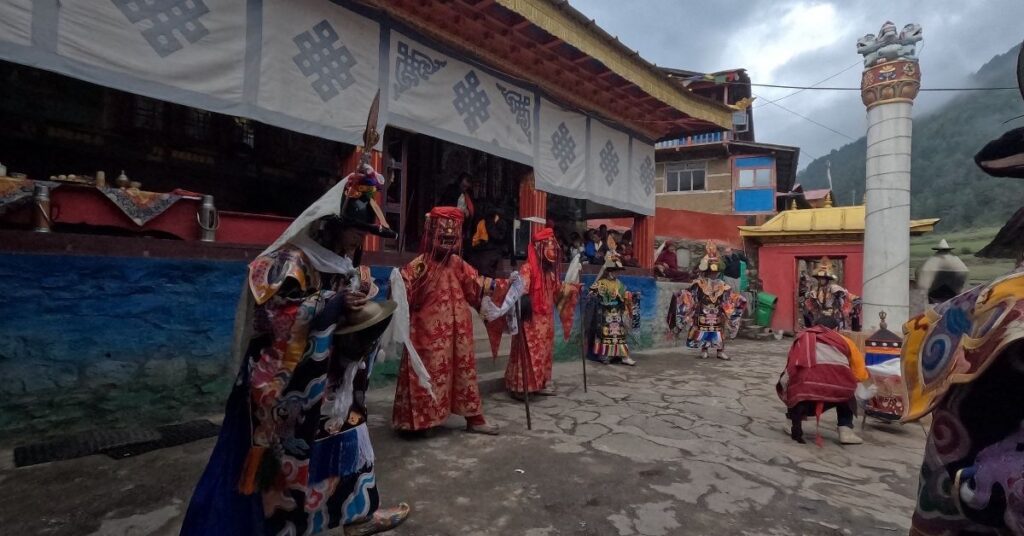
Even though Nepal is a small country, it carries an incredible variety of traditions, languages, music, dances, and festivals. The late king of Nepal, Prithivi Narayan Shah, described Nepal as “a garden of four religions and thirty-six cultures.” It is home to many ethnic groups, each with its own language, festivals, music, and traditions. Each ethnic group has its own customs, from the colourful Newar culture in the Kathmandu Valley to the Sherpas in the Everest region and the Tharu people in the Terai. Festivals like Dashain, Tihar, Holi, and Buddha Jayanti bring people together with joy and celebration. No matter where you go, locals are eager to share their stories, offer a meal, or welcome you like family. This cultural richness adds life and colour to Nepal’s natural beauty.
Nepal is blessed with nature that feels larger than life. It is home to the world’s highest mountain, Mount Everest (8,849 m), along with seven of the other fourteen peaks above 8,000 meters. The country is also rich in rivers and freshwater sources, with more than 6,000 rivers, streams, and rivulets flowing through its land. From the flat plains of the Terai to the snow-covered peaks of the Himalayas, Nepal holds almost every type of landscape. Forests cover nearly 40% of the country, making it one of the most resource-rich nations in terms of biodiversity. Whether you are trekking, rafting, or simply enjoying the scenery, Nepal’s nature leaves a mark on every traveller.
Nepal is not just limited to mountains and culture; it is also a land of deep spirituality. It is the birthplace of Lord Buddha, who shared his teachings of peace and compassion with the world. The famous Lumbini, his birthplace, is now a UNESCO World Heritage Site and attracts visitors from around the globe. Nepal also has the sacred Pashupatinath Temple, the largest and most important temple of Lord Shiva, where thousands of devotees come to worship every year. Alongside Hinduism and Buddhism, churches and mosques also stand tall, showing harmony between different faiths. Spirituality in Nepal is not something hidden; it lives in temples, monasteries, stupas, and even in the everyday life of its people. This makes Nepal not only a place to travel but also a place to find peace within.
Why is Nepal Such a Popular Destination for Tourists?
Nepal welcomes travellers from all over the world, not just for its mountains but for the unique mix of experiences it offers. Here are some reasons why Nepal is always on every traveller’s bucket list:
- The Himalayas: Home to Mount Everest and seven other peaks above 8,000 meters, Nepal is a dream for adventure seekers.
- Rich Culture and Diversity: With over 100 ethnic groups and dozens of languages, Nepal feels like many worlds in one.
- Spiritual Significance: Birthplace of Lord Buddha and home to Pashupatinath, one of the holiest temples of Lord Shiva.
- Friendly Hospitality: Known as one of the warmest and kindest people, Nepalis treat guests like family.
- Adventure Opportunities: Trekking, mountaineering, rafting, paragliding, jungle safaris, and much more await.
- UNESCO World Heritage Sites: From the historic Durbar Squares of Kathmandu to Lumbini, Nepal is filled with heritage and history.
- Affordable Travel: Compared to many countries, Nepal is budget-friendly while still offering world-class adventures.
Trekking in Nepal: A Journey Through the Himalayas
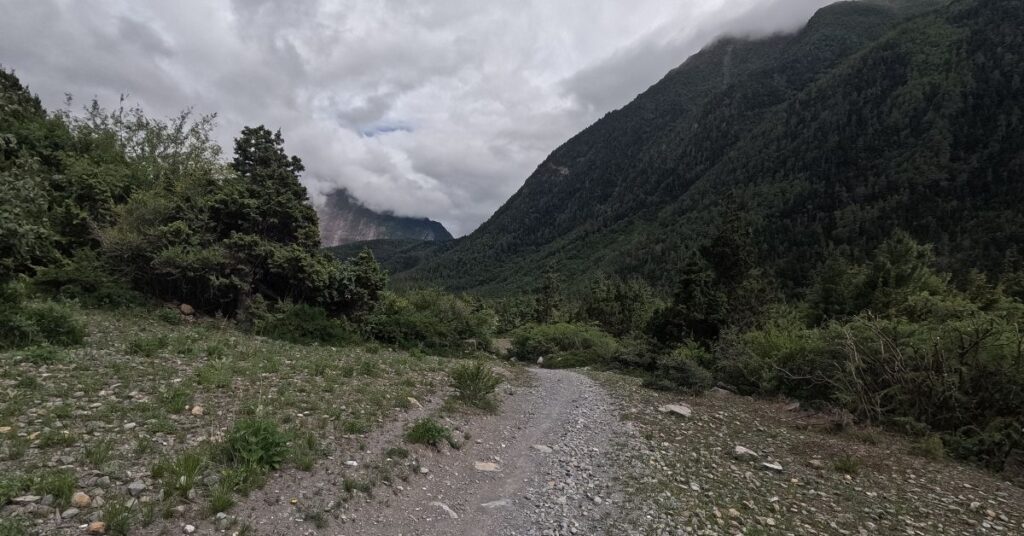
Nepal is a trekker’s paradise. With hundreds of trails winding through valleys, forests, and high mountain passes, trekking in Nepal is an adventure for the mind, body, and soul. Every trail offers something unique: breathtaking scenery, rich culture, local traditions, and memories that last a lifetime. Whether you are a first-time trekker or an experienced adventurer, Nepal has a trail made for you.
Everest Base Camp Trek: Standing at the Top of the World
The Everest Base Camp (EBC) trek is one of the most famous treks in the world. It takes you to the base of Mount Everest, the highest peak on Earth at 8,849 meters. The proper well-designed EBC trek package usually takes around 12–14 days, winding through Sherpa villages, dense forests, and high mountain passes. Along the way, you’ll see breathtaking views of peaks like Lhotse, Nuptse, and Ama Dablam.
EBC is not just about mountains; it’s about culture too. You’ll visit monasteries, see prayer flags fluttering in the wind, and meet Sherpas who have a deep connection with the Himalayas. Watching the sunrise over Everest from Kala Patthar is an unforgettable experience, making every step of the trek worth it.
Annapurna Base Camp Trek: Beauty, Serenity, and Adventure
The Annapurna Base Camp (ABC) trek is famous for its natural beauty and serene environment. It takes you through terraced fields, rhododendron forests, and traditional Gurung and Magar villages. At the end of the trek, you reach the base of Annapurna South and Machapuchare, surrounded by a natural amphitheatre of snow-capped peaks.
This trek usually takes about 7–10 days and is considered moderate in difficulty, making it suitable for both beginners and experienced trekkers. Along the trail, you’ll experience warm hospitality in teahouses, sample local food, and enjoy panoramic views that feel like they were painted by nature itself.
Manaslu Circuit Trek: The Road Less Travelled
The Manaslu Circuit trek is for adventurers who want solitude and untouched landscapes. It circles Mount Manaslu, the eighth-highest peak in the world at 8,163 meters. This trek takes 14–16 days and passes through remote villages, lush valleys, high passes, and monasteries that have remained unchanged for centuries.
Manaslu is less crowded than EBC or ABC, giving trekkers a sense of being in the wild. Crossing the Larkya La Pass at 5,160 meters is the highlight of the trek, offering spectacular views of the Himalayas. This route is perfect for travellers seeking a challenging trek with cultural immersion and breathtaking scenery.
Plan Your 12 Days Trek to Manaslu Circuit with Mountain Routes
Annapurna Circuit Trek: Classic Himalayan Adventure
The Annapurna Circuit trek is one of the most popular treks in Nepal for a reason. It offers an incredible variety of landscapes, from subtropical forests and terraced hills to high alpine deserts. The trek usually takes 15 to 20 days and includes the famous Thorong La Pass at 5,416 meters.
Along the way, you’ll encounter villages of the Gurung, Thakali, and Manangi people, each with its own culture and traditions. The views of Annapurna, Dhaulagiri, Machapuchare, and Nilgiri are stunning, making it a journey full of adventure, culture, and memories that last forever.
Kanchenjunga Trek: Exploring Nepal’s Hidden Gem
Kanchenjunga, the third-highest peak in the world (8,586 meters), lies in the far east of Nepal. The trek is remote, pristine, and challenging, taking 20–25 days to complete. It passes through untouched forests, high passes, and small villages where local traditions remain alive.
This trek is ideal for travellers who want to escape the crowds and experience Nepal’s wilderness at its purest. Kanchenjunga’s views are extraordinary, and the journey offers both adventure and spiritual connection in a land largely untouched by modern tourism.
Langtang Valley Trek: Close, Scenic, and Rewarding
Langtang Valley Trek is one of Nepal’s most accessible trekking destinations, located close to Kathmandu. It usually takes 7–10 days and offers a combination of natural beauty, cultural experiences, and moderate trekking challenges.
The trail passes through lush forests, alpine meadows, and glaciers, and you’ll meet the Tamang people, who are known for their friendly nature and rich traditions. Langtang is perfect for trekkers who want a memorable Himalayan experience without travelling too far from the capital.
Difficulty and Altitude Challenges in Nepal Treks
Trekking in Nepal is not only about witnessing beautiful mountains but also about facing challenges. One of the biggest difficulties is altitude sickness. As you climb higher, the oxygen level drops, and your body struggles to adjust. Common symptoms include headache, nausea, dizziness, and shortness of breath. If ignored, it can become dangerous. The best thing to do is to acclimatise slowly. Take rest days during the trek, drink plenty of water, eat light but energy-packed meals, and avoid alcohol. If symptoms get worse, the only cure is to descend to a lower altitude immediately. With the right preparation for Nepal trek, most trekkers can handle it safely.
Best Season to Trek in Nepal
The simple answer is that Spring (March to May) and Autumn (September to November) are the best seasons for trekking. These months offer clear skies, stable weather, and breathtaking views of the Himalayas. Spring brings colourful rhododendron blooms, while autumn gives crisp air and sharp mountain scenery.
Winter (December to February) is colder, especially at higher altitudes, but still great for lower-elevation treks. Summer/monsoon (June to August) sees heavy rain and slippery trails, but some regions like Mustang and Dolpo, which lie in rain-shadow areas, are perfect even during monsoon. For a detailed guide, check the best time to trek in Nepal.
Realities of Trekking in Nepal: What to Expect
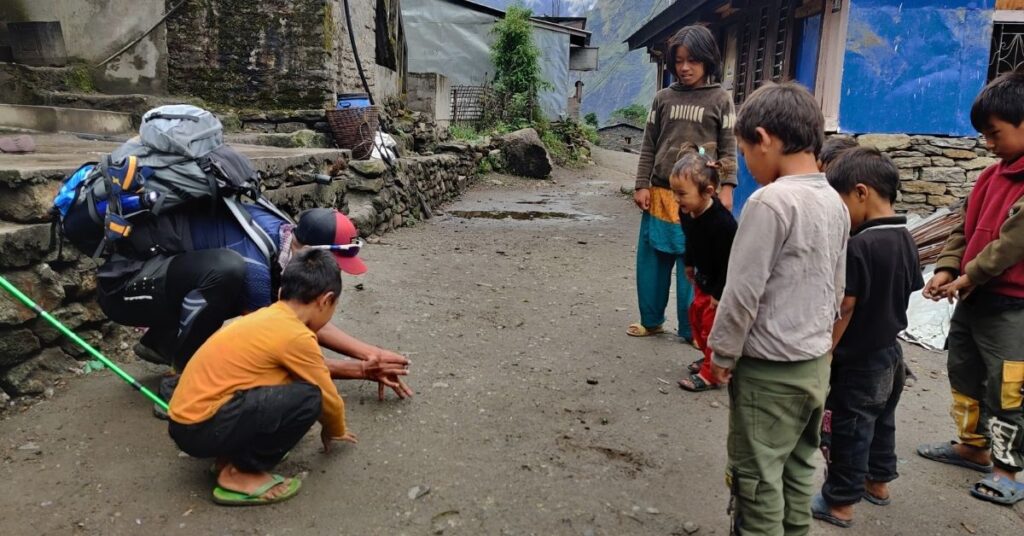
Trekking in Nepal is a mix of raw adventure and surprising comfort. Many people imagine it’s only about rough trails and no facilities, but that’s not true. You can choose between basic tea house treks and luxury treks.
- In tea house treks, expect simple rooms, traditional Nepali meals, and limited hot showers.
- In luxury treks, you’ll find comfortable lodges, cosy beds, hot showers, Wi-Fi, and even fine dining in some areas.
Summing Up
Nepal is a land that leaves a lasting mark on everyone who comes here. The country is blessed with the world’s highest peaks, countless rivers, lush forests, and peaceful valleys. Walking through the trails of Nepal, you experience the raw beauty of nature and the warmth of people who welcome you with a smile.
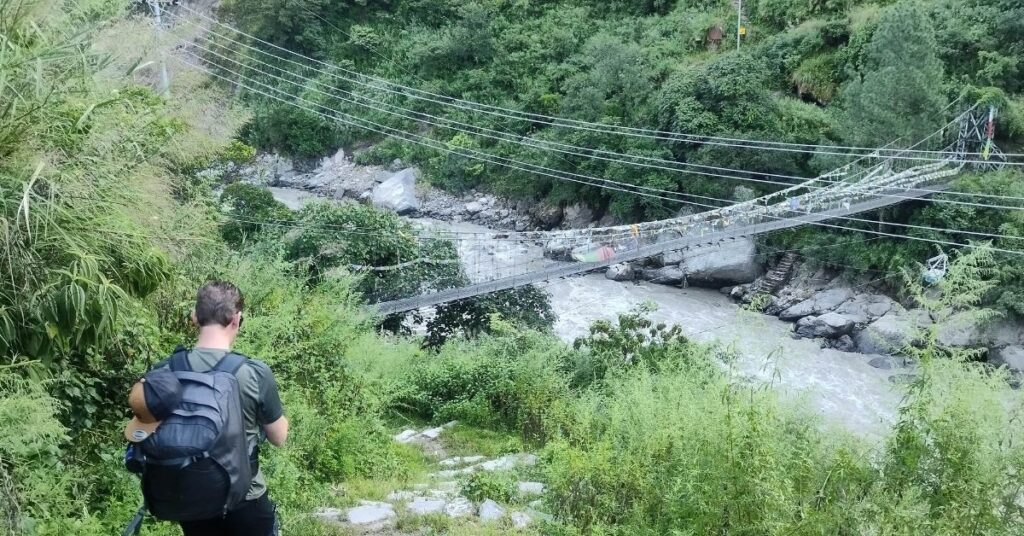
Trekking in Nepal is not always easy. The altitude can be tough, and the trails can test your strength. But every challenge comes with a reward: watching the sun rise over Everest, crossing suspension bridges above rushing rivers, or hearing prayer flags flutter in the mountain wind. These are moments that stay with you long after the trek is over. From the famous Everest and Annapurna regions to the hidden paths of Manaslu, Langtang, and Kanchenjunga, each trek has its own charm. Some give you breathtaking views, others show you untouched culture, but all of them give you memories worth keeping.





 Chat on WhatsApp