Where is Mount Everest Located? Nepal or Tibet?
Dreaming of standing in the shadow of the world’s highest peak? For countless adventurers, the iconic, windswept summit of Everest is a clear and powerful image. Yet, for many, its precise location on the globe remains a mystery. Knowing exactly where Mount Everest is located is not just a trivia point; it is the crucial first step in turning that dream into a tangible plan.
The answer isn’t as simple as pointing to a single spot on a map. Mount Everest majestically straddles two countries, Nepal and China, while its legend inspires the entire world. For trekkers, climbers, and cultural explorers like you, understanding its unique geographical and political position shapes everything. It determines the trail you will follow, the culture you will experience, and the very way you connect with its profound natural and spiritual significance.
Let’s Talk Everest
Mount Everest is far more than a colossal formation of rock and ice. It is a global symbol of ultimate achievement, a beacon for human determination and resilience. Climbers and trekkers from every corner of the Earth dream of witnessing it up close. Its icy slopes and towering peak represent what many consider the greatest physical challenge on the planet.
For those who answer its call, Everest is a lifelong goal. The journey demands immense courage, physical strength, and, most importantly, a deep respect for the power of nature. But the story of Everest isn’t only about the summit. The journey to its base is an equally powerful experience. Trekkers walk through ancient, rhododendron-filled valleys, cross glacial rivers, and meet the incredibly resilient Sherpa people, whose lives are intrinsically linked to the mountain. Understanding the Mount Everest location is fundamental to appreciating this rich tapestry of adventure and culture, and for climbers aiming higher, the ultimate step lies in the Everest Expedition.
Where Exactly Is Mount Everest?
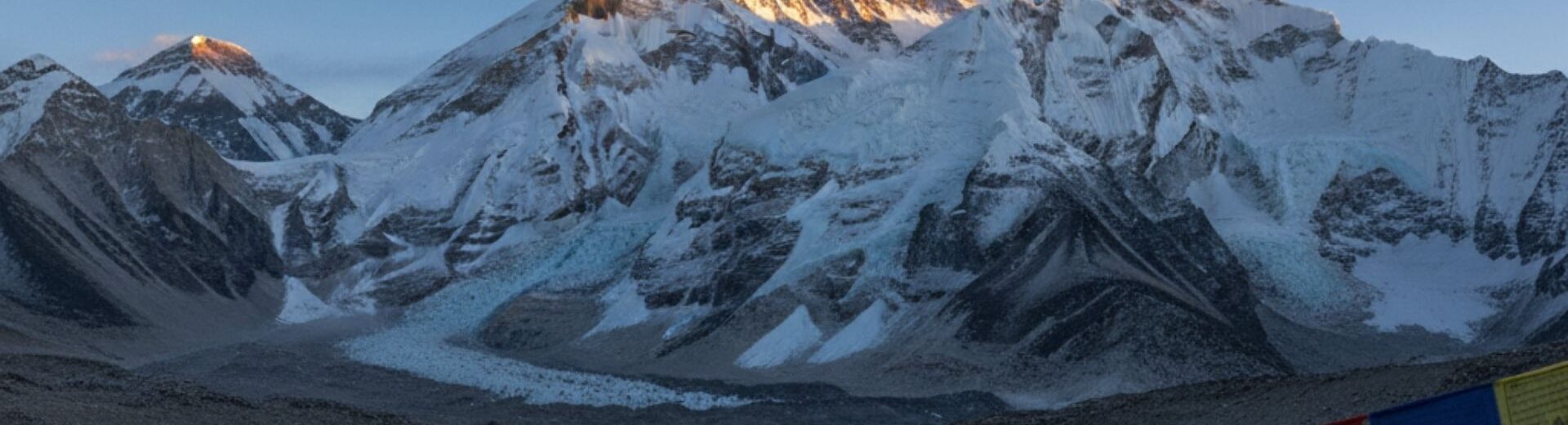
Mount Everest, the crown jewel of the Himalayas, stands precisely on the international border between Nepal to the south and the Tibet Autonomous Region of China to the north. Its summit ridge serves as the official dividing line, placing it in a unique geopolitical position. This dual nationality means that the mountain can be approached from two distinct sides, each offering a completely different adventure.
The South Side: Nepal
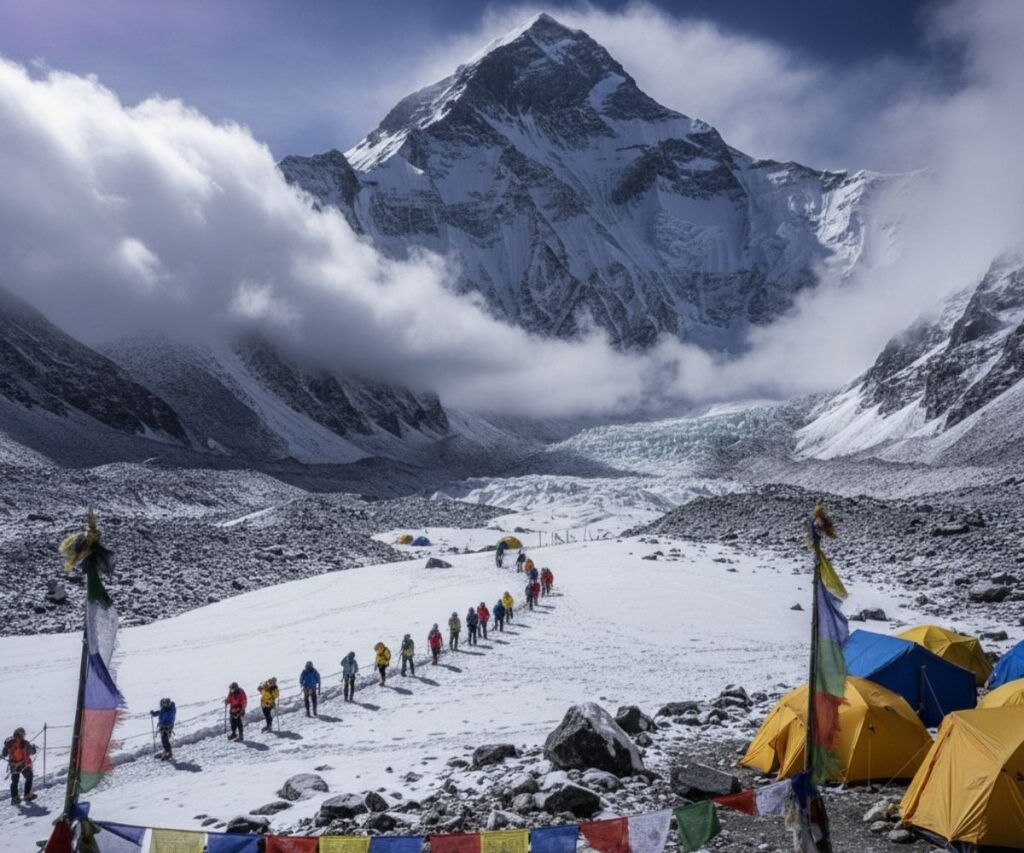
The southern face of Everest, located in Nepal, is the more famous and popular route for both trekkers and climbers. This side is nestled within Sagarmatha National Park, a breathtaking UNESCO World Heritage Site renowned for its dramatic landscapes and unique Sherpa culture. The journey here typically begins with a thrilling flight to the small airstrip at Lukla. From there, you begin the classic trek through the Khumbu Valley, passing through bustling trading hubs like Namche Bazaar and serene monastic centers like Tengboche, before finally reaching Everest Base Camp at an altitude of 5,364 meters. This route is often highlighted when comparing the Everest North Face vs South Face.
The North Side: Tibet (China)
The northern face of Everest, situated in Tibet, offers a starkly different, more remote experience. The approach here is often logistical, involving a drive from the historic city of Lhasa across the vast, high-altitude Tibetan Plateau. This journey takes travelers through remote highlands and past ancient, windswept monasteries, like the famous Rongbuk Monastery. The North Base Camp is accessible by vehicle, making it physically less demanding to reach, but the journey is highly regulated, offering a sense of immense scale and solitude amidst dramatic, arid landscapes.
- Coordinates: 27.9881° N, 86.9250° E
- Border: Straddles the border of Nepal to the south and the Tibet Autonomous Region of China to the north.
- Park Location: Located within Nepal’s Sagarmatha National Park and Tibet’s Qomolangma National Nature Preserve.
Names You Should Know
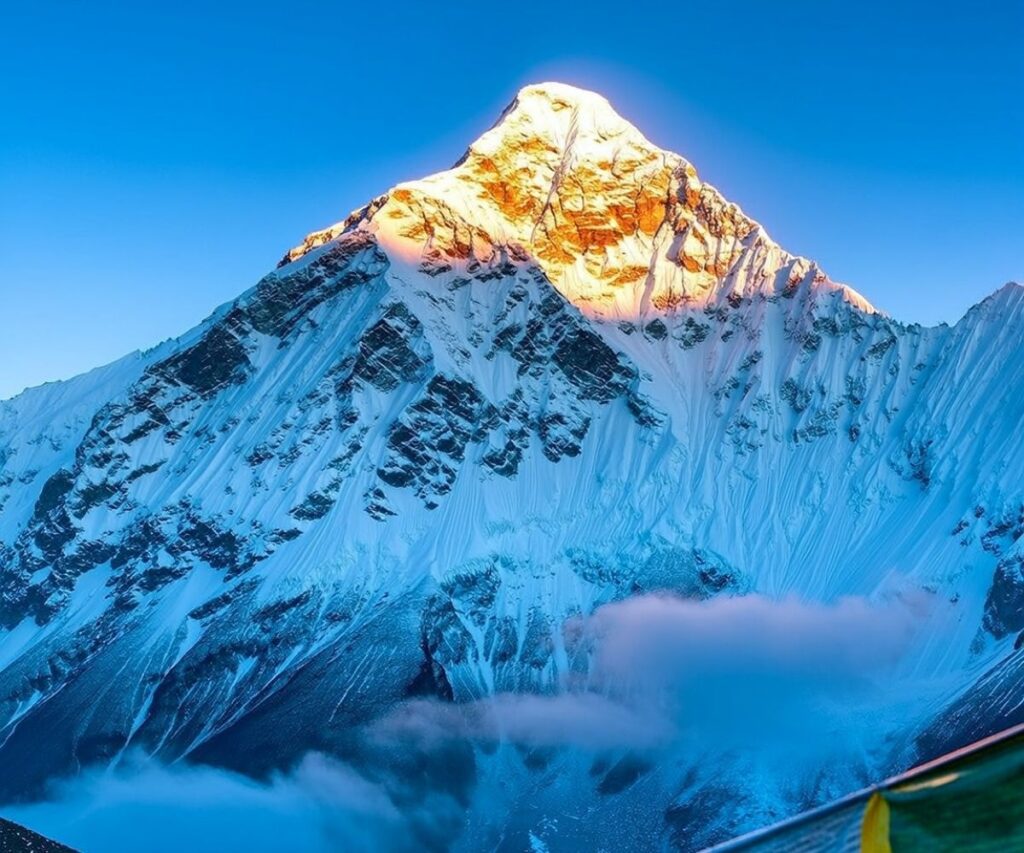
Around the world, it is universally known as Everest. But this Western name, given in the 19th century, is not the only one. The mountain holds far older and more sacred names for the local people who have lived in its shadow for millennia. Learning these names is key to connecting with the region’s deep cultural and spiritual heritage.
In Nepal, the mountain is called Sagarmatha. This powerful Nepali name means “Goddess of the Sky.” It beautifully captures the spiritual importance of the peak in Nepali culture and its commanding presence over the entire nation.
Across the border, the Tibetan name is Chomolungma. This translates to “Goddess Mother of the World.” For centuries, Tibetan Buddhists have revered the mountain as a source of life and spiritual energy, a protective deity watching over the landscape.
Both indigenous names convey a profound reverence for the mountain’s power. The name “Everest” was introduced in 1865 by the British Royal Geographical Society in honor of Sir George Everest, a former Surveyor General of India who, ironically, never saw the peak himself and initially objected to the naming. Today, while “Everest” is used for global communication, recognizing and using Sagarmatha and Chomolungma shows respect for the local traditions that give the mountain its soul.
Why Does It Matter Where Everest Stands?
The dual-nation location of Mount Everest is a big deal. It influences everything from the permits you need to the politics of the entire region. Because it is shared by Nepal and China, both governments manage access, and this split has created two very different worlds of trekking and climbing.
On the Nepal side, you immerse yourself in a lively, world-famous trekking culture. The trail to Everest Base Camp is a vibrant path dotted with welcoming teahouses, bustling Sherpa villages, and fellow adventurers from around the globe. It is a journey defined by rich cultural interaction and camaraderie.
The Chinese side, in contrast, is more regulated, remote, and offers a different kind of majesty. The experience is characterized by vast, dramatic landscapes and a profound sense of solitude, with far fewer crowds. The choice between Everest Nepal or China will fundamentally define your adventure, shaping the permits you need, the costs you incur, the views you see, and the people you meet along the way.
Can You See Everest from Kathmandu?
Many travelers arriving in Nepal’s capital wonder if they can catch a glimpse of Everest from the city. The answer, for the most part, is no. Kathmandu is situated in a valley, and a series of other tall mountain ranges stand between the city and Everest, blocking the direct line of sight. However, you don’t need to be a high-altitude trekker to witness its splendor. There are still some great ways to enjoy the view of Everest from Kathmandu.
You have several excellent options for viewing the world’s highest mountain:
- Mountain Flights: This is your best and most reliable option. Scenic mountain flights depart from Kathmandu’s domestic airport every morning. These one-hour flights provide guaranteed, breathtaking panoramic views of Everest and the entire eastern Himalayan range.
- Nagarkot: This popular hill station, located a short drive from Kathmandu, is famous for its stunning sunrise views over the Himalayas. On exceptionally clear days, you can see a distant sliver of Everest as part of the panoramic skyline.
- Chobar or Dhulikhel: On days with perfect clarity, typically during the autumn season, you might get a very distant peek from viewpoints in villages like Chobar, just outside Kathmandu, or the town of Dhulikhel.
How Everest Compares to Other Mountains
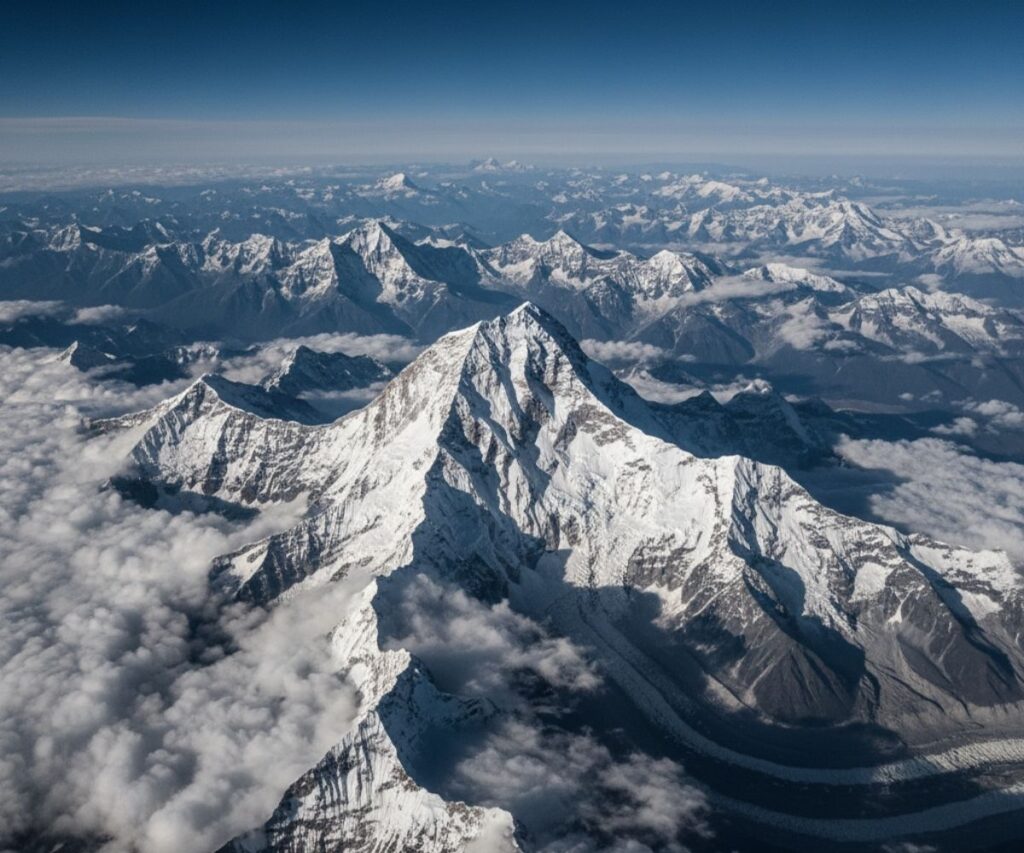
Is Mount Everest truly the tallest mountain on Earth? The answer depends on how you measure it. Everest holds the record for the highest peak above sea level. However, two other mountains could also claim the title of “tallest” in their own way.
Understanding these differences helps you appreciate what makes each mountain unique. Chimborazo in Ecuador is the farthest point from the Earth’s center. Mauna Kea in Hawaii is the tallest from base to peak. This table puts their incredible sizes into perspective.
| Feature | Mount Everest | Chimborazo | Mauna Kea |
| Height Above Sea Level | 8,848.86 m (29,031.7 ft) | 6,263 m (20,548 ft) | 4,207 m (13,802 ft) |
| Tallest from Base to Peak | About 4,700 m | About 4,100 m | 10,210 m (33,500 ft) |
| Farthest from Earth’s Center | 6,382.3 km | 6,384.4 km | 6,378.1 km |
| Key Distinction | Highest altitude in the world. | Highest point on the equator. | Tallest mountain from its underwater base. |
K2, the world’s second-highest peak at 8,611 meters, is often considered more dangerous to climb than Everest. Kangchenjunga, straddling Nepal and India, was once thought to be the tallest before modern measurements corrected the record. While Everest is the highest by altitude, these mountains remind us that ‘tallest’ depends on perspective.
Is Mount Everest Still Growing Taller?
It might surprise you to learn that Mount Everest is not a static landmark; it is a living mountain. The peak is slowly but surely growing taller over time. This growth is part of a colossal geological process that began millions of years ago and continues to shape the roof of the world.
The entire Himalayan range was formed by the immense force of the Indian tectonic plate crashing into the Eurasian plate. This continental collision is not over; it is an ongoing event. The constant pressure from the northward-moving Indian plate continues to push the Himalayas upward. Scientists using GPS technology have measured this growth and found that Everest gains about 4 millimeters (0.16 inches) in height each year. This means the official Mount Everest height is always in a state of subtle flux, a testament to the planet’s powerful forces.
Frequently Asked Questions
Is Mount Everest in Nepal or China?
Mount Everest sits right on the border. Its southern side is in Nepal, and its northern side is in the Tibet Autonomous Region of China.
What do locals call Mount Everest?
In Nepal, it is called Sagarmatha, meaning “Goddess of the Sky.” In Tibet, it is known as Chomolungma, which means “Goddess Mother of the World.”
Can you see Everest from Kathmandu?
No, you cannot see it directly from the city. You need to take a mountain flight or travel to viewpoints like Nagarkot for a chance to see it from a distance.
Is Mount Everest still growing?
Yes, tectonic activity continues to push it higher, though only a few millimeters each year.
How high is Mount Everest exactly?
The latest official measurement is 8,848.86 meters (29,031.7 feet) above sea level. This was jointly announced by Nepal and China in 2020.





 Chat on WhatsApp