
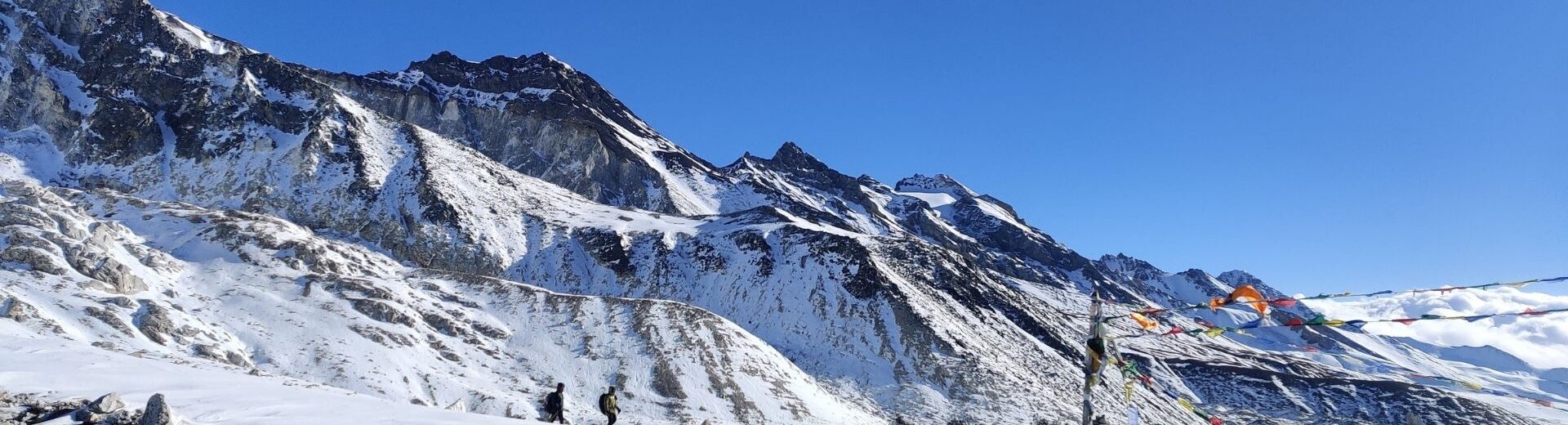
Manaslu Circuit Trek in Autumn: Trails and Stunning Passes
Imagine walking through golden forests under crisp, sapphire-blue skies, with villages buzzing with the energy of the harvest season. This is autumn in Nepal, the best time of year to be in the mountains. On the remote Manaslu Circuit, these months transform rugged trails into a vivid journey, painting the landscape with incredible colour and life.
While over 14,000 trekkers explore the Manaslu region annually, the autumn season remains the undisputed favourite for its perfect conditions.
Yet, many adventurers still default to the well-trodden paths of the Annapurna Circuit or Everest Base Camp, leaving Manaslu’s pristine beauty for those who seek it. This choice means fewer crowds, more authentic interactions, and a deeper sense of Himalayan wilderness for you.
If your heart is set on genuine cultural immersion, dramatic landscapes that change daily, and the thrill of crossing a high pass, the Manaslu Circuit Trek in Autumn is the perfect adventure waiting for you.
Why Choose Autumn for the Manaslu Circuit Trek
Autumn provides the most favourable conditions for this trek. The season offers stable weather and breathtakingly clear mountain views.
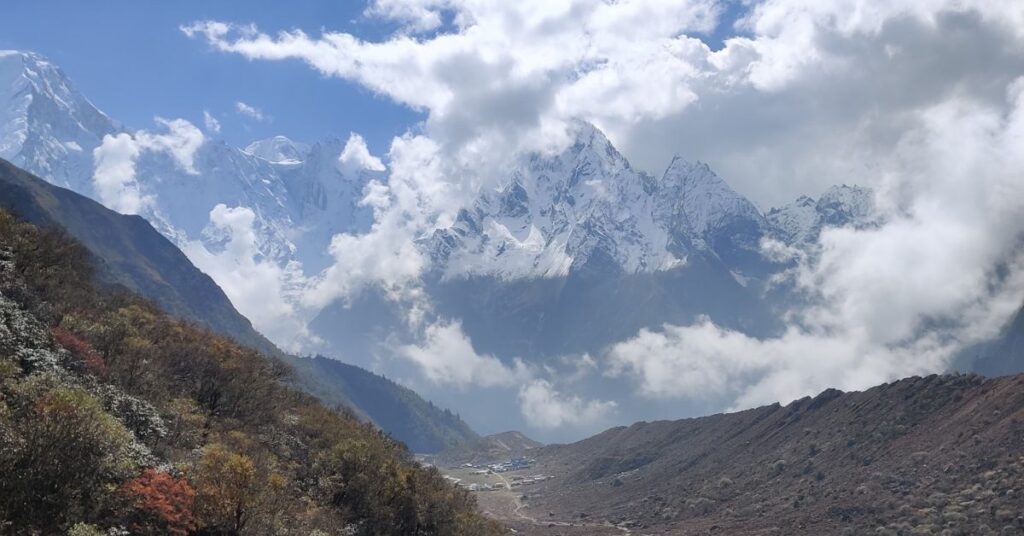
After the monsoon rains have cleared the dust from the atmosphere, the skies become a deep, crisp blue. This makes September, October, and November the peak season for trekking the Manaslu Circuit. The weather is generally predictable, making the challenging crossing of the Larkya La Pass safer and more manageable. The moderate temperatures at lower elevations and the vibrant mood in the villages create an unforgettable trekking experience.
Furthermore, autumn is a time of celebration in Nepal. Depending on the lunar calendar, you may witness parts of the country’s biggest festivals, Dashain and Tihar. While the high mountain villages have their own unique customs, the festive spirit is palpable throughout the country, adding a rich cultural layer to your journey from the moment you land in Kathmandu.
Weather and Climate on the Manaslu Trail in Autumn
The Manaslu trek weather in autumn is typically mild and pleasant. You can expect sunny days and cool, crisp nights.
The climate varies significantly with altitude. In the lower valleys, the days are warm, while at higher elevations past Sama Gaon, temperatures drop considerably. The post-monsoon period ensures minimal rainfall, providing clear skies for most of the trek. This stability is what makes autumn the best time for the Manaslu trek. Even with this stability, mountain weather can be unpredictable, so it’s always wise to be prepared for sudden changes and to listen to your guide.
Here’s a general idea of what to expect:
- Lower Elevations (below 3,000m): Daytime temperatures range from 15°C to 20°C. Nights are cool but comfortable. You’ll likely be trekking in a t-shirt.
- Mid-Elevations (3,000m – 4,000m): Days are pleasant, around 10°C to 15°C. Nights become colder, approaching freezing. A fleece jacket will be your constant companion.
- High Elevations (above 4,000m): Daytime temperatures are cold, between 5°C and 10°C. At Dharamshala and on the Larkya La Pass, temperatures will be well below freezing, especially in the early morning.
The Manaslu Circuit experiences changing weather throughout the year. Checking a detailed weather guide for the Manaslu Circuit helps you prepare for unforeseen circumstances
Pros and Cons of Trekking Manaslu in Autumn
Trekking in autumn offers incredible advantages. However, it is also the most popular season on the trail.
Understanding the benefits and drawbacks helps you set the right expectations for your trip. While the views are unmatched, you will be sharing the trail with other like-minded adventurers.
| Pros | Cons |
| Crystal-clear views of Mount Manaslu and surrounding peaks. | More trekkers on the trail compared to other seasons. |
| Stable and predictable weather patterns with little precipitation. | Teahouses can be busy, so pre-booking is highly recommended. |
| Safer and more reliable conditions for crossing Larkya La Pass. | Permit costs and guide fees are at their standard rates. |
| Pleasant daytime temperatures are perfect for trekking. | Colder temperatures at night, especially in late autumn (November). |
| Vibrant green landscapes in the lower valleys post-monsoon. | Limited availability of guides if not booked in advance. |
Packing List for an Autumn Manaslu Trek
A proper Manaslu trek packing list is essential for your comfort and safety. The key is to pack in layers for changing temperatures. You will experience everything from warm, subtropical conditions to freezing alpine weather. Your gear must be versatile enough to handle this range.
Clothing and Layers
Your layering system is your personal thermostat on the trail. It allows you to add or remove clothes to stay perfectly comfortable without having to stop for a full change.
- Base Layer: Moisture-wicking thermal tops and bottoms are non-negotiable. They pull sweat away from your skin, keeping you dry and warm.
- Mid Layer: A fleece or a light insulated jacket provides essential warmth.
- Outer Layer: A waterproof and windproof jacket and pants act as your shell, protecting you from wind and unexpected rain or snow.
- Insulation: A warm down jacket is crucial for cold evenings in the teahouse and the freezing early morning start for the pass crossing.
- Trekking Clothes: Several pairs of trekking trousers and moisture-wicking shirts.
Footwear
Protecting your feet is the single most important thing you can do to ensure a successful trek. Happy feet equal a happy trekker.
- Trekking Boots: Sturdy, waterproof, and well broken-in hiking boots with good ankle support. Never start a long trek with brand-new boots.
- Camp Shoes: A pair of lightweight sneakers or sandals to give your feet a rest in the evenings.
- Socks: Multiple pairs of warm wool or synthetic trekking socks. Avoid cotton, as it holds moisture and can cause blisters.
Gear and Equipment
This is the technical gear that will make your journey safer and more comfortable.
- Backpack: A 40-50 litre backpack is ideal for carrying your personal gear.
- Sleeping Bag: A four-season sleeping bag rated to at least −10°C is recommended. While teahouses provide blankets, having your own bag ensures warmth and hygiene.
- Trekking Poles: Essential for saving your knees on long descents and providing stability on uneven terrain.
- Headlamp: Crucial for the pre-dawn start to cross the Larkya La Pass and for navigating around teahouses at night.
Health and Personal Items
These items are vital for your well-being in a remote environment.
- First-Aid Kit: A personal kit should include blister treatment, antiseptic wipes, painkillers, and any personal medications. Also, consult your doctor about altitude sickness medication.
- Water Treatment: A water filter, UV steriliser, or purification tablets are essential to stay hydrated and healthy.
- Sun Protection: The sun is incredibly strong at high altitudes. Bring high SPF sunscreen, sunglasses, and a wide-brimmed hat.
- Cash: There are no ATMs on the trail. Bring enough Nepali Rupees to cover snacks, drinks, tips, and any souvenirs.
Key Villages and Stops Around the Circuit
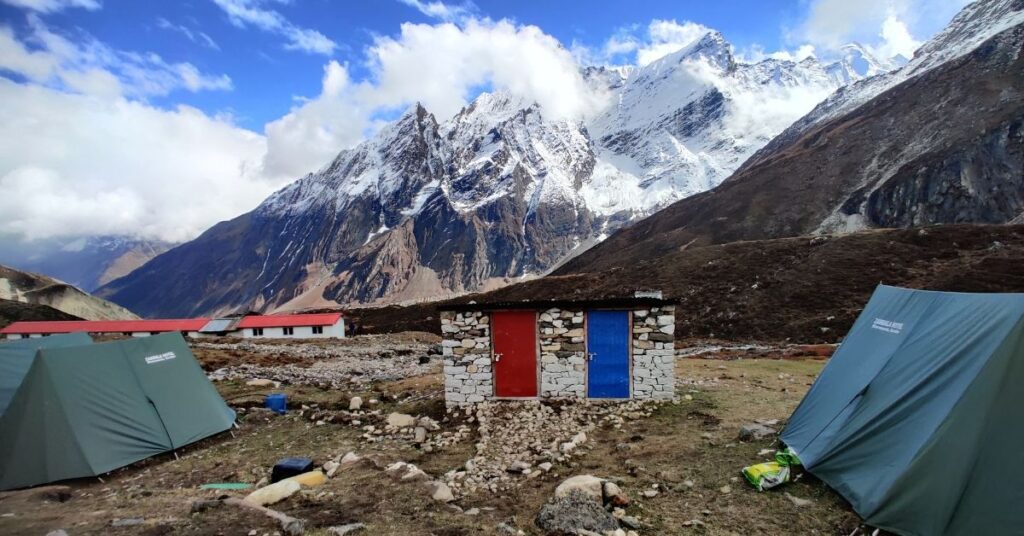
The trail takes you through diverse landscapes and culturally rich villages. Each stop offers a unique experience and stunning scenery. Your journey begins in the lush, green foothills and gradually ascends into the arid, high-altitude terrain of the Himalayas.
The Lower Valleys: Soti Khola to Jagat
The trek starts in the humid, subtropical zone, home to Gurung and Brahmin communities. You will follow the powerful Budhi Gandaki River, its roar a constant companion. The trail involves crossing numerous thrilling suspension bridges and passing through terraced fields of millet and rice. This section is a gentle, green introduction to the trekking lifestyle.
Entering the Restricted Area: Lho and Sama Gaon
As you climb higher, the valley opens up, and you’ll get your first incredible views of Mount Manaslu. The village of Lho offers a stunning viewpoint from its monastery. Sama Gaon is the largest village on the circuit and the heart of the Nupri people, who have strong cultural ties to Tibet. It’s the perfect place for an acclimatisation day. Popular side trips include a hike to Manaslu Base Camp or a shorter walk to the stunning Birendra Lake.
High Altitude Acclimatization: Samdo
Samdo is another key stop for acclimatisation, sitting just a day’s walk from the Tibetan border. An acclimatisation hike here toward the border offers panoramic views and helps prepare your body for the high pass. The landscape becomes more rugged and barren, a true high-Himalayan environment where you might spot blue sheep grazing on the slopes.
The Final Push: Dharamshala and Larkya La Pass
Dharamshala, also known as Larke Phedi, is the last stop before the pass. It is a basic accommodation set in a dramatic, high-altitude landscape, preparing you for the trek’s climax. The next day involves a pre-dawn start in the cold to cross the famous Larkya La Pass (5,106m). The challenging ascent is rewarded with spectacular, unforgettable views of Himlung Himal, Cheo Himal, and Annapurna II as the sun rises.
The Descent: Bimthang to Dharapani
After the pass, you descend to the beautiful, expansive meadow of Bimthang, which offers a breathtaking retrospective view of Manaslu. The trail then continues down through pine and rhododendron forests, a welcome return to the green and lush landscape. You will eventually join the classic Annapurna Circuit trail at Dharapani, marking the end of your Manaslu adventure.
Best Months of Autumn for the Trek
Each autumn month offers a slightly different experience on the trail. You can choose the one that best suits your preferences.
- Late September: The monsoon has just ended, leaving the landscapes incredibly green and lush. The air is fresh, and while there might be a small chance of leftover rain, the trails are generally less crowded than in October.
- October: This is the absolute peak month. The weather is at its most stable, and the mountain views are consistently spectacular. It is the busiest time, so expect teahouses to be full. This is the prime time for the Larkya La Pass in October.
- November: The weather remains clear and stable, but temperatures begin to drop, especially at night. There are fewer trekkers on the trail, making it a great option if you prefer more solitude and don’t mind the colder weather.
Tips for a Smooth Manaslu Circuit Adventure
Good preparation is key to a successful and enjoyable trek. A few simple steps can make a huge difference. The Manaslu Circuit difficulty is considered strenuous, but with the right approach, it is achievable for fit hikers.
- Hire a Registered Guide: It is mandatory to trek with at least one registered guide in this restricted area. A good guide ensures your safety, handles logistics, and provides invaluable insights into the local culture.
- Arrange Permits in Advance: The trek requires three permits: the Manaslu Restricted Area Permit (RAP), the Manaslu Conservation Area Permit (MCAP), and the Annapurna Conservation Area Permit (ACAP). The area is restricted due to its proximity to the Tibetan border. Your trekking company will arrange these for you in Kathmandu.
- Acclimatise Properly: Do not rush the ascent. Follow the principle of “climb high, sleep low” by taking side trips during your acclimatisation days. Drink plenty of water and listen to your body.
- Get Travel Insurance: Your insurance must cover trekking up to 6,000 meters and include emergency helicopter evacuation. There is no road access in the higher regions, making this essential.
- Train Before You Go: Engage in cardiovascular fitness training, such as hiking on hills, running, or cycling, for a few months before your trip to build stamina.
By following these important tips, you can choose the right Manaslu Circuit trekking package that matches your budget and schedule.
Autumn on the Manaslu Circuit: The Trail at Its Best
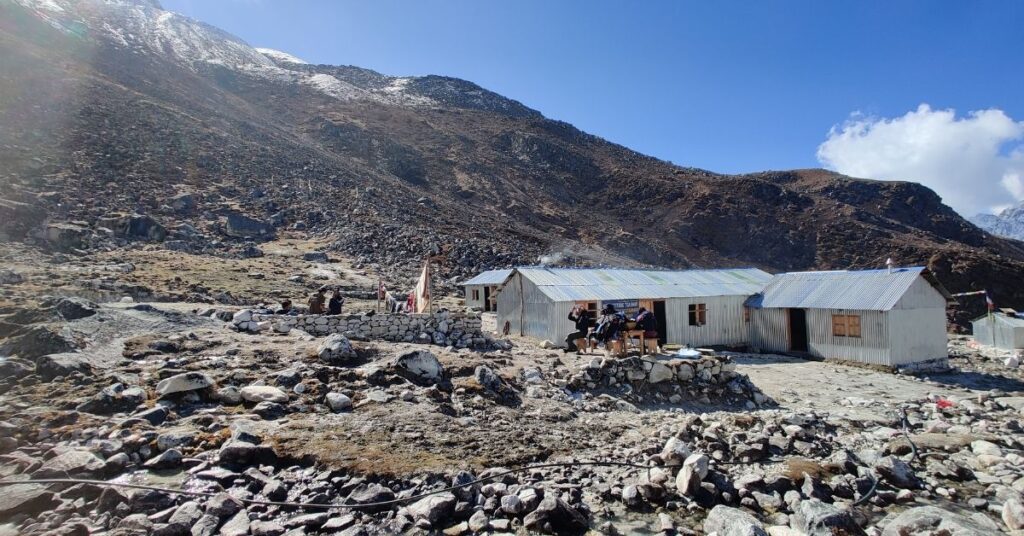
The Manaslu Circuit Trek in Autumn is more than just a walk in the mountains. It is a journey into a remote and culturally preserved corner of the Himalayas. It is a chance to challenge yourself physically while witnessing scenery that will stay with you forever.
The crisp air, the brilliant blue skies, and the towering white peaks create a perfect backdrop for this incredible adventure. You will return not just with photographs, but with a profound sense of accomplishment and connection to this special place. The remote trails and stunning passes of Manaslu are waiting.





 Chat on WhatsApp