
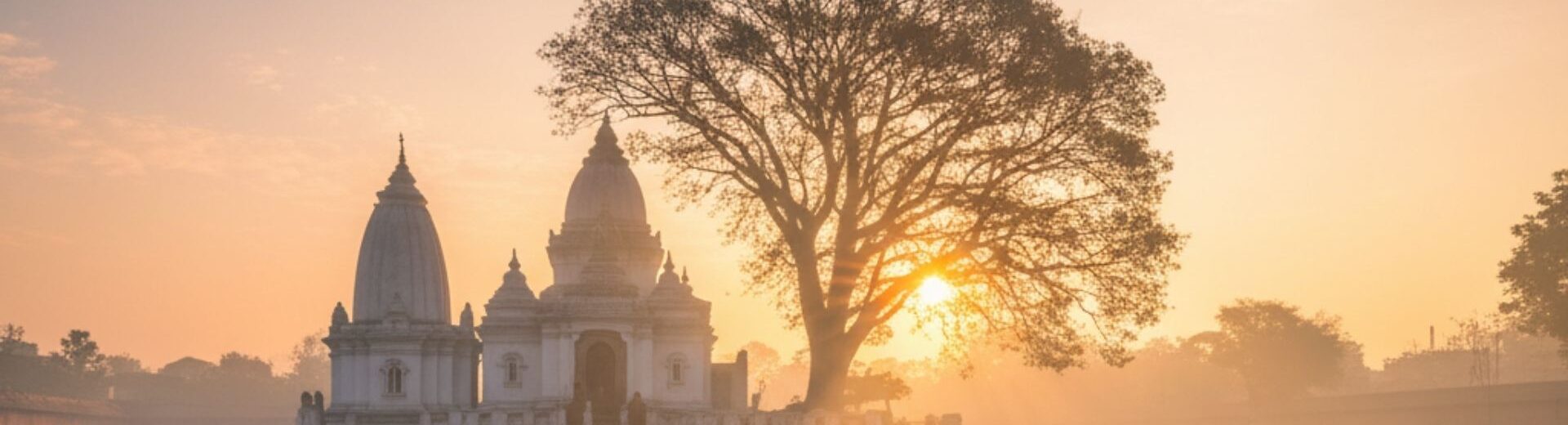
Best Things to Do and Places to Visit in Lumbini
Planning a trip to Nepal often conjures images of epic Himalayan treks. Yet, the country’s soul is also found in its spiritual plains.
Lumbini, the birthplace of Lord Buddha, offers a profoundly different experience. Many travelers visit expecting to see a single temple but often miss the profound sense of peace and the vastness of the area. They leave without truly experiencing the spiritual energy that makes this UNESCO World Heritage Site so unique, feeling they only scratched the surface.
This journey through Lumbini reveals a place of incredible depth, history, and tranquility. You will discover how to connect with its sacred heart, explore stunning international monasteries, and find quiet moments of reflection.
Why Lumbini Feels So Special for Every Visitor
Lumbini feels special because it’s more than a historical site; it’s a living center of global peace and spirituality. You can feel the calm and serene atmosphere the moment you step into its sacred grounds.
As the birthplace of Lord Buddha, Lumbini holds a unique place in the hearts of millions around the world. It is a primary destination for any Buddhist pilgrimage. This sacred energy is protected by its status as a UNESCO World Heritage Site. The area is not just a relic of the past; it is an active hub where different cultures unite. Monasteries built by dozens of countries stand side by side, each showcasing unique architecture and traditions. This creates a powerful feeling of global harmony and shared reverence, making a visit here a deeply personal and universal experience.
Fun and Relaxing Things You Can Do in Lumbini
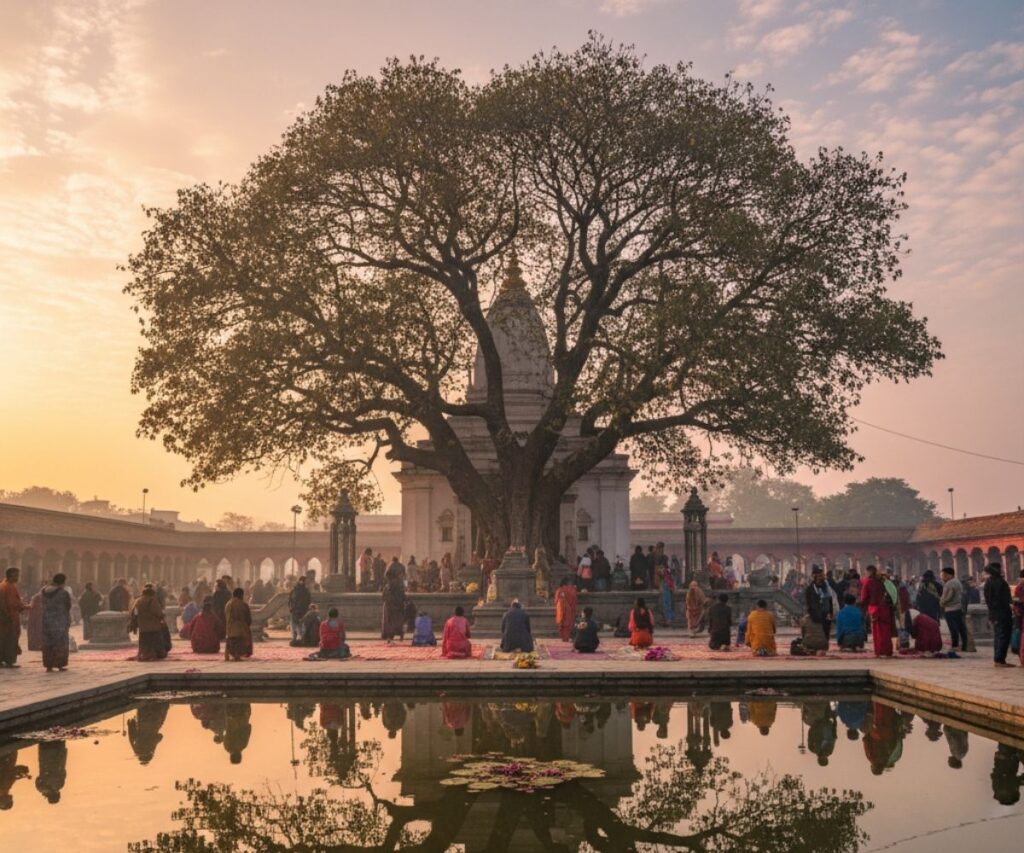
Beyond the main temples, Lumbini offers many relaxing activities that help you connect with its peaceful environment. You can rent a bicycle, meditate under a Bodhi tree, or simply watch the monks go about their day.
These simple pleasures allow you to experience the area at your own pace. The vast grounds are perfect for exploration, and you will find many quiet corners for reflection. Engage with the local culture by taking a village walk, or discover the region’s diverse birdlife. These activities transform your trip from a simple sightseeing tour into a truly restorative and enriching journey. This approach makes visiting Lumbini Nepal a more holistic experience.
5 Famous Places in Lumbini That You Shouldn’t Miss
The five must-see places in Lumbini are concentrated around its sacred and historical core. You should prioritize visiting the Maya Devi Temple, the Ashokan Pillar, the international Monastic Zone, the Lumbini Museum, and the Sacred Garden.
Each of these Lumbini attractions offers a different window into the life of Buddha and the history of this spiritual hub. They form the heart of the Lumbini experience and provide a complete picture of its importance. Exploring them gives you a deep appreciation for why millions of people make the journey here every year.
Maya Devi Temple – The Most Sacred Spot in Lumbini
This is the spiritual heart of Lumbini. It marks the exact spot where Queen Maya Devi gave birth to Siddhartha Gautama, the future Buddha.
The temple protects the Marker Stone, an ancient stone slab identified by archaeologists as the precise location of Buddha’s birth. Inside, you can also see a 4th-century carving depicting the nativity scene. Just outside the temple lies the Sacred Pond, also known as Puskarni, where Maya Devi is said to have bathed before giving birth. The entire area is filled with an atmosphere of devotion, with pilgrims and monks chanting and praying. It is the most significant of all places to visit in Lumbini.
Ashokan Pillar – A Strong Symbol of Ancient History
This ancient stone pillar is historical proof of Buddha’s birth in Lumbini. The great Mauryan Emperor Ashoka erected it in 249 BCE during his pilgrimage.
The pillar stands as a testament to Lumbini’s historical significance. Its inscription confirms that the Buddha was born here, making it a crucial archaeological discovery. For visitors, it serves as a direct link to a 2,200-year-old history. Standing next to this pillar, you can feel the weight of centuries and appreciate the long-lasting legacy of peace that originated from this very spot. It solidifies Lumbini’s identity as the authentic birthplace of Lord Buddha.
Monastic Zone – Beautiful Temples Built by Many Nations
This zone showcases stunning monasteries built by Buddhist communities from around the world. You can see diverse Buddhist architecture from various cultures all in one place.
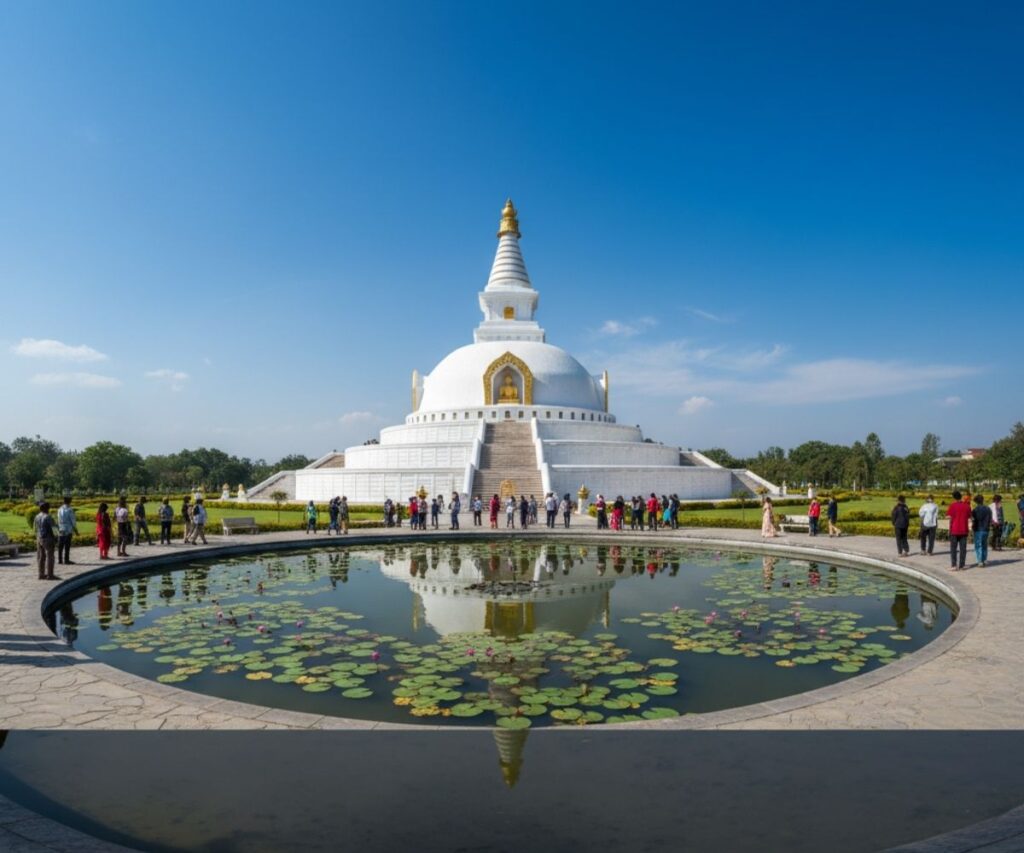
The Monastic Zone is divided into two sections by a central canal. The East Monastic Zone is home to Theravada monasteries from countries like Thailand, Cambodia, and Myanmar. The West Monastic Zone features Mahayana and Vajrayana monasteries from countries like China, Japan, Germany, and Nepal. Each monastery is an architectural masterpiece, offering a glimpse into how different cultures interpret Buddhist traditions. Don’t miss the magnificent World Peace Pagoda, a brilliant white stupa that stands as a symbol of tranquility.
Lumbini Museum – A Place to Learn About Buddha’s Life
The Lumbini Museum helps you understand the site’s rich history and cultural context. It contains thousands of artifacts discovered during excavations in the area.
A visit to the museum provides a deeper appreciation for the other sites you will explore. Inside, you’ll find ancient coins, pottery, religious manuscripts, and terracotta sculptures from various periods. The museum’s collection beautifully illustrates the life of Buddha and the development of Lumbini as a major pilgrimage destination over the centuries. It is an excellent starting point for any comprehensive Lumbini travel guide.
Sacred Garden and Bodhi Tree – Perfect for Quiet Reflection
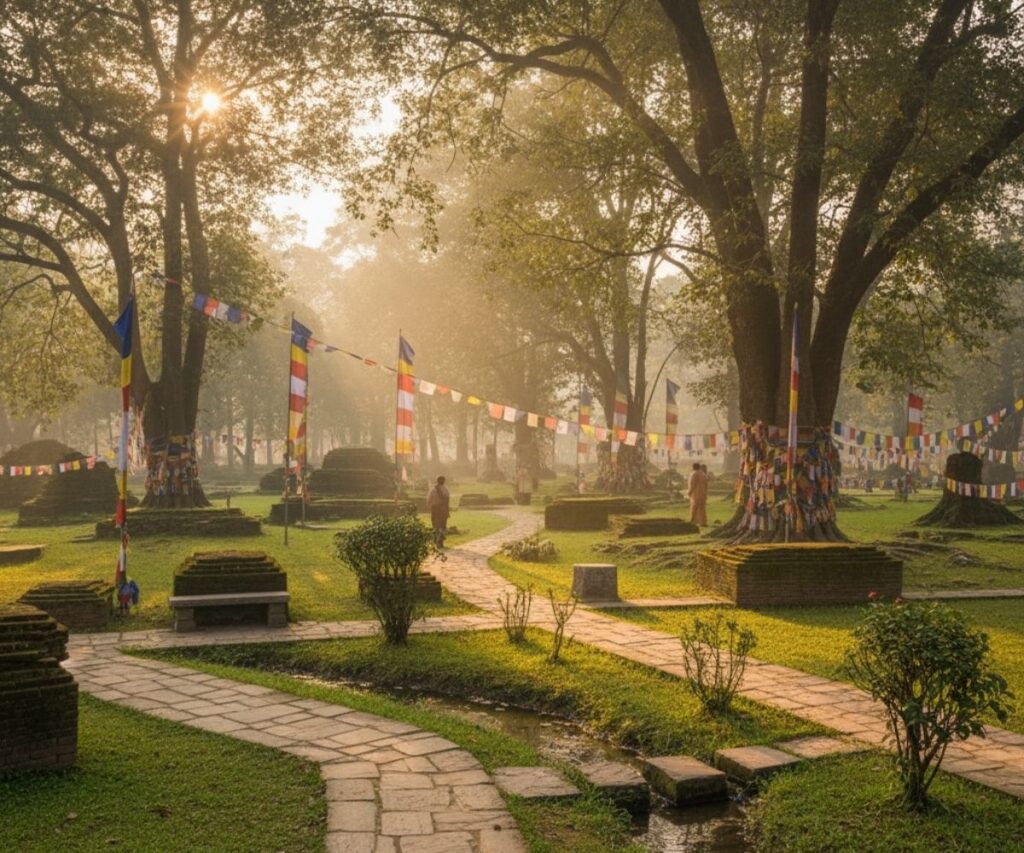
The Sacred Garden is a large, peaceful area perfect for quiet contemplation. The ancient Bodhi tree here, adorned with prayer flags, is a central spot for prayer and meditation.
This beautifully maintained garden surrounds the Maya Devi Temple and the Ashokan Pillar. It is dotted with ancient stupa ruins and water features, creating a serene environment. Many visitors spend hours sitting under the shade of the Bodhi tree, absorbing the tranquil energy of the space. It’s a place where you can disconnect from the outside world and connect with the spiritual essence of Lumbini.
Activities in Lumbini That Make Your Trip Memorable
To make your trip truly memorable, engage in activities that connect you to Lumbini’s spiritual and cultural heritage. Consider joining a meditation session, exploring nearby historical sites, or simply observing a sunrise.
These immersive experiences go beyond typical sightseeing. They offer a chance for personal growth and a deeper understanding of the local culture and Buddhist philosophy. Participating in these activities ensures your memories of Lumbini are not just of places, but of feelings and moments of profound connection. It is the best way to understand what to see in Lumbini on a deeper level.
One of the most powerful things to do in Lumbini is to participate in a meditation session. Many monasteries and dedicated meditation centers offer programs for visitors. These can range from a one-hour guided session to multi-day silent retreats. Engaging in meditation in Lumbini allows you to experience the peace of the area on a profound level.
For history and adventure enthusiasts, a trip to nearby Tilaurakot is a must. Believed to be the ancient capital city of Kapilavastu, this is where Prince Siddhartha spent the first 29 years of his life. The archaeological ruins are spread over a large area, offering a fascinating glimpse into the past. Exploring this site adds a rich historical layer to your pilgrimage.
Best Time of the Year to Visit Lumbini Comfortably
The best time to visit Lumbini is during the cooler, dry months from October to March. The weather during this period is pleasant, making it ideal for walking and exploring the vast sacred grounds.
Planning your trip around the weather ensures a comfortable and enjoyable experience. The Terai region of Nepal, where Lumbini is located, can experience extreme temperatures. Visiting during the optimal season allows you to fully appreciate all the outdoor sites without the discomfort of intense heat or heavy rain.
- Autumn (October to November): This is the peak season. The monsoon has just ended, leaving the landscape green and fresh. The skies are clear, and the temperatures are moderate.
- Winter (December to February): The weather remains pleasant during the day, though mornings and evenings can be cool and foggy. It is still a great time to visit, with fewer crowds than in autumn.
- Spring (March to May): Temperatures begin to rise significantly, and it can become very hot, often exceeding 40°C (104°F). Buddha Jayanti, the celebration of Buddha’s birthday, falls in May and is a vibrant time to visit if you can handle the heat.
- Monsoon (June to September): This period brings heavy rains, high humidity, and hot temperatures. The grounds can become muddy, making exploration difficult.
How to Reach Lumbini From Kathmandu, Pokhara, or India
You can reach Lumbini by flight or road from major hubs like Kathmandu and Pokhara. The closest airport is Gautam Buddha International Airport in Bhairahawa, and tourist buses are a common and affordable option.
Choosing the right mode of transport depends on your budget, time, and comfort preferences. Flights are the fastest way to get there, while buses offer a more scenic and economical journey. The proximity to the Indian border also makes it an accessible destination for international travelers coming from the south.
- From Kathmandu: The quickest way is to take a 25-minute flight to Gautam Buddha International Airport (BHW) in Bhairahawa, which is about 22 kilometers from Lumbini. From the airport, you can hire a taxi or take a local bus. Alternatively, tourist buses leave daily from Kathmandu and take approximately 8-10 hours.
- From Pokhara: There are no direct flights. Tourist buses are the best option, with the journey taking around 6-8 hours. The ride offers views of Nepal’s diverse landscapes, from hills to the flat Terai plains.
- From India: The most common entry point is the Sunauli border crossing, which is just a short drive from Bhairahawa. Many travelers cross the border from Gorakhpur in India, which has good rail and air connections to other major Indian cities.
Helpful Travel Tips for a Smooth Stay in Lumbini
For a smooth trip, dress modestly, stay well-hydrated, and plan to use bicycles or electric rickshaws. Remember to carry local currency and always respect the sacredness of the sites.
A little preparation goes a long way in making your visit comfortable and respectful. Lumbini is a religious site, and following local customs will enrich your experience. These practical tips will help you navigate the area with ease and focus on the spiritual journey.
- Dress Code: Wear modest clothing that covers your shoulders and knees. This shows respect at all religious sites.
- Footwear: You will need to remove your shoes before entering temples and monasteries. Wear shoes that are easy to slip on and off.
- Getting Around: The Lumbini complex is vast. Renting a bicycle or hiring an electric rickshaw for the day is the best way to explore the Monastic Zone.
- Money: While some larger hotels may accept cards, it is best to carry enough Nepali Rupees (NPR) for tickets, food, and transportation.
- Sun Protection: The sun can be intense, especially in the middle of the day. Carry a hat, sunglasses, and sunscreen. Also, drink plenty of water to stay hydrated.
- Respectful Conduct: Speak softly, do not climb on ruins or statues, and always ask for permission before taking photos of monks or pilgrims.
FAQs
Why is Lumbini one of the most famous places in Nepal?
Lumbini is famous because it is the scientifically verified birthplace of Lord Buddha. This makes it one of the most sacred pilgrimage sites in the world for Buddhists and a UNESCO World Heritage Site of universal importance.
How many monasteries can I see during my visit?
You can see over 40 distinct monasteries and meditation centers within the Monastic Zone. Many different countries have built their own, each with unique architecture, and more are still under construction.
Can visitors take part in meditation programs in Lumbini?
Yes, absolutely. Many monasteries and dedicated centers in Lumbini offer meditation courses and spiritual retreats. These programs can range from a single guided session to immersive, multi-week courses.
Which is the best place to visit if I have limited time?
If you have limited time, you should focus on the Sacred Garden. Here, you can experience the most important sites in one compact area: the Maya Devi Temple, the Ashokan Pillar, and the sacred Bodhi tree.





 Chat on WhatsApp