
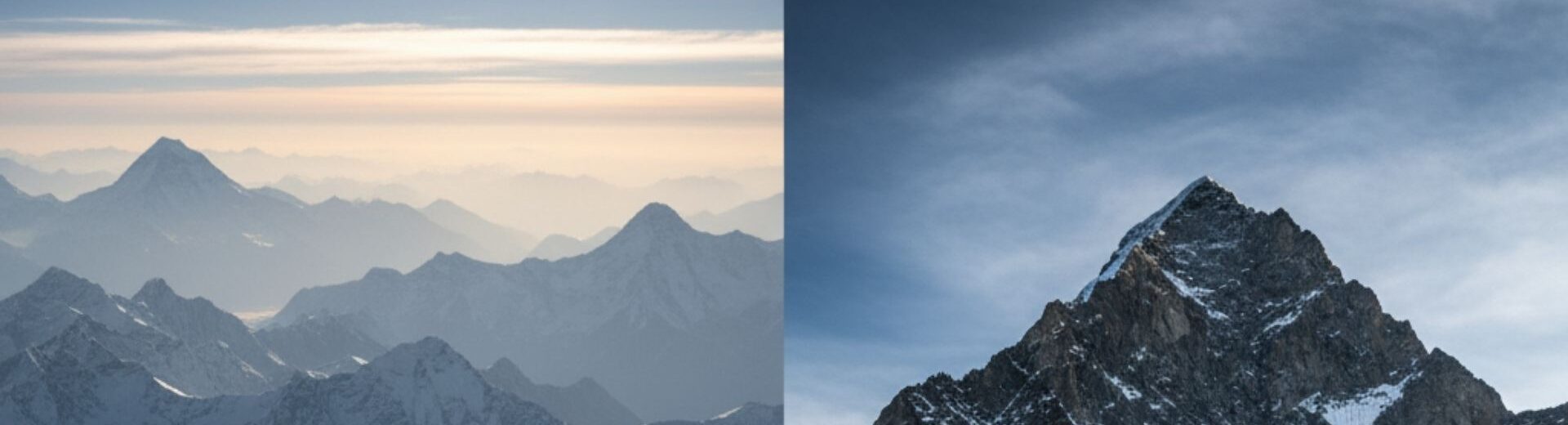
Mount Everest vs K2: Which Mountain Stands Out?
Everest and K2 capture the imagination of climbers and adventurers alike. People from around the world dream of standing on their summits, drawn not just by height, but by the stories these mountains hold. Everest represents human ambition and achievement, a symbol of the world’s highest point and centuries of exploration.
K2 stands out for its challenging nature, often called the ultimate test of skill and courage in extreme conditions.
Comparing the two isn’t just about numbers; it’s about the experiences they offer, the risks they pose, and the personal journeys they inspire.
While Everest may feel like a global icon, K2 remains a mysterious, wild force that few have truly conquered. Each mountain leaves a lasting impression, proving that “standing out” comes in different forms.
Meet the Two Giants: Everest and K2
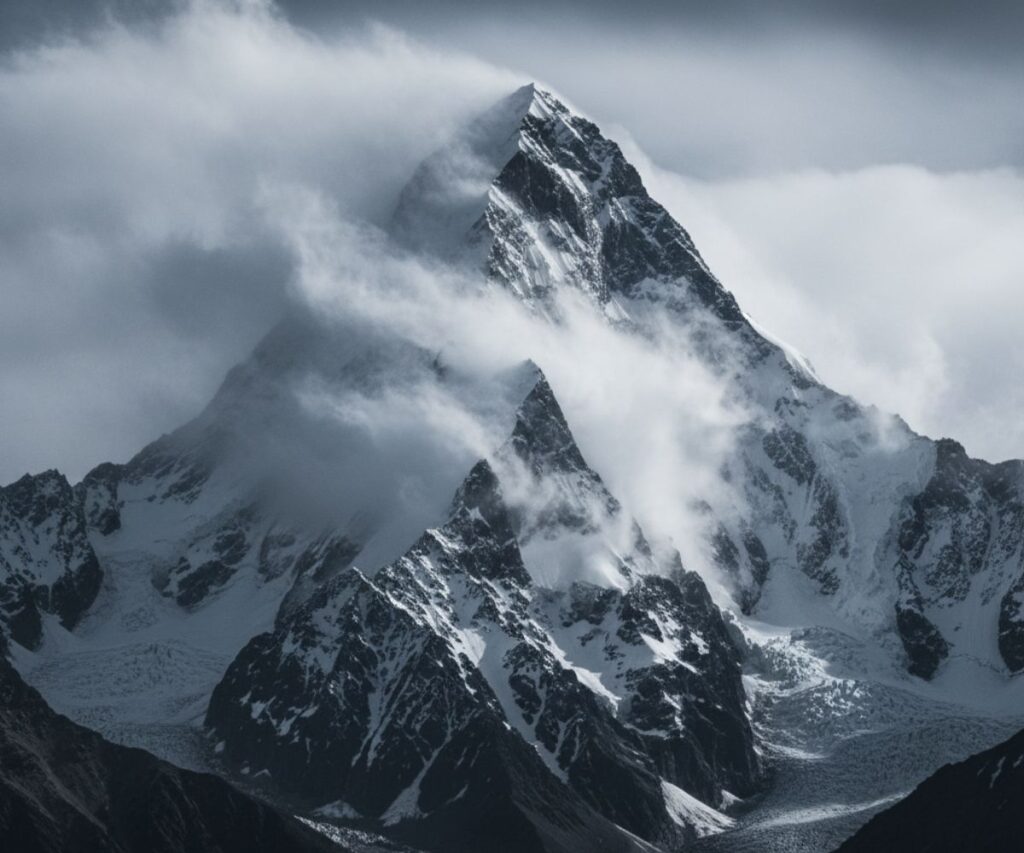
Mount Everest and K2 are the two highest mountains on Earth, both with their unique signature. Everest, being the tallest, rising 8,849 meters above sea level, is famous all around the world as the ultimate climbing goal. K2, standing at 8,611 meters, is slightly shorter but has a reputation for being much more challenging.
Climbers are often drawn to Everest for the prestige of reaching the world’s highest point, while K2 attracts those who want the ultimate challenge.
Both peaks demand skill, strength, and courage, but their personalities set them apart. Everest is seen as grand yet more approachable, while K2 is wild and feared.
Together, they represent the height of human adventure in the Himalayas and Karakoram.
Where You’ll Find Them
Mount Everest lies in the Himalayas, sitting right on the border of Nepal and Tibet. On the Nepal side, climbers approach from the south. The Tibet side, though less traveled, offers a more rugged route.
K2, on the other hand, towers over the Karakoram range in northern Pakistan, close to the border with China.
Unlike Everest, which has many lodges and well-worn trails leading to Everest Base Camp, K2 is far more remote.
Trekkers must cross glaciers and valleys with little support, making even the journey to its base camp a serious expedition.
Both mountains are found in isolated, high-altitude landscapes, but Everest is easier to reach, while K2 demands weeks of travel through untouched wilderness before the climb even begins.
Which One Is Tougher to Climb? Mount Everest or Mount K2
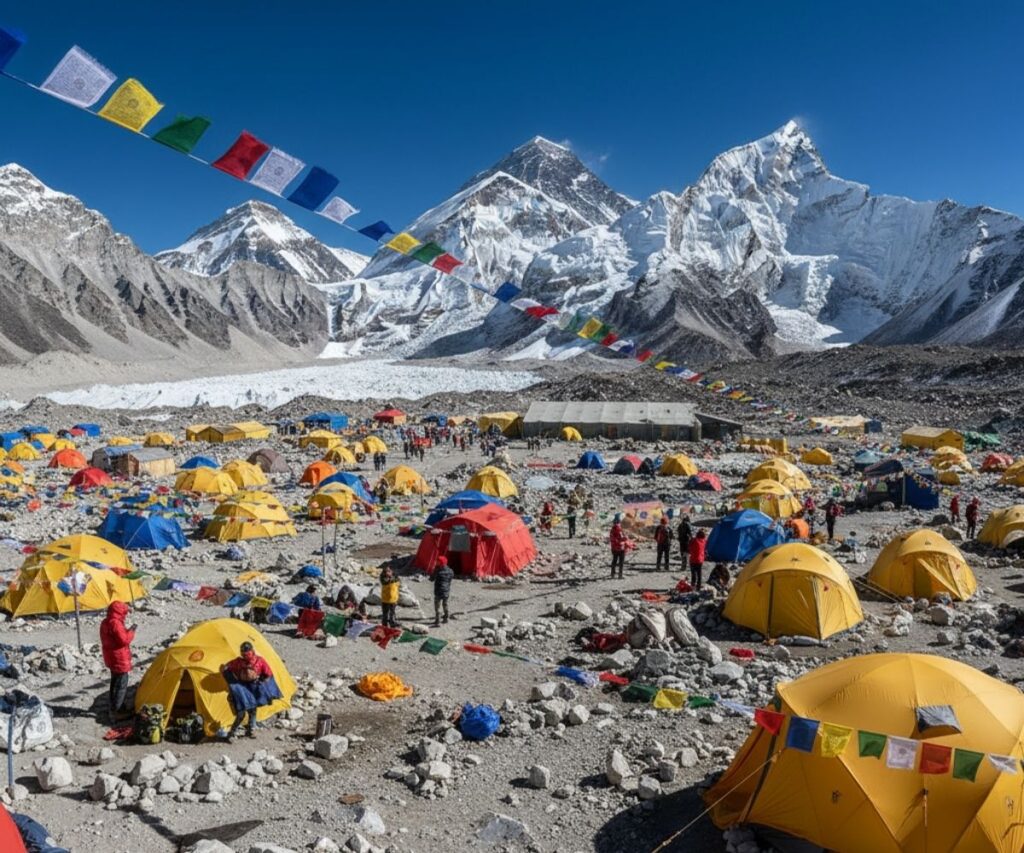
Most climbers agree that K2 is harder to climb than Everest. The weather on K2 changes quickly, with storms that can trap teams for days. Its steep, exposed slopes leave little room for mistakes.
Technical sections, like the ‘Bottleneck’, are considered some of the most dangerous spots in the world of mountaineering.
Everest, while still deadly, has more gradual slopes and fixed ropes placed by Sherpas to guide climbers. There are more support systems on Everest, including oxygen supplies, guides, and rescue options. Still, altitude sickness, avalanches, and crowded routes make Everest no easy task.
K2’s difficulty lies in its isolation and its more challenging trail, while Everest challenges climbers with its height and the number of people attempting it. Choosing between them often depends on whether someone wants the highest summit or the hardest fight.
Life at Base Camp
Base camp is where climbers experience the daily reality of high-altitude trekking life. Climbers wake early to melt snow for water, check their gear, and stretch before the day’s practice climbs.
Meals are simple but crucial: rice and lentils, or energy bars, eaten quickly before another training session or briefing. Your evenings are spent writing journals, sharing stories, or helping fellow climbers repair tents and ropes.
The nights can get bitterly cold, and the wind can howl through the camp, reminding everyone how small they are against the peaks looming overhead. Despite the harsh conditions, there is a rhythm to camp life: exercise, eat, rest, and plan. Friendships form quickly as climbers support one another through sickness, fatigue, and fear.
Base camp is more than a resting place; it’s where mental strength is built, trust is tested, and the journey to the summit truly begins.
South and North Base Camps on Everest
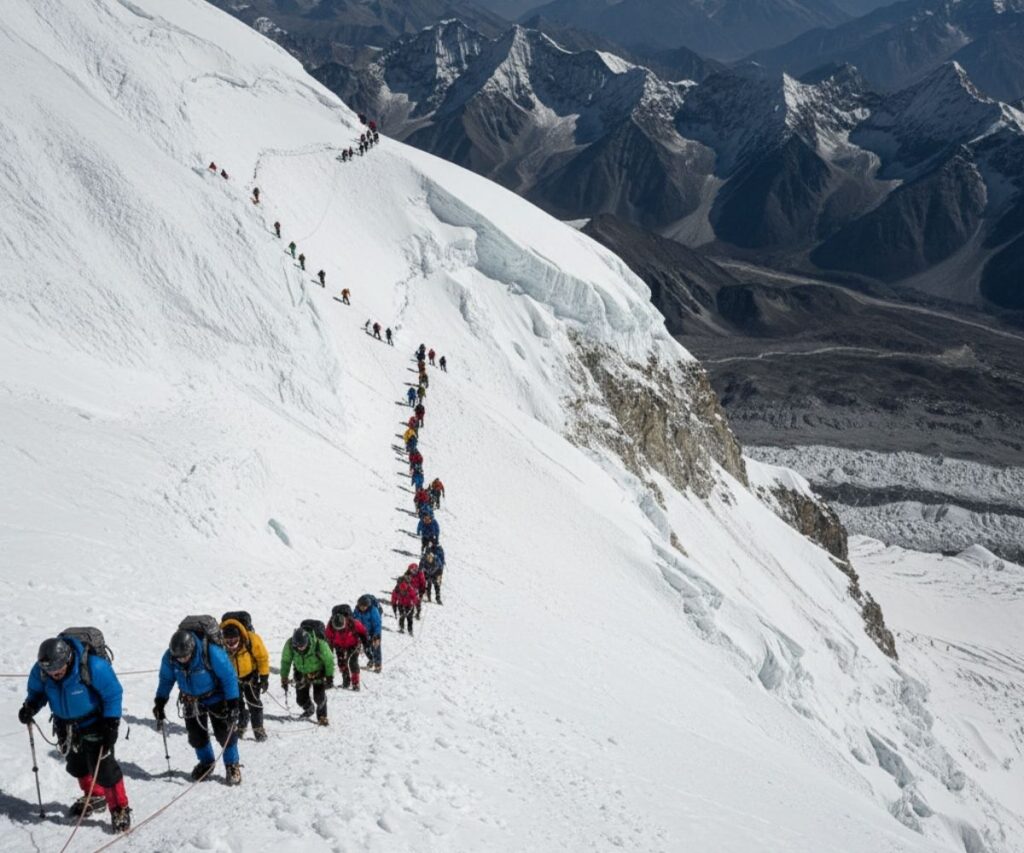
Everest has two main base camps. The South Base Camp in Nepal is the most popular and lively, sitting at about 5,364 meters. It feels almost like a small village during climbing season, with colorful tents, cooks, and support staff.
Climbers can rest, train, and prepare here while enjoying views of the Khumbu Icefall and the route that leads toward the Hillary Step, one of Everest’s most famous landmarks near the summit.
The North Base Camp in Tibet, at around 5,150 meters, is quieter but harder to reach. It has fewer comforts and stricter rules, yet it offers a striking view of Everest’s north face.
Both camps are tough places to live, with thin air, freezing nights, and simple food. Still, the atmosphere is full of excitement as climbers wait for the right weather window to make their push toward the summit.
The remote K2 Base Camp experience
K2 Base Camp is one of the most isolated camps in the world. Reaching it takes nearly two weeks of trekking across glaciers and rocky trails, with no teahouses or villages along the way. At about 5,150 meters, the camp sits on a harsh, icy plain surrounded by massive peaks of the Karakoram. Unlike Everest, there are no crowds or luxuries here.
Climbers live in small tents with only the supplies they carry. The air is thin, the weather is unpredictable, and the sense of isolation is intense. Still, many describe it as breathtaking, with some of the most dramatic mountain scenery on Earth.
Life at K2 Base Camp is not easy, but it creates a strong bond among climbers who share the same respect for this unforgiving mountain.
Everest vs K2 in Numbers
| Feature | Mount Everest | K2 |
| Height | 8,848.86 m (29,031.69 ft) | 8,611 m (28,251 ft) |
| Location | Nepal–Tibet border, Himalayas | Pakistan–China border, Karakoram |
| First Ascent | 1953, Edmund Hillary & Tenzing Norgay | 1954, Italian team led by Ardito Desio |
| Success Rate | About 65% on summit attempts | About 30% on summit attempts |
| Fatality Rate | Around 1% in recent years | Around 25% historically |
| Base Camp Access | Trek with lodges and established trails | Remote glacier trek, no lodges |
| Annual Climbers | 500+ reach the summit most years | Fewer than 100 reached the summit in recent years |
FAQs
Is K2 harder than Everest?
Yes, K2 is harder than Everest. Its slopes are steeper, the climbing is more technical, and the weather can turn on you without warning.
Why do they call K2 the Savage Mountain?
K2 earned the nickname ‘Savage Mountain’ because of the extreme danger it poses and the high fatality rate among climbers. American climber George Bell coined the term in 1953, calling it a “savage mountain that tries to kill you”.
Which one do more people reach the top of?
Everest sees significantly more climbers reaching its summit each year, while far fewer manage to conquer K2.
Is K2 cheaper or expensive than Everest?
K2 is usually cheaper, but the cost of logistics and supplies is still high. Everest is more expensive due to permits, guides, and larger support systems.
Which one is more crowded: Everest or K2?
Everest is much more crowded, with hundreds attempting it every year, while K2 remains far less visited.





 Chat on WhatsApp