
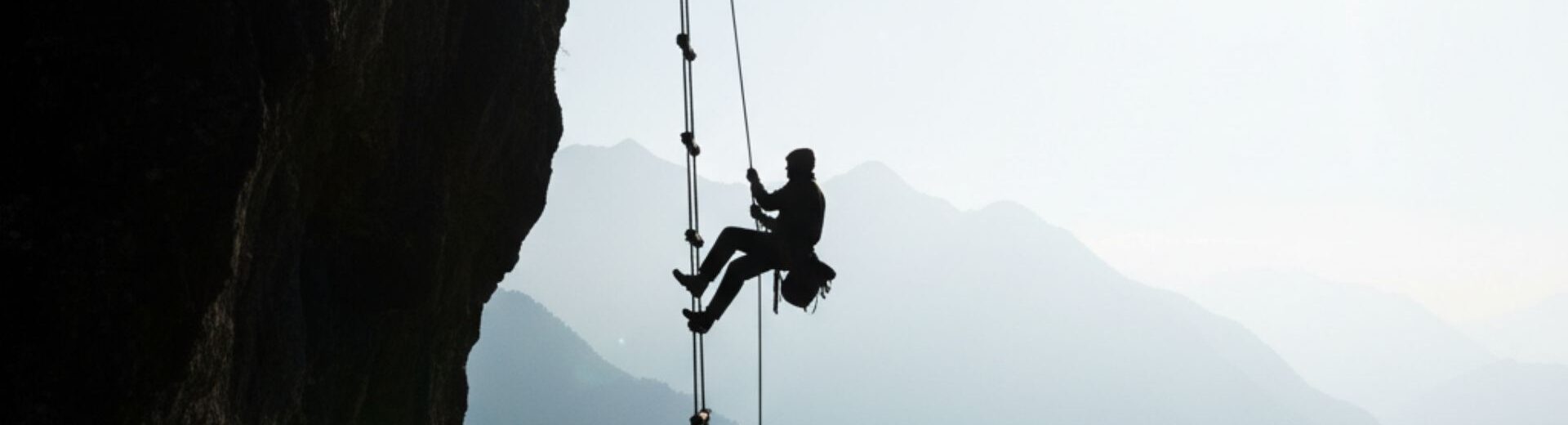
Mad Honey Nepal – A Rare Himalayan Experience
Mad Honey Nepal is more than just a sweet treat. It is a true adventure waiting in the high Himalayas.
Many travelers search for authentic cultural experiences. Too often, they only find staged performances. Mad honey is different. It is a raw and natural tradition that has survived for centuries.
The rare honey’s story connects to ancient rituals and daring cliffside hunts. It represents a deep bond between people and the natural world. This tale of culture and courage is filled with mystery, making it an unforgettable Himalayan experience.
What is Mad Honey?
Mad honey is a unique type of honey found in specific regions of Nepal and Turkey. It gets its famous properties from bees that feed on rhododendron flowers.
Mad Honey Nepal contains natural compounds called grayanotoxins. These are what make the honey so distinct and powerful. Unlike regular honey found in stores, Himalayan mad honey can have a profound impact on both the body and mind. For this reason, it is often called the “honey that gets you high.”
The Origin: Rhododendrons and Giant Bees
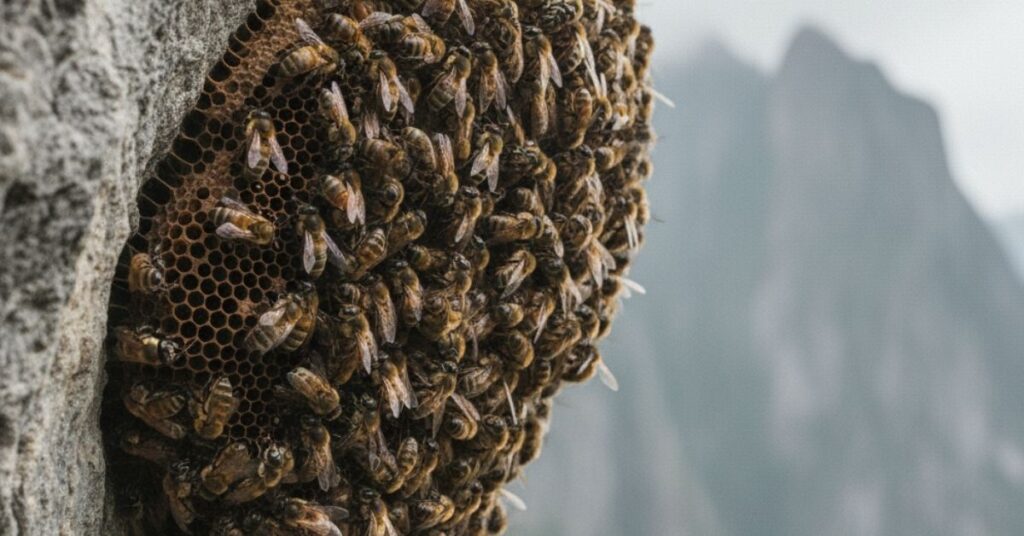
Mad honey comes from the Himalayas, where rhododendron forests bloom each spring.
Giant Himalayan honeybees, the world’s largest bees, gather nectar from rhododendron flowers. Nectar contains grayanotoxins, natural compounds that give Nepal mad honey its strong effects.
The bees are not harmed, but humans can feel many sensations after eating it. Harvesting the honey is risky. Hunters climb steep cliffs with great courage to collect one of Nepal’s rarest treasures.
Mad Honey vs. Regular Nepal Honey
It is essential to distinguish between mad honey and other types of honey from the region. While Nepal produces many delicious varieties of honey, only one has these special properties. Regular Nepal honey is sweet and safe to eat in any quantity.
Mad honey, however, has a distinctly different taste and powerful effects. It is often darker, with a slightly bitter or tangy flavour. Its effects are the primary reason for its fame and cautionary tales.
Here’s a simple comparison:
| Feature | Mad Honey | Regular Himalayan Honey |
| Source | Nectar from Rhododendron flowers | Nectar from various wildflowers |
| Key Compound | Grayanotoxins | Fructose, Glucose |
| Taste | Often slightly bitter or tangy | Typically sweet |
| Color | Dark reddish-brown | Varies from light gold to amber |
| Effects | Psychoactive, medicinal in small doses | Nutritional, no psychoactive effects |
| Consumption | Must be taken in very small, careful doses | Can be consumed freely |
Mad Honey Benefits and Effects
Mad honey offers sought-after health benefits alongside its famous psychoactive effects. It’s traditionally used to ease pain, aid digestion, and even act as an aphrodisiac.
For centuries, people in the Himalayas have used cliff honey as a natural remedy. Today, more people are becoming interested in it, but also more concerned about whether it’s safe. That’s why it’s important to understand the possible effects of mad honey before trying it.
Traditional and Modern Uses
In traditional Gurung, Tibetan, and Nepali medicine, mad honey is a valued substance. It is used as a natural remedy for various ailments. Communities have passed down knowledge of their use for generations.
Some of the claimed mad honey benefits include:
- Pain Relief: It is traditionally used to soothe joint pain and arthritis.
- Digestive Aid: Small amounts are believed to help with indigestion and other stomach issues.
- Increased Energy: Some users report a feeling of vitality and strength.
- Aphrodisiac: It is also known in local folklore for enhancing libido.
- Antibacterial Properties: Like many kinds of honey, it has natural properties to help fight infection.
The Science: Grayanotoxin Explained
The science behind mad honey revolves around grayanotoxins. These are natural neurotoxins found in rhododendron plants. They are the source of both the grayanotoxin benefits and the risks.
When you consume mad honey, grayanotoxins interact with your body’s nerve cells. They affect sodium ion channels. Meanwhile, the sodium ion channels can lead to a variety of physical and mental sensations.
The experience can range from mild relaxation to intense hallucinations. Furthermore, it depends on the dose and the honey’s potency.
Side Effects and Psychoactive Properties
The same compounds that provide benefits can also cause significant side effects. This is why mad honey is famous as hallucinating honey in Nepal. Overconsumption can be dangerous and lead to what is known as “honey intoxication” or “mad honey poisoning.”
Common mad honey Nepal effects include:
- Dizziness and lightheadedness
- Nausea and vomiting
- A feeling of intoxication or euphoria
- Visual disturbances or hallucinations
- Numbness or tingling sensations
- In severe cases, low blood pressure, a slowed heart rate, and loss of consciousness.
Because of these powerful effects, it is vital to start with a very small dose. A single teaspoon is often the recommended maximum until you understand its potency.
The Tradition of Honey Hunting in Nepal
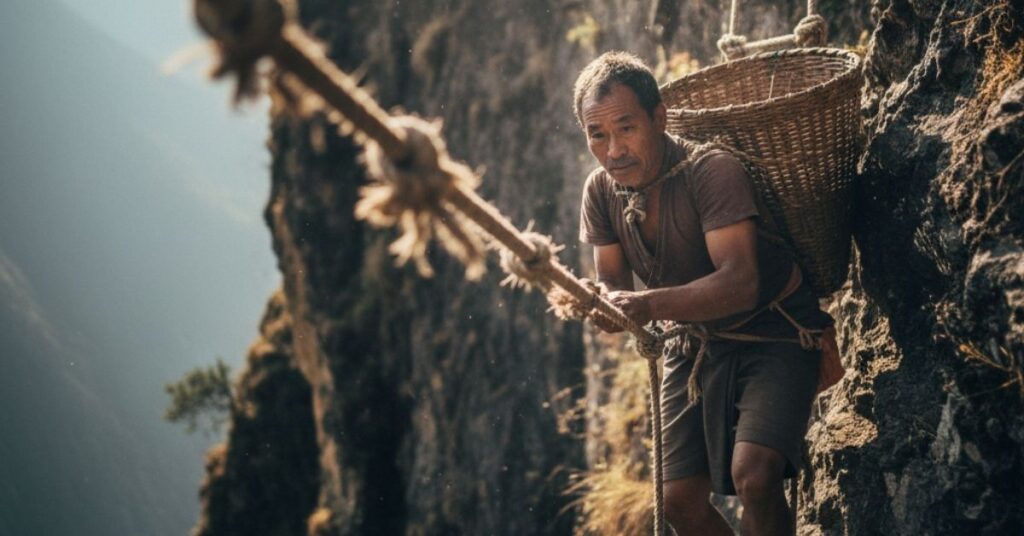
Honey hunting in Nepal is an ancient, perilous art passed down through generations. It involves incredible skill, courage, and deep spiritual respect for nature.
This practice is most famous among the Gurung communities of central Nepal. It takes place on sheer cliffs deep in the Himalayas, often hundreds of feet off the ground. This dangerous tradition is more than a harvest; it is a cultural ritual that connects the community to the spiritual world.
The process begins with prayers and offerings to the cliff gods for safety and success. The honey hunters then use handmade rope ladders and long poles called “tangos” to access the hives. One hunter, the “kuiche,” descends the ladder while others assist from above and below.
A smouldering fire is used to create smoke, which helps pacify the giant bees and drive them from their hive. The hunter then skillfully cuts the large sections of honeycomb, which are carefully lowered to the ground in baskets. This Nepal wild honey is then divided among the community members. The entire process is a testament to human courage and teamwork.
Mad Honey Nepal for Travelers
You can witness the incredible tradition of honey hunting on specialised treks. This offers a rare and authentic glimpse into a vanishing way of life.
Several trekking routes take you to the heart of honey-hunting villages. It’s a powerful and memorable cultural experience. Responsible tourism ensures this tradition can continue to thrive without exploitation.
Witnessing a Honey Hunt
For adventure travellers, seeing a honey hunt is a bucket-list experience. It is not a staged performance but a genuine community event. Tours are timed to coincide with the two harvesting seasons in spring and autumn.
On a honey hunting tour, you will travel to remote villages. You will meet the hunters and learn about their culture firsthand. The main event involves hiking to a viewpoint where you can safely watch the hunters at work on the cliffs. It is a thrilling and humbling sight.
Popular Honey Hunting Regions
The foothills of the Annapurna and Manaslu mountain ranges are the primary regions for honey hunting. These areas are home to large Gurung populations who are the masters of this tradition.
Popular trekking routes that may include a honey hunting experience are:
- The Annapurna Circuit (with a detour to specific villages)
- The Manaslu Circuit
- Customised treks around Lamjung, Kaski, and Myagdi districts.
Villages like Bhujung, Ghalegaun, and others in the region are renowned for their honey hunting traditions.
Safety and Ethical Considerations
Witnessing a honey hunt is a privilege. It is essential to approach it with respect and caution. Safety should always be your top priority.
Here are some key ethical guidelines:
- Go with a Reputable Guide: Never attempt to visit a honey hunt alone. Local guides ensure your safety and act as a bridge to the community.
- Observe from a Distance: The hunt is dangerous. Stay in the designated safe viewing areas to avoid interfering or getting hurt.
- Respect the Culture: This is a spiritual and community event. Ask for permission before taking photos and follow your guide’s advice on local customs.
- Support the Community: Ensure your tour operator fairly compensates the local community for sharing their tradition. Buy local handicrafts or authentic Nepalese honey directly from them.
Buying Mad Honey in Nepal
You can find mad honey for sale in trekking regions and major cities like Kathmandu and Pokhara. However, knowing what to look for is vital to ensure you get the real product.
The quality and authenticity of Nepal mad honey can vary greatly. Buying from a trusted source is the most important step to ensure both safety and a genuine experience.
Where to Find It
You can buy mad honey in a few places. Specialty shops in tourist hubs like Thamel in Kathmandu or Lakeside in Pokhara often carry it. You might also find it sold in the mountain villages where it is harvested.
When looking for Nepal honey for sale, be cautious. The market is filled with fakes and diluted products. Authentic mad honey is rare and therefore more expensive than regular honey.
How to Identify Authentic Mad Honey
Identifying genuine mad honey can be tricky. Here are a few tips:
- Ask the Source: Buy from a seller who can tell you where and when the honey was harvested. Knowledgeable vendors are a good sign.
- Check the Price: Real mad honey is not cheap. A very low price is a major red flag.
- Note the Taste: It often has a distinctively sharp or bitter taste and can create a tingling sensation in the back of your throat.
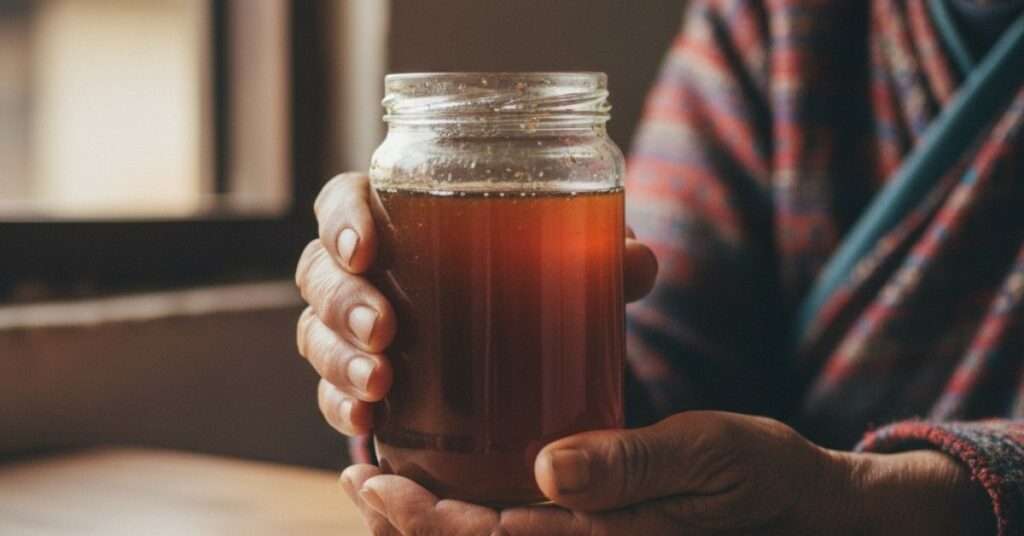
- Look at the Color: It is usually a dark, reddish-brown color, though this can vary slightly by season.
Always start with a tiny amount to test its potency. A trusted trekking guide or a well-regarded shop is your best bet for finding the real deal.
Global Demand and Legality
Mad honey’s global popularity is rising, but its legal status is complex. It often exists in a legal gray area in many Western countries.
Its unique properties have attracted attention from around the world. This demand has created an export market, but it comes with challenges related to regulation and safety. Many people are curious about the “honey that gets you high,” but governments are cautious.
Is Mad Honey legal in the United States and Europe?
The legality of mad honey is not straightforward. In the United States, grayanotoxin is not listed as a controlled substance at the federal level. However, the FDA has regulations against selling food products known to contain poisonous substances.
This means that importing mad honey can be risky. Customs officials may seize it if they identify it as a potentially harmful substance. In Europe, the situation is similar, with laws varying by country. It is often sold online as a novelty or research item rather than a food product.
Why it often called the Nepal honey drug abroad?
The term “Nepal honey drug” has become common in some circles. This is due to its powerful psychoactive effects. The nickname is misleading, as it is a natural product, not a synthetic or processed drug.
However, the name reflects the caution with which it should be treated. The mad honey in Nepal can be intense and disorienting. Responsible sellers and tour operators emphasise that it is a cultural item and traditional medicine, not a recreational drug.
Mad Honey in Popular Culture
Mad honey has captured the imagination of filmmakers and storytellers worldwide. You can often see it in TV shows and films about adventure travel.
These features have played a big role in telling the story of Himalayan mad honey to the world. They show the bravery of the hunters and the magic of the honey itself. Vice Media and National Geographic have filmed the risky cliff climbs and shown why honey hunting is important to local culture.
A famous film, “The Last Honey Hunter,” gives you a close and personal look at a hunter’s life in a remote Nepali village. Because of these stories, mad honey is now known as one of the world’s most amazing natural treasures.
Final Thoughts on Himalayan Mad Honey
Himalayan mad honey is more than just a psychoactive substance. It represents a deep connection between people, nature, and ancient tradition. It tells a story of survival, courage, and the profound wisdom held by the mountain communities of Nepal. For the traveller, it offers a window into a world where life is lived in close harmony with the rhythms of nature.
Experiencing this tradition, whether by witnessing a hunt or carefully tasting the honey, is about respect. It is about understanding the balance between its benefits and its power. As one of Nepal’s most unique cultural treasures, it reminds us that the world’s most profound adventures often lie in its oldest stories.
FAQs
What is the taste of Mad Honey?
Mad honey has a unique taste. It is typically less sweet than regular honey, with a noticeable bitterness and a strong, sometimes tangy, flavour. Many people also report a slight tingling or numbing sensation in their throat after eating it.
Is it safe for foreigners to try?
Yes, it can be safe if consumed responsibly. The key is dosage. You should start with a very small amount, no more than one teaspoon, to see how it affects you. Always source it from a trusted vendor who can advise on its potency.
How is Mad Honey made in Nepal?
Mad honey is made naturally by the giant Himalayan honeybee. These bees collect nectar from the blooms of rhododendron trees growing at high altitudes. The honey hunters then undertake a dangerous and traditional process of climbing cliffs to harvest the honeycombs.
Can you get Mad Honey in Kathmandu or Pokhara?
Yes, you can find mad honey for sale in the main tourist hubs of Kathmandu (especially in Thamel) and Pokhara. It is sold in specialty food shops and stores that cater to trekkers. Be sure to buy from a reputable source.
What’s the difference between Himalayan Honey and Mad Honey?
All mad honey from Nepal is a type of Himalayan honey, but not all Himalayan honey is “mad.” The key difference is the nectar source.
Mad honey is made specifically from rhododendron nectar containing grayanotoxins, while regular Himalayan honey is made from a variety of other wildflowers and has no psychoactive effects.





 Chat on WhatsApp