The Everest Base Camp Trek By Road offers an adventurous and unique alternative to the traditional trek with road trek with return by flight option. For those seeking the thrill of the journey as much as the destination, this 12-day overland adventure provides a chance to explore the beauty of Nepal’s landscapes from the comfort of a jeep or bus and return by flight. Whether you’re on a budget or looking for a different experience, travelling by road to Everest Base Camp is a great way to fully immerse yourself in the majestic Himalayan surroundings.
While most trekkers opt for a flight to Lukla, the Everest Base Camp Trek By Road presents an exciting alternative, allowing you to experience the natural beauty and culture of Nepal in a more immersive way. From the bustling streets of Kathmandu to the serene foothills of the Himalayas, this trek offers a rare chance to witness the diversity of Nepal’s terrain and villages without the high cost and limited time constraints of a flight.
The EBC Road Trip Overview
The Everest Base Camp Trek By Road is an exciting alternative to the traditional flight-based trek. This 12-day journey takes you from the hustle and bustle of Kathmandu to the quiet, awe-inspiring base of Mount Everest, travelling through a variety of landscapes and charming villages.
The road trip offers a unique opportunity to witness Nepal’s rural beauty, with the route connecting some of the most iconic places in the Khumbu region. Along the way, you’ll traverse rugged mountain roads, crossing bridges and valleys before finally reaching the iconic Everest Base Camp, where the true adventure begins.
The journey starts with a scenic drive from Kathmandu to the small town of Jiri, where the real trekking begins. From Jiri, you’ll make your way towards Namche Bazaar, the gateway to Everest. The drive offers stunning views of lush forests, terraced fields, and picturesque villages nestled in the Himalayas. After reaching Namche, the trail continues up to the Everest Base Camp, allowing you to soak in the breathtaking mountain views, including Everest, Lhotse, and Ama Dablam.
The EBC Trek By Road Highlights
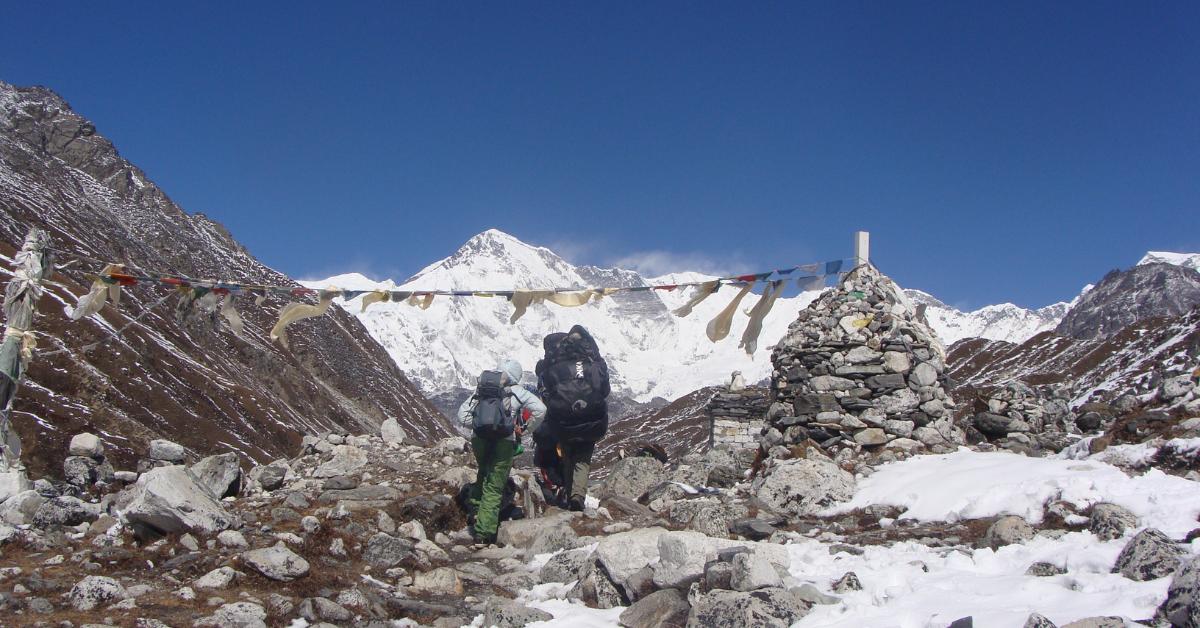
Travelling by road to Everest Base Camp offers some unique and memorable experiences that you wouldn’t normally encounter with a flight.
- Scenic Drive through the Himalayas: Experience diverse landscapes, from green valleys to rugged mountain roads.
- Local Village Interactions: Engage with local Sherpa communities in traditional villages like Jiri and Namche Bazaar.
- Everest Views from Unique Angles: Enjoy breathtaking views of Everest, Lhotse, and Makalu from different perspectives.
- Access to Off-the-Beaten-Path Destinations: Explore quieter, less-frequented areas of the Khumbu region.
- Affordable Adventure: Save money by avoiding the costly Lukla flight with only return by flight option.
- Physical Challenge and Reward: Combine the drive with a rewarding trek, culminating at the base of Mount Everest.
EBC By Road: The Factors to Consider
Trekking to Everest Base Camp by road is an alternative for those who prefer using roads and enjoying trekking experiences. While it offers a scenic and budget-friendly experience, there are a few key factors to consider before taking on this journey. From road conditions and trek duration to accommodation availability and weather, these elements will help you prepare for a smoother and more enjoyable adventure.
Kathmandu To Everest Base Camp Trek By Road: Route, Duration, and Distance
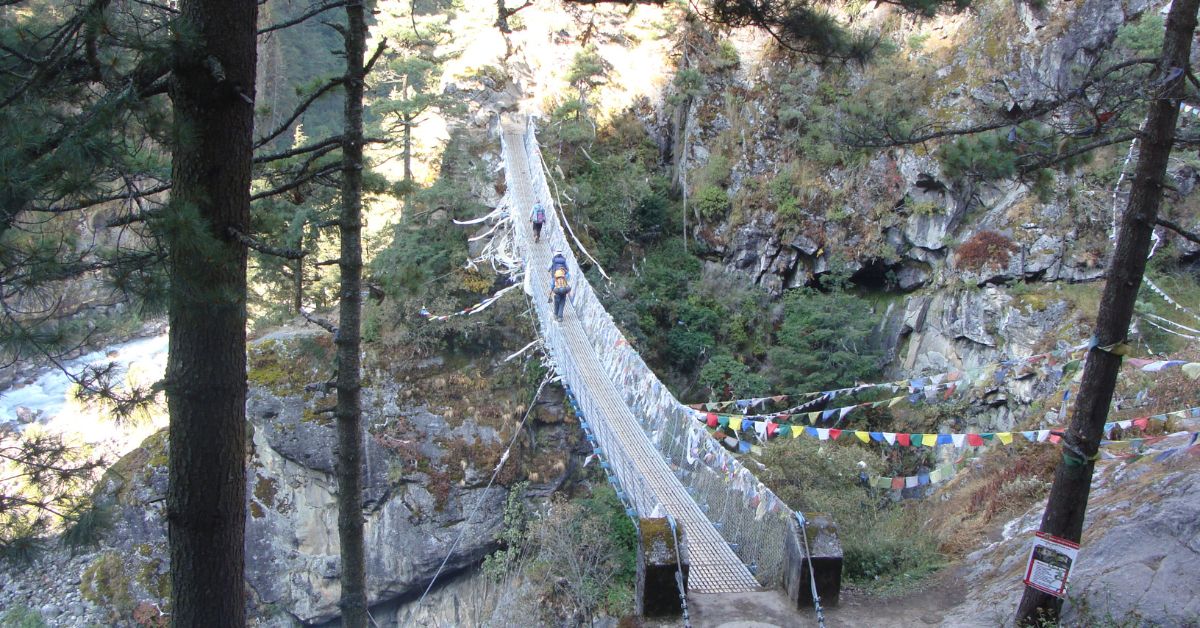
- Route: The journey begins with a scenic drive from Kathmandu to Salleri or Jiri, followed by a trek through traditional Sherpa villages before joining the standard EBC trail at Phakding or Namche Bazaar.
- Duration: The entire trek by road takes approximately 12-14 days, depending on the chosen starting point and acclimatization schedule.
- Distance: The total distance from Kathmandu to Everest Base Camp via road and trek is around 130-150 km, varying by route selection.
EBC Trek Difficulty: Weather, Temperature, and Altitude Sickness
The road trek to EBC presents a diverse range of weather conditions, making it essential for trekkers to prepare for varying climates. At lower altitudes, the weather is generally mild, with daytime temperatures ranging between 10°C to 20°C. However, as you gain elevation, temperatures start to drop significantly, especially at night, reaching -10°C or lower in higher camps. Sudden weather changes are common in the Himalayas, with unexpected snowfall, high winds, and occasional storms, particularly in the pre-winter and winter months. Trekkers should always check forecasts and pack accordingly, ensuring they have the proper layering system to combat the changing climate.
One of the major challenges of the EBC trek by road is altitude sickness, which occurs due to reduced oxygen levels at higher elevations. Although the gradual ascent via road trekking allows better acclimatization compared to the rapid altitude gain of a Lukla flight, the risk of Acute Mountain Sickness (AMS) still exists. Symptoms such as headaches, dizziness, nausea, and shortness of breath can appear above 3,000 meters. Proper acclimatization, hydration, and a steady trekking pace are crucial in preventing AMS. Trekkers are advised to take adequate rest days, avoid alcohol and excessive exertion, and descend immediately if symptoms worsen.
Best Time to Trek EBC By Road
The best time for the EBC trek through the road aligns with the ideal trekking seasons in Nepal:
- Spring (March-May): Stable weather, blooming rhododendrons, and clear mountain views.
- Autumn (September-November): Best visibility, moderate temperatures, and vibrant landscapes.
- Winter (December-February): Possible, but extreme cold and heavy snow can make the trek more challenging.
- Monsoon (June-August): Not recommended due to muddy trails, landslides, and poor visibility.
Mode of Transportation
Everest Base Camp Trek By Jeep Drive
- The most preferred option for road travelers is a jeep drive to Salleri or Phaplu, cutting down trek days while still offering an immersive experience.
- Takes approximately 8-10 hours from Kathmandu, with rugged and adventurous road conditions.
The EBC Road Trip By Bus
- Budget-friendly option, but longer travel time with frequent stops and unpredictable road conditions.
- Bus journeys take around 10-12 hours to Salleri or Jiri before starting the trek.
Accommodation, Food, and Travel Insurance
Accommodation along the Everest Base Camp trek by road is available in tea houses and lodges, offering basic to moderate facilities depending on the altitude. Lower-altitude lodges provide comfortable rooms with attached bathrooms, while higher elevations have more basic accommodations with shared toilets and minimal heating. During peak trekking seasons (spring and autumn), securing a place can be challenging, so early booking is highly recommended. Despite the simplicity, the warmth of local hospitality and stunning Himalayan views make the stay worthwhile.
Food options along the route include standard Nepali trekking meals, ensuring trekkers receive the necessary nutrition and energy for long hiking days. The most common dish is Dal Bhat, a high-carb meal consisting of rice, lentil soup, and vegetables, known for its unlimited refills. Other available meals include momos (dumplings), noodles, soups, fried rice, pasta, and basic Western dishes. While fresh produce is available at lower altitudes, food variety becomes limited as you go higher. Trekkers are advised to carry snacks for extra energy during long trekking days.
Travel insurance is an essential requirement for any high-altitude trek, including the EBC trek by road. Given the unpredictable weather and altitude risks, trekkers should ensure their insurance policy covers emergency helicopter evacuation, medical expenses, and trip cancellations. Altitude sickness can affect anyone, and in severe cases, immediate evacuation is necessary. Without proper coverage, emergency rescues can be extremely costly, making insurance a crucial investment for a safe and worry-free trek.
Everest Base Camp Trek By Road: Permit Cost and Budget Breakdown
The cost of trekking to Everest Base Camp by road depends on factors such as accommodation, food, guide and porter services, permits, and transportation. Below is a detailed breakdown, including an optional return by flight for those looking to shorten the journey.
Transportation Costs:
- Kathmandu to Salleri/Phaplu by jeep: USD 30-50 per person (one way).
- Bus options: Available at a lower cost but take longer and offer less comfort.
- Return by flight: A one-way flight from Lukla to Kathmandu costs around USD 180-250, reducing return travel time from days to just 30-40 minutes.
Permit Costs:
- Sagarmatha National Park Permit: USD 30 per person.
- TIMS Card (Trekkers’ Information Management System): USD 20 per person.
Accommodation & Food:
- Tea house lodging: USD 5-30 per night, depending on altitude and season.
- Meals: USD 5-10 per meal, with costs rising at higher altitudes.
Guides & Porters:
- Guide: USD 25-30 per day (recommended for navigation and cultural insights).
- Porter: USD 20 per day (optional but helpful for carrying loads).
Total Estimated Cost:
USD 1300-1500 per person for a 12-13 days trek, including accommodation, food, permits, transportation, and guide/porter services.
Booking for Your Road Trek to EBC: Easy Ways
Booking your road trek to Everest Base Camp is a hassle-free process with the right planning. Whether you’re travelling solo or in a group, securing permits, arranging transportation, and selecting the best itinerary are key steps to ensure a smooth journey. Since trekking by road involves multiple days of travel through rugged terrain, it’s best to book with a trusted operator who handles logistics, accommodations, and experienced guides. For a seamless experience, you can contact us at Mountain Routes. We offer fully organized EBC road trek packages, covering everything from jeep transport and accommodation to permits and guided trekking.





 Chat on WhatsApp