How Much Does It Really Cost to Trek in Nepal? (2025/26 Edition)
Trekking in Nepal pulls travelers from all over the world. It feels like a big adventure, but it doesn’t have to cost a fortune. Nepal gives you a wide range of choices. You can spend as little as $300 on a short trail or go above $5,000 for a luxury trek. Either way, the views and experience are worth it.
Every season shows Nepal in a new light. Spring and autumn are the most popular. But with the crowds come higher prices. If you want lower costs and quiet trails, pick the off-season.
Your trekking budget depends on where you go, how many days you walk, and what level of comfort you want. The type of food, transport, and guide also matters. Nepal lets you pick your style. Whether you want a simple teahouse trek or a full-service journey, there’s a path that fits you.
Table of Contents
What Impacts Your Trekking Budget in Nepal?
Before choosing your trekking route, it’s smart to know what can raise or lower your overall cost. Nepal stays affordable for most travelers, but the way you plan your trip changes the price. Some people spend under $500, while others go over $3,000 on the same trail.
Your cost depends on how long you stay, how remote the area is, and how much comfort you want. Below are the main things that affect your trekking budget:
- Trek Length and Location
Longer and remote treks usually cost more. You’ll spend more on permits, food, and basic lodging in hard-to-reach places. - Transport Choices
You can ride a bus, book a jeep, or take a flight. The quicker the ride, the higher the price. Helicopters are the most expensive. - Guide and Porter Costs
A guide helps you stay safe and learn about the route. A porter carries your bag. Both make the trek easier but add to your cost. - Permit Fees
Every trekking region has its own rules and permits. Restricted areas like Upper Mustang or Manaslu cost more than the popular trails. - Food and Lodging
Higher altitude means higher prices. In remote areas, food and beds cost more because supplies must be carried up. - Extra Expenses
Think about gear rentals, Wi-Fi, snacks, sightseeing, or tipping your guide. These small things add up.
Trek Cost Breakdown by Region in Nepal
Trekking across Nepal looks different depending on the region you choose. Some trails are remote and quiet, while others are more developed and accessible. That also means the cost can shift a lot, from daily expenses to transport, permits, and accommodation. Below, you’ll find what to expect in each major trekking region, including average prices, elevation notes, and how your budget might stretch depending on comfort and choices.
Everest Region
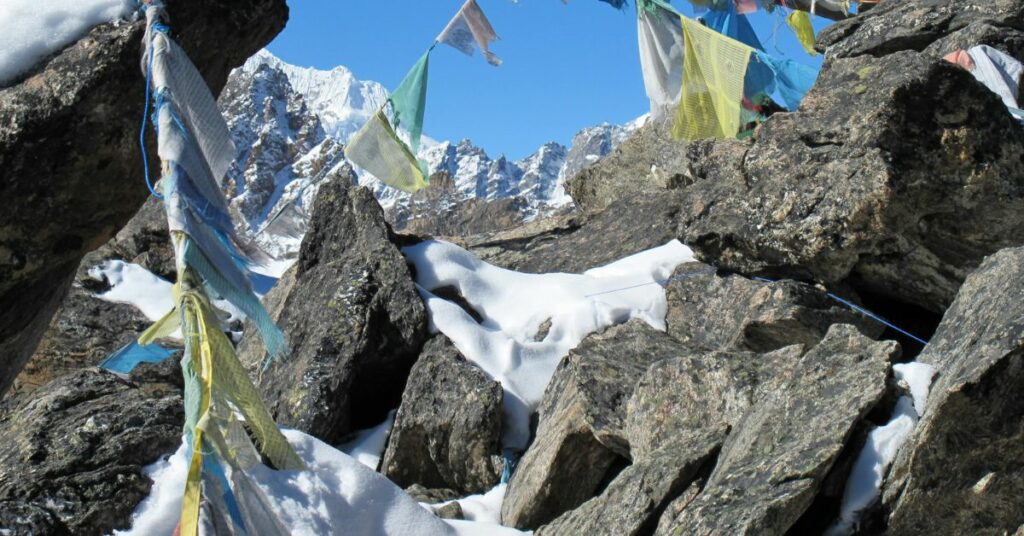
The Everest region is one of the most popular trekking destinations in Nepal. The route includes high elevation trails, world-class views, and unique Sherpa culture. Most travelers take a flight to Lukla, which can raise the overall cost. Prices rise with altitude, but many say the experience is priceless.
| Trek Name | Duration | Estimated Cost (USD) | Difficulty |
|---|---|---|---|
| Everest Base Camp Trek | 12–14 days | $1,200 – $2,500 | Moderate to Difficult |
| Gokyo Lakes and Renjo La Pass | 14–16 days | $1,400 – $2,800 | Moderate to Difficult |
| Everest Three Passes Trek | 18–21 days | $1,500 – $3,000 | Difficult |
| Short Everest View Trek | 5–7 days | $800 – $1,500 | Moderate |
Flight Cost: Kathmandu to Lukla round trip costs between $360 – $400.
Accommodation: $6 – $20 per night in teahouses.
Meals: $6 – $12 per meal.
Permits: Sagarmatha National Park Permit ($30) + TIMS Card ($20).
If you’re planning this legendary route, here’s everything you need to know about the Everest Base Camp trek cost with flights, permits, and meals
Annapurna Region
The Annapurna region works well for both new and experienced trekkers. You don’t need to fly to reach the trail. Just take a bus or jeep from Pokhara. That keeps the cost lower than trekking in Everest. You walk through forests, local villages, and see snow-covered peaks the whole way. Many people check the Annapurna region trek cost including permits, accommodation, meals, and ground transport before planning their trip. It helps you stay within budget and avoid surprise expenses.
| Trek Name | Duration | Estimated Cost (USD) | Difficulty |
| Annapurna Circuit Trek | 14-18 days | $800 – $1,500 | Moderate |
| Annapurna Base Camp (ABC) Trek | 7-12 days | $600 – $1,200 | Moderate |
| Poon Hill Trek | 4-6 days | $300 – $700 | Easy |
| Mardi Himal Trek | 5-7 days | $400 – $800 | Moderate |
- Accommodation: Teahouses cost $5 – $15 per night, and meals range from $4 – $8.
- Permit Fees: Annapurna Conservation Area Permit (ACAP) $30 + TIMS Card $20.
- Transport Costs: Buses from Kathmandu to Pokhara cost $10 – $30, and local jeeps to the trailhead range from $10 – $50.
For full-circle trekkers, you might want to learn about the Annapurna Circuit trek budget per day and total trip cost
Langtang Region
Langtang region is ideal for short but rewarding treks with stunning mountain views and less tourist traffic compared to Everest and Annapurna. It is also the most budget-friendly trekking region as it can be reached by road from Kathmandu.
| Trek Name | Duration | Estimated Cost (USD) | Difficulty |
| Langtang Valley Trek | 7-9 days | $400 – $900 | Moderate |
| Gosainkunda Trek | 5-8 days | $500 – $1,000 | Moderate |
| Tamang Heritage Trail | 6-10 days | $450 – $900 | Easy to Moderate |
- Accommodation & Food: Teahouses charge $5 – $12 per night, and meals cost $4 – $8.
- Permit Fees: Langtang National Park Permit ($30) + TIMS Card ($20).
- Transport Costs: Local buses from Kathmandu to Syabrubesi cost $8 – $20, while private jeeps range from $100 – $150 per vehicle.
Kanchenjunga Region
Unlike the heavily trafficked Everest or Annapurna routes, Kanchenjunga is a quieter trek that allows you to explore your journey more peacefully. Along the way, you’ll get stunning views of peaks such as Kanchenjunga, Jannu, and Kabru, with the added bonus of trekking in the Kanchenjunga Conservation Area, home to rare wildlife like the red panda and snow leopard.
Trek Options in the Kanchenjunga Region
| Trek Name | Duration | Estimated Cost (USD) | Difficulty |
| Kanchenjunga Base Camp Trek | 18-24 days | $1,000 – $2,500 | Difficult |
- Accommodation & Food: Basic teahouses are available; $5 – $15 per night, meals are $5 – $10 per meal.
- Permit Fees: Kanchenjunga Conservation Area Permit ($30) + Restricted Area Permit ($20 per week).
- Transport Costs: Bus from Kathmandu to Taplejung ($20 – $40); flight to Biratnagar plus jeep to Taplejung ($150 – $250).
Manaslu Region
The Manaslu Circuit gives you close-up views of the eighth-highest mountain in the world. The trail takes you through remote villages like Sama Gaon and Samdo. These places let you see Tibetan culture, visit old monasteries, and experience life that has stayed the same for generations. The trek is tough but worth it. You climb slowly to reach Larkya La Pass at 5,160 meters. From there, the mountain views stretch in every direction. If you want to plan ahead, check the Manaslu Circuit trek cost with permits, food, and transport before you go.
Trek Options in the Manaslu Region
| Trek Name | Duration | Estimated Cost (USD) | Difficulty |
| Manaslu Circuit Trek | 14-18 days | $800 – $1,800 | Moderate-Challenging |
- Accommodation & Food: Teahouses cost $6 – $15 per night; meals $5 – $10 per meal.
- Permit Fees: Manaslu Restricted Area Permit ($70 for the first week, $10 per extra day) + Annapurna Conservation Area Permit ($20)
- Transport Costs: Local bus from Kathmandu to Soti Khola ($10 – $20); private jeep ($150 – $250).
Upper Mustang
Upper Mustang is a fascinating trekking destination, offering a unique blend of natural beauty and Tibetan-influenced culture. Located in the remote and restricted region of Mustang, it is often referred to as the “Last Forbidden Kingdom” due to its isolation from the rest of Nepal. The trek takes you through arid landscapes, ancient monasteries, and centuries-old caves carved into cliffs. The trek offers a rare opportunity to witness a culture that has remained largely untouched by modern influences, making it an unforgettable journey for those seeking both adventure and cultural immersion.
Trek Options in Upper Mustang
| Trek Name | Duration | Estimated Cost (USD) | Difficulty |
| Upper Mustang Trek | 12-14 days | $2,000 – $3,500 | Moderate |
- Accommodation & Food: Teahouses $8 – $20 per night; meals $6 – $12 per meal.
- Permit Fees: Restricted Area Permit ($500 for the first 10 days, $50 per extra day) + Annapurna Conservation Area Permit ($20).
- Transport Costs: Flight from Kathmandu to Jomsom ($120 – $150 one way); jeep ride from Jomsom to Lo Manthang ($50 – $150).
Short Treks
Short treks are perfect for beginners or those with limited time, offering an opportunity to experience Nepal’s breathtaking landscapes without having to commit to long expeditions. In just a few days, you can immerse yourself in the breathtaking views of Nepal’s mountains. These shorter treks in Nepal allow you to enjoy the essence of the trekking culture in a manageable time frame.
| Trek Name | Duration | Estimated Cost (USD) | Difficulty |
| Ghorepani Poon Hill Trek | 4-5 days | $300 – $600 | Easy |
| Chisapani-Nagarkot Trek | 2-3 days | $200 – $400 | Easy |
| Mardi Himal Trek | 5-7 days | $400 – $800 | Moderate |
- Accommodation & Food: Teahouses cost $5 – $15 per night; meals $4 – $8 per meal.
- Permit Fees: Annapurna Conservation Area Permit ($20) + TIMS Card ($10 – $20).
- Transport Costs: Bus from Kathmandu to Pokhara ($10 – $30); domestic flight ($120 – $150).
If a shorter route is your style, see the current Mardi Himal trek price with options for local or guided routes: See Mardi Himal pricing
Transportation Costs: Comparing the Most Common Trekking Routes

When planning your trip, transportation often makes up the biggest part of your Nepal trekking cost. The price depends on your route and how you choose to get there. A Kathmandu to Lukla flight, used for the Everest Base Camp trek, costs about $360 to $400 round-trip. This is the most common mode of transport for treks in the Everest region, but also one of the priciest.
On a budget? Use road transport for your Nepal trek. A tourist bus to Pokhara costs between $10 and $30, while a jeep to Syabrubesi for the Langtang trek ranges from $10 to $20. It takes longer, but it saves money and offers scenic views.
For luxury seekers, a helicopter ride to Everest Base Camp runs $900 to $1,500. It’s fast and scenic, but very expensive. Whether you trek in Langtang, Annapurna, or Manaslu, your Nepal trekking cost per day will increase if you opt for flights. So choosing local buses and jeeps helps reduce your overall trekking budget in Nepal.
Guide and Porters Cost
It is highly recommended to rent a guide and porter, especially for longer routes or if you are a beginner. A licensed trekking guide in Nepal charges around $30 to $40 per day. They help with trail navigation, local culture, and logistics. A porter for Nepal trek routes costs $20 to $25 per day and carries up to 20–25 kg. This makes your journey lighter and more enjoyable.
Some treks, like the Manaslu Circuit, require a guide by law because they fall under restricted treks in Nepal. Sharing a guide or porter with another trekker is common and can lower your overall cost to hike in Nepal. If you’re planning to do a longer trek like Upper Mustang or Kanchenjunga, include guide fees in your Nepal trek price breakdown from the start.
Trekking Permit Cost in Nepal (2025 Update)
Every region in Nepal requires a trekking permit, and the fees vary depending on where you go.
Here are the common trekking permit costs in Nepal:
- Sagarmatha National Park Permit – $30 for Everest treks
- Annapurna Conservation Area Permit (ACAP) – $30 for Annapurna treks
- Langtang National Park Permit – $30 for Langtang, Gosainkunda
- TIMS Card (Trekkers’ Information Management System) – $10 to $20 for most areas
- Restricted Area Permits – $70 to $500, depending on trek (e.g. Manaslu restricted permit or Upper Mustang permit)
Always check current prices before your trek, as Nepal trekking permit fees may change each year. Remember, solo trekking in Nepal is not allowed in restricted zones.
Food, and Accommodation Cost
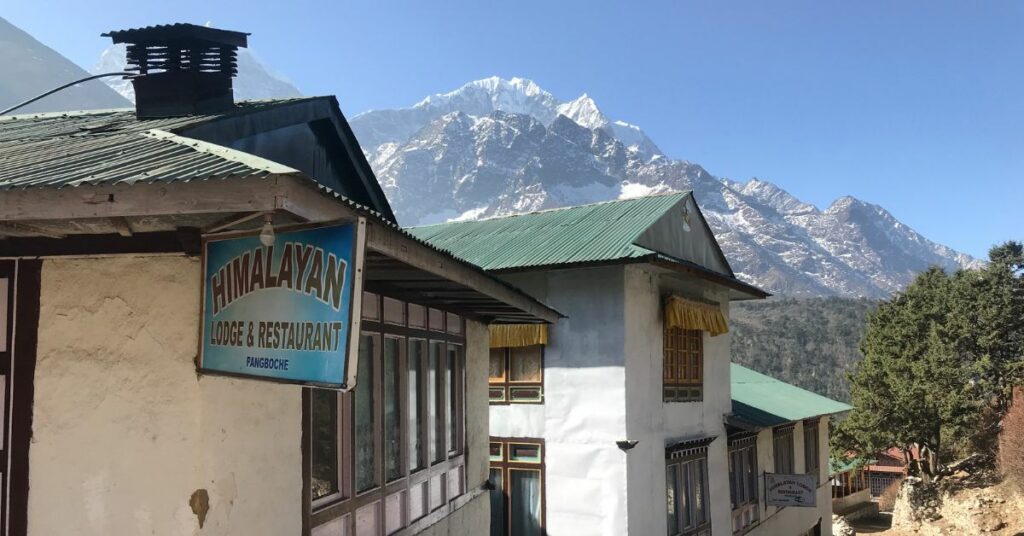
Your Nepal trekking budget must include daily meals and places to sleep. These costs rise with altitude. In low-altitude areas like Kathmandu or Pokhara, you’ll spend about $5 to $10 per meal and $10 to $15 per night for a basic room.
In mid-altitude areas such as Namche Bazaar or Ghorepani, meals range from $7 to $12, and rooms may cost $15 to $20 per night. At higher elevations like Everest Base Camp or Thorong La, expect to pay $10 to $20 per meal and $20 to $30 per night for basic teahouse accommodation. If you’re tracking your Nepal trekking cost per day, budget about $25 to $35 for food and stay, not including gear or tips.
Eating dal bhat, a local staple, is affordable and comes with free refills, great for hungry trekkers trying to save money during Nepal trek.
Other Hidden or Miscellaneous Trekking Costs
When calculating how much you need to trek Nepal on a budget, don’t forget extra costs that add up fast.
- Charging electronics: $1 to $3 per device
- Wi-Fi or mobile data: $2 to $5 per day
- Hot showers: $2 to $4 in higher altitudes
- Tips for guide and porter: $5 to $10/day for guides, $3 to $5/day for porters
- Cultural site entry: $2 to $10 per site in Kathmandu or Pokhara
- Snacks or coffee: $1 to $3 per item
- Souvenirs or shopping: Varies
A smart plan is to add $50 to $100 extra to cover these things in your trekking cost estimation in Nepal.
Gears and Equipment Cost
Proper trekking gear is essential for a successful trek. While you can bring your own equipment, renting or purchasing gear in Kathmandu is an affordable option. Thamel, a popular tourist hub in Kathmandu, has numerous shops offering trekking equipment at reasonable prices.
- Down Jacket: You can buy a down jacket for $50 to $200, or rent one for $2 to $5 per day.
- Sleeping Bag: Sleeping bags are priced between $40 and $120 if you buy one, or you can rent one for $1 to $3 per day.
- Trekking Poles: Trekking poles typically cost $10 to $50 to purchase, and renting them would cost $1 to $2 per day.
- Hiking Boots: Hiking boots can be bought for $60 to $200, though renting them is not a common option.
- Backpack (50-70L): A backpack in the 50-70L range costs between $50 to $150, and renting it costs $2 to $4 per day.
Tips to save money on gear
- Rent Gear for Short Treks: Renting equipment is a great option if you’re trekking only once or for a short duration, saving you the cost of buying new gear you’ll only use occasionally.
- Buy Second-Hand Gear in Thamel: Thamel, the popular tourist hub in Kathmandu, has several stores where you can buy second-hand or discounted trekking gear at a fraction of the price.
- Bring Essentials from Home: Items like thermals, gloves, and socks can be expensive in Nepal, so it’s a good idea to pack these before you go.
- Share a Guide or Porter: If you’re traveling with a group or even with a fellow trekker, sharing a guide or porter can significantly cut down on costs.
- Avoid Expensive Restaurants: Stick to local eateries or tea houses, where meals are cheaper and you’ll get a more authentic experience.
Restaurants, Cafes, and General Visit Cost
After completing your trek, indulging in local cuisine is a delightful way to experience Nepal’s rich culture. Kathmandu and Pokhara are the two most common stopovers before and after trekking, offering a variety of restaurants and cafes where trekkers can relax and enjoy great food.
Popular Restaurants in Kathmandu
Kathmandu, particularly the Thamel area, is a food lover’s paradise, catering to all kinds of travelers. The vibrant food scene is a great way to fuel up after a day of exploring, with plenty of affordable and tasty spots that trekkers swear by. Among different best restaurants in Kathmandu, here are some of the top picks that trekkers often recommend for a satisfying meal before or after your trek.:
- OR2K (Thamel): A renowned vegetarian restaurant offering Mediterranean dishes like falafel and hummus. Its cozy atmosphere makes it a favorite among trekkers looking for a relaxed dining experience.
- Mezze By Roadhouse (Durbar Marg): Famous for its wood-fired pizzas and a mix of Western and Nepali cuisine, it’s a great place to enjoy an evening meal.
- The Chimney Restaurant (Durbar Marg): Located in the historic Yak & Yeti Hotel, this place offers a blend of Nepali and international dishes in an elegant setting.
- Himalayan Java (Multiple Branches): One of Kathmandu’s first specialty coffee houses, offering high-quality coffee, pastries, and light snacks—a great spot to relax before or after a trek.
Popular Restaurants in Pokhara
Pokhara, the gateway to the Annapurna region, is known for its lakeside cafes and restaurants that offer stunning views of Phewa Lake. Here are a few spots that are especially popular among trekkers:
- Moondance Restaurant & Bar (Lakeside): A cozy spot with a mix of Western and Nepali cuisine. It’s a perfect place to unwind with a warm meal after a long trek.
- Fresh Elements (Lakeside): Known for its healthy salads, pasta, and fresh juices, it’s a great choice for those looking for fresh, nutritious meals.
- OR2K (Lakeside): The Pokhara branch of the popular Kathmandu eatery, offering Middle Eastern-inspired vegetarian dishes in a chilled-out atmosphere.
General Visit Costs in Kathmandu and Pokhara
During rest days, travelers often explore cultural landmarks. Entrance to places like Swayambhunath, Pashupatinath, and Boudhanath costs $2 to $10. In Pokhara, a boat ride on Phewa Lake also costs $5 to $10.
Local SIM cards, taxis, snacks, and day tours may add $10 to $20 per day. Plan for these in your Nepal trekking trip budget, especially if you’re staying longer.
Cheapest Treks in Nepal That Fit Any Budget
Trekking in Nepal doesn’t have to cost thousands of dollars. If you plan well and pick the right route, you can enjoy incredible mountain views, local culture, and peaceful trails without spending more than you need. These affordable treks in Nepal are great for beginners, short on time travelers, and those who want to experience the Himalayas without high-altitude challenges or expensive logistics.
Below are the cheapest treks in Nepal under $500 to $900, with a brief look at what makes each route unique.
Ghorepani Poon Hill Trek
- Duration: 4–5 days
- Trek Cost: $300 – $600
- Difficulty: Easy
This is one of the most popular budget treks in Nepal. You’ll hike through rhododendron forests, stay in cozy teahouses, and enjoy sunrise views of Annapurna and Dhaulagiri from Poon Hill (3,210 m). Since it starts from Nayapul near Pokhara, there’s no need for flights. Permits are cheap, and the short duration keeps food and stay costs low.
Langtang Valley Trek
- Duration: 9–11 days
- Trek Cost: $450 – $900
- Difficulty: Moderate
If you want fewer crowds and glacier views, the Langtang Valley trek is a perfect choice. It’s accessible by road from Kathmandu and doesn’t need a guide or porter if you have experience. The scenery includes alpine forests, yak pastures, and views of Langtang Lirung. You’ll also get to explore Tamang villages and Buddhist monasteries.
Mardi Himal Trek
- Duration: 6–8 days
- Trek Cost: $500 – $1,000
- Difficulty: Moderate
This short trek near Pokhara gives you sharp mountain ridges, dense forests, and views of Machhapuchhre (Fishtail). It’s one of the best budget treks in the Annapurna region and doesn’t require restricted permits or flights. With basic teahouses and minimal gear needed, your Mardi Himal trek cost stays affordable.
Helambu Trek
- Duration: 7–9 days
- Trek Cost: $350 – $700
- Difficulty: Easy to Moderate
The Helambu Trek is close to Kathmandu, so it’s easy to start. You’ll walk through villages with Tibetan influence, green hills, and peaceful trails. Since there’s no need for flights and permits are minimal, the overall cost to trek Helambu stays low. It’s ideal for cultural experiences and soft adventure.
How to Save Money During a Trek in Nepal?
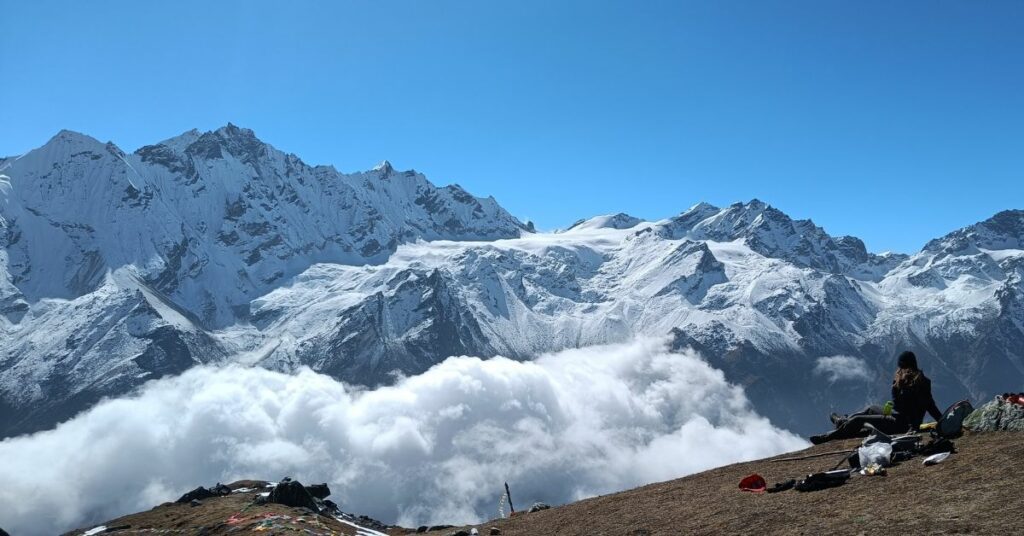
You don’t need a big budget to explore Nepal’s trekking routes. Many trekkers complete their journey for less than $600, especially on shorter routes or with smart planning. These simple tips will help you lower your Nepal trekking cost without missing the real experience.
- Travel Independently or Join a Group
- Pick a Trek That Avoids Flights
- Choose a Short Budget Trek
- Eat Local and Sleep Simple
- Bring Snacks and Filtered Water
- Rent Instead of Buying Trekking Gear
1. Travel Independently or Join a Group
If you’ve hiked before, you can save a lot by trekking solo in Nepal without a guide. Just make sure the route allows it and that you’re prepared. For restricted areas like Manaslu or Upper Mustang, guides are required.
Learn more about the rules and best trails for solo trekking in Nepal
If you’re a beginner or prefer company, joining a group trek helps cut costs. You can share the guide or porter and split transportation fees.
2. Pick a Trek That Avoids Flights
Domestic flights, especially to Lukla, are expensive. Treks that start near Kathmandu or Pokhara are easier on your wallet. A good example is the Annapurna Base Camp trek with a 5-day itinerary, which is both scenic and affordable.
3. Choose a Short Budget Trek
Shorter treks mean fewer permits, fewer meals, and less time on the trail—so you save more. The Budget Everest Base Camp Trek with a 12-day plan is a good example of trimming the cost while still seeing Everest.
4. Eat Local and Sleep Simple
Stick to local meals like dal bhat. Most tea houses offer cheaper rooms or even free stays if you eat with them. Avoid fancy menus or imported food to keep your Nepal trekking food cost down.
5. Bring Snacks and Filtered Water
Trail snacks like protein bars or nuts can cost 2 to 3 times more in remote areas. Buy them in Kathmandu. Use a water purifier or tablets instead of buying bottled water.
6. Rent Instead of Buying Trekking Gear
Renting gear saves money, especially for short treks. You can rent sleeping bags, jackets, and backpacks in Kathmandu or Pokhara for a few dollars per day.
7. Book with a Local Trekking Agency
Nepal-based trekking agencies often offer better prices than international ones. You get lower fees, trusted local guides, and direct support from the people who know the region best.
Book Your Trek with the Best and Affordable Travel Operator in Nepal
Booking your trek through a local operator is one of the best ways to save money in Nepal. Local travel companies often offer more affordable Nepal trekking packages compared to international agencies, as they have a better understanding of local costs and routes. By choosing a local operator, you can benefit from personalized services and competitive pricing. Plus, you’ll be supporting the local economy, as the money stays within the community.
At Mountain Routes, we specialize in creating the perfect trekking experience tailored to your needs, ensuring you get the most out of your journey. Our prices are transparent and can be trusted, offering you great value without hidden fees. We handle everything from securing permits and arranging transportation to booking comfortable accommodations, ensuring a hassle-free journey.
With over 10 years of experience, our expert guides are not only highly knowledgeable but also dedicated to your safety, ensuring you trek with confidence. Our team’s local expertise and commitment to your well-being make us a reliable choice for your adventure, so you can focus on enjoying every moment while we take care of the rest.
FAQs
What is the luxurious trek in Nepal?
Nepal luxury treks typically involve top-quality services, such as the Everest Base Camp helicopter return or the Annapurna Sanctuary trek with enhanced lodges. They cost between $3,000 and $6,000 for a full package that includes flights, accommodation, and meals.
Which trek is the cheapest in Nepal?
Langtang Valley Trek and Poon Hill Trek are two of the most affordable treks, costing an average of $300 to $900 for a 7- to 10-day trek, depending on the type of accommodation and whether you hire a porter or a guide.
How much money should I bring on the Nepal trek?
For a 10-day trek, an outlay of $500 to $1,500 should be just about sufficient based on the amount of trekking one is planning to do. The cost can accommodate basic accommodation and food if budget travel is utilized; however, those planning to trek with more comfort may need planning in the direction of higher expenditure.
What is the cost of Nepal trekking guides and porters?
The cost of hiring a guide in Nepal is usually between $30 and $40 per day, whereas porters are usually available at $20 to $25 per day. These prices will depend on the area, the duration of the trek, and the quality of service.
How much does it cost to climb in Nepal?
Trekking costs in Nepal generally range from $300 to $600 for shorter treks like the Ghorepani Poon Hill Trek and $450 to $1,000 for longer treks like the Langtang Valley Trek. For luxury trekking experiences, the cost can increase from $2,000 to $5,000, depending on the trek’s duration, region, and comfort level.





 Chat on WhatsApp