
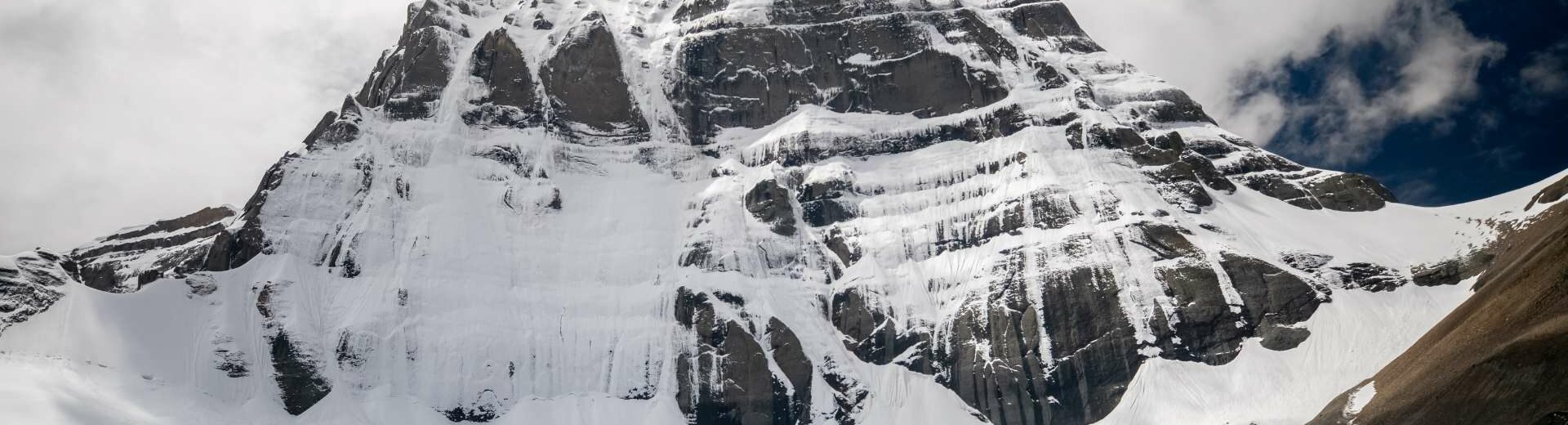
Hillary Step Everest: Rugged Outcrop Below The Everest
When travelers talk about Everest, they often describe the beauty, the views, and the sense of victory. But there is another side to this mountain. One of the biggest challenges sits near the top, at a place called the Hillary Step. This narrow rock wall once blocked the final path to the summit. Climbers feared it for its steep angle and deadly exposure.
The Hillary Step lies between the South Summit and the true summit, at more than 8,700 meters. The air here is thin, every breath feels heavy, and every step feels slow. Climbers say this spot tests courage more than any other section on the mountain. Even after changes caused by the 2015 earthquake, the Hillary Step remains one of the most talked-about sections. Its story still inspires climbers today.
Why the Hillary Step Became Famous
Among all the places on Mount Everest, the Hillary Step stands out the most. It was a sharp vertical rock face just below the summit. Climbers had to squeeze through a narrow path with big drops on both sides. This section was named after Sir Edmund Hillary, who climbed it with Tenzing Norgay in 1953. Their achievement marked the first successful climb to the top of the world.
For decades, the Hillary Step became the final test for climbers. Many reached this point tired, cold, and low on oxygen. The narrow path and height made the climb terrifying. Stories of this section appeared in books, documentaries, and climbers’ logs. Even on calm days, this part needed full focus and strength.
If you want to learn more about the pioneers who first crossed this point, read this short guide:
👉 Edmund Hillary and Tenzing Norgay: The First Ascent
Major Challenges on the Hillary Step
The Hillary Step looks short, but everything around it makes the climb harder.
Here are the main challenges climbers face:
- A narrow path where only one climber can move at a time
- Steep walls that need technical climbing in thin air
- A deep drop on both sides with no room for mistakes
- Long traffic lines that form in the death zone
- High chances of altitude sickness
- Sudden weather changes that bring snow and strong winds
These conditions show why climbers feared this place long before the earthquake changed it.
What Really Happened to the Hillary Step
After the 2015 earthquake in Nepal, climbers began to notice something different. Many said the Hillary Step had collapsed or shifted. In 2016 the entire section was covered with snow, so nothing was clear. But in 2017 new photos confirmed the change.
The steep rock wall was gone. In its place was a sloped section of snow and broken rock. This change sparked debates among guides and climbers.
Some believed this made the climb easier. Others said it created new dangers, especially since snow is less stable than rock. The slope can collapse during storms, and climbers can slip more easily.
The Hillary Step before and after 2015 looks very different, but both versions have one thing in common. They are still dangerous.
For a clear guide on what the death zone means for climbers, visit:
👉 Death Zone on Everest Explained
Is the Hillary Step Still Difficult Today?
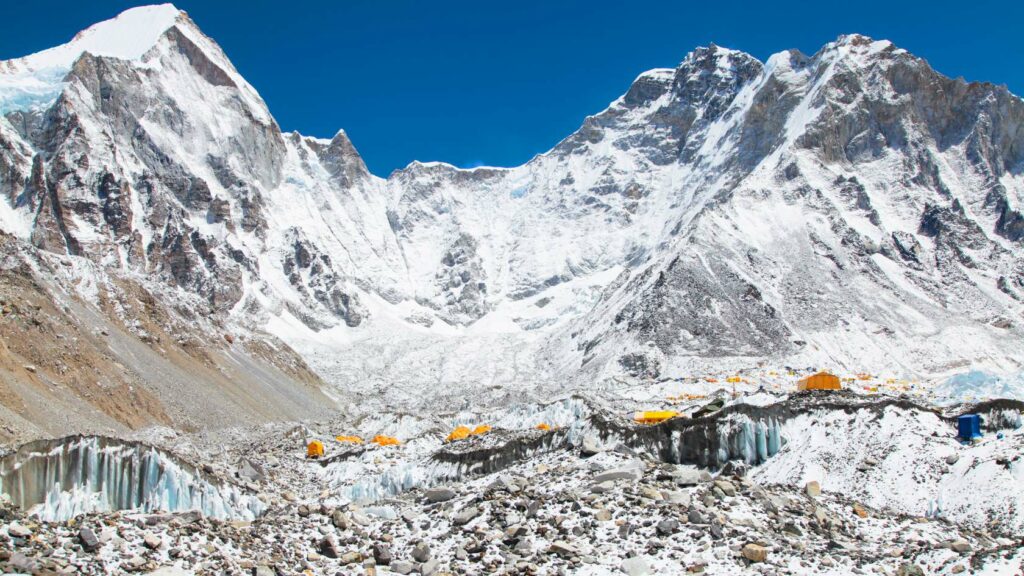
Many climbers ask whether the Everest Hillary Step is easier now. The answer is mixed.
Before the earthquake, climbers faced a vertical wall of rock that needed technique and strength. After the earthquake, the rock formation changed into a snow slope. The new slope looks simpler, but snow brings its own risks.
Snow can break, shift, or become icy. The slope has fewer fixed anchors. Wind and storms change the surface every hour. Slipping is common. So the danger has not disappeared. It has only changed in form.
Many beginners now choose to complete the Everest Base Camp trek first before attempting the summit. This helps them understand altitude, cold, and mountain terrain.
Necessary Gears to Carry to Avoid Difficulty
Everest is the toughest places you can imagine to be at. Carrying necessary gears will make your adventure less complicated. So, make sure you pack the below mentioned items.
- Crampons – Provide grip on ice and snow during steep climbs
- Ice Axe – Essential for stability on icy and slippery slopes
- Ropes and Carabiners – Needed for fixed lines and safety anchors
- Climbing Helmet – Protects from falling rocks and sudden slips
- Oxygen Cylinder – Crucial for survival in high-altitude zones
- Down Suit – Keeps your body warm in extreme cold conditions
- Headlamp – Useful during early summit pushes in low visibility
- Glacier Goggles – Shields eyes from intense snow glare and wind
Frequently Asked Questions
Did Hillary Step have oxygen on the Everest climb?
Yes. Both Hillary and Tenzing used supplemental oxygen during their climb in 1953. At that height, oxygen levels drop sharply. Bottled oxygen helped them stay alert and strong while crossing the Hillary Step.
Is the famous Hillary Step Mount Everest section easier now?
After the 2015 earthquake, many believe the Hillary Step Mount Everest section became easier due to its collapsed form.
Instead of a steep rock wall, climbers now face a sloped path of snow and ice. While it may seem simpler, snow brings its own dangers. Slippery surfaces, poor footing, and fewer anchor points increase the risk. So, easier or not, climbers still face a serious challenge at that point.
What are other death zones in Everest?
The Hillary Step is not the only dangerous area. The South Summit, Balcony section, and parts near the Geneva Spur also fall above 8,000 meters. In the death zone, oxygen is very low and staying for long is unsafe. Climbers must move fast and stay focused.





 Chat on WhatsApp