Annapurna Base Camp Trek at 4130m: 2026 Altitude Acclimatization Guide
Annapurna Base Camp acclimatization is the key to a safe and successful trek to 4,130 meters above sea level. Many trekkers dream of reaching this beautiful destination in the Himalayas. But the journey requires careful planning for your body to adjust to the thin air.
Proper acclimatization makes the difference between a safe, enjoyable trek and a dangerous situation. Your body needs time to adapt as you climb higher. The air gets thinner with each step up the mountain. Oxygen levels drop. Your breathing rate increases. These changes affect every trekker.
We cover the practical steps to acclimatize safely on your ABC trek. You’ll learn how to recognize altitude sickness symptoms. You’ll discover the best schedule for climbing. And finally, you’ll understand what to do if problems arise.
Thousands of trekkers complete the Annapurna Base Camp trail each year. Most succeed because they follow smart acclimatization practices. You can join them with the right preparation and knowledge.
Table of contents
- Why Acclimatization Keeps You Safe on the ABC Trail
- What is Acute Mountain Sickness (AMS)?
- Annapurna Base Camp Elevation and Key Altitude Points
- Altitude Zones on the ABC Trek
- Day-by-Day Acclimatization Plan for Annapurna Base Camp
- Day-by-Day Acclimatization Plan for Annapurna Circuit Trek
- Best Places for Acclimatization Breaks on the ABC Route
- Preventing Altitude Sickness on the ABC Trek
- Natural Prevention Methods
- What to Do If You Experience Altitude Sickness
- Common ABC Acclimatization Mistakes and Myths to Avoid
- Final Thoughts
Why Acclimatization Keeps You Safe on the ABC Trail
Acclimatization is how your body adjusts to high altitude conditions. The process takes time. You cannot rush it. Your body makes specific changes to work with less oxygen.
At sea level, oxygen makes up about 21% of the air. This percentage stays the same at 4,130 meters. But the air pressure drops significantly. Less pressure means less oxygen enters your lungs with each breath.
Your body responds in several ways. Your breathing rate speeds up. You take in more air to get enough oxygen. Your heart beats faster to pump oxygen-rich blood throughout your body. Your kidneys adjust fluid levels. Over several days, your body creates more red blood cells to carry oxygen.
These changes don’t happen instantly. They need time to develop. If you climb too fast, your body cannot keep up. This leads to Acute Mountain Sickness (AMS).
What is Acute Mountain Sickness (AMS)?
AMS is the most common altitude-related issue. It appears when your body cannot keep up with the height gain. Even strong and fit trekkers can get AMS. Fitness does not prevent altitude sickness. Only the correct pace, steady hydration, warm meals, and proper rest protect you at height.
AMS can develop slowly or suddenly. Some trekkers feel fine at 3000 meters and uneasy at 3500 meters. Others feel symptoms even at 2600 meters. You must stay alert and honest about how your body feels.
A simple way to understand AMS:
If your body needs more time at altitude, you will feel early warning signs.
Ignoring these signs makes the condition worse.
Common AMS Symptoms at ABC
Early AMS symptoms often feel like a hangover or flu. Watch for these warning signs:
Most Common Symptom: Headache
- Usually starts at the back of your head
- Pain relievers may not help much
- Often the first sign of altitude problems
Digestive Issues:
- Nausea and feeling like vomiting
- Complete loss of appetite
- Food seems unappealing even though you need energy
Physical Symptoms:
- Dizziness and lightheadedness
- Feeling unsteady on rocky trails
- Fatigue beyond normal trek tiredness
- Heavy legs despite adequate rest
- Shortness of breath during normal activities
Sleep Problems:
- Waking up frequently during the night
- Difficult breathing while lying down
- Periodic breathing (stopping and starting)
- Feeling unrested after a full night
These mild symptoms can appear within hours of reaching a new altitude. They typically show up 6 to 12 hours after arrival. Most people feel them strongest on the first night at a new elevation.
If you notice these symptoms, stop climbing higher. Rest at your current altitude. Drink plenty of water. Monitor yourself carefully. Symptoms should improve within 24 to 48 hours if you stay at the same elevation.
Serious Altitude Conditions Beyond AMS
AMS can progress to two life-threatening conditions if ignored. These require immediate action and descent.
High Altitude Cerebral Edema (HACE) – Brain Swelling Emergency
This develops when fluid builds up in your brain. Recognize these critical warning signs:
- Severe confusion and irrational behavior
- Cannot walk a straight line
- Complete loss of coordination
- Hallucinations
- Severe drowsiness leading to unconsciousness
HACE can develop quickly from moderate AMS. It can also appear suddenly without warning. Anyone showing HACE symptoms needs immediate descent of at least 1,000 meters. Medical evacuation may be necessary.
High Altitude Pulmonary Edema (HAPE) – Lung Fluid Emergency
This occurs when fluid fills your lungs. Watch for these danger signs:
- Extreme breathlessness even at rest
- Shortness of breath while lying down
- Persistent cough
- Coughing up pink or frothy fluid
- Blue lips or fingernails
- Chest tightness and rapid heart rate
HAPE can kill within hours if untreated. Immediate descent is the only effective treatment. Oxygen helps but doesn’t replace the need to go lower. Helicopter rescue is often required.
Both conditions are rare on the ABC trek if you acclimatize properly. Most trekkers who follow a gradual schedule never face these problems. However, you must know the signs. Early recognition saves lives.
Never continue climbing if you or a trekking partner shows severe symptoms. Descent is not a failure. It’s a smart decision that could save your life.
Annapurna Base Camp Elevation and Key Altitude Points
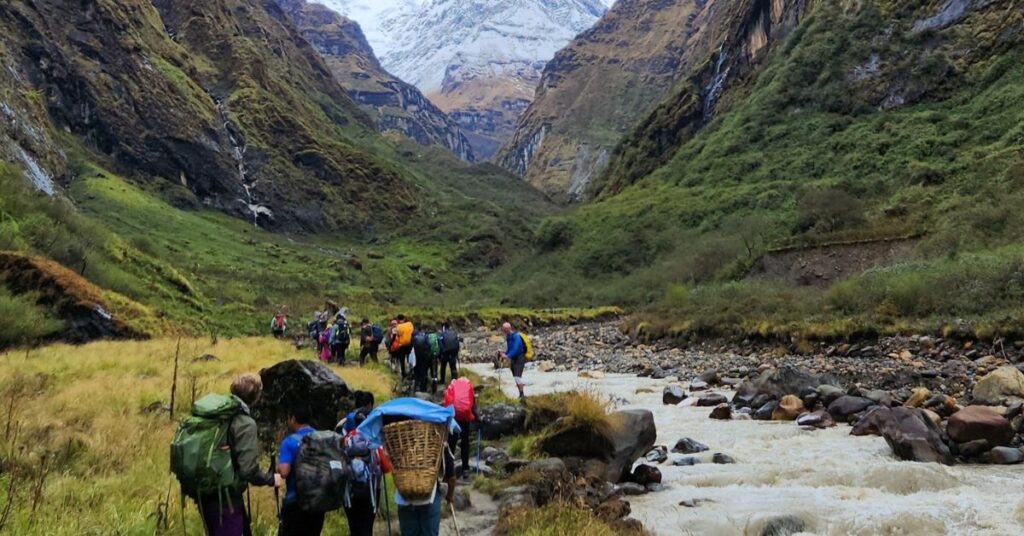
Understanding the ABC distance, elevations and altitude along your route helps you plan proper acclimatization. The ABC trek takes you through several altitude zones. Each zone affects your body differently.
ABC Trek Elevation Profile:
| Location | Elevation (meters) | Elevation (feet) | Altitude Zone | Notes |
| Nayapul | 1,070m | 3,510 ft | Low | Trek starting point |
| Tikhedhunga | 1,540m | 5,052 ft | Low | First night stop |
| Ghorepani | 2,874m | 9,429 ft | Moderate | Entry to moderate altitude |
| Chhomrong | 2,170m | 7,119 ft | Low-Moderate | Major stone staircase village |
| Bamboo | 2,310m | 7,579 ft | Moderate | Bamboo forest zone |
| Deurali | 3,230m | 10,597 ft | Moderate | Tree line disappears |
| Machapuchare Base Camp | 3,700m | 12,139 ft | High | Critical acclimatization stop |
| Annapurna Base Camp | 4,130m | 13,549 ft | High | Final destination |
The total elevation gain from Nayapul to ABC measures about 3,060 meters. This is a substantial climb over several days. The key is gaining this elevation gradually with proper rest periods.
Altitude Zones on the ABC Trek
The ABC route passes through three distinct altitude zones. Each zone presents different challenges to your body.
Low Altitude Zone: Sea Level to 2,500 meters
Includes Nayapul, Tikhedhunga, Ghorepani, and Chhomrong. Most people feel no altitude effects here. Your body functions normally. You can maintain your regular pace without concern.
Moderate Altitude Zone: 2,500 to 3,500 meters
Includes Bamboo, Himalaya, and Deurali. Your body starts to notice the thinner air. Breathing becomes slightly harder during steep climbs. You might experience mild headaches or fatigue. These symptoms are normal as your body begins adjusting.
High Altitude Zone: 3,500 to 5,500 meters
Includes Machapuchare Base Camp and Annapurna Base Camp. The air is noticeably thin. Every activity requires more effort. Sleeping can be difficult. AMS symptoms are more common here.
Each zone requires different strategies. In the low zone, you can make good progress each day. In the moderate zone, you should slow your pace and monitor your body. Finally, in the high zone, you must be very careful about ascent rates and symptoms.
The ABC trek doesn’t enter the very high altitude zone (above 5,500 meters). This makes it more accessible than treks like Everest Base Camp. However, 4,130 meters is still high enough to cause serious problems without proper acclimatization.
Day-by-Day Acclimatization Plan for Annapurna Base Camp
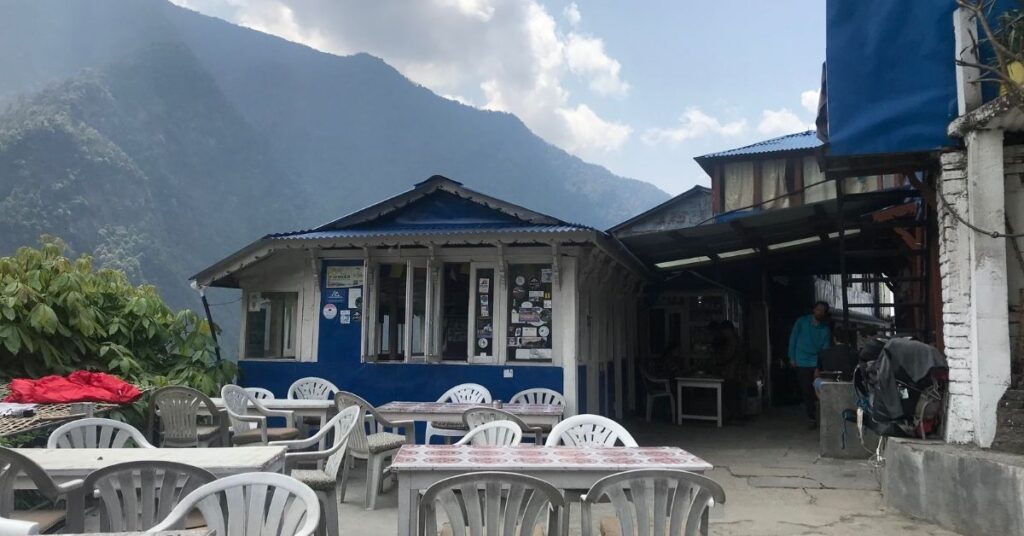
A proper ABC trek itinerary spreads the elevation gain over 7 to 10 days. This schedule gives your body time to adjust safely. Shorter itineraries are possible for experienced high-altitude trekkers, but most people need the full timeline.
Day 1: Nayapul (1,070m) to Tikhedhunga (1,540m) The trek begins with a gentle introduction. You gain only 470 meters on the first day. This easy start lets your legs warm up. Your body doesn’t face altitude stress yet.
Day 2: Tikhedhunga (1,540m) to Ghorepani (2,874m) This day involves a steep climb up stone stairs. You gain 1,334 meters. This is a significant elevation increase. Take your time. Stop frequently for breaks. Drink lots of water. Most trekkers handle this climb well because they start from a low elevation.
Day 3: Ghorepani to Poon Hill to Tadapani (2,630m) You wake up early to climb Poon Hill (3,210m) for sunrise views. Then you descend to Tadapani. This follows the “climb high, sleep low” principle. You actually sleep lower than the previous night. This helps your body adjust.
Day 4: Tadapani (2,630m) to Chhomrong (2,170m) Another descent day. You drop 460 meters in elevation. This gives your body more time to produce red blood cells. You feel strong and energized at this lower altitude.
Day 5: Chhomrong (2,170m) to Bamboo (2,310m) A short day with minimal elevation gain. Only 140 meters higher. This gentle day prepares you for the steeper gains ahead. Your body continues adapting.
Day 6: Bamboo (2,310m) to Deurali (3,230m) You gain 920 meters today. This is a significant jump. Take your time. Stop at Himalaya Hotel (2,920m) for a long lunch break. Monitor yourself for symptoms in the evening.
Day 7: Deurali (3,230m) to Machapuchare Base Camp (3,700m) You climb 470 meters to MBC. This is a critical acclimatization stop. Spend the night here rather than pushing to ABC. Your body needs time to adjust to this altitude.
Day 8: MBC (3,700m) to Annapurna Base Camp (4,130m) and back to Bamboo (2,310m) You climb 430 meters to reach ABC in the morning. Spend 1-2 hours enjoying the views. Then descend all the way to Bamboo. This big descent helps you recover. Sleeping at 2,310m after reaching 4,130m is ideal for your body.
Day 9-10: Return trek to Nayapul The descent is much faster. You can cover more distance each day going downhill. Your body feels relief as oxygen levels increase.
This schedule includes natural acclimatization principles. You gain elevation gradually, and include descent days. You never gain more than 1,000 meters in a single day at higher altitudes. Most importantly, you sleep at lower elevations after reaching ABC.
Some trekkers add an extra rest day at Chhomrong or Deurali. This is a smart choice if you feel early signs of discomfort.
The same slow pace applies to a well-designed Annapurna Base Camp trek package. Never rush this schedule to save a day. Your safety depends on patient and steady acclimatization.
Day-by-Day Acclimatization Plan for Annapurna Circuit Trek
The Annapurna region offers two world-class treks that demand proper acclimatization. Along with the Annapurna Base Camp, the Annapurna Circuit stands out as another incredible journey. However, the circuit requires even more careful planning than ABC
A typical circuit itinerary takes 12 to 18 days. The extra time allows for proper adjustment to the extreme altitude at Thorong La.
Key acclimatization stops on the circuit include Manang (3,540m) and Yak Kharka (4,018m). Most trekkers take at least one full rest day in Manang. This village offers excellent acclimatization hikes to Gangapurna Lake or Ice Lake.
The climb from Manang to Thorong La should take at least three days. You stop at Yak Kharka, Thorong Phedi (4,540m), and High Camp (4,925m) before the pass. Some itineraries skip one of these stops, but this increases altitude sickness risk.
The circuit descends quickly after Thorong La to Muktinath (3,800m). This rapid descent helps you recover from the high pass.
If you plan to do both ABC and the Annapurna Circuit, allow at least 18 to 21 days total. Your body needs adequate time for both high points.
Best Places for Acclimatization Breaks on the ABC Route
Certain villages along the ABC trail offer ideal conditions for acclimatization stops. These locations provide comfortable lodges, good facilities, and nearby acclimatization hikes.
Chhomrong (2,170m) serves as an excellent first acclimatization point. The village has many tea houses with good food. The stone staircase provides a natural workout. You can take a short hike to Khuldi village for extra altitude exposure during a rest day.
Deurali (3,230m) is the most critical acclimatization stop. This small settlement sits right before MBC. Spend extra time here if you feel any symptoms. A rest day at Deurali can make the difference between success and failure at ABC.
Machapuchare Base Camp (3,700m) offers the final acclimatization opportunity. Everyone should sleep here before attempting ABC. Some trekkers feel tempted to push directly to ABC from Deurali. This is a mistake. The extra 430 meters from MBC to ABC can trigger severe symptoms if you skip this stop.
During rest days, you can take short acclimatization hikes. Climb 200-300 meters higher than your sleeping elevation. Spend an hour at the higher point. Then return to your lodge. This “climb high, sleep low” practice speeds up acclimatization.
Always choose quality rest over faster progress. The mountains will wait. Your health cannot.
The Golden Rules of High Altitude Acclimatization
These steps on how to acclimatize safely have kept climbers safe for decades. Follow them strictly on your ABC trek.
| Rule | Principle | What Should You Do? |
| 1 | Climb Slowly and Steadily | • Walk at a conversational pace• If too breathless to talk, slow down• Follow “bistari bistari” (slowly slowly)• Speed is your enemy at altitude |
| 2 | Never Ascend with Symptoms | • Stop climbing with headache, nausea, or dizziness• Rest at current elevation for 24 hours• Only ascend after symptoms disappear• Pushing through can be deadly |
| 3 | Climb High, Sleep Low | • Sleeping elevation matters most• Hike higher for views and exercise• Return to lower elevation to sleep• This speeds safe acclimatization |
| 4 | Add Rest Days at Key Points | • Plan 1-2 rest days in your itinerary• Take them at moderate to high elevations• Do short acclimatization hikes• Active rest beats complete rest |
| 5 | Increase Sleeping Elevation Gradually | • Gain only 300-500m per night above 3,000m• You can hike far during the day• But sleep at lower lodge• Gradual gain prevents AMS |
| 6 | Listen to Your Body, Not Your Ego | • Don’t compare yourself to others• Don’t hide symptoms out of embarrassment• Your body signals are warnings• Trust your body over peer pressure |
| 7 | Descend If Symptoms Worsen | • Descent is the best medicine• Drop 500m for dramatic improvement• You can try again after recovery• Turning back is smart, not failure |
Preventing Altitude Sickness on the ABC Trek
Prevention is much easier than treating altitude sickness. Smart preparation before and during your trek reduces your risk significantly.
Pre-Trek Preparation for ABC
Your preparation starts weeks before you leave home. Physical fitness helps, but it doesn’t prevent altitude sickness. However, good fitness makes the trek more enjoyable.
Build cardiovascular endurance. Walk, run, cycle, or swim regularly for 2-3 months before your trek. Aim for 45-60 minutes of aerobic exercise 4-5 times per week. This strengthens your heart and lungs.
Practice hiking with elevation gain. If you live near hills, hike them with a light backpack. This prepares your leg muscles for the constant climbing. Stairs work if you don’t have access to hills.
Consult your doctor. Visit your physician 6-8 weeks before departure. Discuss your trek plans. Mention any pre-existing conditions. Heart problems, lung conditions, and high blood pressure can increase altitude risks.
Get necessary prescriptions. If your doctor recommends Diamox, get your prescription early. Test the medication at home to check for side effects.
Ensure proper travel insurance. Buy coverage that includes helicopter evacuation from 5,000 meters. Medical evacuation from the Himalayas costs $5,000-10,000. Good insurance is not optional.
Arrive in Nepal early. Spend 2-3 days in Kathmandu or Pokhara before starting your trek. This gives you time to adjust to Nepal’s elevation (1,400m). It also helps you recover from long flights.
Medications for Altitude Sickness Prevention
Several medications can help prevent or treat altitude sickness. Always consult a doctor before taking any medication.
Acetazolamide (Diamox) – Primary Prevention Drug
This is the most common prevention medication. It speeds up acclimatization by making your blood more acidic. This triggers faster breathing, which brings in more oxygen. There are different alternatives of Diamox as well.
Dosage and timing:
- Take 125mg twice daily
- Start one day before ascending above 2,500 meters
- Continue until you descend below 3,000 meters
Ibuprofen – Pain Relief and Possible Prevention
Helps with altitude headaches effectively. Take 400mg every 6 hours if you develop a headache. Some studies suggest ibuprofen may help prevent AMS when taken regularly. However, more research is needed.
Dexamethasone – Emergency Treatment Only
This powerful steroid is for emergency treatment, not prevention. Only use it for severe AMS, HACE, or HAPE while descending. The typical dose is 4mg every 6 hours. Your guide or doctor should direct its use.
Nifedipine – HAPE Emergency Treatment
Helps specifically with HAPE. This medication is typically carried by guides for emergencies. Don’t take it preventively.
Remember that medication supports but doesn’t replace proper acclimatization. You still need to climb slowly and follow all other guidelines.
Read: Do I Need Altitude Medication for EBC, ABC, or Other Treks?
Natural Prevention Methods
Some trekkers prefer natural approaches to support acclimatization. These methods can complement proper pacing and hydration.
Garlic is commonly used in Nepali mountain communities. Some locals believe it helps with altitude. Eat fresh garlic with meals. While scientific evidence is limited, it won’t hurt you.
Ginger tea helps with nausea. Drink it if you feel sick to your stomach. Fresh ginger works better than tea bags. Most lodges can prepare it.
Breathing exercises improve oxygen intake. Practice deep belly breathing. Inhale slowly through your nose. Hold for 2-3 seconds. Exhale completely through your mouth. Repeat 10 times several times per day.
Proper nutrition gives your body the resources it needs. Eat regular meals even if you don’t feel hungry. Your body needs fuel to produce red blood cells and adapt to altitude.
These natural methods work best combined with proper acclimatization practices. Don’t rely on them alone.
What to Do If You Experience Altitude Sickness
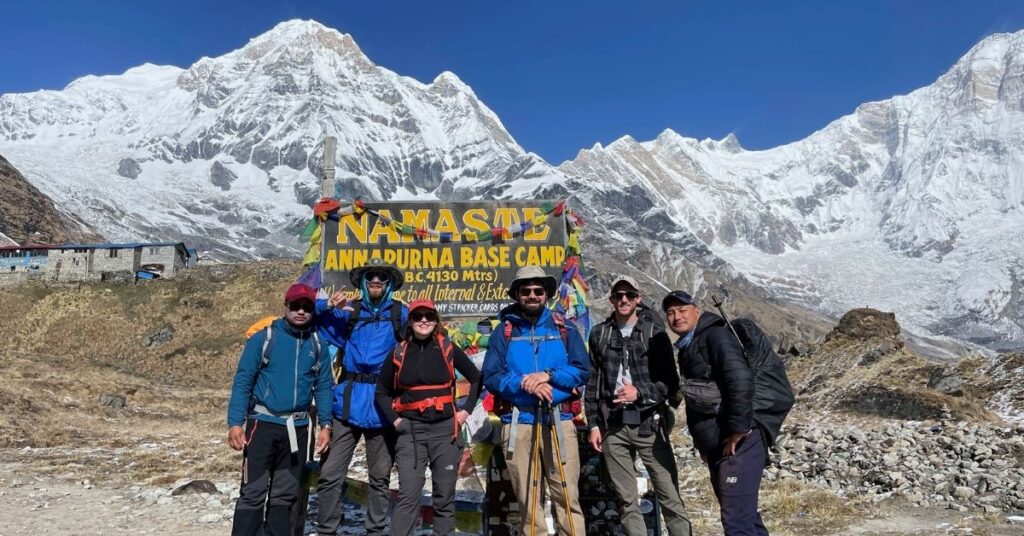
Despite your best efforts, you might still develop AMS symptoms. Quick action can prevent a minor problem from becoming dangerous.
First 30 Minutes: Stop and Assess
Stop all upward movement immediately. This is your most important decision. Stay exactly where you are. Don’t try to reach the next village or lodge.
Tell your guide or trekking partners about your symptoms right away. Never hide what you’re feeling. Guides have experience with altitude sickness and know how to help you make smart decisions.
First 6 Hours: Rest and Recover
Hydrate aggressively. Drink at least one liter of water every two to three hours. Choose water or herbal tea. Dehydration makes every symptom worse.
Eat light meals. Try simple foods like crackers, plain bread, or white rice. Small amounts eaten frequently work better than forcing down a full meal. Your body needs energy to fight altitude stress.
Manage pain. Take ibuprofen 400mg or acetaminophen 500mg for headaches. These treat symptoms but don’t fix the underlying problem.
Rest elevated. Prop yourself up with pillows. Don’t lie completely flat. This helps with breathing and reduces brain fluid buildup.
After 24 Hours: Make Your Decision
Symptoms improving? You can stay at this elevation and continue monitoring. Wait another day before climbing higher.
Symptoms the same or worse? Descend at least 500 meters. Don’t wait hoping you’ll improve.
Severe symptoms appear? This is an emergency. Descend immediately.
Emergency Descent Situations
Start descending immediately if you experience:
- Confusion or irrational behavior
- Difficulty walking or severe loss of coordination
- Severe breathlessness at rest
- Coughing up pink or frothy fluid
- Blue lips or fingernails
These are signs of HACE or HAPE. Both conditions can be fatal within hours.
Emergency Actions
Descend at least 1,000 meters right away. Go down even at night if necessary. Radio for helicopter rescue if available, but don’t wait for it. Start descending immediately.
Use supplemental oxygen if available, but keep moving downward. Take Diamox 250mg twice daily if you weren’t already using it.
Remember: Descent is never a failure. Your safety matters infinitely more than reaching base camp. The mountains will be there when you’re ready to try again.
Common ABC Acclimatization Mistakes and Myths to Avoid
Many trekkers make preventable mistakes that lead to altitude problems. Learn from others’ errors and avoid these common pitfalls.
Mistakes
1. Choosing the Shortest Possible Itinerary
Some trekkers try to complete ABC in just 5-6 days. They want to save money on lodges, and have a limited vacation time. They think they’re fit enough to handle the quick ascent. This approach doesn’t allow adequate acclimatization time.
You might get lucky and reach base camp without problems. But your AMS risk increases dramatically with rushed itineraries. Many trekkers end up evacuated by helicopter. They spend far more on medical evacuation than they would have spent on extra lodge nights. Add those extra days to your schedule from the start.
2. Comparing Yourself to Other Trekkers
Someone in your group might seem completely unaffected by altitude. Travelers climb faster. They eat full meals. They feel energetic and great. Meanwhile, you struggle with headaches and nausea. This doesn’t mean you’re weak or out of shape.
Bodies respond differently to altitude. Age doesn’t predict performance. Fitness level doesn’t determine who gets sick. A professional marathon runner might get severe AMS while an older casual hiker feels fine. Genetic factors play a huge role. Focus on your own symptoms and needs, not others’ performance.
3. Hiding Symptoms from Your Guide
Some trekkers fear their guide will force them to descend. Trekkers hide their headaches. They downplay their nausea. They push through dizziness without saying anything. This behavior is extremely dangerous.
Guides want to keep you safe. They have years of experience recognizing when symptoms are serious versus manageable. They won’t overreact to mild discomfort. But they need accurate information to help you make smart decisions. Be completely honest about how you feel.
4. Skipping Meals at Altitude
Your appetite disappears above 3,000 meters. Food looks unappetizing. Smells make you nauseous. The thought of eating makes you feel worse. But your body needs fuel more than ever at altitude.
Your metabolism runs faster in thin air. Your body burns 300-500 extra calories per day fighting altitude stress. Force yourself to eat regular meals even when nothing sounds good. Choose simple carbohydrates. Even small amounts of food help maintain your energy and support acclimatization.
5. Drinking Too Little Water
You might reduce your water intake to avoid frequent nighttime bathroom trips. Nobody wants to leave a warm sleeping bag to use a cold outdoor toilet. This convenience comes at a serious cost.
Dehydration makes altitude sickness much worse. It thickens your blood. It reduces oxygen delivery to your brain. Your headache intensifies. Your fatigue deepens. Drink your full 3-4 liters daily. Accept the inconvenience of frequent urination as part of safe trekking.
6. Taking Sleeping Pills for Altitude Insomnia
Poor sleep at altitude is completely normal. You wake up multiple times. You feel short of breath. Your sleep feels light and unrestful. Some trekkers take sleeping pills hoping for better rest.
Sleeping pills suppress your breathing rate. Your body needs to breathe faster at altitude to take in enough oxygen. Medications that slow breathing work directly against your natural adaptation mechanisms. Accept restless sleep as part of the altitude experience. Your sleep will improve as you acclimatize.
Dangerous Myths to Stop Believing
Many trekkers arrive in Nepal with false beliefs about altitude sickness. These myths come from outdated advice, internet forums, or misunderstandings about how the body adapts to thin air. Believing these myths can lead to dangerous decisions on the trail.
Here’s the truth behind the most persistent altitude misconceptions.
❌ Myth 1: Young, Fit People Don’t Get Altitude Sickness
❌ Myth 2: Diamox is Cheating
❌ Myth 3: You Can Push Through Mild Symptoms
❌ Myth 4: Drinking Alcohol Helps You Relax
❌ Myth 5: Descending Means You Failed
Final Thoughts
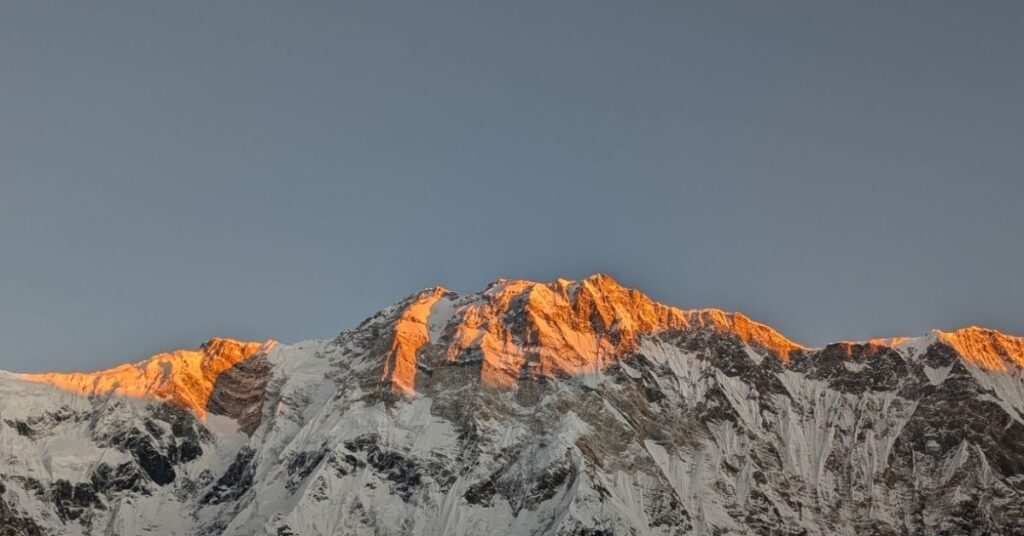
Annapurna Base Camp rewards you with views of some of the world’s most beautiful mountains. The trek challenges you physically and mentally. But proper acclimatization makes success achievable for most people.
Your body can adapt to 4,130 meters. It just needs time. Give yourself that time. Follow a gradual schedule. Drink plenty of water. Eat regular meals. Monitor your symptoms honestly.
Listen to your body’s signals. Headaches and nausea are warnings, not obstacles to overcome. Respond to these warnings by resting or descending. This approach keeps you safe.
Choose experienced guides who understand altitude physiology. They recognize early symptoms. They make conservative decisions that prioritize your safety. Good guides won’t push you to continue with symptoms.
Remember that reaching ABC is not worth risking your health or life. The mountains will always be there. Your health is irreplaceable. Make smart, safe decisions throughout your trek.
Thousands of trekkers stand at Annapurna Base Camp each year. They succeed because they respect the altitude. People follow proper acclimatization principles. They turn back when necessary. You can join them with the right preparation and mindset.
Start planning your trek today. Build your fitness. Consult your doctor. Get proper insurance. Choose a realistic itinerary. Then trust the process of acclimatization. Your body knows how to adapt. You just need to give it the time and conditions it needs.
The sunrise views from ABC are worth every careful step you take to get there safely. Have a wonderful and safe trek!





 Chat on WhatsApp