
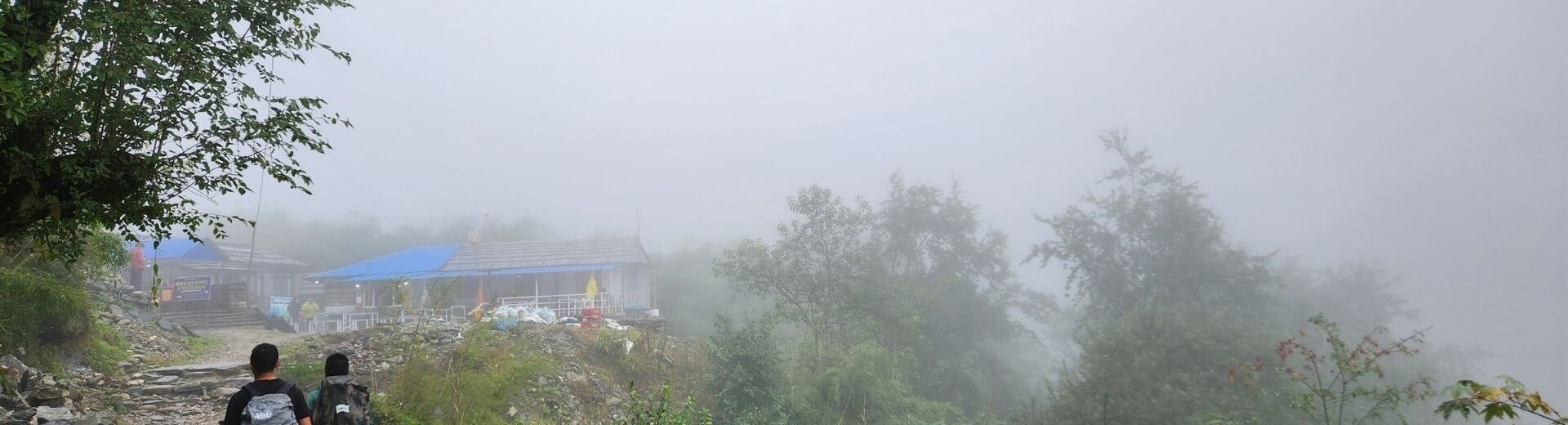
Annapurna Base Camp Trek Made Easy for Beginners
Are you dreaming of walking among the world’s tallest peaks but worried it might be too hard? The Annapurna Base Camp trek is often called one of the most beginner-friendly adventures in Nepal. It takes you through green valleys, rhododendron forests, and charming mountain villages before reaching the iconic base camp at 4,130 meters.
Unlike Everest Base Camp, the ABC trek is shorter, more accessible, and offers well-marked trails with tea houses along the way. This makes it a perfect first trek for travellers who want to test their stamina without needing technical climbing skills. At the same time, the trek still rewards you with sweeping views of Annapurna I, Machapuchare, Hiunchuli, and other snow peaks. For beginners, the journey may sound challenging at first. However, with the right preparation, steady pacing, and useful guidance, it becomes both achievable and enjoyable.
Why ABC Trek Is Great for First-Time Hikers?
The Annapurna Base Camp trek stands out as one of the best options for first-time hikers in Nepal. The trail is moderate in difficulty, which means you don’t need advanced trekking experience to enjoy it. Most of the paths are well-marked and pass through welcoming villages where tea houses provide food, shelter, and a warm atmosphere. One of the main reasons beginners love this trek is its manageable length. While some Himalayan treks take over two weeks, the ABC trek can be completed in 7 to 12 days, depending on your pace. This flexibility allows new trekkers to take more rest days without worrying about missing the highlights.
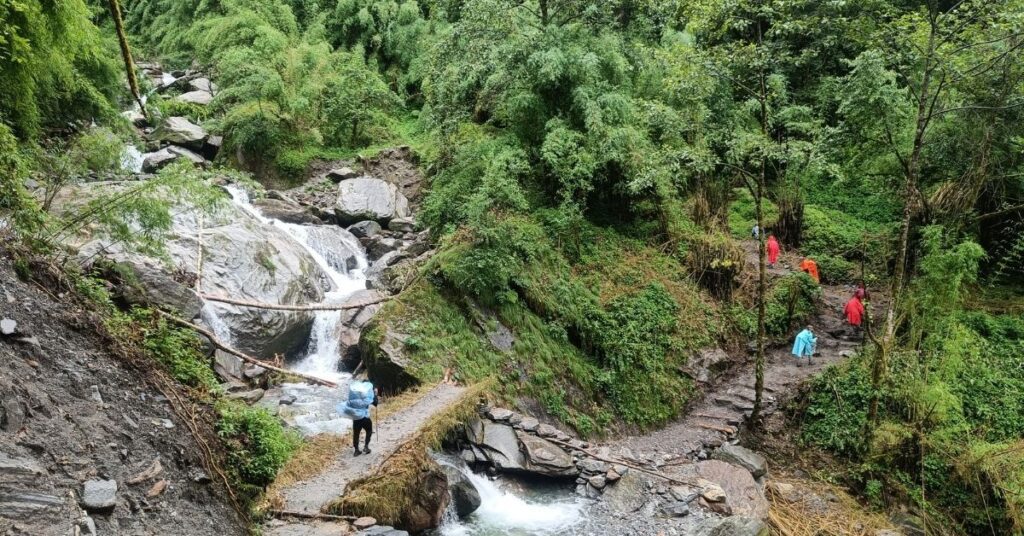
Another beginner-friendly feature is the variety of landscapes you’ll cross. Each day feels new as you move from lush rice fields and bamboo forests to alpine meadows and glacier views. This change in scenery keeps the journey exciting and helps break the challenge into smaller, rewarding steps. At the same time, the trek offers world-class mountain views without requiring technical climbing skills. Standing at the base camp, you’ll see Annapurna I, Machapuchare, and other peaks rising dramatically around you. This mix of accessibility and breathtaking reward is why many beginners choose Annapurna as their first trek.
How Fit Do You Need to Be?
You don’t need to be a professional athlete to complete the Annapurna Base Camp trek. Basic fitness and steady stamina are enough for most beginners. If you can walk for several hours on hilly paths, you are already prepared for the challenge.
On average, trekkers walk five to seven hours a day. Some sections include stone steps and uphill climbs, while others follow gentle forest trails. The variety of terrain means you use both strength and endurance, but the pace is flexible. Beginners can take regular breaks, walk slowly, and still reach the next village in time. To make the journey easier, it helps to prepare a few weeks before you arrive. Daily walks, light jogging, or simple cardio workouts build stamina for long days on the trail. Climbing stairs is especially useful since many parts of the route include steep steps.
At higher elevations, the thinner air may make you feel tired faster. This is normal and happens to most trekkers. The key is to keep a steady pace, stay hydrated, and rest whenever needed. With this approach, even first-time hikers with average fitness can enjoy the Annapurna Base Camp trek without stress.
Permits to Get Before You Go
Before starting the Annapurna Base Camp trek, every hiker must secure the required permits. Both permits are easy to obtain in Pokhara or Kathmandu at tourism offices. Carry a few passport-sized photos and a copy of your ID to complete the process. These documents help protect the region and keep your journey safe.
- Annapurna Conservation Area Permit (ACAP): This permit allows you to enter and trek inside the Annapurna Conservation Area. The fee supports local conservation, trail maintenance, and community projects.
- TIMS Card (Trekkers’ Information Management System): The TIMS card records your details and trekking route. It helps authorities track trekkers for safety and rescue if emergencies occur.
Best Time to Do the ABC Trek
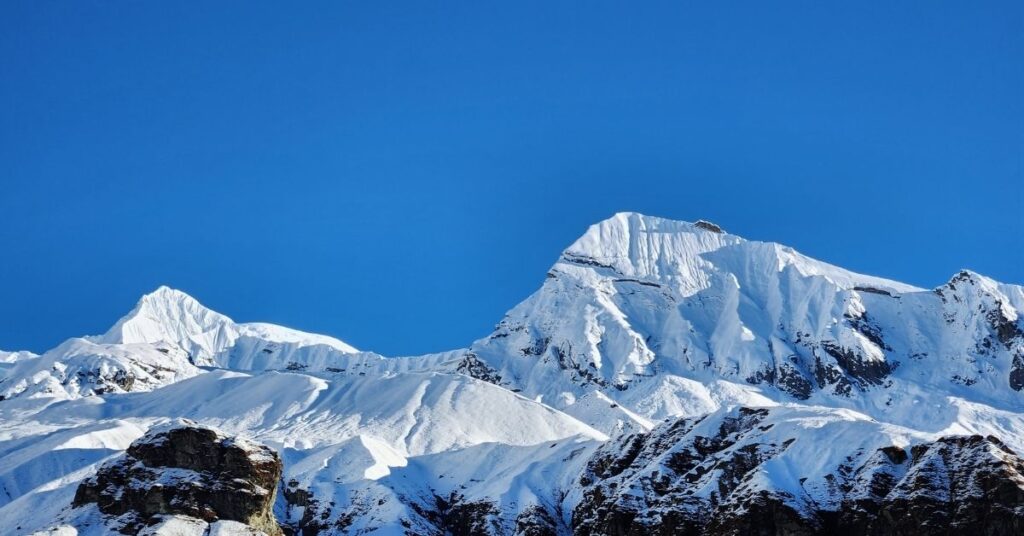
The Annapurna Base Camp trek is open year-round, but spring and autumn are the most beginner-friendly seasons. From March to May, rhododendrons and wildflowers cover the forests, while skies remain mostly clear. During September to November, the weather is stable, the air is crisp, and the views of Annapurna, Machapuchare, and Hiunchuli are at their best. These two seasons also bring more fellow trekkers, creating a lively and safe atmosphere on the trail.
Winter, from December to February, offers quieter trails and snow-covered peaks, but the cold can be challenging for beginners. On the other hand, the monsoon season, from June to August, brings heavy rain, slippery trails, and leeches, though it makes the valleys lush and green. For first-time hikers, choosing either spring or autumn ensures the most comfortable weather, easier walking conditions, and a more enjoyable trekking experience.
Simple Itinerary for Beginners
For first-time trekkers, a shorter plan keeps the journey manageable without missing the highlights. Our well-designed beginner-friendly five-day Annapurna Base Camp trek itinerary helps you to identify the route and plan your trek efficiently.
Day 1: Pokhara to Jhinu Danda via Nayapul – Trek to Sinwa
Start the journey with a drive from Pokhara to Nayapul and onward to Jhinu Danda. From here, trek uphill through villages and forests until you reach Sinwa for the night.
Day 2: Sinwa to Deurali Trek
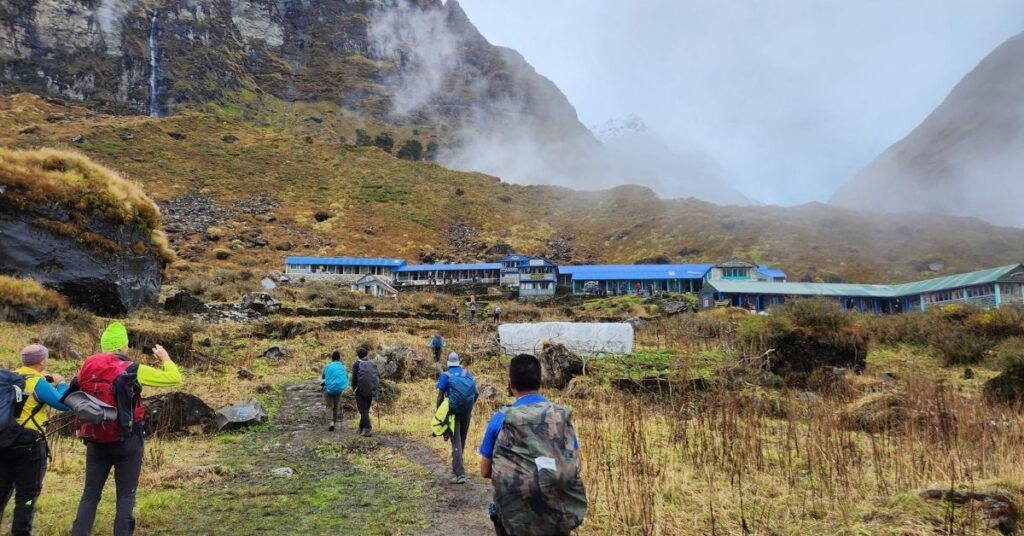
Walk through bamboo forests and cross small streams as the trail gradually rises. Deurali offers a peaceful stop surrounded by dramatic cliffs and waterfalls.
Day 3: Deurali to Annapurna Base Camp (via Machapuchare Base Camp)
This is the most rewarding day of the trek. Hike steadily through Machapuchare Base Camp before reaching Annapurna Base Camp at 4,130 meters. Enjoy breathtaking views of Annapurna I and nearby peaks.
Day 4: ABC Return to Upper Sinwa
Begin the descent from base camp and retrace your steps down the valley. Stay overnight at Upper Sinwa to break up the return journey.
Day 5: Sinwa to Jhinu Danda – Return to Pokhara
Trek back to Jhinu Danda, where natural hot springs provide the perfect way to relax tired legs. From there, drive back to Pokhara to end your adventure.
Problems New Trekkers May Face
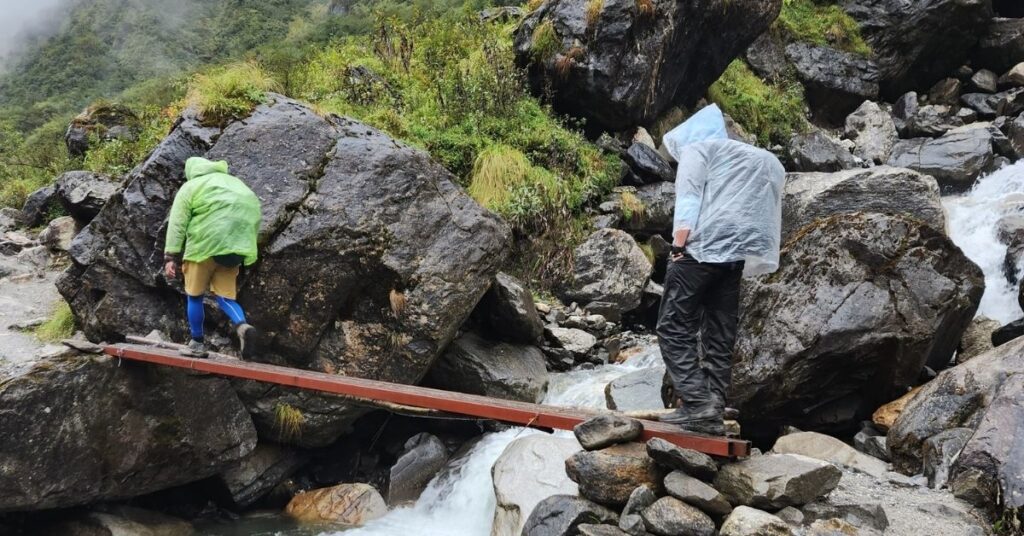
The Annapurna Base Camp trek is not very difficult, but first-time hikers often come across challenges that test their stamina and patience. Knowing these issues and preparing for the ABC trek in advance helps beginners prepare better and stay motivated throughout the journey.
Rain and Slippery Trails
If you trek during the monsoon, heavy rainfall can make the paths muddy and tricky to walk on. Even in other seasons, shaded forest sections may stay damp and slippery. Beginners sometimes struggle to balance on wet stones or narrow tracks. Waterproof boots with good grip, along with trekking poles, reduce the risk of slipping and give you more confidence on such trails. Carrying a light rain jacket also keeps you dry and comfortable when sudden showers arrive.
Long Steps and Steep Climbs
The Annapurna region is known for its endless stone staircases, especially around Chhomrong and Sinwa. These steep steps can feel exhausting when you are not used to climbing for hours. Many beginners find this part tougher than the altitude itself. The key is to take smaller steps, use trekking poles for support, and maintain a steady rhythm. Resting for a few minutes at village tea houses allows your legs to recover before continuing. With patience, these long climbs become manageable and even rewarding once you see the views from the top.
Tiredness at Higher Spots
As you approach areas like Deurali, Machapuchare Base Camp, and finally Annapurna Base Camp, the air becomes thinner. Beginners may feel short of breath and notice their pace slowing down. This is normal at higher altitudes and is not always a sign of sickness. Drinking enough water, eating balanced meals, and walking slowly help your body adapt. Avoid rushing to keep up with others; steady progress is safer and more comfortable. If you listen to your body and take breaks, you can reach the base camp without major problems.
Gear That Helps on the ABC Trek
The right gear can make your trek so much easier and more comfortable. The trails in Annapurna Base Camp can be steep, slippery, and cold at times, so having proper equipment ensures both safety and a better trekking experience. Below are some essential items you should carry for this journey:
- Hiking Boots: Strong and waterproof hiking boots give you a good grip on uneven and slippery trails. They also protect your feet and ankles during long climbs and descents.
- Trekking Poles: These help reduce pressure on your knees, especially while walking downhill or climbing steep steps. They also provide balance on rocky or wet paths.
- Warm Clothes: Temperatures drop quickly as you gain altitude, so layered clothing with fleece and down jackets keeps you warm and flexible for changing weather.
- Rain Gear: A lightweight rain jacket or poncho is useful since sudden rain is common in the Annapurna region, making trails wet and muddy.
- Backpack with Rain Cover: A medium-sized backpack helps carry daily essentials, while the rain cover keeps your belongings safe and dry.
- Sleeping Bag: Though teahouses provide blankets, a warm sleeping bag is important for extra comfort at higher altitudes, where nights can get freezing.
- Headlamp or Torch: Power cuts are common in mountain villages, and a headlamp helps you move around at night or start treks early in the morning.
- First Aid Kit: Carrying basic medicines, bandages, and blister care items ensures you’re prepared for small injuries or altitude-related discomforts.
Food and Stay Along the Way
One of the best things about the Annapurna Base Camp trek is that you don’t need to worry much about food and accommodation. All along the trail, you’ll find tea houses (small guesthouses run by local families) that provide both meals and a place to sleep. The rooms are usually simple with twin beds, blankets, and shared bathrooms. While facilities get more basic as you climb higher, they are still comfortable enough for trekkers. Staying in tea houses is also a great way to experience local hospitality and learn about the culture of the mountain villages.
When it comes to food, you’ll be served warm, home-cooked meals at every stop. Dal Bhat (rice, lentil soup, and vegetables) is the most popular dish because it’s filling and gives you energy for trekking. You’ll also find noodles, soups, fried rice, pasta, momos, and even pancakes in many places. As you go higher, the food options may become limited, and prices increase due to transportation costs. Still, the meals are tasty and comforting after long trekking days, keeping you energised throughout the journey.
Safety Tips to Keep in Mind
While the Annapurna Base Camp trek is considered moderate, safety should always be your top priority. The trail takes you through high altitudes, changing weather, and remote areas, so being prepared helps you avoid unnecessary risks. Here are some key safety tips to remember:
- Acclimatise Properly: Don’t rush the trek. Give your body enough time to adjust to higher altitudes and avoid altitude sickness.
- Stay Hydrated: Drink plenty of water every day to prevent dehydration, which can make altitude sickness worse.
- Pack a First Aid Kit: Carry basic medicines for headaches, stomach issues, blisters, and altitude-related problems.
- Check the Weather: Mountain weather changes quickly. Always check forecasts before trekking and carry proper clothing for cold, rain, or snow.
- Follow the Trail: Stick to the main paths and avoid shortcuts. Losing the trail in the mountains can be risky.
- Travel with a Guide or Group: Especially if it’s your first trek, having a guide or group ensures extra safety and local knowledge.
- Carry Cash: ATMs are not available in the trekking region, so keep enough Nepali currency for food, stay, and emergencies.
Dream, Plan, and Trek to Annapurna Base Camp
For first-time hikers, the Annapurna Base Camp trek is a perfect adventure. With moderate trails, well-marked paths, and cozy tea houses, beginners can experience the Himalayas without feeling overwhelmed. Proper preparation, the right gear, and awareness of challenges like altitude and slippery paths make the journey safer and more enjoyable.
Planning your Annapurna Region trek with a trusted operator like Mountain Routes ensures a smooth experience. Our guides provide local knowledge, support, and assistance with permits, accommodations, and daily logistics. By walking at your own pace and following expert advice, even beginners can reach Annapurna Base Camp confidently while enjoying breathtaking views and local culture along the way. Start planning today, and make your ABC trek an unforgettable first Himalayan adventure.
FAQs
Is the ABC trek safe for beginners?
Yes, the ABC trek is considered safe for beginners. The trails are well-marked, tea houses are available at every stop, and the difficulty is moderate. By walking at your own pace, staying hydrated, and following safety tips, first-time trekkers can complete the journey comfortably.
How many days does the trek take?
A typical beginner-friendly ABC trek takes 7 to 12 days, depending on your pace and itinerary. Shorter itineraries are possible but may require longer daily walks. Beginners often take extra rest days to adjust to the altitude and enjoy the scenery.
Do I need a guide, or can I go solo?
While you can trek solo, hiring a guide is highly recommended for beginners. Guides help with navigation, cultural insights, and emergencies. Porters can also carry luggage, making the trek less physically demanding. You can check our detailed guide on solo trek to ABC for more clarity.
What gear is most useful for beginners?
Essential gear includes sturdy hiking boots, trekking poles, layered clothing, a lightweight backpack, a sleeping bag, and a rain jacket. These items keep you comfortable, safe, and prepared for changing mountain conditions.
Which month is best for new trekkers?
The best months for beginners are spring (March–May) and autumn (September–November). The weather is stable, the skies are clear, and the trails are safer. Winter and monsoon seasons are possible but bring cold, snow, or slippery paths, which are more challenging for first-timers.





 Chat on WhatsApp