
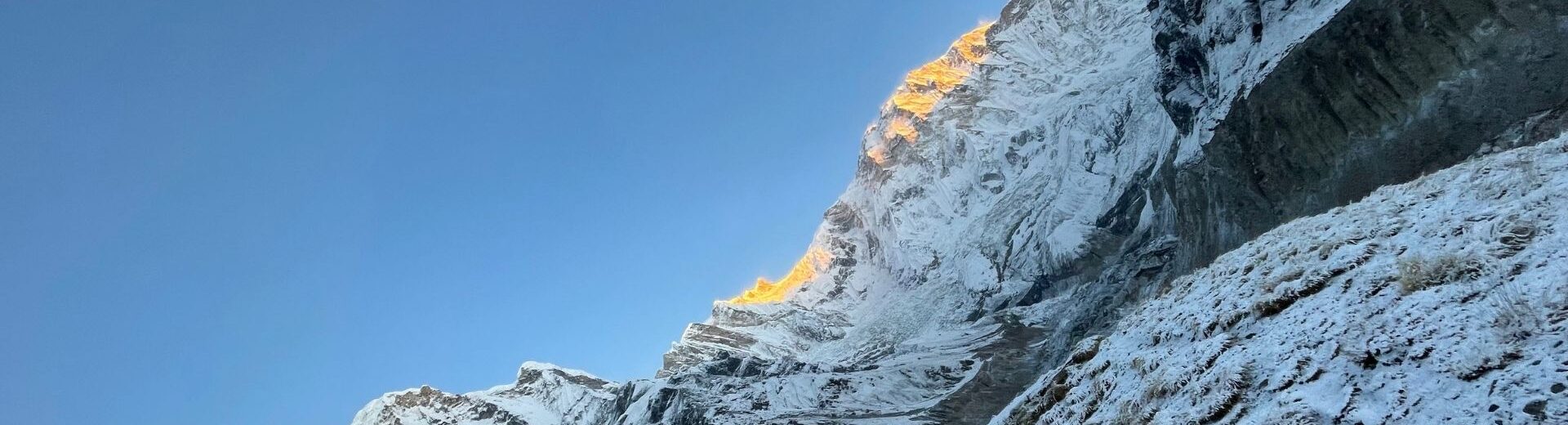
Annapurna Base Camp Trek Weather and Temperature Guide
The weather and temperature at Annapurna Base Camp change as you move higher on the trail. The temperature also affects how cold it gets at night and how warm it feels during the day.
The trek starts in warm and humid lowlands and ends in a cold alpine basin at 4,130 meters. Spring and autumn stay mild with average daytime temperatures between 10°C and 15°C at lower points and around 0°C to 5°C near the base camp.
Winter becomes the coldest season with nights dropping below –10°C at higher sections, while summer brings warm days but heavy rain from the monsoon.
Clear weather in the stable seasons helps with safe walking and better views of Annapurna and Machhapuchhre. Knowing these seasonal changes makes it easier to choose the right month and stay ready for sudden shifts in wind, rain, or snow.
Table of contents
- Why Weather Matters for the Annapurna Base Camp (ABC) Trek
- Annapurna Base Camp Temperature by Elevation
- ABC Trek Weather by Season
- Annapurna Base Camp Weather Table (Season + Temperature Overview)
- Rainfall, Wind & Climate Conditions on the ABC Trail
- Safety Tips for Weather Challenges
- Prepare for Sudden Temperature Drops
- Stay Safe During Rain or Snow
- Prevent Altitude-Related Problems
- Protect Yourself from Wind and Cold
- Check Weather Updates Often
- What to Pack for ABC Trek Based on Weather
- Best Time to Trek Annapurna Base Camp
- Annapurna Base Camp Weather vs Everest Base Camp Weather (Hikers’ Comparison)
- FAQs
Why Weather Matters for the Annapurna Base Camp (ABC) Trek
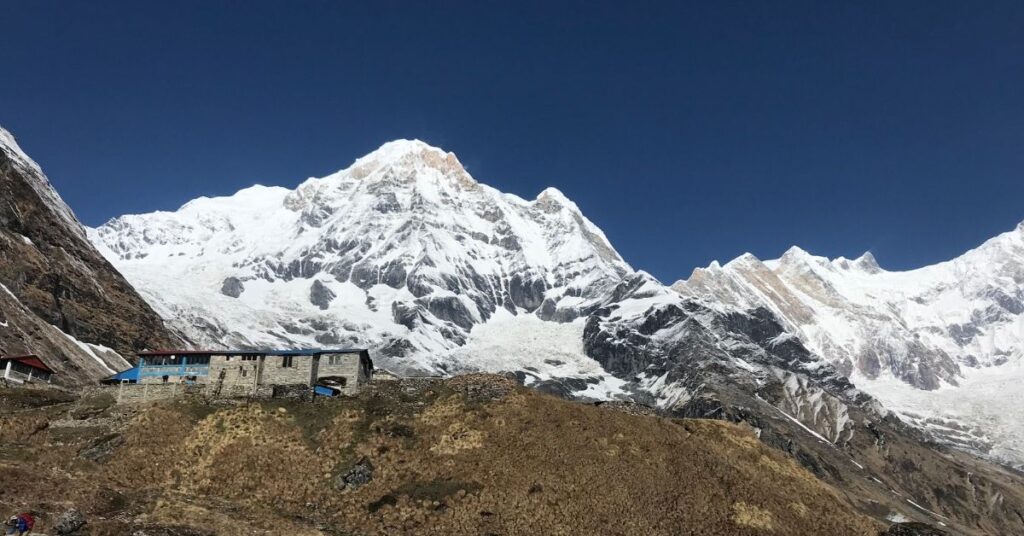
Weather plays a major role in comfort and safety during the Annapurna Base Camp trek.
It affects how the trail feels and how your body reacts at different heights.
- Temperature changes with altitude
Lower areas stay warm, but higher sections near ABC turn cold very fast. This shift can make the trail harder as you climb. - Clear weather supports safe walking
Good visibility helps you see the path and avoid slips on rocky or uneven ground. It also reduces the chance of losing the route. - Rain creates muddy and slippery trails
Sudden showers in the monsoon make the lower section slow and messy. Wet stones increase the risk of falls on steep parts. - Cold air near ABC increases frost and snow
The higher zone can freeze at night, even in spring. Snow or ice may cover the trail and delay the trek. - Strong wind reduces body warmth quickly
Wind chill makes the air feel colder than the actual temperature. Warm layers and a windproof jacket help you stay safe in exposed areas.
Annapurna Base Camp Temperature by Elevation
Temperature changes as you gain height on the ABC Trek. The lower parts of the trail stay warm and humid, while the higher points turn cold, especially after sunset. Each section of the route has a different climate because the trail moves from 820 meters in Pokhara to 4,130 meters at Annapurna Base Camp. Daytime temperatures drop step by step as you climb, and the air gets thinner and cooler.
Nights are much colder than days along the route. Places like Deurali and ABC can fall below freezing in peak seasons. Wind also becomes stronger at higher elevations and can make the temperature feel lower than it is. These shifts helps you stay prepared for sudden cold, frost, or snowfall as you approach base camp.
ABC Trek Weather by Season
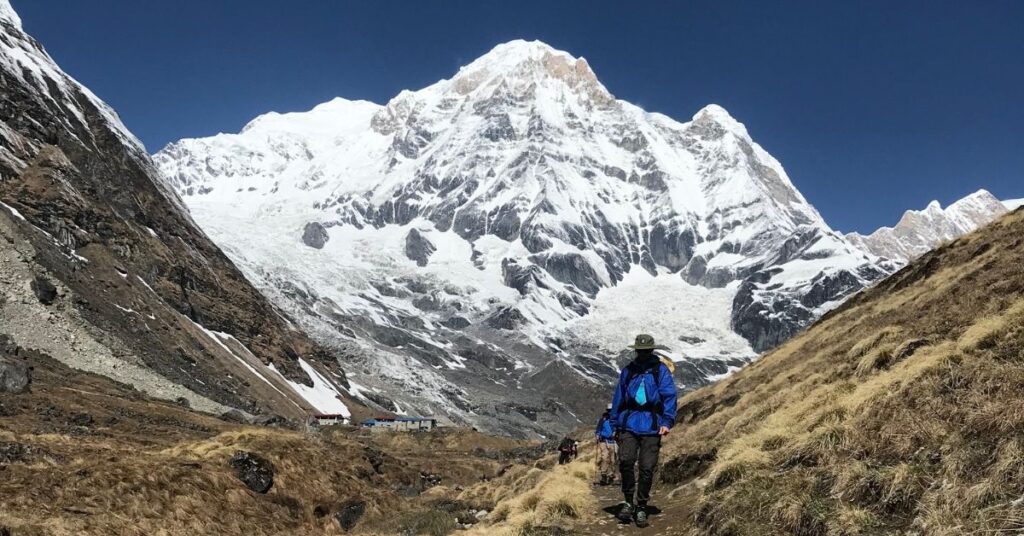
Weather on the Annapurna Base Camp Trek changes with each season. Temperature, rainfall, wind, and visibility shift as the months change. Knowing these patterns helps you plan a safe and comfortable trek.
Spring (March to May) – Stable Weather & Blooming Forests
Spring is one of the most pleasant times for the ABC Trek. The days stay mild, and the mornings are usually clear. Forests along the trail fill with rhododendron flowers, which add bright color to the walk. Daytime temperature at Annapurna Base Camp stays around 0°C to 10°C, while nights can drop to -5°C. Most of the trail remains dry and steady for walking. Light rain may appear near the end of May, but the weather stays stable for most weeks.
Summer/Monsoon (June to August) – Rainy & Slippery Trails
Summer brings heavy rain to the lower parts of the route. The trails can become muddy and slippery, especially in forest areas. Daytime temperature at ABC ranges from 5°C to 12°C, and nights stay close to 0°C to 5°C. Clouds can cover the mountains for many days, which reduces visibility. Leeches are common in warm and wet sections. Landslides may affect some paths, so trekkers need extra care during this season.
Autumn (September to November) – Best Visibility & Ideal Temperatures
Autumn offers the best weather for the ABC Trek. The monsoon clouds clear, and the air becomes crisp and dry. Daytime temperature at ABC stays around 0°C to 10°C, while nights drop to -5°C to -2°C. The views of Annapurna and Machhapuchhre are sharp and bright. The trails are stable and easy to follow. Early September may still see short rain, but the rest of the season brings clear skies and safe walking conditions. This is the busiest trekking period of the year.
Winter (December to February) – Cold but Peaceful
Winter brings very cold temperatures to the higher parts of the trail. Daytime temperature at ABC can drop to -5°C to 5°C, and nights can fall between -15°C and -10°C. Snow is common above Deurali, and heavy snowfall may block some sections. The air stays clear, and the mountain views are very sharp during sunny days. The trails are quiet with fewer trekkers. Winter is still possible for prepared trekkers who can handle cold nights and carry proper gear.
Annapurna Base Camp Weather Table (Season + Temperature Overview)
Weather and temperature change with each season on the ABC Trek. The table below shows the average daytime and nighttime conditions at Annapurna Base Camp to help with simple planning.
| Season | Daytime Temperature at ABC | Night Temperature at ABC | Conditions |
| Spring (Mar–May) | 0°C to 10°C | -5°C to 0°C | Mild days, blooming forests, mostly clear mornings |
| Summer/Monsoon (Jun–Aug) | 5°C to 12°C | 0°C to 5°C | Heavy rain, clouds, slippery trails, low visibility |
| Autumn (Sep–Nov) | 0°C to 10°C | -5°C to -2°C | Clear skies, dry trails, best mountain views |
| Winter (Dec–Feb) | -5°C to 5°C | -15°C to -10°C | Very cold nights, snowfall, quiet trails |
Rainfall, Wind & Climate Conditions on the ABC Trail
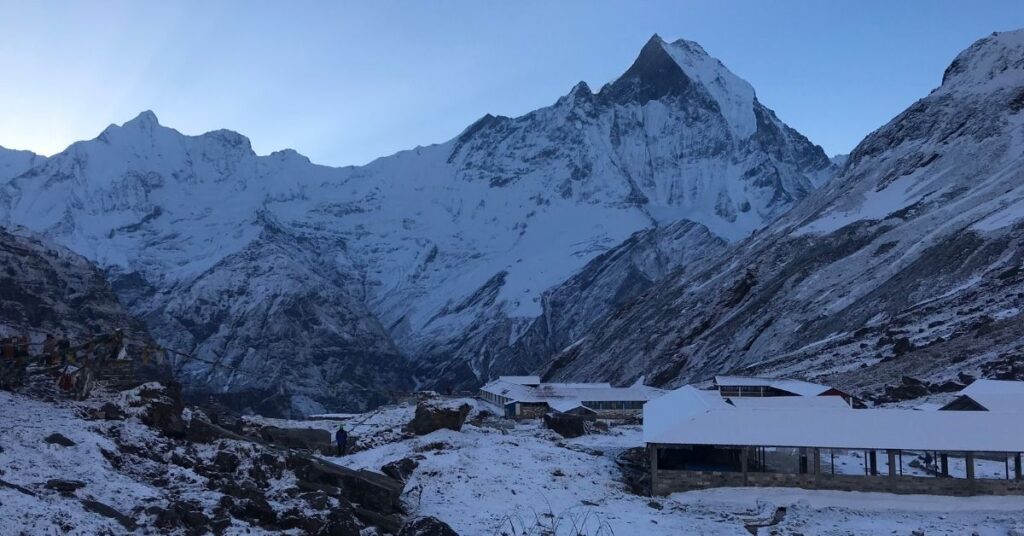
Weather on the ABC trail changes as you move from low forests to high alpine areas. Rain, wind, and cloud cover affect visibility and trail safety throughout the year.
Rainfall is highest during the monsoon months from June to August. The lower sections near Ulleri and Chhomrong receive heavy rain, which makes the trail wet and slippery. Clouds can stay low and block the mountain views for many days. Light rain may also appear in late spring and early autumn, but the trail stays easier to walk. Snowfall is common above Deurali during winter and early spring, and fresh snow can make some parts narrow and icy.
Wind becomes stronger as you approach higher elevations. Afternoon winds are common near Deurali and Annapurna Base Camp. Wind can lower body temperature very fast, even when the air feels mild during the day. Clear and dry air in autumn brings the best visibility across the route. Fog and clouds are common in monsoon and can also form in early mornings during spring and winter. These conditions change quickly, so trekkers need warm layers and rain protection at all times.
Safety Tips for Weather Challenges
Weather can shift fast on the ABC trail, so it helps to stay ready for cold, rain, wind, and altitude changes during the trek.
Prepare for Sudden Temperature Drops
Sudden cold is common as you gain height, so wearing layers keeps your body warm and comfortable. You can add or remove layers when the weather changes, which helps you avoid sweating or getting chilled. A warm jacket should always stay in your daypack because the temperature can fall without warning, especially near Deurali and ABC. Covering your hands and head also helps you keep heat in your body, since wind can make the air feel much colder than it is.
Stay Safe During Rain or Snow
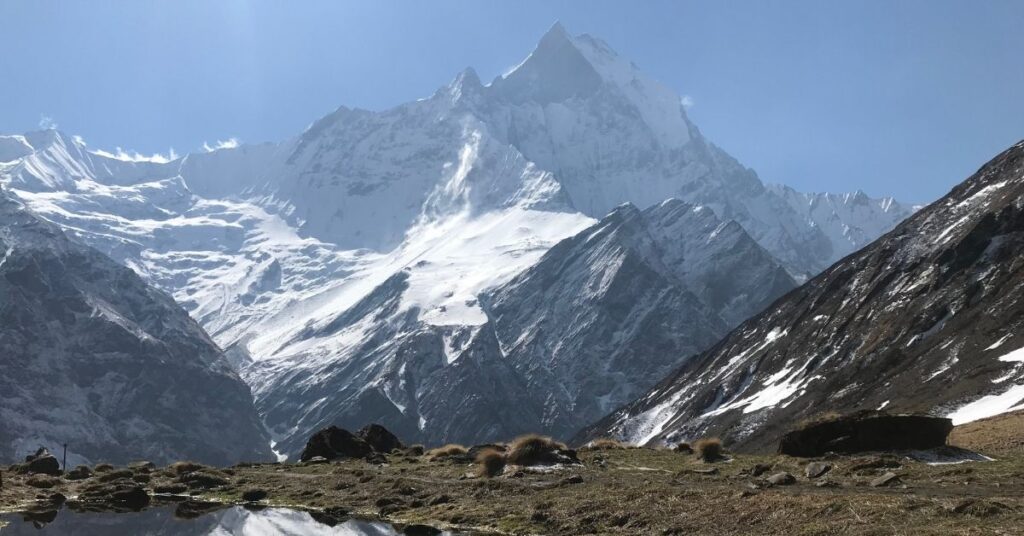
Rain and snow can make the trail slippery, so strong trekking shoes with good grip are important for safe walking. Wet stones and steps become smooth, and slow steps help you avoid slips and falls on steep paths. Heavy snowfall may cover narrow areas near higher camps, and it is safer to avoid these sections when the snow is fresh or deep. Staying alert during bad weather keeps you safe and gives you time to move back if the trail conditions change.
Prevent Altitude-Related Problems
Altitude affects breathing as you climb higher, so drinking enough water helps your body adjust. Taking steady steps and keeping a slow pace prevents stress on the lungs and reduces fatigue. If you feel dizzy, weak, or short of breath, resting right away is the best choice because pushing ahead can make the symptoms worse. Paying attention to how your body feels is the safest way to handle altitude on the ABC trail.
Protect Yourself from Wind and Cold
Wind becomes stronger near open ridges and higher camps, so using a windproof jacket helps you stay warm during exposed sections. Covering your ears and neck keeps cold air from entering your body and reduces heat loss. It is also safer not to stand still for long periods in windy places because the body cools faster when you stop moving. Staying warm and covered keeps your energy level steady throughout the day.
Check Weather Updates Often
Weather can change quickly in the mountains, so asking guides about daily conditions helps you plan safe walking hours. Tea houses along the trail share updates about snow, rain, or closed sections before you continue higher. If the weather turns unsafe, changing your plan is the right choice because reaching the destination is never more important than staying safe. Small decisions based on local updates make the trek smoother and more secure.
What to Pack for ABC Trek Based on Weather
Packing depends on cold nights, changing wind, and sudden rain on the ABC trail. The items below help you stay warm, dry, and safe in all seasons.
Clothing Layers
- Carry a light base layer for sweat control.
- Pack a warm fleece jacket for cold evenings.
- Bring a down jacket for higher camps.
- Use quick-dry trekking shirts and trousers.
- Add thermal tops and bottoms for winter months.
Rain and Wind Protection
- Pack a waterproof jacket with a hood.
- Carry waterproof pants for rainy days.
- Use a rain cover for your backpack.
- Bring a windproof outer layer for exposed areas.
Footwear and Accessories
- Wear strong trekking shoes with good grip.
- Carry warm socks and extra pairs for cold nights.
- Use gaiters during monsoon and snowy days.
- Bring gloves, a warm hat, and a neck buff.
Sleeping and Warmth
- Use a sleeping bag rated to at least -10°C.
- Add a sleeping liner for extra warmth.
- Carry a hot water bottle in winter if needed.
Sun and Heat Protection
- Bring UV-protected sunglasses.
- Use sunscreen with high SPF.
- Wear a sun hat for lower sections.
- Carry lip balm to prevent dryness.
Hydration and Safety
- Carry a reusable water bottle.
- Use purification drops or tablets.
- Pack a basic first-aid kit.
- Add personal medicines and blister care.
Best Time to Trek Annapurna Base Camp
The best time to trek Annapurna Base Camp is during spring and autumn. These seasons offer stable weather, clear skies, and steady temperatures. Spring runs from March to May. The days stay mild, and the forests bloom with rhododendron flowers. The mornings are usually clear, and the trails stay dry for most weeks. Light rain can appear near the end of May, but the route remains safe for trekking.
Autumn lasts from September to November. This is the most popular season for the ABC Trek. The monsoon clouds fade, and the air becomes crisp and dry. The views of Annapurna and Machhapuchhre stay sharp throughout the day. The temperature remains comfortable for walking, with cooler nights at higher camps. Early September may still have short rain, but the rest of the season offers ideal conditions for most trekkers.
Annapurna Base Camp Weather vs Everest Base Camp Weather (Hikers’ Comparison)
Annapurna Base Camp and Everest Base Camp have different weather patterns because they sit in different regions and elevations. ABC lies in central Nepal and reaches 4,130 meters. The temperature changes fast but stays warmer than the Everest region. Days at ABC feel mild in spring and autumn, while nights turn cold but manageable with proper layers.
Rain is more common on the ABC trail because it is closer to the monsoon zone. Snow appears mainly in winter and early spring, and the trail can clear quickly after sunny days.
Everest Base Camp sits at 5,364 meters in the Khumbu region, which makes the air colder and drier. Days feel cooler even in the best seasons, and nights can drop well below freezing. The Everest region gets less rain during monsoon because of its high altitude and location, but clouds and wind can still affect visibility. Winter in the Everest area is much colder than at ABC, and some trekkers avoid the trail during this time due to harsh conditions. ABC offers more stable walking days for most seasons, while EBC demands stronger cold resistance and longer acclimatization.
FAQs
What is the coldest month for ABC?
January is the coldest month for the Annapurna Base Camp Trek. Daytime temperatures at ABC can stay below 0°C, and nights can fall to around -15°C. Snow is common during this time, and the trail may feel very quiet and cold.
Can you trek ABC during monsoon?
Yes, you can trek during monsoon, but the trail becomes wet and slippery. Heavy rain falls from June to August, and clouds can block mountain views. Leeches are common in forest areas. Trekkers need extra care and proper rain gear in this season.
Does ABC get snowfall?
Yes, ABC gets snowfall in winter and early spring. Snow is also possible in late autumn after a cold storm. Areas above Deurali can become icy, and fresh snow may cover the trail. Proper shoes and warm layers are important during these months.
Which month has the best views of Annapurna?
October and November offer the best views of Annapurna. The sky stays clear, and the air is dry after the monsoon. March and April also provide bright mornings with good visibility and warm walking conditions.
Is winter trekking safe?
Winter trekking is safe for prepared trekkers. You need warm clothing, proper shoes, and a sleeping bag made for cold weather. Snow can block some parts of the trail, so it is important to check conditions in advance and move with caution.





 Chat on WhatsApp