
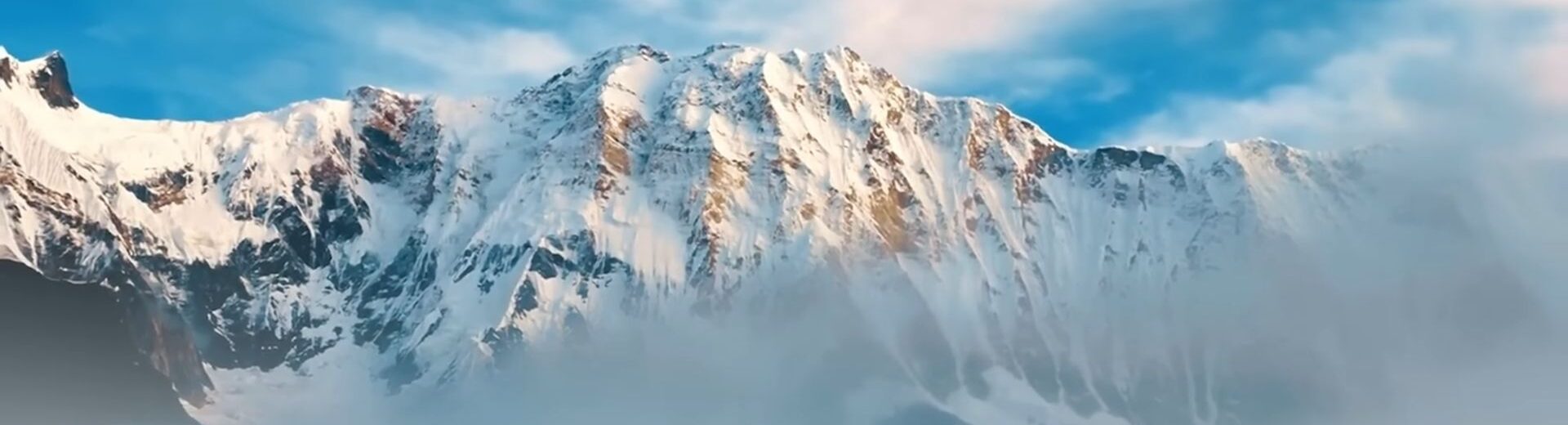
Annapurna Himalaya in Nepal: Peaks, Treks, and Climbing
The Annapurna Himalaya in Nepal is the largest mountain range entirely within the country. Every year, over 100,000 trekkers explore its trails, making it one of Nepal’s most visited regions. Many choose the Annapurna Range because it blends dramatic Himalayan views, cultural richness, and accessible trekking routes. Unlike Everest, the Annapurna region offers varied landscapes, from subtropical forests to alpine deserts.
Its crown jewel, Annapurna I, rises to 8,091 meters and was the first 8,000-meter peak ever climbed. Surrounding it are other giants like Annapurna South, Machapuchare, and Himchuli, all adding to its allure. Trekking here also means passing through traditional Gurung and Magar villages, where warm hospitality meets rich heritage. The Annapurna Range in Nepal isn’t just vast, it’s deeply immersive. That’s why so many return for its unmatched diversity in scenery, culture, and adventure.
Where Is the Annapurna Himalaya Located in Nepal?
The Annapurna Himalaya is located in north-central Nepal, mainly within the Gandaki Province. This majestic mountain range stretches across the districts of Kaski, Myagdi, Lamjung, and Manang. The gateway to the Annapurna Range in Nepal is Pokhara, a scenic city known for its lakes and mountain views. From here, trekkers begin their journey toward famous trails like Annapurna Base Camp and the Annapurna Circuit. The region lies within the Annapurna Conservation Area, Nepal’s first and largest protected zone. This area covers over 7,600 square kilometers, making it a haven for diverse ecosystems, cultures, and peaks. With a mix of easy access and natural beauty, the Annapurna Himalaya in Nepal remains one of the most visited trekking destinations in the world.
Notable Peaks in the Annapurna Mountain Range

The Annapurna mountain range in Nepal is home to some of the world’s most dramatic and sacred peaks. Each mountain has its own story, altitude, and natural wonder.
Annapurna I – The Highest Peak (8,091m)
Annapurna I is the highest and most prominent peak in the Annapurna Himalaya of Nepal, standing tall at 8,091 meters (26,545 feet). It is the 10th highest mountain in the world and was the first 8,000-meter peak ever climbed, in 1950 by a French expedition. This climb made history and marked the beginning of modern Himalayan mountaineering. Despite its fame, Annapurna I is known for its high fatality rate, making it one of the most dangerous mountains to climb. The mountain lies within the Annapurna Sanctuary, surrounded by glaciers and steep walls. Its grandeur and risk continue to attract climbers from around the globe.
Other Major Peaks in the Annapurna Himalaya
Besides Annapurna I, the range includes many other towering giants. Some are technical climbing spots, while others are sacred or culturally significant.
- Annapurna II (7,937m) rises just east of Annapurna I. Climbers first reached its summit in 1960, making it a historic climb. Its massive structure dominates the skyline and continues to attract mountaineers worldwide.
- Annapurna III (7,555m) and Annapurna IV (7,525m) form the heart of the central Annapurna ridge. These peaks offer unforgettable views and sit prominently above lush valleys and deep gorges. Their proximity to each other adds to the range’s visual appeal.
- Machapuchare (6,993m), often called Fishtail Mountain, stands out with its perfect twin peaks. Sacred to the Gurung community, the mountain remains unclimbed. The government banned summit attempts to honor its spiritual value.
- Gangapurna (7,455m) catches the eye with its dramatic glacier hanging above the Manang Valley. Trekkers often pause to admire its shimmering white face from the Annapurna Circuit trail.
- Hiunchuli (6,441m) sits next to Annapurna South. It serves as a key access point into the Annapurna Sanctuary and offers a unique route for climbers seeking less-traveled paths.
- Tilicho Peak (7,134m) towers over Tilicho Lake, one of the world’s highest lakes. Its challenging route and rugged terrain make it a favorite for seasoned climbers. Views from its slopes are among the most stunning in the entire Annapurna range.
| Peak Name | Altitude (m) | Interesting Fact |
| Annapurna I | 8,091 | First 8,000m peak ever climbed (1950) |
| Annapurna II | 7,937 | Second-highest in the range |
| Annapurna III | 7,555 | Known for beautiful ridgelines |
| Annapurna IV | 7,525 | Shares ridge with Annapurna II |
| Machapuchare | 6,993 | Sacred peak, unclimbed due to cultural respect |
| Gangapurna | 7,455 | Overlooks Manang, near popular trekking route |
| Hiunchuli | 6,441 | Entry point to Annapurna Sanctuary |
| Tilicho Peak | 7,134 | Lies near Tilicho Lake, one of the highest lakes in the world |
Why the Annapurna Range Is a Himalayan Icon
The Annapurna Range stands out in the Himalayas for many reasons. It’s a symbol of adventure, culture, and natural diversity. Here’s why this range is so iconic:
- Home to Annapurna I, the world’s 10th highest mountain (8,091m), and the first 8,000-meter peak ever climbed.
- Diverse trekking routes, including the world-famous Annapurna Circuit and Annapurna Base Camp (ABC) Trek.
- Rich cultural heritage with deep-rooted traditions of Gurung, Thakali, and Magar communities.
- Sacred peaks like Machapuchare remain unclimbed due to religious beliefs.
- Unmatched natural variety, from subtropical forests to alpine meadows, waterfalls, and glaciers, all in one region.
- Accessibility from Pokhara makes it one of the most reachable Himalayan destinations.
- Tilicho Lake, one of the world’s highest lakes, adds a unique high-altitude charm to the region.
- Annapurna Conservation Area, Nepal’s largest protected area, is teeming with biodiversity and eco-tourism.
Top Trekking Routes in the Annapurna Himalaya
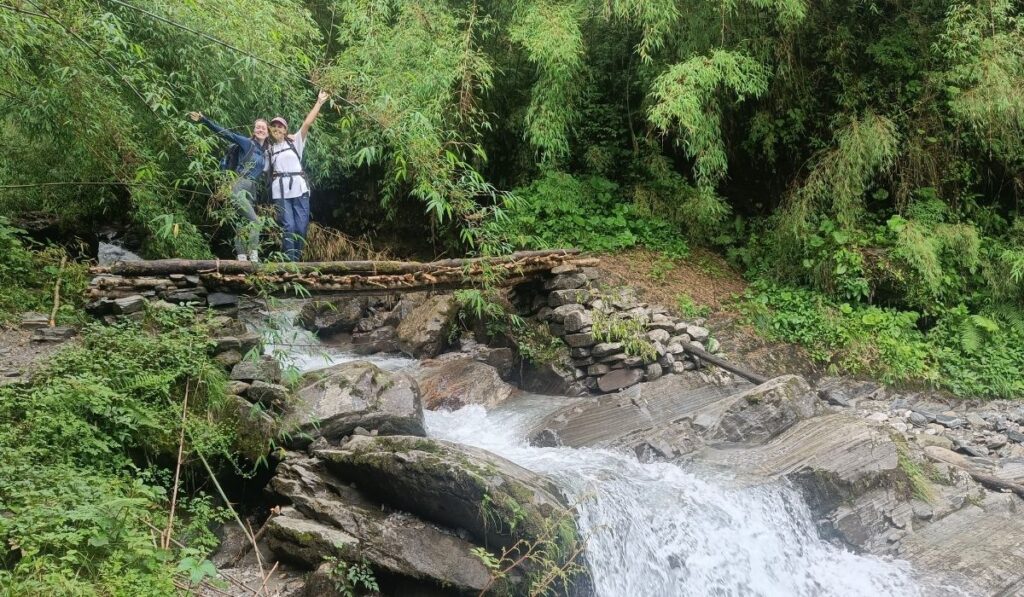
The Annapurna Himalaya in Nepal offers some of the most diverse and rewarding trekking experiences in the world. Whether you’re a beginner or a seasoned trekker, the Annapurna Range in Nepal has something for everyone. Each trail reveals different views of Annapurna I and the surrounding peaks. Below are the most popular trekking routes, each with its charm and challenges.
Annapurna Base Camp (ABC) Trek
This classic ABC trek takes you straight into the heart of the Annapurna Range. The trail begins from Nayapul or Jhinu and moves through dense forests, rivers, and traditional villages. You will gradually ascend to the Annapurna Sanctuary, surrounded by peaks on all sides. The final viewpoint sits at 4,130 meters, offering close-up views of Annapurna I and Machapuchare. The trek usually takes 7 to 11 days, depending on the route. Moderate difficulty and excellent teahouse support make it perfect for most trekkers.
Annapurna Circuit Trek
The Annapurna Circuit Trek is one of the most scenic routes in the Annapurna Himalaya of Nepal. Starting from Besisahar, this trail circles the Annapurna Range and crosses the high Thorong La Pass (5,416m). The landscape shifts from lush valleys to high-altitude desert near Mustang. You’ll also pass through charming villages like Manang and Pisang. The full trek to the Annapurna Circuit can take 14 to 20 days, depending on your pace and side trips. It’s a challenging trek but highly rewarding for experienced hikers.
Mardi Himal Trek
This lesser-known route lies east of the Annapurna Base Camp trail. The Mardi Himal trek offers close views of Machapuchare and the Annapurna Range. It’s quieter, more peaceful, and perfect for those looking to avoid crowds. The trail ascends through rhododendron forests to Mardi High Camp at around 3,580 meters. From there, trekkers reach a viewpoint at 4,500 meters. The whole journey takes about 4 to 6 days. It’s a moderate trek and a great option for shorter Himalayan adventures.
Ghorepani Poon Hill Viewpoint Trek
Ideal for beginners, this short trek offers big rewards in little time. It starts from Nayapul and climbs up through Ulleri to Ghorepani. From Poon Hill (3,210m), you’ll see sunrise views over Annapurna I, Dhaulagiri, and Machapuchare. The trail also passes through dense forests and Gurung villages. The Ghorepan Poon Hill trek usually takes 3 to 5 days and is rated easy to moderate. It’s a great introduction to the Annapurna Himalaya in Nepal.
Tilicho Lake and Ice Lake Routes
These high-altitude side treks branch off from the Annapurna Circuit. Tilicho Lake sits at 4,919 meters and offers a surreal view. The journey takes 3 to 4 days extra and passes steep trails with stunning landscapes. Ice Lake, near Manang, reaches about 4,600 meters and offers panoramic views of the Annapurna Range. Both options are challenging due to the altitude. However, they add extra adventure to your Annapurna trekking experience.
Mountaineering in the Annapurna Region
The Annapurna region in Nepal is famous not just for trekking but also for its challenging mountaineering expeditions. With peaks over 7,000 meters, the Annapurna Himalaya draws seasoned climbers from around the world. The climbs are thrilling but come with serious risks.
Climbing Annapurna I – A Deadly Challenge
Climbing Annapurna I is not for beginners. At 8,091 meters, it’s the tenth-highest peak in the world. However, it has one of the highest fatality rates among all 8,000-meter peaks. More than 365 people have successfully summited it, but over 70 have died trying. The death rate once stood at around 32%, though it has decreased in recent years due to better gear and forecasting.
Most climbers face risks like avalanches, icefall collapses, altitude sickness, and extreme weather. These challenges make Annapurna I an expedition for only highly skilled and well-prepared mountaineers. Around 30–50 climbers attempt the peak annually, usually during the spring climbing season. Reaching the summit requires navigating steep ice walls and unstable glaciers above 7,000 meters.
Other Climbed Peaks – Gangapurna, Tent Peak, Hiunchuli
Besides Annapurna I, climbers often choose slightly easier but still challenging peaks in the Annapurna Range. Gangapurna (7,455m) stands above Manang and offers a technical ascent with stunning views. It’s ideal for experienced climbers but not recommended for beginners.
Tent Peak, also known as Tharpu Chuli (5,663m), is one of the few trekking peaks suitable for those with basic mountaineering skills. It provides a good introduction to climbing in the Himalayas and attracts hundreds each year. Hiunchuli (6,441m), located near the Annapurna Sanctuary, is more technical than Tent Peak and often tackled by intermediate climbers.
Each peak sees 100–200 climbers yearly, with most coming between April and May or in October. These climbs require permits and proper acclimatization.
Best Time for Climbing Expeditions in the Annapurna Range
Spring (March to May) is the best time to climb in the Annapurna Himalaya. The skies stay clear, and the weather is relatively stable. Temperatures range from -15°C to 5°C at higher altitudes, making it suitable for summit pushes. Snow conditions are manageable, and you’ll face fewer risks of avalanches and storms during this season.
In contrast, the monsoon (June to early September) is the worst time to attempt any climb. Heavy rain, poor visibility, and constant snowfall make the trails dangerous. Landslides and flooding increase the chances of accidents. Winter (December to February) is equally risky due to extreme cold and deep snow. During these times, temperatures can drop below -25°C at higher camps.
You May Also Read: The Deadly Side of Annapurna: Uncovering the Risks
Permits, Entry Points, and Conservation Efforts

To explore the Annapurna Himalaya Nepal region, trekkers and climbers must follow certain regulations. These include obtaining permits and supporting conservation programs. These rules help preserve nature, support local communities, and ensure responsible tourism in the Annapurna Range, Nepal.
Required Permits (TIMS and ACAP)
To trek in the Annapurna Region, Nepal, you need two main permits: TIMS and ACAP.
Why are they necessary?
- Help track trekkers for safety purposes.
- Ensure environmental conservation through collected fees.
- Control and manage tourism in sensitive zones.
- Support development projects in local villages.
Permit Costs:
- TIMS (Trekkers’ Information Management System):
- USD 20 (approx. NPR 2700) per person for individual trekkers.
- USD 10 (approx. NPR 1350) per person for group trekkers.
- ACAP (Annapurna Conservation Area Permit):
- USD 30 (approx. NPR 4000) per person (same for all foreigners).
Annapurna Conservation Area Project (ACAP)
ACAP is Nepal’s first and largest protected conservation area. It covers the entire Annapurna Range in Nepal, promoting eco-tourism and sustainable development.
Why is it necessary?
- Protects the biodiversity of the Annapurna Himalaya, Nepal.
- Supports local education, health, and environmental programs.
- Maintains trails, signage, and waste management.
- Promotes community-based tourism and conservation awareness.
ACAP Permit Price:
- USD 30 (approx. NPR 4000) per person.
- No additional tax. Valid for one entry.
Role of Local Communities in Preserving the Himalayas
Local people play a major role in conserving the Annapurna Region. Their efforts make trekking more sustainable and enriching. Some of their roles are:
- Run eco-lodges and promote responsible tourism.
- Educate visitors on cultural and environmental practices.
- Participate in trail maintenance and waste management.
- Support conservation through community forest initiatives.
- Provide homestays that reduce the impact of commercial tourism.
Why Annapurna remains one of Nepal’s Top Adventure Hubs
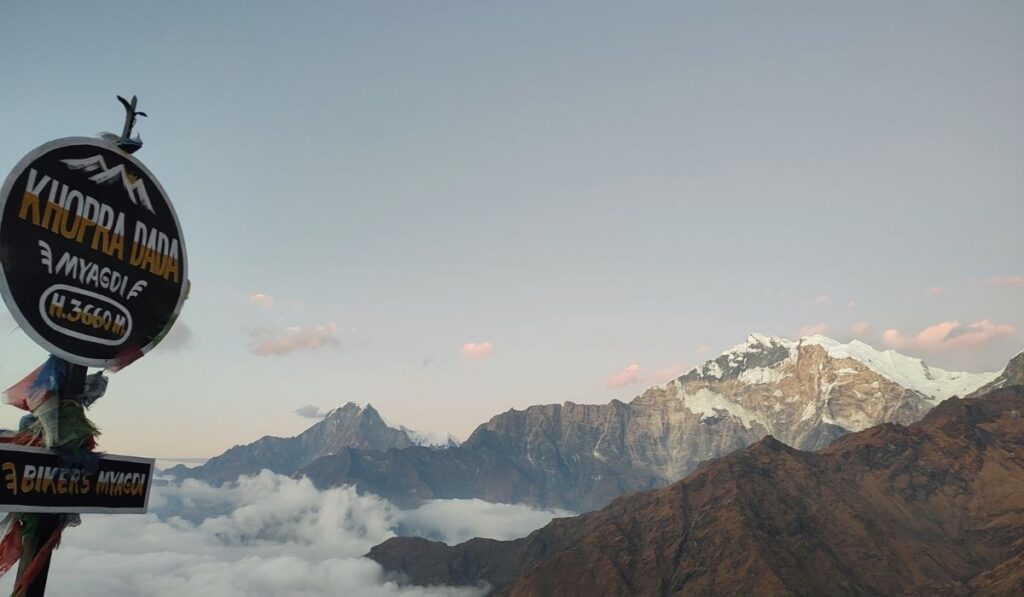
The Annapurna Himalaya promotes unforgettable adventure. With its towering peaks, scenic trails, and deep-rooted culture, it continues to draw trekkers and climbers from all over the world. From relaxed hikes to demanding expeditions, this region offers something for everyone, making it one of Nepal’s most iconic trekking destinations.
But adventure should never come at the cost of safety. That’s where Mountain Routes comes in. As your trusted trekking partner, Mountain Routes ensures every journey in the Annapurna region is safe, well-organized, and unforgettable. With experienced guides, local knowledge, and a strong focus on responsible travel, we help you explore Annapurna with confidence. Whether you’re a beginner or a seasoned trekker, your Himalayan dream starts safely with Mountain Routes.
FAQs
Where is the Annapurna Himalaya located in Nepal?
The Annapurna Himalaya lies in north-central Nepal, mainly within the Gandaki Province. It stretches across districts like Kaski, Manang, Mustang, Myagdi, and Lamjung. The range falls inside the Annapurna Conservation Area, Nepal’s largest protected region.
What is the highest peak in the Annapurna range?
The highest peak is Annapurna I, standing tall at 8,091 meters (26,545 feet). It’s the 10th highest mountain in the world and the most prominent peak in the Annapurna massif.
Is Annapurna I harder than Mount Everest?
Yes, Annapurna I is considered more dangerous than Everest. While Everest is higher, Annapurna I has a much higher fatality rate, mostly due to frequent avalanches and difficult climbing routes. It’s often called one of the most dangerous 8,000-meter peaks to climb.
What are the popular treks in the Annapurna region?
The Annapurna region offers a wide variety of treks for all levels. Some of the most popular ones include:
- Annapurna Base Camp (ABC) Trek
- Annapurna Circuit Trek
- Ghorepani Poon Hill Trek
- Mardi Himal Trek
- Khopra Danda Trek
These trails offer a mix of mountains, culture, and lush landscapes.
Can beginners trek in the Annapurna Himalaya?
Absolutely! Many treks in the Annapurna region are suitable for beginners. Treks like Ghorepani Poon Hill and Mardi Himal are shorter, well-marked, and have good facilities. With basic fitness and preparation, beginners can fully enjoy the beauty of the Annapurna Himalaya.





 Chat on WhatsApp