Which Are the Best Annapurna Region Treks?
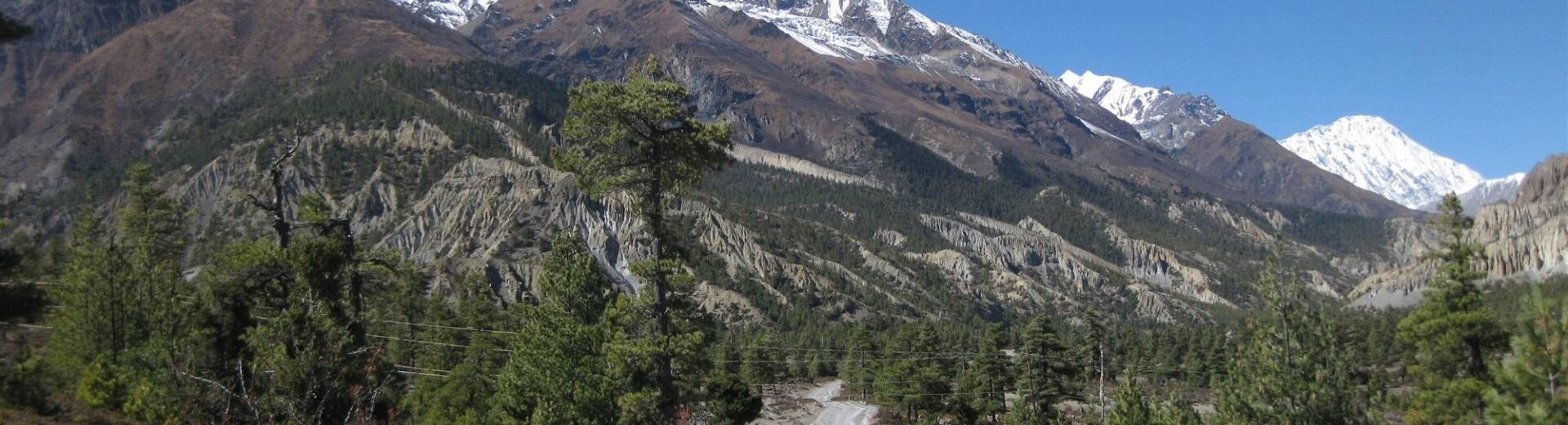
Looking for the best treks in the Annapurna region? You have come to the right place. The region is home to 13 major peaks and offers stunning views, rich forests, and welcoming villages. It has routes for beginners and experienced trekkers, which makes it one of the most loved trekking areas in Nepal.
There are several factors that makes Annapurna Region trek the best. The scenery, difficulty, number of trekking days, and your budget all shape the experience. Each route has its own highlights, so the right choice depends on what you want from the journey.
Some of the most talked about treks here are Annapurna Base Camp, Annapurna Circuit, Ghorepani Poon Hill, Mardi Himal, and Khopra Danda. These trails offer great views, safe paths, and a mix of nature and culture that make the Annapurna region a top trekking destination.
Table of contents
- Why is the Annapurna Region Perfect for Trekking
- Best Annapurna Region Treks (3-10 Days)
- Comparison Table of Top Annapurna Region Treks
- How to Choose the Best Trek for You
- Choose Based on Time
- Choose Based on Difficulty
- Choose Based on Views & Experience
- Best Time to Trek in the Annapurna Region
- Permits Needed for Annapurna Treks
- Accommodation & Meals on Annapurna Trails
- Essential Gear for Annapurna Region Trekking
- Turn Your Annapurna Trek Plan Into a Real Trip
- FAQs
Why is the Annapurna Region Perfect for Trekking
The Annapurna region is one of the most diverse trekking areas in Nepal. The trails are well-marked. The villages sit close to each other. You find food and stay options in each stop. This makes the region safe for both new and skilled trekkers.
The mountains stay visible from many points on the trails. You get close views of Annapurna South, Annapurna I, Machhapuchhre, Dhaulagiri, and Hiunchuli. The region also has many landscapes. You walk through warm villages, cool forests, and high alpine zones. This mix makes the walks interesting each day.
The region is easy to access from Pokhara. You can start most treks within a short drive. This lowers travel time and makes the trip smooth. The area has both short and long treks, so you can travel even with limited time.
Best Annapurna Region Treks (3-10 Days)
The Annapurna region offers many trails. Each trail has a clear view of the mountains and a smooth walking path. The treks below are ranked by overall experience, views, comfort, and trail variety. This list helps you find a trek that fits your time, fitness level, and travel style.
1. Annapurna Base Camp (ABC) Trek – Best Overall Trek
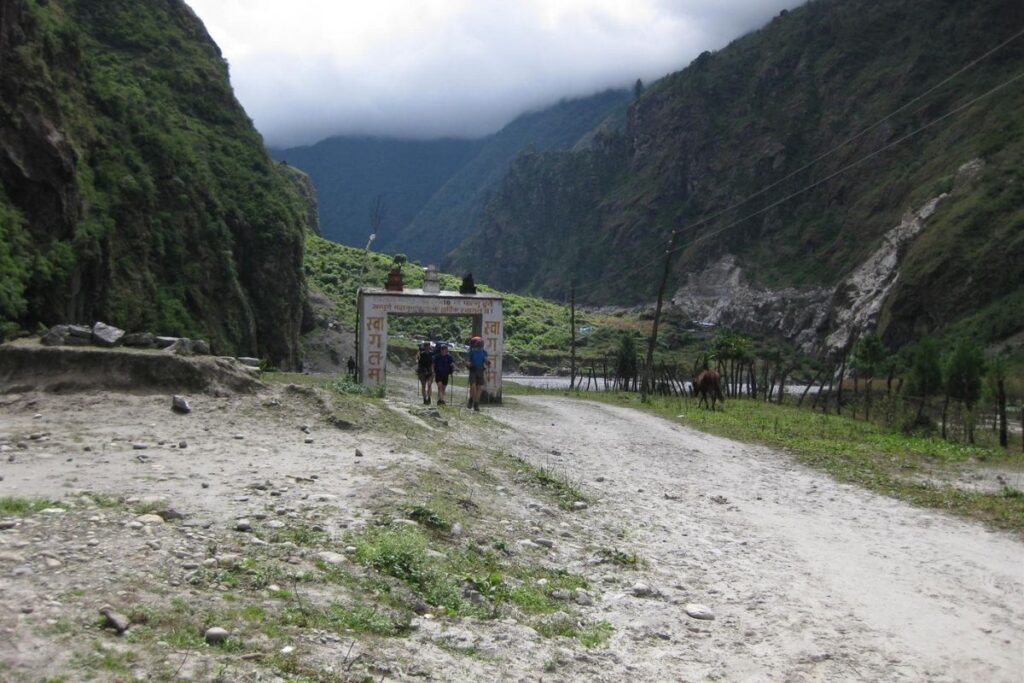
The Annapurna Base Camp Trek is the top choice for many trekkers. The trail leads you into the heart of the Annapurna range. You walk through forests, stone steps, and small villages. The trail stays at a steady pace, so many trekkers can complete it.
ABC gives you a close view of Annapurna I, Annapurna South, Machhapuchhre, and Hiunchuli. Many trekkers love the sunrise at the base camp. The light hits the peaks from all sides, and the scene looks bright and warm. ABC has a clear trail and enough tea houses, so it suits first-time trekkers as well.
The trek takes about 7 to 10 days. It is moderate in difficulty. Most trekkers choose this trek when they want a complete Himalayan experience without doing a very long journey.
2. Annapurna Circuit Trek – Best Long Trek
The Annapurna Circuit Trek is one of the most famous long treks in Nepal. It circles much of the Annapurna range and passes through many landscapes. You start in warm villages and walk into high alpine zones. The trail crosses Thorong La Pass at 5,416 meters.
The trek takes 12 to 18 days. It is a moderate to hard trail because of its length and high pass. Many trekkers pick this route for the variety. You see forests, river valleys, cliffs, dry deserts, and tall snowy peaks. You also pass through Manang and Mustang, two of the most interesting highland areas.
The Annapurna Circuit gives wide views of Annapurna II, Gangapurna, Tilicho Peak, and Dhaulagiri. It is a great trek if you want long days, cultural insight, and a mix of scenery.
3. Ghorepani Poon Hill Trek – Best Short Trek
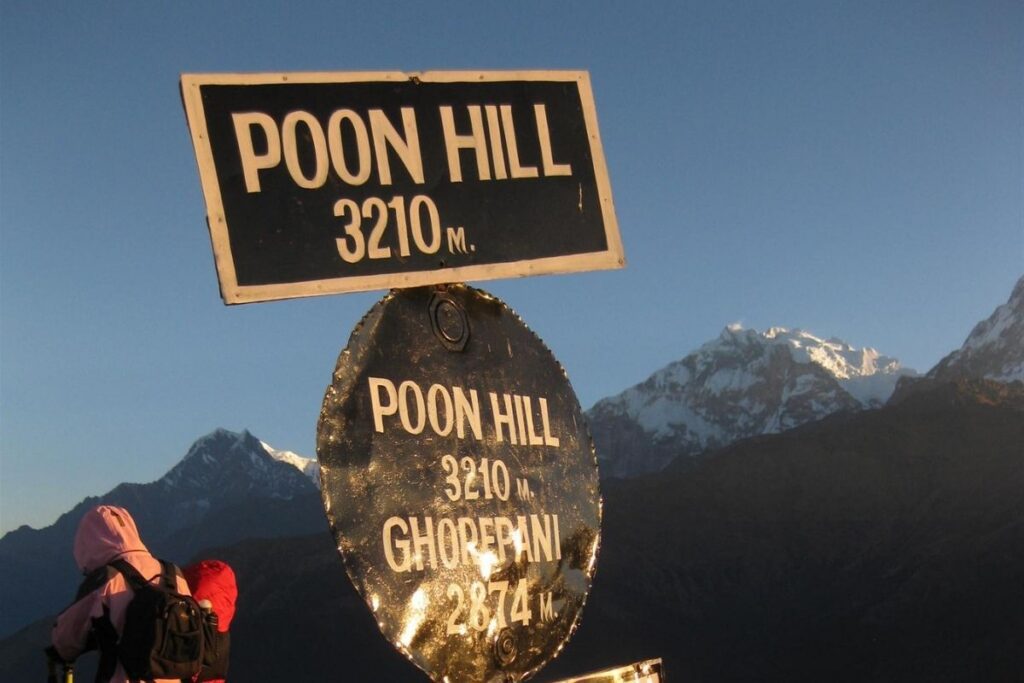
The Ghorepani Poon Hill Trek is one of the best short treks in Nepal. It takes 3 to 5 days and suits beginners. The trail has stone steps, gentle climbs, and forest paths. It is easy to follow and has many tea houses.
The main view comes from Poon Hill. Trekkers reach the viewpoint for sunrise. You see Annapurna South, Dhaulagiri, Machhapuchhre, and many other peaks. The view is wide and clean. This trek is great if you want a short holiday with mountain views.
The trail passes through local villages like Tikhedhunga and Ghorepani. Many trekkers enjoy the warm culture and quiet nature on the route.
4. Mardi Himal Trek – Best Offbeat Short Trek
The Mardi Himal Trek is a good choice if you want a quiet trail with clear mountain views. The trail lies close to the popular ABC route, but it sees fewer trekkers. It takes about 4 to 6 days to complete.
The path rises through forests and narrow ridges. As you climb, you see Machhapuchhre from a close angle. Mardi Himal Base Camp gives a clear view of Annapurna South and Hiunchuli. The trail is moderate in difficulty. Some parts are steep, but most trekkers manage it well.
This trek is a good choice if you want an offbeat route that still gives bright and clear mountain scenes.
5. Khopra Danda Trek – Best Quiet Trek
The Khopra Danda Trek is known for its peaceful trail. It takes 6 to 9 days. The route passes through forests and small villages. It stays away from crowded paths, so it feels calm and natural.
The main point is Khopra Ridge. The ridge gives a wide view of Dhaulagiri, Tukuche, Nilgiri, and Annapurna South. Many trekkers walk to Khayer Lake as a side trip. The lake sits at a high point and feels remote.
This trek is moderate in difficulty. It fits trekkers who want quiet days with strong mountain views.
Comparison Table of Top Annapurna Region Treks
The table below helps you compare the main treks in the region. It shows the duration, difficulty, best season, altitude, and the type of experience each trek offers.
| Trek Type | Trek Duration | Average Cost (USD) | What the Cost Covers |
| Short Treks (Poon Hill / Mardi Himal) | 3–6 days | 250–500 | Food, stay, permits, transport. Guide or porter adds extra cost. |
| Medium Treks (Annapurna Base Camp) | 7–10 days | 500–800 | Food, stay, permits, transport, and guide support if added. |
| Long Treks (Annapurna Circuit) | 12–18 days | 900–1500 | Food, stay, permits, transport, guide, and long-route support. Side trips raise the cost. |
How to Choose the Best Trek for You
The Annapurna trekking region has many routes, so you can pick a trek that matches your travel style. Use the points below to select the best option.
Choose Based on Time
Your time decides which trek fits best. Here is a simple guide:
3–5 days → Poon Hill or Mardi Himal These treks are short and easy to manage. The trails stay low for most of the walk. You still get clear views of Annapurna South, Dhaulagiri, and Machhapuchhre.
7–10 days → ABC Trek This duration suits the Annapurna Base Camp Trek. The trail has steady climbs and enough time for acclimatization. Many trekkers choose this because it balances time and experience.
12–18 days → Annapurna Circuit Choose this if you have long holidays. The trail is wide and full of variety. You cross Thorong La Pass and visit high villages like Manang.
Choose Based on Difficulty
The ACAP region has trails for all fitness levels. Here is a quick guide:
- Easy: Poon Hill Trek The path has steps and gentle climbs. Most new trekkers can walk this trail.
- Moderate: ABC Trek and Mardi Himal Trek These trails have longer days and some steep areas. Basic fitness is enough.
- Moderate–Hard: Annapurna Circuit This trek has long days and a high pass. You need good fitness and patience.
- Moderate: Khopra Danda Trek The path is calm but has steady climbs. It suits trekkers with some experience.
Choose Based on Views & Experience
Each trek offers a different type of scene and trail mood. Pick one based on what you want most.
- For close peak views: ABC Trek You stand in the middle of tall peaks and see the mountains from all sides.
- For wide and mixed landscapes: Annapurna Circuit You see forests, rivers, cliffs, and dry deserts in one long journey.
- For sunrise views: Poon Hill Trek The sunrise over the Annapurna and Dhaulagiri ranges is the main highlight.
- For ridge walking: Mardi Himal Trek The trail follows a high ridge with a clear view of Machhapuchhre.
- For quiet days: Khopra Danda Trek The route stays away from busy paths and feels calm and peaceful.
Best Time to Trek in the Annapurna Region
The best time to trek in the Annapurna is during spring and autumn. These seasons offer clear skies, steady weather, and safe trails. The views stay bright, and the temperature remains stable during most days.
Spring (March to May) Spring brings mild weather and colorful forests. Rhododendron trees bloom in many parts of the region. The days stay warm, and the skies are clear in the morning. This season suits all treks, including ABC, Mardi, and Poon Hill.
Autumn (September to November) Autumn is the most popular time for trekking. The monsoon ends, and the air becomes crisp. You get long-range views of the Annapurna and Dhaulagiri ranges. The days stay dry, and the nights are cool. This season suits all trails, including the Annapurna Circuit.
You can also trek in winter and summer, but the weather needs more care.
Winter (December to February) Winter offers quiet trails but colder days. Snow may block high passes like Thorong La. Lower trails such as Poon Hill and Mardi are still safe. The sky stays clear, and the views look sharp.
Summer (June to August) Summer is also the monsoon season. The trails get wet and foggy. Leeches can appear in lower forests. Many trekkers avoid long trails during this time. Still, some parts like the rain-shadow areas near Mustang stay drier.
Permits Needed for Annapurna Treks
All trekkers need permits to enter the Annapurna region. These permits help manage the trails and keep records for safety. You can get the permits in Kathmandu or Pokhara. The process is simple and quick.
1. Annapurna Conservation Area Permit (ACAP)
The ACAP permit is required for all treks in the region. It helps protect the forests, wildlife, and villages.
- Cost: USD 30 per person
- Where to get it: Nepal Tourism Board offices in Kathmandu or Pokhara
- Needed for: ABC Trek, Annapurna Circuit, Poon Hill, Mardi Himal, Khopra Danda, and all other Annapurna trails
2. Trekkers’ Information Management System (TIMS) Card
The TIMS card keeps a record of trekkers on the trail. It helps with safety and support during emergencies.
- Cost: USD 20 per person
- Where to get it: TAAN offices or Tourism Board offices in Kathmandu and Pokhara
- Needed for: All trekking routes in the Annapurna region
You must carry both permits during the trek. There are checkpoints on the route. The officers will check your permits before you go ahead. Keep them in a safe pocket in your backpack.
Accommodation & Meals on Annapurna Trails
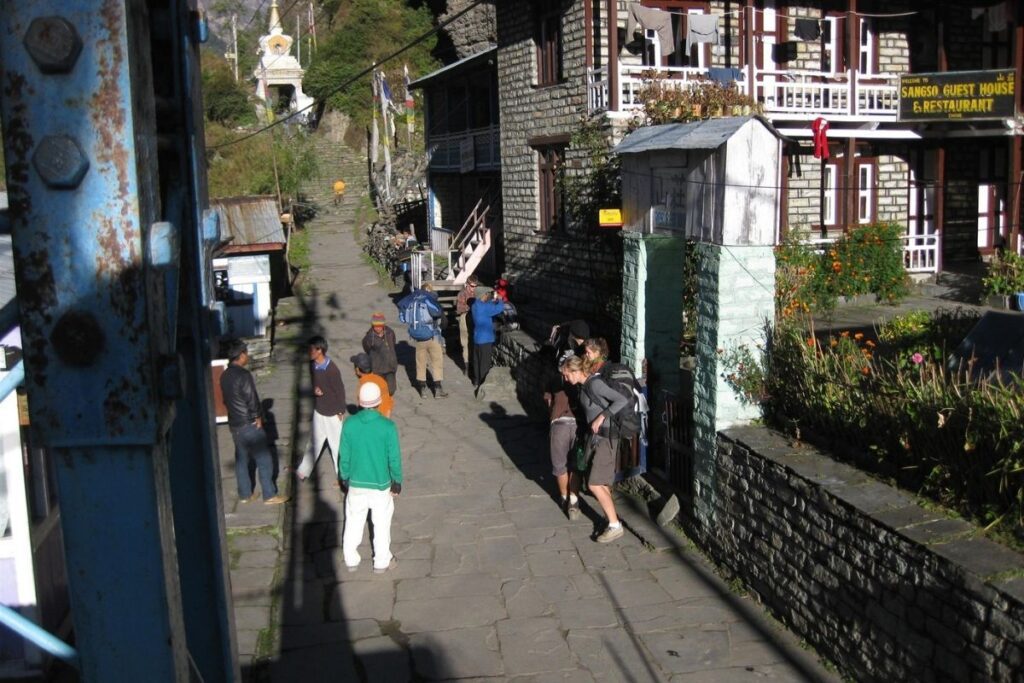
Tea houses are the main places to stay in the Annapurna region. These tea houses sit in almost every village along the trail. The rooms are simple but clean. Most rooms have two beds, blankets, and a small table. Lower villages may offer attached bathrooms, while higher villages have more basic rooms. You also get electricity in most places.
Some tea houses charge a small fee for charging your phone or camera. Wi-Fi is available on popular routes, but the connection can be slow. A warm dining hall sits at the center of each tea house. Trekkers gather there in the evening to relax and rest after the long walk.
Meals are warm and filling on the trail. Most tea houses serve dal bhat, noodles, soup, rice, potatoes, pasta, and eggs. Dal bhat is popular because it gives good energy for the whole day. You also find hot drinks such as tea, coffee, and hot lemon. Bottled water is available in all villages, and you can also refill hot water if you prefer to use purification drops. The food is simple but healthy, and it keeps you strong for each day of the trek.
Essential Gear for Annapurna Region Trekking
To enjoy a safe and comfortable trek in the Annapurna region, carrying the right gear is crucial. Here’s a list of essential items:
- Trekking Backpack: Lightweight, comfortable, and large enough to carry clothing, water, and essentials.
- Hiking Boots: Waterproof, well-fitted, and broken-in boots to protect your feet on rocky and slippery trails.
- Warm Clothing: Layered clothing including thermal innerwear, fleece jackets, and down jackets for cold temperatures.
- Rain Gear: Waterproof jacket and pants to stay dry during unexpected showers or snow.
- Trekking Poles: Help reduce strain on knees and improve balance on steep paths.
- Sleeping Bag: High-quality sleeping bag suitable for sub-zero temperatures in higher altitudes.
- Headlamp/Flashlight: Essential for early starts, night walks, or staying in remote lodges.
- Water Bottle & Purification: Hydration is key, and water purification tablets or filters ensure safe drinking water.
- Sunglasses & Sunscreen: Protects eyes and skin from strong UV rays at high altitudes.
- First Aid Kit: Include medicines for altitude sickness, blisters, and minor injuries.
- Snacks & Energy Bars: Quick energy boosts during long trekking days.
- Personal Documents & Permits: Keep TIMS card, ACAP permit, ID, and insurance handy.
Turn Your Annapurna Trek Plan Into a Real Trip
Planning your Annapurna trek is exciting, but turning it into a real adventure takes the right guidance. Mountain Routes makes it easy to organize your trip, whether you want a short scenic trek or a challenging multi-day journey. With expert guides, well-planned itineraries, and reliable support, you can focus on enjoying stunning mountain views and local culture.
Mountain Routes helps you choose the best trek for your time, fitness level, and interests. From arranging permits and accommodation to providing experienced guides and porters, they handle all the details. This way, you can fully experience the Annapurna region without worrying about logistics.
Start your adventure today with Mountain Routes and make your Annapurna trek safe, memorable, and unforgettable.
Whether it’s Poon Hill, ABC, Mardi Himal, or the Annapurna Circuit, they ensure your journey is smooth, enjoyable, and tailored to your needs.
FAQs
Which trek is best for beginners?
If you’re new to trekking, Ghorepani Poon Hill Trek is the perfect start. It’s short, scenic, and has a gentle altitude.
How many days do you need for Annapurna treks?
Short treks like Poon Hill or Mardi Himal take 3 to 5 days. Annapurna Base Camp usually requires 7–10 days, while Annapurna Circuit can take 12 to 18 days.
Is Annapurna Base Camp (ABC) harder than Mardi Himal?
Yes. ABC is longer, reaches higher altitudes, and has more steep sections. Mardi Himal is shorter and easier for casual trekkers.
Which is the shortest trek in the Annapurna region?
Ghorepani Poon Hill is the shortest popular trek. In just 3 to 5 days, you can enjoy amazing mountain views and local villages.
Which Annapurna Region trek is the longest?
Annapurna Circuit is the longest trek. It takes 12 to 18 days and passes through diverse landscapes, high mountain passes, and remote villages.





 Chat on WhatsApp