Best Diamox Alternatives for High Altitude Treks
Diamox is a common medicine used by trekkers to prevent altitude sickness during high climbs. At high altitudes, the air has less oxygen, which makes breathing harder and slows how quickly the body adjusts.
The real challenge in mountain travel is not the rough trail but the thin air. Many trekkers experience headaches, fatigue, or shortness of breath when they ascend too quickly. These are early signs of altitude sickness that can affect even well-prepared adventurers.
To help the body adapt, some trekkers take Diamox, which speeds up acclimatization. However, it doesn’t work the same for everyone. Some people may feel side effects such as tingling fingers, upset stomach, or frequent urination.
There are also natural ways to prepare your body for high altitude. Walking slowly, drinking plenty of water, sleeping well, and taking extra rest days make a big difference. Simple remedies like garlic soup, ginger tea, or coca leaves are known to ease mild symptoms for many trekkers.
With the right planning and awareness, most people can enjoy the beauty of high-altitude treks without needing Diamox at all.
What is Diamox and Why Do Trekkers Use It?
Diamox (Acetazolamide) is a medicine that helps the body adjust to high altitudes. It works by making you breathe faster and balance the chemicals in your blood so your body gets more oxygen. Many trekkers use it to avoid or reduce the symptoms of altitude sickness when climbing mountains. Trekkers use Diamox for several reasons:
- It helps prevent headaches and nausea caused by high altitude.
- It makes breathing easier when oxygen is low.
- It supports the body in adjusting faster to rising heights.
- It can help trekkers reach high camps more safely.
When You Should Avoid Diamox
Not everyone can safely take Diamox. Some people may have health conditions or risks that make the medicine unsafe. Knowing when to avoid it can keep you safe while trekking. You should avoid Diamox if:
- You are allergic to sulfa medicines.
- You have kidney or liver problems.
- You are pregnant or breastfeeding.
- You experience severe side effects like tingling, nausea, or dizziness.
- Your doctor advises against it for any reason.
For those who cannot take Diamox, there are safe options. A Diamox alternative, an alternative to Diamox, or a natural alternative to Diamox can help the body adjust without side effects.
How to Acclimatize Naturally Without Diamox
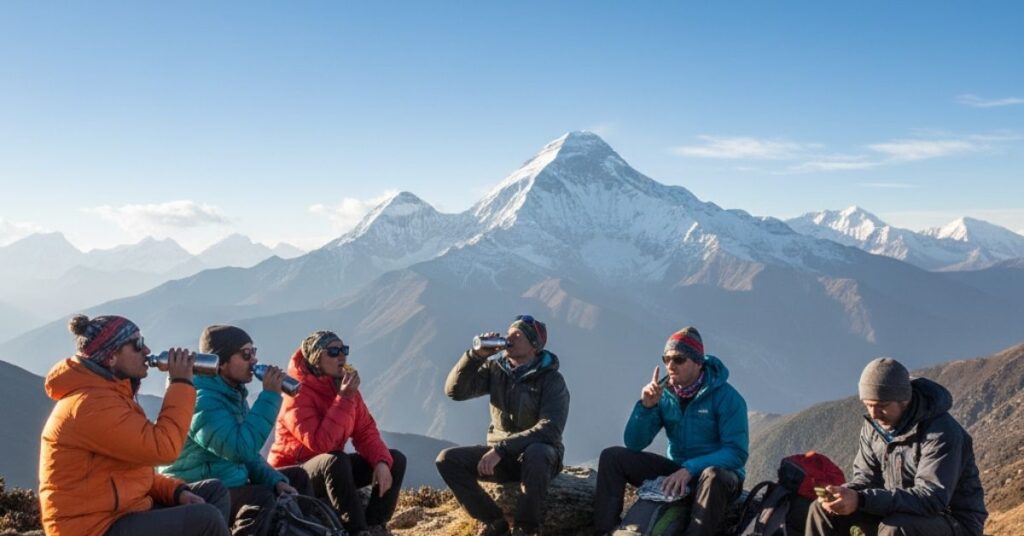
For those who are allergic to Diamox, there is good news. You can naturally acclimatize without having to consume Diamox and reduce altitude sickness risks. With careful planning and simple habits, your body can adjust to high altitudes safely.
- Walk Slowly and Rest Often: Climbing too fast is the main cause of altitude sickness. Walk at a slow, steady pace and take frequent breaks. Resting allows your body to get used to lower oxygen levels. Spend extra nights at intermediate heights to help your body adjust gradually.
- Stay Hydrated: Drinking enough water is key at high altitude. Dehydration worsens headaches and fatigue. Aim to drink at least 3 to 4 liters a day. Avoid alcohol and excessive caffeine as they can dehydrate your body further.
- Eat Light and Nutritious Meals: Eating easy-to-digest foods rich in carbohydrates gives energy for climbing. Include fruits, vegetables, and whole grains. Heavy meals can slow your digestion and make your body work harder at high altitudes.
- Practice Deep Breathing: Slow, deep breaths increase oxygen intake and help your body adjust. Take a few minutes each hour to breathe deeply. This reduces shortness of breath and keeps your energy steady.
- Gradual Exposure: Spend time at moderate altitudes before climbing higher. Short hikes or overnight stays at intermediate heights train your body to cope with thinner air. This gradual exposure is one of the safest ways to acclimatize naturally.
- Listen to Your Body: Pay attention to symptoms like headache, nausea, or dizziness. If you feel unwell, rest or descend to a lower altitude. Ignoring signs can be dangerous and slow acclimatization.
If you want a complete guide on staying safe at altitude, check our post on how to handle altitude sickness in Nepal trek.
Natural and Safe Alternatives to Diamox
Some trekkers cannot take Diamox due to allergies, side effects, or personal preference. Luckily, there are natural and safe alternatives to Diamox that can help your body adjust to high altitudes. These options reduce symptoms of altitude sickness while supporting natural acclimatization.
1. Stay Hydrated and Move Slowly
Dehydration is a common problem at high altitudes. Your body loses more water through breathing and sweating in thin air. Drinking enough water keeps your organs working properly and helps maintain blood flow. Walking slowly and taking regular breaks allows your body to adapt to lower oxygen levels. Combining hydration with slow movement is one of the most effective natural alternatives to Diamox, reducing headaches and fatigue during your trek.
2. Use Ibuprofen for Mild Symptoms
Ibuprofen is a safe and widely used medicine for mild headaches and body aches caused by altitude sickness. Taking a small dose can reduce discomfort and make it easier to continue trekking. It should be used only when needed and not as a replacement for proper acclimatization. Ibuprofen can act as a short-term alternative to Diamox, helping your body feel better while ascending.
3. Try Garlic or Garlic Tablets
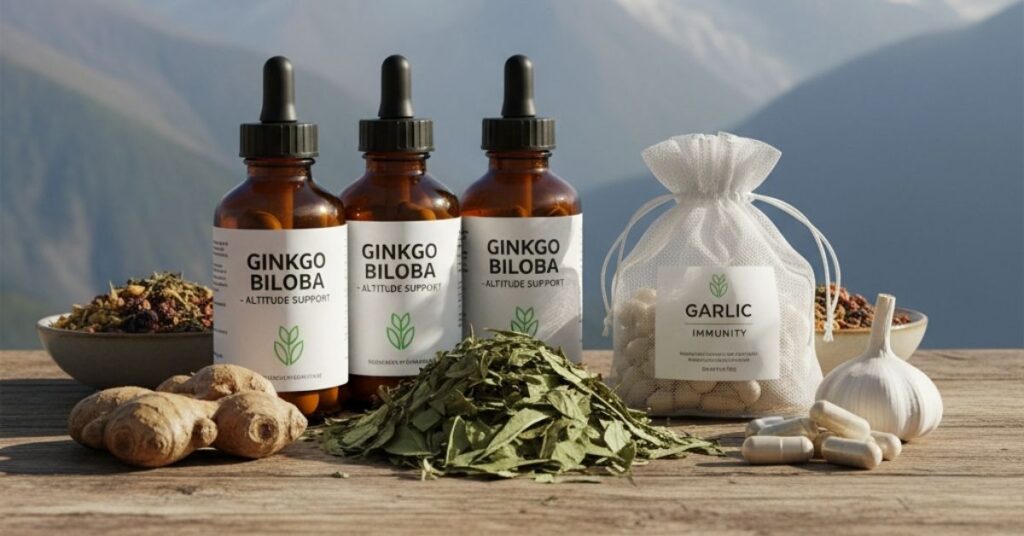
Garlic improves blood circulation, which helps oxygen reach different parts of your body more efficiently. Some studies and long-term trekking experience suggest garlic can reduce fatigue and support acclimatization. Trekkers can eat garlic in meals or take garlic tablets. This is considered a natural alternative to Diamox, especially for those who prefer herbal support over medicines.
4. Chew Coca Leaves or Use Herbal Remedies
Coca leaves have been used for centuries in South American high-altitude regions. Chewing the leaves or using herbal remedies can reduce nausea, fatigue, and headaches caused by thin air. Certain other herbs, depending on local traditions, may also help your body adjust. Always ensure these remedies are legal and safe for use in your trekking region, and consult a guide before trying them. These natural methods can support the body when looking for a Diamox alternative.
5. Drink Beetroot Juice
Beetroot juice is rich in nitrates, which help improve blood flow and oxygen delivery in your body. Drinking it before or during your trek may increase stamina, reduce shortness of breath, and support natural acclimatization.
Trekkers often use beetroot juice as a safe, natural alternative to Diamox, especially during longer high-altitude treks.
6. Take Ginkgo Biloba Supplements
Ginkgo Biloba may improve blood circulation and oxygen supply to the brain. Some studies suggest it can reduce mild altitude sickness symptoms, such as dizziness and headaches. Trekkers sometimes take Ginkgo supplements to support their body’s adaptation at high altitude.
While not as strong as Diamox, it is considered a natural alternative to Diamox for those looking for herbal support.
Other Medicines Like Diamox
For the trekkers who cannot take Diamox or need additional support for high-altitude sickness. In such cases, doctors may prescribe other medicines. These drugs help prevent or treat specific altitude-related issues.
Always consult a doctor before using any of them.
| Medicines | Uses |
| Dexamethasone | Reduces brain swelling caused by severe altitude sickness (HACE) |
| Nifedipine | Helps treat high-altitude pulmonary edema (HAPE) by relaxing blood vessels in the lungs |
| Acetaminophen | Relieves headaches and mild discomfort caused by altitude |
| Ondansetron | Reduces nausea or vomiting at high altitudes |
| Prednisone | Sometimes used to reduce severe inflammation or altitude sickness symptoms under medical supervision |
Key Takeaways for Safe Trekking
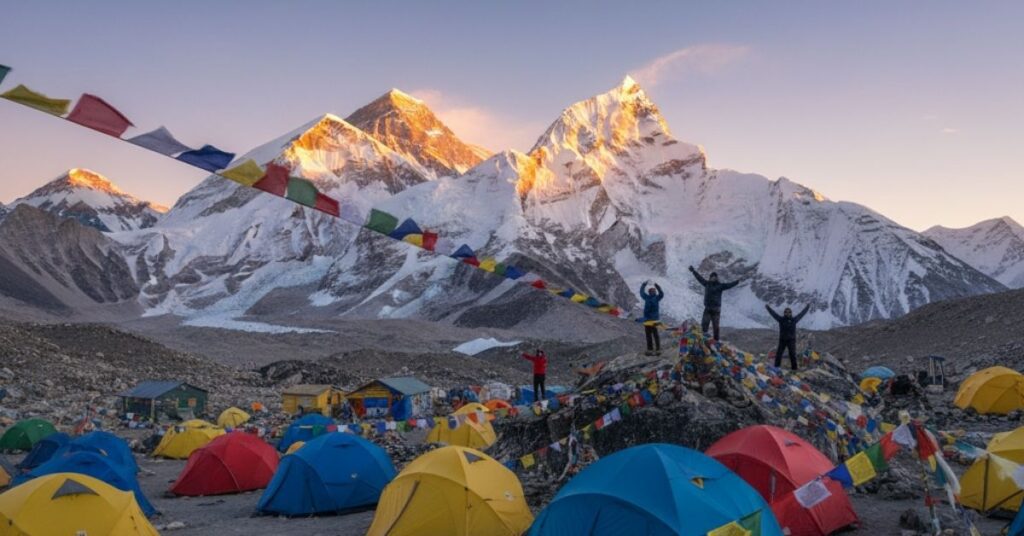
High-altitude trekking can be an amazing experience if you prepare well and listen to your body. Whether you use Diamox or prefer natural alternatives, safety should always come first.
Key Takeaways:
- Climb slowly and give your body time to adjust to altitude.
- Stay hydrated and eat light, energy-rich meals.
- Avoid alcohol and smoking before and during your trek.
- Listen to your body — descend if symptoms get worse.
- Natural alternatives to Diamox like garlic, beetroot juice, and Ginkgo Biloba can support acclimatization.
- Always talk to your doctor or altitude specialist before using any medicine or supplement.
- Rest well, move slowly, and enjoy the journey instead of rushing to the destination.
Talk to High-Altitude Experts
Before heading to high altitudes, it’s always wise to talk to experienced trekking or altitude experts. They understand how your body reacts to thin air and can guide you on how to prepare safely. Expert advice helps you choose the right pace, diet, and natural alternatives to Diamox for your trek.
At Mountain Routes, safety always comes first. Our expert guides plan your journey with care, helping you acclimatize naturally and avoid altitude sickness. Whether you are trekking to Everest Base Camp or exploring new trails, our team ensures every trekker gets personal attention and support.
Trusting experienced high-altitude guides like the ones at Mountain Routes is the best way to enjoy your adventure while keeping your health and safety a top priority.





 Chat on WhatsApp