Best Time To Trek Everest Base Camp: Ideal Seasons for EBC
Trekking to Everest Base Camp (EBC) is a once-in-a-lifetime adventure, and choosing the right time to go can make all the difference. The best time to visit Everest base camp is the spring (March-May) and autumn(September-November) seasons. Spring offers you mild temperatures and luscious forests along the trails. It is also an excellent time for mountaineers, as expeditions are gearing up to summit Everest, adding an air of excitement to the trek. Meanwhile, autumn presents clear skies, crisp air, and unrivaled views of the snow-clad Himalayas, creating a postcard-perfect backdrop for your journey.
Both seasons have stable weather conditions, making it easier to navigate the trails and enjoy every moment. Timing a trek perfectly can make all the difference, from weather conditions and trail accessibility to the overall quality of the experience. The best time to trek Everest Base Camp is determined by various factors; understanding them will help the adventurer maximize his or her journey to one of the most mesmerizing places in the world.
Updated Ideal Seasons to Trek the Everest Region in 2026
The Everest regions of Nepal have their unique type of appeal to the trekkers in almost every season. Spring turns the trail into a theatre of greenery against the backdrop of the clear skies. Spring gives you the chance to experience the Everest region in its full bloom.
Autumn gives trekkers clear skies and mild temperatures, making it easy to enjoy the unmatched views of the snow-capped Himalayas. Winter brings cold weather but rewards those who can handle it with peaceful trails and untouched snow. Summer shows off lush green landscapes with fewer crowds, though it also comes with monsoon rains and cloudy skies.
EBC Trek in Spring Season: March, April and May
Spring is one of the best times for the Everest Base Camp trek because it mixes beauty with ideal conditions. During this season, the trails turn colorful with blooming rhododendrons, creating a scenic journey. Daytime temperatures range from 10°C to 15°C (50°F to 59°F) at lower altitudes and get cooler higher up, which makes trekking more comfortable. The weather stays fairly stable, with mild days and crisp nights. Spring is also busy, as many Everest expeditions take place, so trekkers often see climbers preparing for summit pushes, adding extra excitement and inspiration to the adventure.
Trek to Everest Base Camp in March
March is the start of the trekking season in the Everest region, which enjoys both the crisp air of winter and the rejuvenating warmth of spring. Trekkers find less crowded trails compared to the peak months, so it is an ideal time to visit EBC if you are looking for a peaceful journey. The landscape starts to change a little, with the flora coming to life, adding splashes of color along the trail. Though the nights are still cold, it can be a very rewarding time to trek to Everest Base Camp with proper preparation and gear.
Trek to Everest Base Camp in April
April is considered the peak month for EBC trekking because it offers a comforting balance of weather, scenery, and trekking conditions. The trails get bustling with activity as trekkers from all over the globe gather in the area, building an energetic atmosphere. It usually has stable weather; during the day, it may get moderately warm, and the skies are clear, offering fantastic conditions to hike and photograph. April is also one of the best months to see the awe-inspiring peaks of Everest and Lhotse in their full glory, as the visibility is at its best. Moreover, April coincides with the preparation period for Everest summiteers, and it allows trekkers to observe expedition teams getting ready for their climbs, a unique opportunity and an added layer of excitement to the experience.
Trek to Everest Base Camp in May
May sees warmer temperatures, especially down in the lower elevations, and is one of the more comfortable months of trekking. At this altitude, right in the spring season, trails are vividly colored by blooming wildflowers and the snowline has receded, revealing more of a rugged Himalaya. The clear views of Everest and surrounding peaks this month are one of the season’s last as the monsoon clouds start to roll in. Trekking in May offers a firsthand glimpse into the world of high-altitude mountaineering. Despite the increased activity, May is usually warm and beautiful, making the journey to Everest Base Camp a preferred choice.
Weather and Temperature in the Spring Season
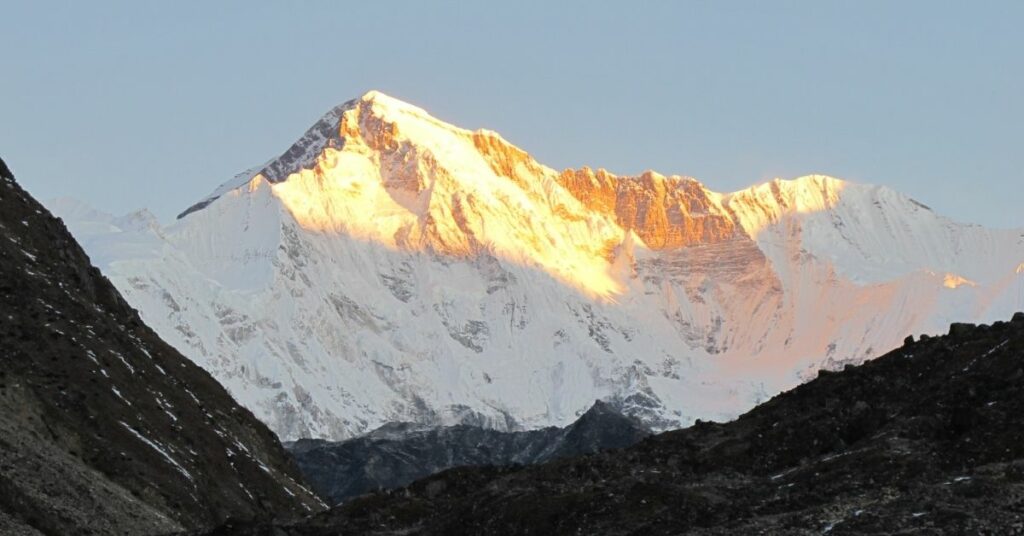
Spring offers some of the most pleasant weather for trekking in the Everest region. During this season, daytime temperatures range from 10°C to 15°C (50°F to 59°F) at lower elevations, providing comfortable conditions for hiking. As you ascend to higher altitudes, temperatures can drop significantly at night, often falling below freezing. Despite the chill in the evenings, the days are typically dry and clear, with minimal rainfall, ensuring excellent visibility of the Himalayan peaks. This stable weather makes spring one of the most favored times to embark on the Everest Base Camp trek.
Pros and Cons of Everest Region Trekking in the Spring Season
| Pros | Cons |
| Clear weather and excellent mountain views. | Crowded trails and teahouses. |
| Vibrant landscapes with blooming rhododendrons. | Slightly higher accommodation prices. |
| Stable conditions for trekking and flights. | Nighttime temperatures can still be cold. |
| Opportunities to see Everest climbers in action. |
EBC Trekking: Autumn Season (September, October, and November)
Autumn, from September to November, is one of the best times for the Everest Base Camp trek. The season brings clear skies, mild temperatures, and incredible views of the Himalayas. After the monsoon, the weather turns stable, giving you sharp visibility of famous peaks like Everest, Lhotse, and Makalu. In September, the trails are green and fresh with improving conditions. October offers the best mix of weather and lively trails, making it the most popular month. By November, the crowds thin out, creating a quieter experience, though the temperatures get colder at higher altitudes. Overall, EBC trekking in autumn is ideal. Moreover, with excellent mountain views and breathtaking scenery across the Everest region.
Trek in September
September is a month of transition as the monsoon clouds start to retreat. While the trails may still be a bit muddy or wet, overall, the weather improves as the month progresses. It’s a beautiful time to trek as the lush green landscapes come out after the rains. The temperatures are still mild, and you can experience some of the beauty of the monsoon season without the intense rainfall that affects the earlier months. Many trekkers find the Everest Base Camp trek in September rewarding because it blends fresh greenery, quieter trails, and gradually improving weather conditions. Still, there may be occasional showers, so it’s important to come prepared for wet conditions, especially in the lower altitudes.
Trek in October
October is considered the best month for trekking to Everest Base Camp. The weather is at its best, and it has clear skies with mild temperatures, along with the most fantastic views of snow-capped peaks. The trails are busy with trekkers from all over the world, which makes it a very energetic time to be on the trail. These skies offer the best visibility; views of Mt. Everest and the surrounding peaks of the Himalayas look breathtaking. However, during peak season, teahouses and lodges along the route are fully booked and larger crowds are encountered. Perfect weather and awe-inspiring scenery make October the most popular month for trekkers.
Trek in November
November marks the end of the autumn trekking season. The skies stay clear, but temperatures drop, especially at higher altitudes where nights often fall below freezing. By this time, most trekkers have finished their journeys, so the trails feel calm and uncrowded. November is perfect for those who want peace and quiet, avoiding the busy trails of October. With clear skies and fewer people, it’s also one of the best times for photography and enjoying the stillness of the mountains. Trekkers should stay prepared for cold conditions, especially as they move higher toward Everest Base Camp.
Pros and Cons of Trekking the Everest Region in Autumn
| Pros | Cons |
| Ideal weather conditions with clear skies. | Very crowded, especially in October. |
| Stunning views of the snow-capped peaks. | Higher costs for lodging and food. |
| Comfortable daytime temperatures. | Nights can get chilly, especially in late November. |
| Stable conditions for trekking and flights. |
Trekking EBC in the Winter Season: December, January, and February
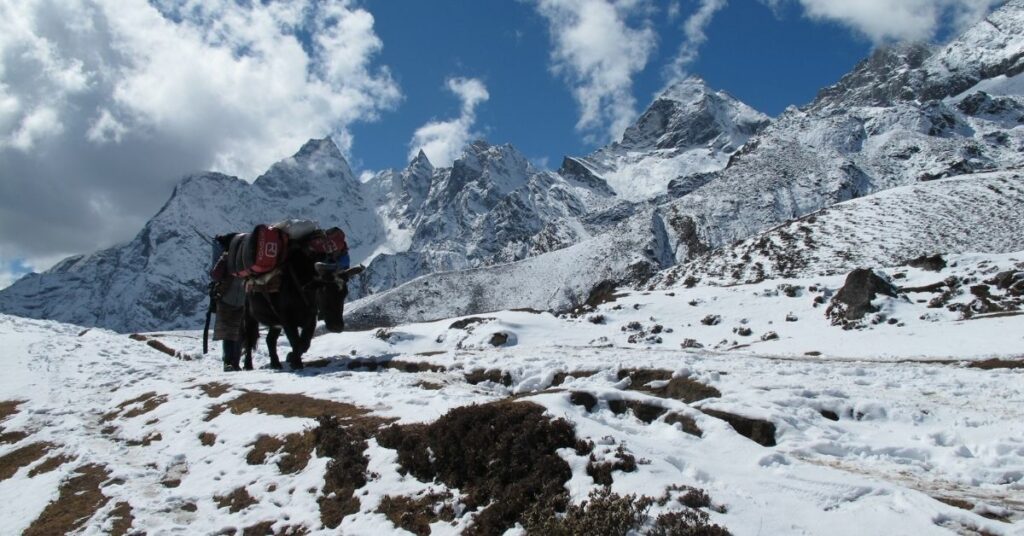
Winter trekking in Everest Base Camp is ideal for those who enjoy solitude and don’t mind the cold. The Everest region stays quiet during this season, giving trekkers a calm and almost untouched experience on the trails. The crisp winter air offers crystal-clear views of snow-covered peaks, making the landscapes look stunning and pure. The main challenge is the extreme cold. At high altitudes, nighttime temperatures often drop well below freezing. Many teahouses and lodges also close in winter, so trekkers need to plan more carefully. Still, the reward is worth it—solitude, clear skies, and breathtaking views of the Everest region without the usual crowds. It’s the perfect choice for adventurers who want a different and more challenging experience.
Trek in December
December is one of the best months to go trekking as it offers clear skies and relatively stable weather. The temperature is cool, and the air is fresh, making it very pleasant. There is no rain, so the trails are dry and easy to walk on. Since it’s holiday time, the crowds have thinned out, so it will be a much quieter trek. However, the nights get extremely cold, and trekkers should be prepared with warm layers and high-quality sleeping bags. Despite the chill, the stunning vistas of snow-covered peaks, frozen lakes, and scenic landscapes make it a worthwhile time for those seeking solitude and winter beauty.
You May Also Read: Is It Possible to Trek EBC in December?
Trek in January
January is the coldest month of the year, but it offers unmatched serenity. The trails are much less crowded than at any other time, and trekkers can enjoy the tranquility of the mountains in their full winter glory. The air is crisp and clear, thus enhancing the views around even more. However, the extreme cold can be very challenging, especially during nights when temperatures can plummet significantly. Trekkers need to come well-prepared with thermal clothing, insulated boots, and proper gear to keep warm. Although it is cold, the stillness and beauty of the landscape, with snow-covered peaks and frozen rivers, make it an unforgettable experience for those willing to brave the elements.
Trek in February
February is the last winter month, with slightly warmer temperatures and the first signs of spring beginning to show. Lower altitude areas start having snow melting, but the highest ones are still capped in white, producing a magnificent contrast. The trails start being pretty quiet, which is beneficial for trekkers who just love the tranquility around. The views are visible and crisp with mountain fresh air that is really invigorating. While the temperatures remain chilly, the weather is generally more stable than in January, making it a great time for those who want to experience winter without facing the harshest conditions. It’s also a wonderful time for photography, as the winter landscape gives way to early signs of life, such as budding flowers or the first birds returning to the region.
Pros and Cons of Trekking to Everest Base Camp in Winter
| Pros | Cons |
| Solitude and fewer trekkers on the trails. | Extremely cold temperatures, especially at night. |
| Clear skies with uninterrupted mountain views. | Some teahouses may be closed. |
| Lower prices for accommodation. | Risk of snow blocking trails. |
| Unique winter landscapes. |
Trek to Everest in the Summer Season: June, July, and August
Summer in the Everest region overlaps with Nepal’s monsoon season, making it the least popular time for trekking. Heavy rains bring slippery trails, high humidity, and low mountain visibility. Still, for adventurers seeking a challenge, summer has its own rewards. The trails turn green and vibrant, rivers swell, and the region feels alive with nature. The best part is the quiet atmosphere, as very few trekkers visit during these months. To enjoy it, though, you need to be ready for unpredictable weather and possible trail disruptions.
Trek in June
June marks the start of the monsoon season. The days feel warm, with rain showers that make lower trails muddy and slippery. Clouds often block the mountains, but the rain creates lush greenery that covers the valleys. Fewer trekkers come during this time, so the trails feel peaceful. However, trekkers should be cautious of the wet conditions, which can increase the difficulty of the Everest Trek by making the trails more challenging and tiring.
Trek in July
July brings the peak of the monsoon. Rain falls heavily across the region, and the trails get slick and risky, especially in lower areas prone to landslides. Clouds often hide the mountain views, making it harder to see the famous peaks. On the other hand, nature looks its best with full rivers, strong waterfalls, and dense greenery. The trails remain almost empty, which appeals to those who enjoy quiet treks. Still, July requires determination and a willingness to face tough weather conditions.
Trek in August
By August, the monsoon begins to ease, though rain is still common. Trails stay wet and slippery, but the showers are less constant than in July. The valleys and forests glow with thick greenery, and rivers flow strong, creating a beautiful backdrop for trekking. Few trekkers come during this month, making it one of the quietest times to visit. For those prepared to handle wet conditions and occasional downpours, August offers a chance to explore the Everest region in solitude and see it at its greenest.
Pros and Cons of Visiting Everest Base Camp in Summer
| Pros | Cons |
| Lush green landscapes and fewer trekkers. | High risk of landslides and slippery trails. |
| Lower costs for lodging. | Limited mountain views due to clouds. |
| Opportunities to explore less crowded routes. | Flights to Lukla may be delayed due to weather. |
| Unique monsoon trekking experience. |
Essential Factors to Consider When Climbing Everest Base Camp
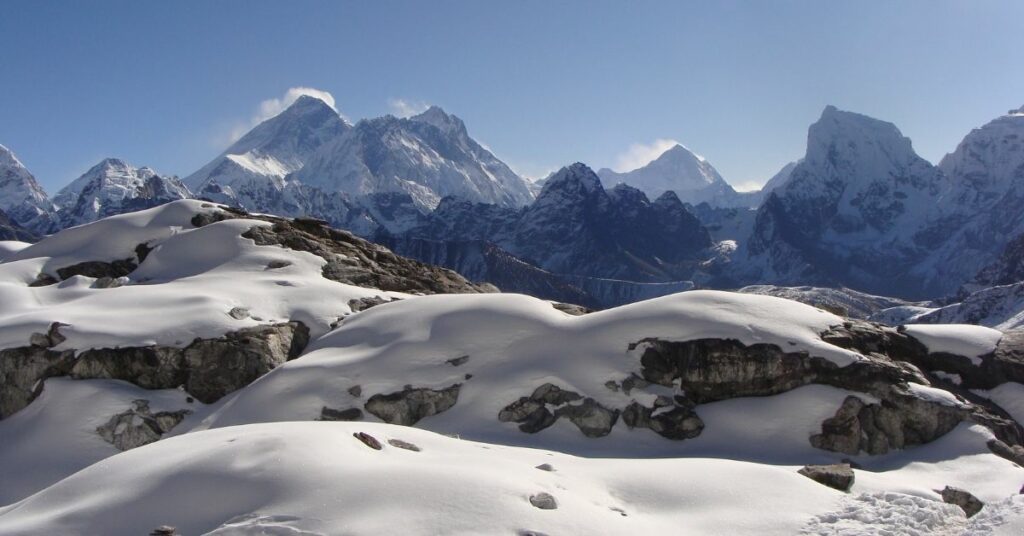
The Everest Base Camp Trek is an amazing adventure, but timing is everything to make the journey both successful and enjoyable. From weather conditions to the number of people on the trails, there are several factors that can greatly affect your trekking experience. Understanding how to make the most out of your trip involves considering very important aspects: seasonal climates, crowd probabilities, and how these elements will play into your personal preferences and trekking goals.
- Weather and Climate: Take into account the seasonal variations in weather. Find the EBC trek weather and temperature and plan your trek according to the conditions expected during that time of year.
- Crowds: Decide whether you prefer the tranquility of quieter trails or the excitement of busier, more popular paths among different trekking routes to EBC.
- Budget: Be aware that traveling during peak seasons often comes with higher costs, so it’s important to budget accordingly.
- Physical Fitness: Evaluate your physical readiness, as trekking conditions can vary significantly based on the season and the terrain.
- Gear and Equipment: Make sure your gear is appropriate for the weather conditions you might encounter, ensuring comfort and safety throughout your journey.
After considering all the aspects mentioned above, you can get the Everest Base Camp Trek Package by selecting the right travel partner.
Choosing the Best Time to Trek Everest Base Camp: Our Recommendation
The Everest Base Camp Trek is so much more than just a physical challenge; it is rather an expedition to the soul of the Himalayas, where towering peaks and old traditions merge into an experience. While spring and autumn have favorable weather and clear visibility in the mountains, each of these seasons opens up very different aspects of this trail: from the serene landscapes of winter to the vibrant summer trails. This trek will be filled with breathtaking views and deep connections with nature if you are well-prepared for the challenge and open-minded.
Choose your time wisely, and let the breathtaking trails of the Everest region guide your journey to one of the world’s most iconic destinations. For expert-guided treks and tailored itineraries, visit Mountain Routes. Mountain Routes is a prominent travel operator specializing in treks and tours. As a passionate outdoor adventure company, we strive to present the breathtaking landscapes and vibrant culture of Nepal to the world. With more than ten years of expertise, Mountain Routes delivers an exceptional trekking experience that blends cultural exploration with adventure. We offer meticulously crafted itineraries for both individuals and groups, ensuring a customized journey for every trekker. Our dedicated team, both on-site and off-site, is fully equipped to manage all aspects of your trip with the highest level of professionalism.





 Chat on WhatsApp