Which Hiking Boots for Everest Base Camp? Best Trekking Boots
Your success on the Everest Base Camp trek hinges on one crucial decision: your footwear. The right Everest base camp trekking boots provide essential ankle support, waterproof protection, and rugged grip for the challenging Himalayan terrain. This means sturdy, well-broken-in hiking boots, not lightweight shoes.
Choosing wrong risks blisters, instability, and a compromised adventure. You need boots that are a half-size larger for swelling, fully waterproof, and offer exceptional support. This ensures your feet are protected, comfortable, and ready for the 130 kilometer round trip, allowing you to focus on the breathtaking views, not your aching feet. Your trek to the roof of the world starts with a solid foundation.
Starting the Trek: Why Your Boots Matter
Your boots are the foundation of your entire Everest Base Camp experience. They protect you from rough trails and changing weather. The right pair provides stability and confidence with every step.
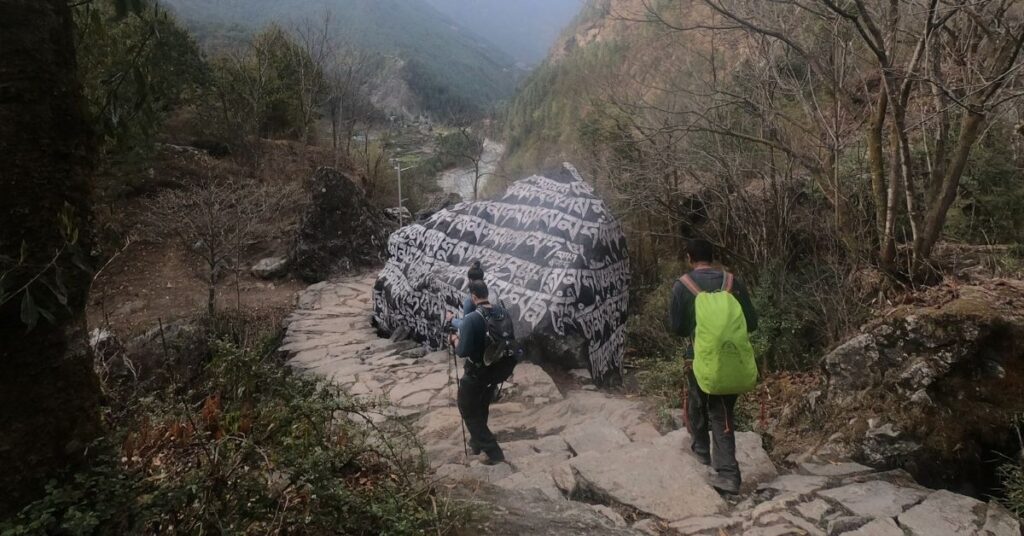
The trail to EBC is demanding and varied. You will encounter rocky paths, forest trails, and suspension bridges. You will also navigate steep, uneven steps and potentially icy sections near Gorak Shep. This terrain requires robust footwear. Good boots offer essential ankle support to prevent twists and sprains. They also provide a protective barrier against the elements.
Key Features Your Trekking or Hiking Boots Must Have
Choosing the right boots means looking for specific features. These elements work together to protect your feet and provide stability on the demanding EBC trail.
- Excellent Ankle Support: The trail is uneven and rocky. Mid or high-cut boots are essential to protect your ankles from twists and sprains, providing stability with every step you take.
- Waterproof Yet Breathable: Weather in the mountains changes fast. A waterproof membrane, like Gore-Tex, keeps your feet dry from rain, puddles, or snow, which is crucial for preventing blisters. At the same time, breathability allows sweat to escape, keeping your feet comfortable.
- Superior Traction (Outsole): Look for boots with deep, aggressive lugs on the outsole for a firm grip. A durable rubber compound, like a Vibram sole, offers excellent traction on slippery rocks and loose gravel, preventing falls.
- The Right Fit and Cushioning: Your boots must be comfortable. A good fit means no slipping at the heel and enough room to wiggle your toes. Proper cushioning absorbs the impact of walking on hard ground for hours, reducing fatigue in your feet and joints.
Best Trekking Boots for Everest Base Camp Trek
The best boots are sturdy, waterproof, and offer great support. Brands like La Sportiva, Salomon, Scarpa, and Merrell are trusted by trekkers worldwide for their reliability on tough trails.
While there is no single “perfect” boot for everyone, high-quality hiking boots from these brands are consistently proven performers in the Himalayas. Your choice should depend on your foot shape, budget, and personal preference after trying several pairs. The goal is to find a model that feels like a natural extension of your foot.
Best Brands and Models for EBC Treks
Here are some of the most recommended models that have proven their worth on the trail to Everest. These boots balance durability, comfort, and the key features needed for the trek.
- La Sportiva Nucleo High II GTX is a favorite among seasoned trekkers. It combines a durable nubuck leather upper with innovative Gore-Tex Surround technology for 360-degree breathability, which is a huge advantage on long treks.
- Salomon Quest 4 GTX is renowned for its sneaker-like comfort combined with the ruggedness of a backpacking boot. It’s a great option if you prioritize cushioning and a supportive yet agile feel on the trail. This is one of the most popular choices for a reason.
- Scarpa Zodiac Plus GTX is built for tougher conditions. It’s slightly stiffer than other models, offering superior stability and protection on highly technical or rocky sections. This is an excellent choice for trekkers who want maximum foot security.
- Merrell Moab 3 Mid WP offers incredible value. It’s known for being comfortable right out of the box, requiring minimal break-in time. While it may not be as durable as premium options, it is a reliable and affordable choice for the EBC trek.
| Boot Model | Best For | Key Features |
| La Sportiva Nucleo High II GTX | Overall Performance | Gore-Tex Surround, Vibram Nano sole, excellent breathability and traction. |
| Salomon Quest 4 GTX | Comfort & Stability | Contagrip® TD outsole, supportive chassis, great cushioning for long days. |
| Scarpa Zodiac Plus GTX | Rugged Durability | Suede upper, Gore-Tex lining, stiff sole for maximum support on rocky terrain. |
| Merrell Moab 3 Mid WP | Budget-Friendly Reliability | Vibram TC5+ outsole, good out-of-the-box comfort, a solid choice for beginners. |
For More Details on Where to Buy Hiking Gear? Check our Detailed Guide on the Best place to buy hiking gear in Nepal.
Hiking Boots vs Trekking Shoes: Which Works Better for EBC?
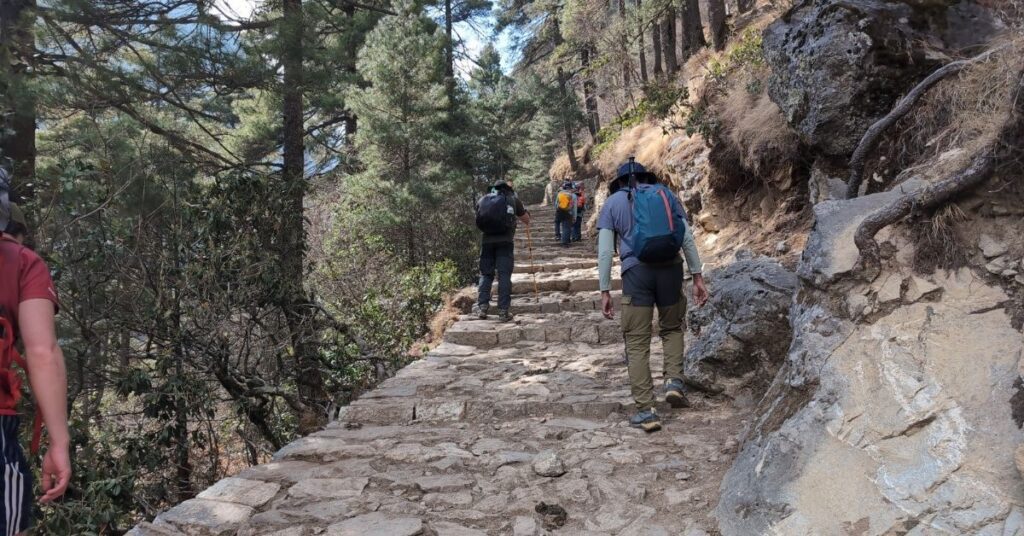
For the Everest Base Camp trek, traditional hiking boots are strongly recommended. They offer far better performance on this specific trail compared to lighter trekking shoes.
The rugged terrain and long distances demand the superior ankle support that only mid or high-cut boots can provide. Trekking shoes, while lighter, leave your ankles exposed and offer less protection from rocks and uneven ground, increasing the risk of injury.
Here’s a quick comparison to help you understand the trekking shoes vs boots Everest debate:
Hiking Boots
- Pros: Excellent ankle support, superior durability, better protection from rocks and weather, warmer for cold conditions.
- Cons: Heavier than shoes, require a longer break-in period.
Trekking Shoes (or Trail Runners)
- Pros: Lightweight and flexible, require little to no break-in time.
- Cons: No ankle support, less protection, less durable, not warm enough for higher altitudes.
While a few highly experienced trekkers might opt for trail running shoes, for the vast majority of people, the safety and stability of hiking boots are non-negotiable for EBC.
Do You Need Waterproof Boots for Everest?
Yes, you absolutely need waterproof boots for Everest. The weather in the Khumbu region is notoriously unpredictable.
You can experience four seasons in a single day. You will likely encounter wet trails from rain, small stream crossings, or melting snow, especially at higher altitudes. Wet feet are not just uncomfortable; they are a direct cause of blisters and can lead to dangerous heat loss in cold conditions. A waterproof membrane like Gore-Tex is a standard feature in most quality hiking boots for this very reason. It ensures your feet stay dry and warm, which is essential for a safe and enjoyable trek.
What Size Hiking Boots Should You Get?
You should buy hiking boots that are a half to a full size larger than your regular shoes. This simple rule is crucial for comfort on the trail.
Your feet will naturally swell during long days of walking. The extra space prevents your toes from hitting the front of the boot on descents, which is a common cause of pain and toenail damage. It also provides room for thicker trekking socks.
Tips for Sizing Your Boots
- Try Them on in the Afternoon: Your feet are at their largest later in the day. Shopping for boots in the afternoon or evening gives you a more accurate measurement of your foot size.
- Wear Your Trekking Socks: Always try on boots while wearing the exact type of hiking socks you plan to use on the trek. A thick sock can dramatically change the fit of a boot.
- Check for Toe Room: With the boot unlaced, slide your foot forward until your toes touch the front. You should be able to comfortably slip one finger between your heel and the back of the boot.
- Walk Around the Store: Spend at least 10-15 minutes walking around the store. If possible, use an in-store ramp to test how the boot feels on inclines and declines. Your heel should not lift excessively when you walk.
Breaking in Your Boots Before the Trek
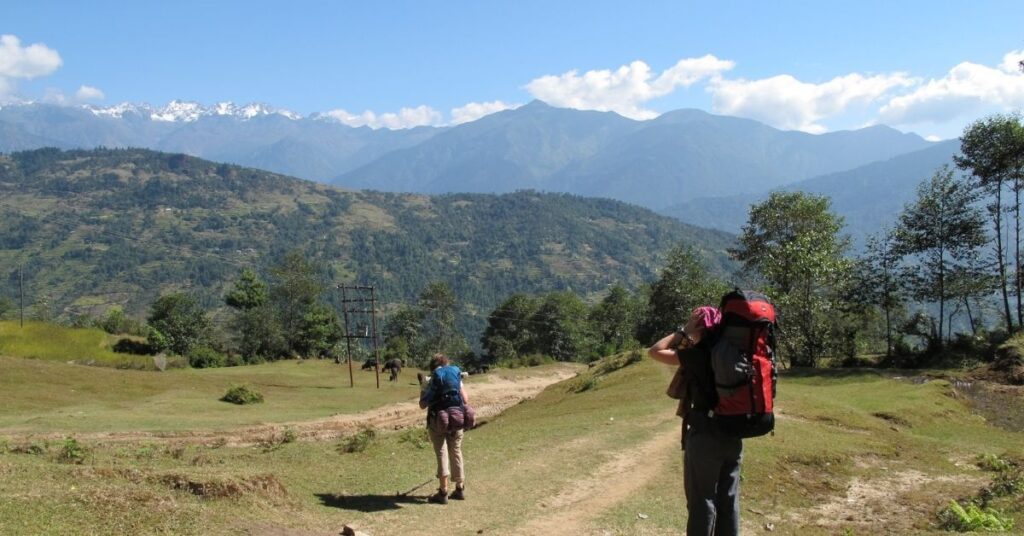
You must break in your new boots before arriving in Nepal. This process molds the boots to your feet and helps you identify any potential hot spots before they become a problem on the trail.
Never wear brand-new boots on the first day of your trek. Start the break-in process at least a month before your departure. This ensures maximum comfort and is the best way to prevent painful blisters from ruining your adventure.
Follow this simple timeline for breaking in boots:
- Weeks 1-2: Wear them around your house for a few hours at a time. This starts the molding process in a low-impact environment.
- Week 3: Wear them for short walks outside. Go to the grocery store, walk the dog, or take a stroll through a local park on paved surfaces.
- Week 4: Take them on proper hikes. Find a local trail with hills and varied terrain. Wear them for a few hours at a time, preferably with the same backpack and socks you will use on the trek.
Mistakes to Avoid When Choosing Trekking Boots for Everest Trek
Making the right choice is about avoiding common pitfalls. Many trekkers make preventable mistakes that impact their comfort and safety.
When choosing boots for the EBC trek, be sure to sidestep these common errors. A little extra care during the selection process pays huge dividends on the mountain.
- Buying Last Minute: This is the biggest mistake. It leaves you no time to properly break in your boots, which is a recipe for blisters and discomfort.
- Choosing Looks Over Function: The color and style of your boots are irrelevant. Focus solely on fit, support, and the key features required for the Himalayan trail.
- Ignoring the Fit: Do not buy boots online unless you have tried on the exact model in a store. An ill-fitting boot is the number one cause of foot problems on a trek.
- Getting the Wrong Type of Footwear: Do not mistake lightweight hiking shoes or trail runners for proper trekking boots. EBC demands the robust support that only a mid or high-cut hiking boot can provide.
- Forgetting About Socks: The best boots in the world can be ruined by bad socks. Invest in several pairs of high-quality merino wool trekking socks. They are essential for moisture management and blister prevention.
Hiking Boots for Everest Base Camp vs Climbing Mount Everest
It is important to understand the difference between footwear for trekking and for mountaineering. The boots for the Everest Base Camp trek are completely different from those used to climb the summit of Mount Everest.
EBC boots are flexible hiking boots designed for walking long distances over varied terrain. Everest summit boots are highly specialized, rigid, and heavily insulated double boots designed for extreme cold, ice climbing, and use with crampons. Confusing the two is a common mistake for newcomers. For the trek to base camp, you only need standard hiking boots.
FAQs
Do I need crampons for EBC trek?
No, you typically do not need crampons for the standard EBC trek. However, if you are trekking in the winter (December-February), a pair of light microspikes can be very useful for icy patches, especially over passes like the Cho La.
Can I rent boots in Kathmandu?
Yes, you can rent boots, but it is highly discouraged. Rented boots may not fit properly, might not be well-maintained, and have an unknown history. Investing in your own well-fitted and broken-in boots is crucial for your safety and comfort.
Are trail running shoes good for EBC?
For most people, no. While some elite trail runners might use them, they lack the ankle support, warmth, and durability required for the average trekker on the rocky EBC trail. Sturdy hiking boots are a much safer choice.
How many pairs of shoes should I carry?
You should carry two pairs of footwear. Your primary hiking boots for the trail and a lightweight, comfortable pair of camp shoes (like sandals, Crocs, or sneakers) to wear in the teahouses in the evenings. This lets your feet rest and your boots air out.
Walk Ready, Trek Easy – Let Mountain Routes Handle the Rest
Feeling overwhelmed with gear choices for your Everest Base Camp trek? The wrong boots can turn a dream trip into a daily struggle. At Mountain Routes, we take the guesswork out of preparation. Our expert-led journeys ensure you have everything you need for a safe, comfortable, and unforgettable adventure. Explore our different Everest region travel packages and start your journey with confidence today.





 Chat on WhatsApp