
Complete Packing List for Everest Base Camp Trek
The Everest Base Camp trek packing list includes essential gear, clothing, and accessories tailored for high-altitude trekking. You’ll need moisture-wicking base layers, an insulated down jacket, waterproof outerwear, trekking pants, and warm gloves. For footwear, you should have broken thermal socks and trekking boots. Be sure to pack a high-quality sleeping bag designed to withstand cold temperatures, as well as an insulated backpack. Trekking poles, a water purification device, and personal belongings like lipstick, sunscreen, and a first aid kit must be included in your packing list. Electronics, such as a headlamp battery charger and additional camera batteries, are vital in the trek.
The 14-day journey to Everest Base Camp takes you through diverse climate zones, from subtropical valleys to arctic conditions. Temperature variations can exceed 40°C between different elevations and times of day. Your packing strategy must account for these extreme conditions while maintaining a manageable weight.
Master Your Layering System: Essential Clothing for Extreme Altitude Trekking
The weather in the Himalayas is famously unpredictable, with temperatures fluctuating dramatically from a warm, sunny afternoon to a freezing, windy night. The layering device protects you from temperature swings, which could drop from 15°C for the duration of sunny afternoons to -15°C at night. Your garb choices directly affect your protection and luxury throughout the 14-day trek. The three-layer device is the muse of successful Himalayan hiking tools. Every layer serves an awesome feature: moisture management, insulation, and climate safety.
Base Layer Essentials for Moisture Management
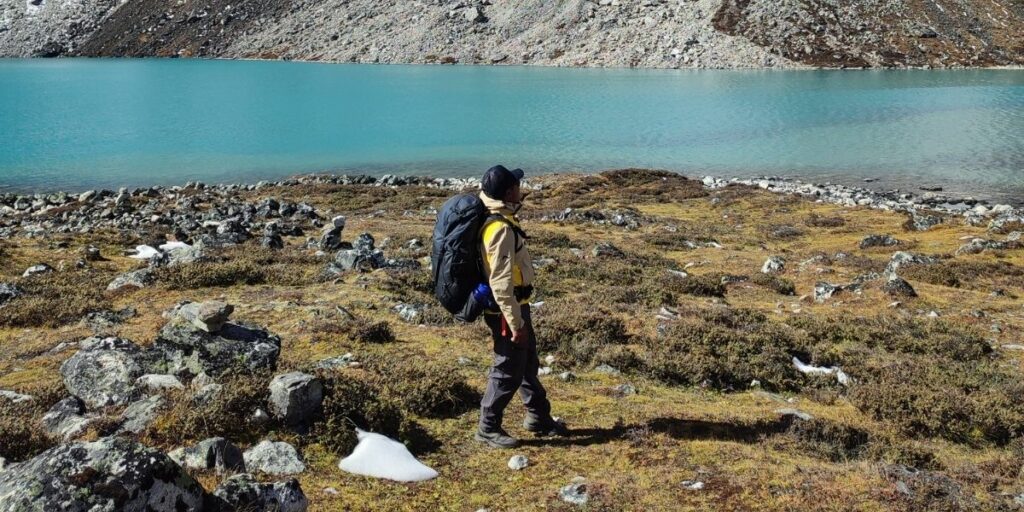
Your base layer is worn directly against your skin. Its primary job is to wick sweat away from your body to keep you dry. Staying dry is essential for staying warm, as moisture pulls heat away from you. You have to avoid cotton at all costs, as it absorbs moisture and stays wet, making you cold.
| Item | Quantity | Material | Purpose |
| Long-sleeve base layer tops | 2-3 | Merino wool/synthetic | Moisture management |
| Base layer bottoms | 2 | Merino wool/synthetic | Lower body warmth |
| Thermal underwear | 1 set | Merino wool/synthetic | Lower body warmth |
| Sports bras (for women) | 2–3 | Breathable, quick-dry | Supportive and seamless |
Insulation Layer Guide for Warmth Retention
Insulating layers trap heat and should be easy to remove during ascents. This is your warmth layer. This is crucial for maintaining your body temperature at higher altitudes.
- Mid-Layer Fleece: A mid-weight fleece or wool jacket is perfect for chilly mornings and evenings. It’s breathable and provides excellent warmth for its weight. (Pack 1)
- Puffy Jacket (Down or Synthetic): This is a non-negotiable piece of EBC trek gear. A high-quality down jacket offers the best warmth-to-weight ratio and is highly compressible. A synthetic insulated jacket is a good alternative, as it retains warmth better if it gets wet. This will be your go-to jacket at higher altitudes and in the evenings. (Pack 1)
- Trekking Pants: You’ll need 2 pairs of durable, comfortable, and quick-drying trekking pants. You have to look for pants made from a synthetic blend that offers some stretch. The best trekking pants for Everest base camp often have zip-off legs to convert into shorts for lower altitudes, but this is a personal preference.
Outer Shell Layer for Weather Protection
Shell layers provide your final barrier against wind, rain, and snow. Waterproof-breathable fabrics like Gore-Tex allow moisture vapour to escape while blocking external moisture. Your shell layer must withstand harsh Himalayan weather while maintaining breathability during strenuous activity.
- Waterproof jacket with fully sealed seams
- Waterproof pants with full-length zippers
- Reinforced areas at high-wear points
- Adjustable ventilation systems
- Compatible with underlying layers
Protect Your Extremities: Critical Gear for Hands, Feet, and Head

Extremities lose heat rapidly at high altitudes, making proper protection essential for safety and comfort. Frostbite risk increases significantly above 4,000 meters, particularly during early morning starts and windy conditions. Your hands, feet, and head require specialized gear designed for extreme mountain environments.
| Body Part | Primary Protection | Backup/Liner | Extreme Conditions |
| Head | Warm beanie | Lightweight cap | Face mask |
| Hands | Insulated gloves | Liner gloves | Mountaineering gloves |
| Feet | Hiking boots | Moisture-wicking socks | Insulated boots |
| Face | Sunglasses/sunscreen | Buff/neck gaiter | Ski goggles |
Choose the Right Footwear: Your Foundation for a 14-Day Mountain Adventure
You will be on your feet for 5-8 hours a day on a rocky, uneven trail. Your footwear is arguably the most important gear choice you will make. Investing in the best boots for the Everest base camp trek will prevent blisters, provide support, and keep your feet warm and dry.
Primary Hiking Boots: Features and Requirements
Your primary boots for EBC trek must be durable, comfortable, and reliable. Full-grain leather boots offer maximum durability but require extensive break-in periods. Synthetic boots dry faster and need less conditioning but may lack long-term durability.
- Ankle Support: You can choose mid or high-cut boots to protect your ankles from twists and sprains on uneven terrain.
- Waterproof: A waterproof membrane (like Gore-Tex) is essential to keep your feet dry from stream crossings, rain, or snow.
- Broken-In: Never take new boots on the trek. Buy them several months in advance and wear them on multiple hikes to break them in and ensure they are comfortable. This is the single best way to prevent blisters.
Camp Shoes and Recovery Footwear
After a long day of hiking, your feet will need a break from your heavy boots. You can pack a pair of lightweight shoes to wear around the teahouses in the evening.
- Lightweight camp shoes or sandals: Provide relief for your feet after a long day of hiking. Crocs or similar are good options.
- Down booties (optional): Excellent for keeping your feet warm in the sleeping bag or cold tea houses.
Sock System and Foot Care Essentials
Quality socks prevent blisters and provide cushioning for long days. Wool socks regulate temperature and resist odours better than synthetic options. Liner socks reduce friction and provide backup protection if your primary socks fail.
- Hiking Socks: Pack 4-5 pairs of wool or synthetic hiking socks. Merino wool is the best choice for its cushioning, warmth, and moisture-wicking properties.
- Liner Socks (Optional): Some trekkers wear a thin liner sock underneath their hiking socks to further reduce friction and wick moisture.
- Foot Care: Pack moleskin or blister plasters, antiseptic wipes, and a small roll of medical tape as a precaution.
Moisture management prevents most foot problems. You can change socks when they become wet from sweat or external moisture. Liner socks wick moisture away from feet while reducing friction against hiking socks.
Pack Smart: Backpack Selection and Organization for Long-Distance Trekking
Your backpack carries everything needed for 14 days in remote mountains. When choosing the right Mount Everest backpack, packing it efficiently makes a significant difference in your trekking experience. You will likely carry a daypack, with your main luggage carried by a porter.
Main Backpack Size and Features
This is the larger bag, often called a duffel bag or rucksack, that your porter will carry. It will contain the bulk of your gear, including your sleeping bag, extra clothes, and toiletries. Your primary pack should accommodate 12-15 kg of personal gear.
Essential Pack Features:
- The backpack should have a 65–75 litre capacity to carry all essential trekking gear.
- A padded, adjustable hip belt is necessary for proper weight transfer to your hips.
- An adjustable torso length suspension system provides load support and comfort.
- An integrated rain cover offers weather protection to keep your gear dry.
Daypack Requirements for Daily Hikes
This is the backpack you will carry every day. It should be large enough to hold your essentials for the day’s hike but small and light enough to be comfortable.
| Item | Details |
| Size | 25-35 liters is the perfect range. |
| Key Features | Comfortable shoulder straps, a hip belt to distribute weight, side pockets for water bottles, and an integrated rain cover. |
| Daily Contents | Water bladder/bottles, snacks, outer shell jacket, an extra insulation layer (fleece), sun hat, beanie, gloves, sunscreen, sunglasses, personal first-aid, camera, and hand sanitizer. |
Sleeping System for High Altitude Camping
While you will be sleeping in teahouses, they are unheated and can get extremely cold, especially at higher altitudes. A quality sleeping bag is not optional; it is a core part of your packing list for the Everest base camp.
Sleeping Bag Temperature Ratings and Essential Materials
Sleeping bag temperature ratings indicate manufacturer-tested comfort levels, but individual variations affect actual performance. It is essential to choose bags rated 10-15°C below expected minimum temperatures for safety margins. You can also consider a sleeping bag liner that adds extra warmth, keeps your sleeping bag clean, and is helpful for a bit of extra hygiene in the teahouses.
Temperature Rating Guidelines:
| Season | Minimum Rating | Recommended Rating | Fill Type |
| Spring (Mar-May) | -10°C | -15°C | Down/synthetic |
| Summer (Jun-Aug) | -5°C | -10°C | Synthetic preferred |
| Autumn (Sep-Nov) | -10°C | -15°C | Down/synthetic |
| Winter (Dec-Feb) | -20°C | -25°C | High-fill down |
Down-fill provides superior warmth-to-weight ratios but requires protection from moisture. Similarly, synthetic fills maintain insulation when damp but weigh more and compress less efficiently.
Navigate Safely Through the Himalayas: Essential Safety and Navigation Gear
Remote mountain environments present serious safety challenges requiring proper equipment and knowledge. Safety should always be your top priority. While you will likely be with a guide, carrying personal safety and navigation gear is a smart and responsible practice. Emergency situations develop quickly at high altitudes. Proper lighting, navigation, and communication tools can prevent minor problems from becoming life-threatening emergencies.
Lighting Systems: Headlamps and Backup Options
Reliable lighting proves essential for early morning starts, late arrivals, and emergency situations. LED headlamps provide hands-free illumination while maintaining long battery life in cold conditions.
- Primary Headlamp: Choose a quality LED headlamp with adjustable brightness settings.
- Backup: Pack extra batteries. A tiny backup light or using your phone’s flashlight in an emergency is also a good idea.
Weather Protection and Sun Safety Gear
High-altitude sun exposure increases dramatically due to the thin atmosphere and snow reflection. UV radiation intensifies 10-12% per 1,000 meters of elevation gain. Proper eye and skin protection prevents painful sunburn and potential snow blindness.
- Sunglasses: High-quality, 100% UV protection sunglasses are mandatory. Category 4 lenses are recommended. Wraparound styles are best to protect from glare off snow and ice.
- Sunscreen: SPF 50+ broad-spectrum sunscreen. Apply it liberally and often to all exposed skin.
- Lip Balm: Choose a lip balm with SPF 30+ to prevent your lips from getting chapped and burned.
Stay Healthy on the Trail: Personal Care and Medical Essentials
Health maintenance during 14 days of strenuous activity at extreme altitudes requires proactive care and proper medical supplies. Limited washing facilities, physical stress, and altitude effects challenge your body’s normal functions. Basic hygiene supplies and medical knowledge can prevent serious complications that might require evacuation.
First Aid and Medical Supplies
Your first aid kit must address common trekking injuries while remaining lightweight and comprehensive. You should focus on supplies that treat likely problems rather than every possible emergency. Personal medications require careful planning for a 14+ day supply plus extras for delays.
Wound care
- Items: Bandages, antiseptic, tape
- Purpose: Cuts and blisters
Pain/fever
- Items: Ibuprofen, acetaminophen
- Purpose: Pain and inflammation
Stomach issues
- Items: Antidiarrheal, electrolytes
- Purpose: Digestive problems
Altitude
- Items: Diamox, dexamethasone
- Purpose: Altitude sickness
Respiratory
- Items: Throat lozenges, decongestant
- Purpose: Cold symptoms
Altitude Sickness Prevention and Treatment
Altitude sickness affects most trekkers above 3,000 meters. Understanding symptoms and treatment options can prevent serious complications like cerebral or pulmonary edema. Mild altitude sickness symptoms include headache, nausea, fatigue, and dizziness, often manageable with rest and fluids. If symptoms worsen to severe headache, vomiting, or weakness, medical attention may be needed. Confusion, breathing difficulty, or loss of coordination signal a serious condition requiring immediate descent.
Prevention Strategies:
- Gradual ascent following the “climb high, sleep low” principle
- Adequate hydration (3-4 litres daily)
- Diamox (acetazolamide) as preventive medication
- Recognition of symptoms and appropriate response
Stay Connected and Powered: Electronics and Documentation for Remote Trekking
Modern electronics enhance safety and capture memories but require careful power management in remote locations. Limited charging opportunities and cold weather battery drain demand strategic planning for electronic devices.
Essential electronics serve safety functions first, with comfort and convenience items receiving lower priority. Your power budget must account for 14 days with intermittent charging opportunities.
Power Management and Charging Solutions
Cold weather reduces battery capacity by 30-50%, requiring larger power reserves and warming strategies. Charging opportunities exist in most villages but may be unreliable or expensive.
- 10,000–20,000mAh power bank
- Solar charger or multiple battery packs
- Universal travel adapter
Photography Equipment and Storage
The views are breathtaking, so you’ll want to capture them. Capturing memories requires weather-resistant equipment and adequate storage capacity. Cold weather, altitude, and harsh conditions challenge electronic equipment designed for normal use. Smartphone cameras often provide adequate quality while serving multiple functions. Dedicated cameras offer superior image quality but require additional weight and complexity.
- Weather-sealed camera bodies and lenses
- Extra batteries stored in warm pockets
- Memory cards with high capacity and backup storage
- Protective cases for transport and weather
- Lens cleaning supplies for dust and moisture
Important Documents and Money Management
Critical documents require protection from weather and loss while remaining accessible for checkpoints and emergencies. Digital backups provide security but may not be accepted by authorities.
Essential Documents
- Passport with Nepal visa
- TIMS (Trekkers’ Information Management System) card
- Sagarmatha National Park entry permit
- Travel insurance documentation
- Emergency contact information
- Medical information and prescriptions
Money Management
- Nepalese rupees in small denominations
- US dollars for emergencies
- Credit cards (limited acceptance)
- Money belt or hidden pouch
- Emergency cash reserves
Essential Everest Base Camp Trek Packing List by Season
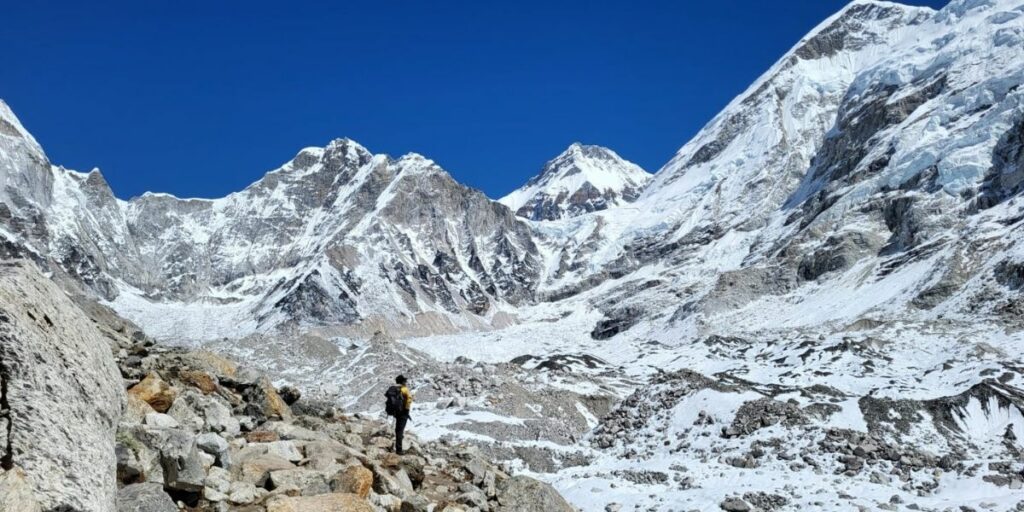
Seasonal variations dramatically affect gear requirements for the Everest Base Camp trek. When you understand these differences helps you pack appropriately while avoiding unnecessary weight or inadequate protection. Weather patterns in the Himalayas follow predictable seasonal trends, but extreme variations can occur within any season. Your gear selection must account for both typical conditions and potential extremes.
| Season | Key Conditions & Gear Focus |
| Spring (March-May) | Variable Weather: Pack layers you can easily adjust. A mix of medium insulation and lighter gear is ideal.
Intense Sun : Prioritize UV protection—high-SPF sunscreen, sunglasses, and a wide-brimmed hat are essential for your Everest Base Camp packing list in April. |
| Summer/Monsoon (June-August) | Wet Weather: This is the most critical factor. Your heavy waterproof gear (jacket, pants, pack cover, dry bags) is non-negotiable. Pack quick-dry materials and extra socks. Leech Protection : Leech-proof socks are recommended for lower elevations. |
| Autumn (September-November) | Ideal Conditions: This period has stable weather. Your standard gear, as listed above, is perfect. Clear Skies : Pack your best photography equipment, as views are typically crystal clear. This is the prime time for an Everest Base Camp packing list in October. |
| Winter (December-February) | Extreme Cold: This is a survival-focused trek. You need the warmest possible gear: heavy cold weather gear, including a -20°C to -30°C sleeping bag, expedition-weight down jacket, and insulated trekking pants.Freeze Prevention : Insulated water bottle holders are needed. Extended power backup is crucial as cold drains batteries fast. |
Expert Everest Base Camp Packing Tips and Strategies
A great packing list for Everest base camp is only half the battle. How you pack and prepare makes all the difference. Successful packing combines experience, planning, and proven techniques developed by thousands of previous trekkers. These strategies help you avoid common mistakes while optimizing your gear selection and organization for your EBC Trek preparation.
Weight Distribution and Pack Organization Techniques
Proper pack organization affects your comfort, balance, and ability to access gear efficiently. Weight distribution techniques reduce fatigue while maintaining stability on challenging terrain.
Pack Organization Principles
- Heavy items close to the back: Maintain a centre of gravity near your body.
- Use stuff sacks or packing cubes: Organize your gear and compress clothing to save space.
- Keep essentials accessible: Items you need frequently (water, snacks, rain gear) should be easy to reach.
Optimal Weight Distribution
| Pack Section | Item Type | Weight Distribution |
| Bottom | Sleeping bag, camp shoes | 20% of load |
| Middle | Heavy items (food, water) | 60% of load |
| Top | Light, bulky items | 15% of load |
| External | Frequently accessed items | 5% of load |
Gear Testing and Preparation Before Departure
Testing gear before departure identifies problems when solutions remain available. Breaking in boots, testing layering systems, and verifying equipment function prevent trail-side failures.
- Test Everything: Wear your boots on training hikes. Test your rain gear in the shower. Set up and use any new equipment to ensure it works and you know how to use it.
- Check for Wear and Tear: It is essential to inspect your existing gear for any damage and repair or replace it as needed.
Critical Testing Areas:
- Boot comfort over 15+ kilometre distances
- Layering system effectiveness in various conditions
- Pack weight and balance during loaded hikes
- Electronic device battery life and charging requirements
- First aid kit organization and accessibility
Shopping and Budget Planning for EBC Trek Gear
Quality gear represents a significant investment but prevents problems that could end your trek prematurely. Strategic shopping and budget allocation help you get essential items while controlling costs.
Budget Priority Framework
| Priority Level | Items | Budget Allocation | Compromise Strategy |
| Critical | Boots, sleeping bag, shell | 40% of budget | Never compromise |
| Important | Pack, insulation, base layers | 35% of budget | Mid-range acceptable |
| Useful | Electronics, accessories | 20% of budget | If you have a budget |
| Optional | Luxury items | 5% of budget | Skip if necessary |
Common Packing Mistakes to Avoid on the Everest Base Camp Trek
The packing mistakes can ruin your trekking experience to EBC. Learning from others’ mistakes saves time, money, and potential trek-ending problems. These common errors affect comfort, safety, and overall trek success.
- Packing Too Much: Remember that your porter has a weight limit (usually 10-15kg). Every extra item adds up. Be ruthless and leave non-essentials at home.
- Forgetting a Rain Cover: Do not rely on a “water-resistant” backpack. A dedicated rain cover for both your daypack and main pack is essential.
- Bringing Cotton Clothing: As mentioned, cotton is a major liability in the mountains. Leave all cotton t-shirts, jeans, and socks behind.
- Poor weight distribution: Improper packing causes fatigue and injury.
- Underestimating cold weather gear needs: Altitude amplifies cold exposure.
Final Packing Checklist and Last-Minute Preparations
Systematic final preparations prevent forgotten items and last-minute panic. This checklist ensures nothing critical gets overlooked during pre-departure excitement.
- Check the weather forecast: While unpredictable, it gives an idea of what to expect.
- Do a final gear check: Lay everything out and ensure you have all your Himalayan trekking essentials.
- Final pack weight check: Keep your pack under 12–15 kg for comfort and to meet porter weight limits.
- Financial Preparation: Carry enough local currency, as there are no ATMs beyond Lukla.
- Documentation and Permits: Double-check that you have your passport and Sagarmatha National Park permit.
FAQs
How much should my backpack weigh for the Everest Base Camp trek?
Your main pack (carried by the porter) should not exceed 15 kg (33 lbs). Your daypack, which you carry, should weigh between 5-8 kg (11-18 lbs), containing only your daily essentials like water, snacks, layers, and a camera.
What sleeping bag temperature rating do I need for the EBC trek?
A four-season sleeping bag with a comfort rating of -15°C to -20°C (0°F to -4°F) is highly recommended for all seasons except the peak of summer. This ensures you will be warm enough at the highest and coldest teahouses.
Can I buy or rent trekking gear in Kathmandu?
Yes, Kathmandu’s Thamel district has hundreds of shops where you can buy or rent almost every piece of gear on this list. Renting is excellent for high-cost items like down jackets and sleeping bags. However, it’s strongly advised to buy and break in your own hiking boots before you arrive.
How many pairs of socks and underwear should I pack?
Pack 4-5 pairs of quality hiking socks (wool or synthetic) and 5-7 pairs of moisture-wicking underwear. You can do small amounts of laundry in the teahouses at lower elevations, but they may not dry quickly higher up.
How do I pack for unpredictable Himalayan weather?
The key is the layering system. Ensure you have a moisture-wicking base layer, a warm insulating layer (fleece and puffy jacket), and a waterproof/windproof outer shell. This allows you to adapt to any condition, from a warm, sunny day to a cold, snowy afternoon, by simply adding or removing layers.
What can you expect from Mountain Routes?
Mountain Routes provides comprehensive support beyond just guiding. From your EBC trek packing list, essentials such as the Sagarmatha National Park entry fee, a first aid box, porter service (1 porter for 2 trekkers) to carry your main backpack (up to 15 kg), and a complimentary Mountain Routes T-shirt as part of your trekking gear.





 Chat on WhatsApp