

The Deadly Side of Annapurna: Uncovering the Risks
Are you drawn to adventure but worried about the fatal risks tied to the Annapurna mountain death rate? Many trekkers overlook the true danger of this Himalayan peak, located in central Nepal.
With roughly one climber dying for every three who stand on the summit, Annapurna holds a sobering record. A single misstep or a missed weather sign can mean the difference between standing on the summit and becoming another statistic in the mountain’s tragic history.
With a fatality rate higher than any other 8,000-metre peak, the Annapurna death rate continues to haunt even the most experienced climbers. Despite its jaw-dropping beauty, Annapurna remains one of the most feared names in mountaineering.
Many adventurers chase glory without realizing what makes Annapurna so lethal: steep technical climbs, unstable snowfields, and narrow weather windows. Understanding these dangers isn’t just useful; it could save your life. Whether you’re planning a climb, organizing a group expedition, or just being fascinated by extreme adventure, what follows will change the way you view this iconic Himalayan giant.
Annapurna’s Deadly Statistics: The Numbers Don’t Lie
Annapurna I (8,091 m) has a fatality-to-summit ratio of approximately 32 percent, which means about one in every three climbers who reach the summit does not return. Since 1950, more than 72 people have died on Annapurna, making it the deadliest of all 8,000-meter peaks.
While Annapurna I draws most of the attention, Annapurna II (7,937 m) is another peak in the range that carries significant danger. Though climbed less frequently, it presents technical rock and ice challenges, steep ridges, and exposure to objective hazards like icefalls and avalanches. However, due to its lower traffic, an exact death-to-summit ratio is not well established, though it’s understood to be high for its level of difficulty.
Even regions that appear more accessible, like the Annapurna Base Camp and the Annapurna Circuit trek, are not without risk. Trekkers may face acute mountain sickness (AMS), especially at high passes like Thorong La (5,416 m). Sudden snowstorms, rockslides, and altitude-related illnesses have claimed lives even below the 8,000-metre threshold. In 2014, a deadly snowstorm on the Annapurna Circuit led to over 40 deaths, underscoring that trekking in this region is not without its share of life-threatening conditions.
Annapurna’s Death Rate Compared to Other 8000m Peaks

Annapurna I has historically held one of the highest fatality-to-summit ratios among the fourteen 8,000-metre peaks. For a long time, it was considered the most dangerous, with a death rate of around 32% in its early climbing history. This means that for every three climbers who reached the summit, one died.
In recent years, with advancements in forecasting and gear, the rate has decreased but remains alarmingly high. Compared to Everest, which has a much lower death rate of around 4%, Annapurna’s fatality rate is significantly higher. Even K2, often referred to as the “Savage Mountain,” has a lower, though still substantial, fatality rate. This stark comparison highlights the exceptional dangers present in Annapurna.
How Many People Have Successfully Summited Annapurna?
The number of successful ascents of Annapurna is remarkably low compared to other Himalayan giants. As of early 2024, fewer than 400 people have stood on its summit. This is a fraction of the thousands who have summited Mount Everest.
The low number of successful climbs is a direct reflection of the extreme difficulty and danger associated with them. Many expeditions to Annapurna, a deadly mountain, have been forced to turn back due to treacherous conditions. The small community of climbers who have reached the top is a testament to the immense skill, luck, and favorable weather required for a successful attempt.
Risks Beyond the Summit: Annapurna II and the Circuit
The danger isn’t confined to Annapurna I’s summit push. The entire Annapurna massif, including other peaks and popular trekking routes, presents significant risks that contribute to the region’s hazardous reputation.
Annapurna II (7,937 m) is a formidable peak in its own right, with extreme technical challenges and avalanche dangers. While not as statistically deadly as Annapurna I, it remains a serious undertaking. More widely known is the Annapurna Circuit, which saw one of Nepal’s worst trekking disasters in 2014. A sudden snowstorm and series of avalanches claimed at least 43 lives, highlighting how unpredictable weather can affect even trekkers at lower altitudes.
Notable Annapurna Deaths and Their Impact on Mountaineering
Annapurna has claimed the lives of many world-class mountaineers, each incident serving as a sombre lesson for the climbing community. One of the most famous and tragic events was the death of Anatoli Boukreev, a renowned Kazakhstani climber, who was killed by an avalanche in 1997. His death sent shockwaves through the mountaineering world.
Another notable incident was the 2014 snowstorm disaster that resulted in the deaths of at least 43 people in the Annapurna region, though not all were on the main peak. This event highlighted the unpredictable nature of the weather and its devastating consequences. These Annapurna deaths have led to re-evaluations of safety protocols and a more profound respect for the mountain’s power.
Why Is Annapurna So Dangerous? Breaking Down the Lethal Factors

Several key elements combine to make Annapurna an exceptionally hazardous mountain. Its geography and climate create a perfect storm of objective dangers that climbers must navigate.
Understanding these specific lethal factors is crucial to comprehending the full scope of the risks. From its avalanche-prone slopes to the technical demands of the climb, each aspect contributes to why climbing Annapurna Mountain is such a perilous undertaking. These are not challenges that can be easily mitigated, making every ascent a high-stakes gamble.
Avalanche Zones: The Silent Killers
Annapurna is infamous for its vast and unpredictable avalanche zones. The mountain’s south face, in particular, is a massive, steep wall of ice and rock that is constantly shedding snow. This creates a high risk of large-scale avalanches that can sweep away entire sections of the route.
These avalanches are the primary cause of death on the mountain. They can be triggered by new snowfall, wind, or warming temperatures, making them difficult to predict. The sheer scale and frequency of these events mean that climbers are exposed to this danger for significant periods during their ascent and descent, making it a constant and terrifying threat.
Technical Climbing Challenges That Claim Lives
Beyond the avalanches, Annapurna presents formidable technical climbing challenges. The routes to the summit are steep and require a high level of skill in ice and rock climbing. Climbers must navigate treacherous icefalls, deep crevasses, and unstable seracs (large blocks of ice).
The south face is one of the most challenging climbs in the world, a near-vertical wall of over 3,000 meters. Even the more standard routes on the north face are technically demanding and exposed. The combination of difficult climbing at extreme altitudes is a lethal one, where a small mistake can have fatal consequences.
Weather Windows: When Nature Becomes the Enemy
The weather on Annapurna is notoriously fickle and can change with alarming speed. Short and unpredictable weather windows for summit attempts add another layer of difficulty. Climbers often have to wait for days or even weeks at high camps for a suitable opportunity to push for the top.
When a weather window does open, it can close just as quickly, trapping climbers in storms with high winds, heavy snow, and whiteout conditions. This was a major factor in the 2014 disaster. The pressure to move quickly during these brief windows can lead to exhaustion and mistakes, further increasing the risk.
Altitude-related dangers at 8,091 Meters
Like all 8,000-metre peaks, Annapurna exposes climbers to the life-threatening effects of extreme altitude. Above 8,000 meters, in the “death zone,” the human body can no longer acclimatize to the lack of oxygen. This leads to a rapid deterioration of physical and mental functions.
Climbers are at high risk of High Altitude Cerebral Edema (HACE) and High Altitude Pulmonary Edema (HAPE), both of which can be fatal if descent is not initiated immediately. The debilitating effects of altitude sickness, combined with the technical challenges and avalanche risk, create a deadly cocktail of dangers.
Comparing Annapurna to Other Deadly Peaks
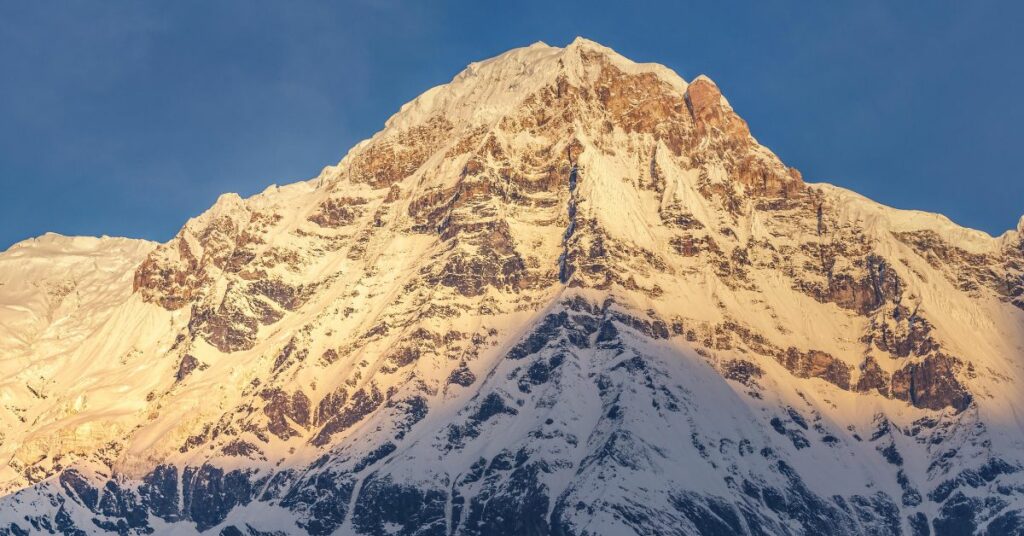
To put Annapurna’s dangers into perspective, it’s helpful to compare it to other notorious mountains. This comparison highlights the unique set of risks that make Annapurna stand out from the rest.
While other mountains may be higher or have sections that are technically more difficult, Annapurna’s combination of constant, objective hazards makes it a contender for the world’s most deadly mountain. Understanding how it compares to peaks like K2 and Everest provides a clearer picture of its fearsome reputation.
Annapurna vs. K2: Which Is More Dangerous?
K2, the world’s second-highest peak, is often cited as a more technically challenging climb than Everest. It features steep, exposed sections and the infamous “Bottleneck,” a narrow couloir overhung by a massive serac. However, in terms of the overall death-to-summit ratio, Annapurna has often been statistically more dangerous.
The key difference lies in the type of risk each mountain presents. K2’s danger is concentrated in specific technical sections, whereas Annapurna presents a more widespread and unpredictable threat. Its avalanche risk extends across much of the mountain, making it harder to manage or avoid. The constant risk of being swept away makes Annapurna a uniquely terrifying proposition for many climbers.
Also Read: Mount Everest vs K2: Which Mountain Stands Out?
Why Annapurna Is Deadlier Than Mount Everest
Mount Everest might be the highest mountain on Earth, but Annapurna is significantly more dangerous to climb. While Everest attracts thousands of climbers each year, its well-trodden routes are supported by fixed ropes, ladders, and highly skilled Sherpa teams. These factors help mitigate risks and have contributed to a significantly lower fatality rate, averaging around 1.5%.
Annapurna, in contrast, remains wild, remote, and unpredictable. Its south face presents steep, sustained technical challenges, and its avalanche-prone terrain makes every step a gamble. There are fewer fixed lines, less infrastructure, and narrower summit windows. The sheer unpredictability of snow conditions and weather systems makes Annapurna far riskier, even for experienced climbers.
Additionally, unlike Everest’s death zones, where logistics and rescue operations are more established, Annapurna offers fewer safety nets once climbers commit above Camp 2. That’s why, despite Everest’s altitude, Annapurna continues to hold the title of the most deadly mountain among the 8,000ers.
Here’s a breakdown of the comparison:
- Avalanche Risk: Annapurna’s danger is widespread and constant, with massive, unpredictable avalanches threatening large sections of the mountain. K2’s avalanche risk is also high but can be more localized to specific gullies.
- Technical Difficulty: K2 is technically harder, with sustained, steep rock and ice climbing, including the infamous “Bottleneck” couloir. Annapurna’s standard route is less technically demanding than K2’s, but its south face is among the hardest climbs in the world.
- Weather: Both mountains have extremely volatile and unpredictable weather.
- Fatality Rate: Historically, Annapurna has had a higher fatality-to-summit ratio. This suggests that while K2 might require more technical skill, Annapurna’s objective dangers are harder to mitigate and survive.
Modern Safety Measures and Risk Mitigation
Despite its deadly reputation, climbers continue to attempt Annapurna, aided by modern technology and a better understanding of the risks. These advancements have played a crucial role in improving safety.
While the inherent dangers of the mountain remain, the evolution of climbing technology, rigorous training, and the invaluable support of local experts have made a significant difference. These factors are essential for any team hoping to tackle this formidable peak and return safely. They represent the human effort to balance ambition with the overwhelming power of nature.
How Climbing Technology Has Evolved to Prevent Annapurna’s Dangers
Modern mountaineering has significantly benefited from technological advancements. Weather forecasting is now more accurate, enabling teams to predict summit windows more effectively and avoid storms. Communication equipment, such as satellite phones and personal locator beacons, has made it easier to call for help in an emergency.
Climbing gear has also become lighter, stronger, and more efficient. High-tech fabrics offer improved insulation against the cold, while enhanced ropes, harnesses, and ice-climbing tools increase safety on technical sections. While technology cannot eliminate the risks, it provides climbers with better tools to manage them.
Training and Preparation: What It Takes to Attempt Annapurna
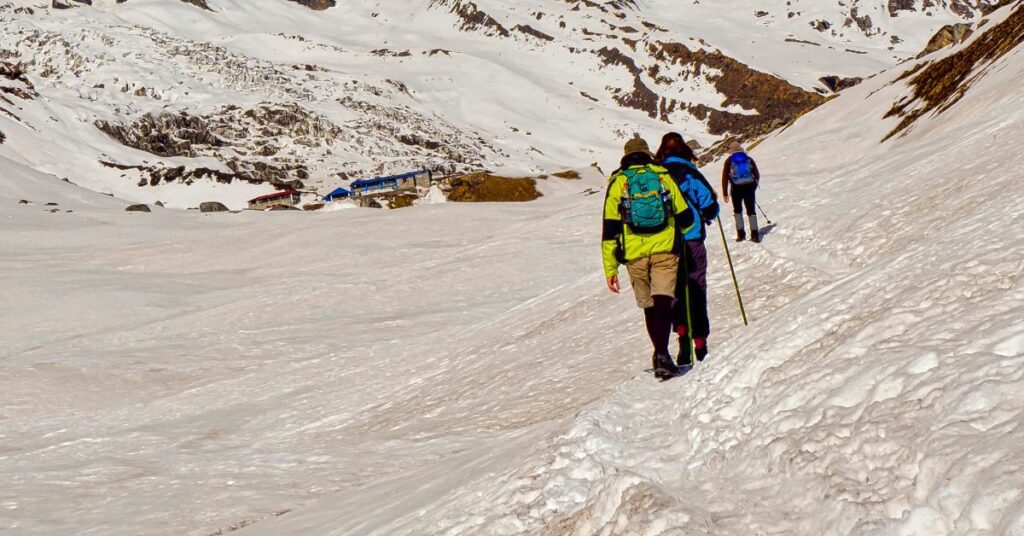
Attempting a peak like Annapurna requires an immense amount of physical and mental preparation. Climbers must have extensive experience on other high-altitude peaks, ideally on other 8,000-meter peaks. A rigorous training regimen focusing on cardiovascular endurance, strength, and acclimatization is essential.
Mental fortitude is just as necessary. Climbers must be able to make critical decisions under extreme pressure and cope with the fear and exhaustion that accompany such situations. The ability to know when to turn back is often the most essential skill of all. Proper preparation is a non-negotiable prerequisite for attempting this deadly mountain.
The Role of Sherpa Support and Local Knowledge
The support of experienced Sherpa climbers is invaluable on Annapurna. Their genetic adaptation to high altitudes and their deep knowledge of the Himalayan environment is a significant advantage. Sherpas are often responsible for fixing ropes, establishing camps, and guiding clients through the most dangerous sections.
Their expertise in reading the weather and snow conditions can be the difference between life and death. The strength and resilience of Sherpa teams are the backbone of most successful expeditions to Annapurna. Their role in mitigating risk cannot be overstated.
The Future of Annapurna Climbing: Trends and Predictions
Several evolving factors will shape the future of climbing on Annapurna. Climate change is already altering the Himalayan landscape, and new technologies and regulations will continue to influence how climbers approach the mountain.
These trends will likely have a significant impact on the Annapurna mountain death rate. While some changes may increase the dangers, others could lead to improved safety. Understanding these future developments is crucial to predicting how the challenge of climbing Annapurna will evolve in the years to come.
Climate Change Impact on Annapurna’s Danger Level
Climate change is having a profound effect on the Himalayas. Warmer temperatures are causing glaciers to melt at an accelerated rate, making icefalls and seracs more unstable. This could increase the frequency and unpredictability of avalanches on Annapurna.
On the other hand, warmer conditions could lead to more stable weather patterns in the short term, creating longer and safer climbing windows. The long-term impacts of climate change are still uncertain, but they will undoubtedly alter the nature of the risks on this deadly mountain.
New Safety Protocols and Regulations
In response to the high number of accidents in the Himalayas, the Nepalese government has been considering new regulations for climbers. These may include stricter experience requirements for those attempting peaks like Annapurna. There is also a growing emphasis on the use of certified guides and the importance of rescue insurance.
These new protocols aim to reduce the number of inexperienced climbers on the world’s most dangerous mountains. By ensuring that only well-prepared and well-supported teams are attempting these peaks, it is hoped that the number of Annapurna deaths can be reduced.
Technology’s Role in Reducing Annapurna Deaths
Technology will continue to play a vital role in the future of mountaineering. Drones may be used for route scouting and rescue operations. Advances in wearable technology could provide real-time data on a climber’s physical condition, helping to prevent altitude-related illnesses.
Improved materials and gear will continue to make climbing safer and more efficient. The combination of improved forecasting, effective communication, and advanced equipment will be crucial in the ongoing effort to mitigate the risks associated with climbing Mount Annapurna.
Final Judgment: Why Annapurna Rules the Death Zone
Annapurna’s reputation as one of the world’s most dangerous mountains is well-deserved. The combination of extreme avalanche risk, technical difficulty, and unpredictable weather creates a uniquely hazardous environment.
While the Annapurna death rate has seen some improvement with modern technology and expertise, it remains an unforgiving peak. The mountain demands the utmost respect and a level of skill and experience that few possess. Its place in mountaineering lore as a beautiful but deadly giant is secure. For those who dare to attempt it, Annapurna will always represent the ultimate test of climbing prowess and survival.
| Dreaming of climbing Annapurna but unsure how to handle its risks? Without expert guidance, the mountain’s challenges can quickly become life-threatening. MountainRoutes offers safety-first, high-altitude expeditions led by professionals. Book your safe and unforgettable Annapurna journey today. Contact the team. |
FAQ
Which is deadlier, K2 or Annapurna?
Historically, Annapurna has had a higher death rate than K2. While K2 is technically more difficult in certain sections, Annapurna’s constant and widespread avalanche danger makes it statistically deadlier for those who attempt it.
Why is Annapurna the hardest mountain to climb?
Annapurna is considered one of the hardest mountains due to a combination of factors. These include the extreme and unpredictable avalanche risk, technically demanding climbing on steep ice and rock, and volatile weather conditions.
Which is the mountain with the highest death rate?
Annapurna I has long been recognized as having one of the highest fatality-to-summit ratios among the 8,000-metre peaks, often making it the mountain with the highest death rate.
Why is Annapurna more dangerous than Mount Everest?
Annapurna is more dangerous than Everest primarily because of the objective hazards. The risk of large-scale, unpredictable avalanches is far greater on Annapurna than on the standard routes of Everest.
What are the main causes of death in Annapurna?
The main causes of death on Annapurna are avalanches, which account for the majority of fatalities. Other significant causes include falls, exposure to extreme weather, and altitude-related illnesses.
What are the other deadliest mountains in Nepal?
Besides Annapurna, other notably dangerous mountains in Nepal include Manaslu, Dhaulagiri, and Kangchenjunga. Each has a high fatality rate due to factors like avalanche risk, technical difficulty, and extreme weather.





 Chat on WhatsApp