
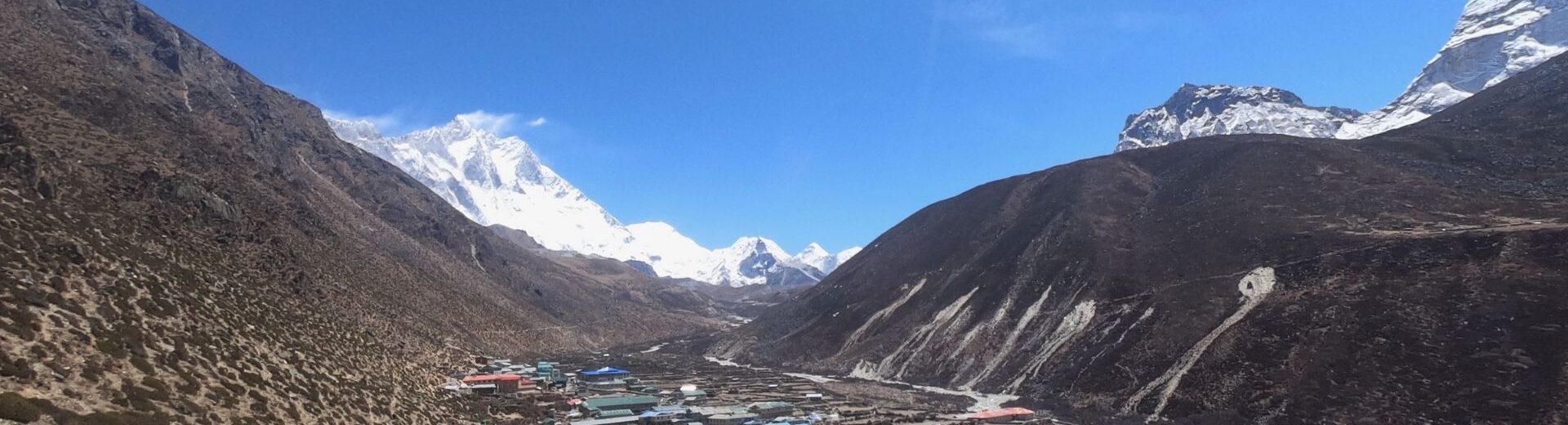
Dingboche on the Everest Trail: Why Trekkers Rest Here for Safe Acclimatization
Acclimatization at Dingboche fits well with the flow of the Everest route. The village sits at 4,410 meters, which is the right height for your second major rest on the trail. The air feels thinner here, but it is still safe enough for your body to adjust. Days are sunny, nights are cold, and the dry wind tells you that you have entered true high-altitude terrain.
The route to Dingboche comes after Tengboche, where the trail climbs past forests and old monasteries. After Dingboche, the path rises toward Thukla and Lobuche, which sit at much higher and colder ground. Which makes Dingboche the perfect place to take a break.
There are lots of lodges here to keep you warm and train your body for the thin air ahead. Furthermore, the village has wide space, steady sunlight, and many side trails that help you build strength before you move higher.
The Story Behind Dingboche: A Himalayan Village Shaped by Trails and Traditions
Dingboche village grew as a stop for yak herders and traders. Trails from the Imja Valley meet here, so the village became a natural resting point for travelers. Over time, trekkers also began to stop here because the height is ideal for acclimatization.
The land around Dingboche is dry and open. Strong winds shape the walls and homes. Locals use stone fences to protect their crops from the weather. These fields are important to daily life, and they give the village its unique look. Dingboche is peaceful, but it is also busy during trekking seasons. You see yaks, guides, porters, and trekkers moving through the valley each day.
The culture here reflects Sherpa values. Locals greet you kindly, offer warm meals, and share stories about the mountains. Dingboche is not only a rest stop. It is a place where traditions live through daily routines and simple mountain life.
How Trekkers Reach Dingboche on the EBC Route
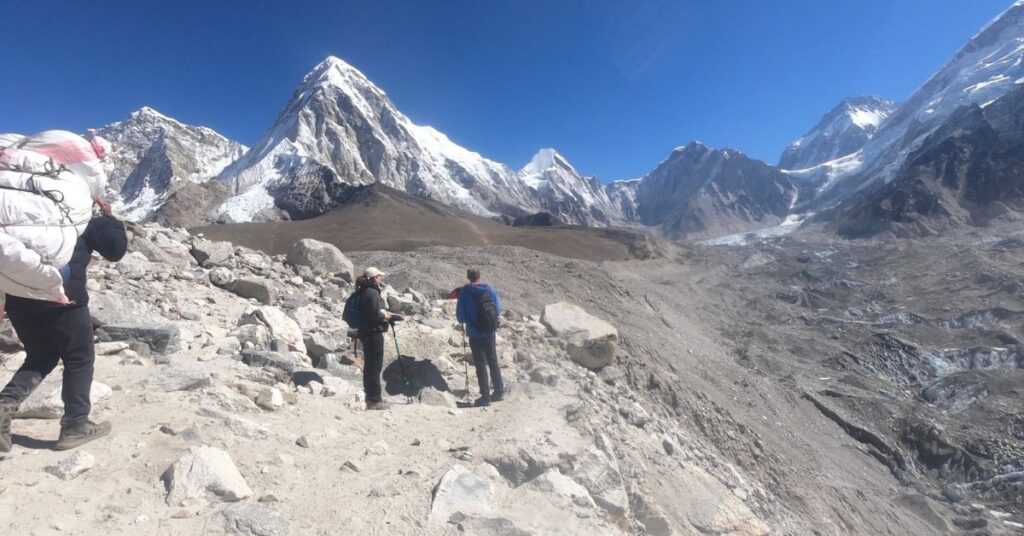
Trekkers reach Dingboche after several days of steady ascent on the EBC trek. The journey begins with a short flight to Lukla, followed by a walk through forests, rivers, and steep climbs.
Here is how the route unfolds:
- From Lukla, trekkers move to Phakding and follow the Dudh Koshi River.
- The next day brings a longer climb to Namche Bazaar, the main Sherpa town.
- After a rest day in Namche, trekkers walk toward Tengboche through forests and rhododendron slopes.
- From Tengboche, the trail drops to Deboche and then rises toward Pangboche.
- A final steady climb leads to Dingboche, where trekkers settle for acclimatization.
This route gives you a slow rise in height. The body gets time to adjust before reaching Dingboche. The journey also offers many views of Ama Dablam, Everest, and the long river valleys.
What Makes Dingboche the Ideal Acclimatization Stop at 4,410m
Dingboche is one of the best places for acclimatization on the Everest trail. The height is high enough to challenge your body, but not too high to create heavy stress.
The valley also gives space for side hikes, which help your lungs adjust to the thin air. Trekkers who spend a rest day at Dingboche handle the next climbs to Lobuche and Gorakshep much better. Which is why most guides and trek leaders plan a full acclimatization stop here.
Here are the main reasons Dingboche is a perfect stop:
- It offers safe sleeping altitude for a good recovery.
- It has many short hikes that raise your height for the day.
- The landscape is wide and sunny, which helps the body stay warm.
- Lodges provide warm food, rest, and comfort.
- The trail ahead rises fast, so Dingboche prepares you for that push.
Read the Full Guide on: EBC Trek Acclimatization
Acclimatization Hikes You Can Do From Dingboche
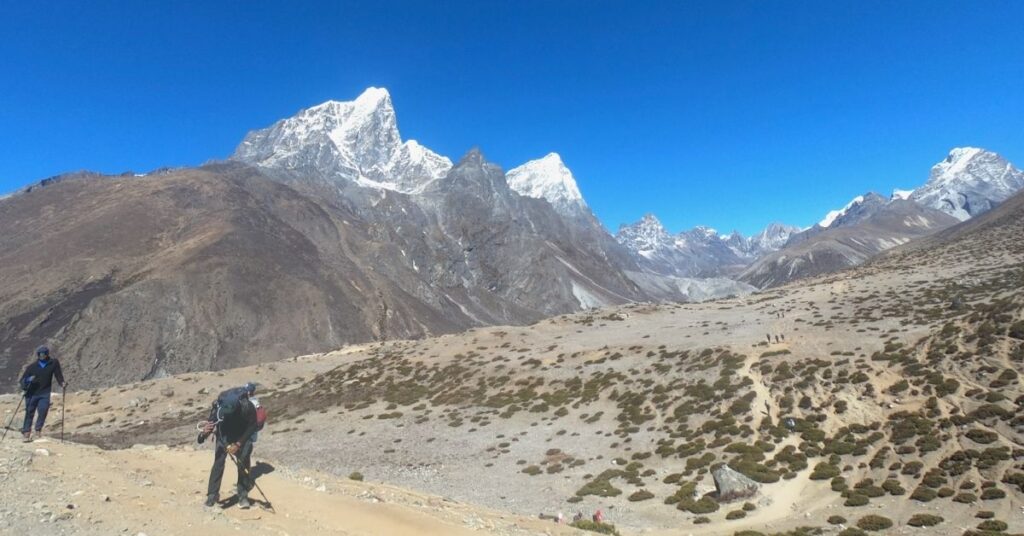
Dingboche sits at the center of the Imja Valley. The location gives access to several great hikes. These hikes help your body adapt to thin air while letting you enjoy stunning landscapes. Each hike has a different level of effort, so you can choose based on your energy.
The Climb to Nangkartshang Hill (Most Popular Acclimatization Hike)
Nangkartshang Hill rises right above Dingboche. The trail goes up from the start and feels steep, but it does not take long to reach the top points. From the ridge, you can see Ama Dablam, Makalu, and the Imja Valley. Most trekkers stop at a viewpoint between 4,900 and 5,050 meters.
The elevation in height gives a strong boost to your acclimatization. You go up fast, breathe thin air for a short time, and then return to Dingboche to sleep lower. This “climb high, sleep low” pattern helps your body adjust.
The trail is rocky, so slow steps work best. Many trekkers stop at the halfway ridge and still get good benefits. A steady pace and short breaks make this hike safe and useful.
Exploring Chukhung Valley
Chukhung Valley sits to the east of Dingboche. It is long, open, and gentle. The trail feels smooth and does not have sharp climbs. This makes it a good option for trekkers who want a soft acclimatization walk.
As you move up the valley, you see Ama Dablam, Lhotse, and Island Peak. The rise in height is slow, so your body gets time to adjust. You can walk as far as you feel okay.
Many trekkers reach Chukhung village, rest for a while, and then return to Dingboche. The calm path, open views, and easy pace make this valley a peaceful place to train your lungs without pushing too hard.
Chukhung Ri (For Strong Trekkers)
Chukhung Ri is the hardest acclimatization hike from Dingboche. The climb is steep, and the air gets thin very fast. The summit sits above 5,500 meters, so you must feel strong before you try it. Trekkers choose this climb to prepare for the higher parts of the Everest trek.
The steep rise helps your lungs and legs adjust in a short time. The views from the upper ridge are large and clear. Peaks and glaciers stand close on every side. A climb to Chukhung Ri gives you deep acclimatization and builds confidence for the days ahead.
Trekkers who finish this hike return to Dingboche with better energy for the next stage of the trail.
Side Trips You Can Add If Time Allows
If you have extra time or feel comfortable, you can add other short hikes. These small trips keep your body active without adding too much strain. They also help your legs stay ready for the next stages of the trek.
- Visits to small villages like Pheriche.
- Walks along the Imja River.
- Short ridge hikes above Dingboche for sunset views.
Practical Reasons Trek Leaders Choose Dingboche for Acclimatization
Trek leaders plan the Everest trek with safety in mind. Dingboche fits the needs of most trekkers because it gives the best mix of height, comfort, and access to side trails.
Here are the practical reasons why leaders choose Dingboche:
Perfect Sleeping Elevation for EBC Success
Sleeping at 4,410 meters is ideal for acclimatization. This height is high enough to challenge your body but not high enough to cause heavy stress. It also prepares you for the next sleeping points at Lobuche and Gorakshep. A night in Dingboche improves your breathing and gives your body a steady rise in comfort.
Weather Conditions That Help Adjustment
Dingboche sits in an open valley with good sunlight. Warm days help your body stay relaxed. Clear air makes breathing easier. The village also gets strong winds that keep the air fresh and dry. These conditions support adaptation and reduce common discomforts.
Trekker Psychology
Trekkers often feel more confident in Dingboche. The village is big and open, and the views lift your mood. The place feels safe because it has many lodges and other trekkers around. When your mind feels stable, your body also adjusts better. The calm environment helps you rest without stress.
What Dingboche Offers: Lodges, Food, Facilities, and Trekker Services
Dingboche is well-known for its good lodge options. The rooms are basic, but they are clean and comfortable. Almost every lodge offers warm blankets, hot meals, and a dining hall with a stove.
Here is what you can expect:
- Lodges: Simple rooms with twin beds.
- Meals: Dal bhat, noodles, soups, pancakes, tea, and warm drinks.
- Shops: Small shops that sell snacks, warm layers, gloves, and basic items.
- Charging: Almost all lodges offer charging for a small fee.
- Wi-Fi: Internet is available, but it may be slow on busy days. You will have to pay extra for this service.
- Health posts: Nearby Pheriche has a major altitude clinic.
Weather and Best Time to Visit Dingboche
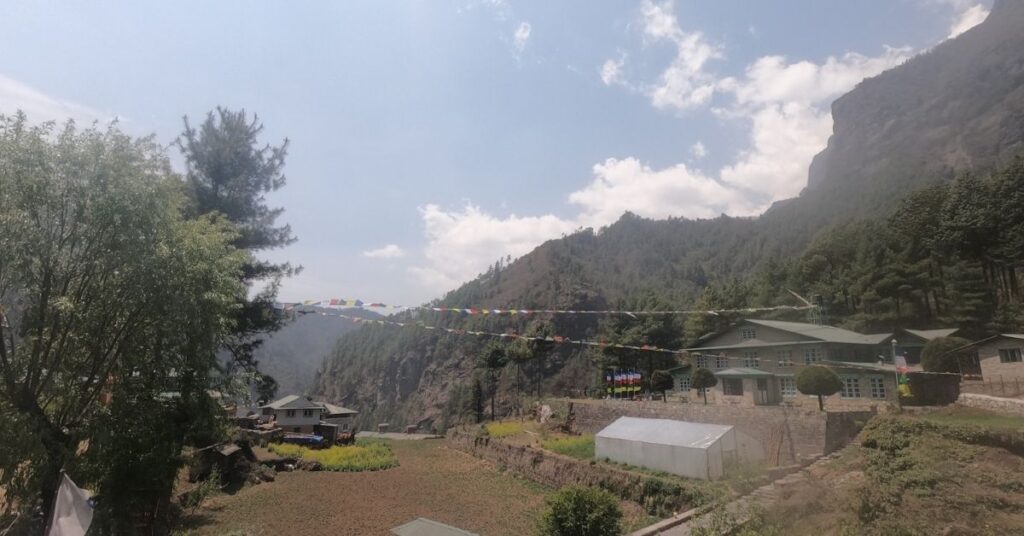
Dingboche sits high in the Imja Valley, so the weather changes fast. The days can feel warm when the sun is strong, but the wind makes the air cold. Nights are always chilly, even in peak trekking seasons. Knowing the weather helps you prepare for safe acclimatization and comfortable sleep.
Spring in Dingboche (March–May)
Spring brings calm weather and clear skies. Days are sunny, so you feel warmer during hikes. Nights remain cold, but the air is stable. This season offers great visibility of Ama Dablam and the Imja Valley. Trails are dry, which makes walking easy. Trekkers enjoy spring because the climate supports smooth acclimatization.
Autumn in Dingboche (Sept–Nov)
Autumn is the most popular season on the Everest trail. The sky is clear, and the views are sharp. Days are cool, and there is little rain. The sun offers mild warmth, and the dry air helps your body adjust. The evenings are cold but not extreme. Most trekkers choose this season for its steady weather and comfortable hiking conditions.
Winter and Monsoon
Winter is cold and windy. Temperatures drop below freezing at night. The trail becomes quiet because fewer trekkers visit. The views are clear, but the cold affects comfort and sleep. Only strong trekkers with proper gear travel in winter.
Monsoon brings rain to lower regions and clouds to higher points. The trail becomes wet and slippery. Views are limited, and the weather shifts fast. Dingboche sees fewer trekkers during this period. Monsoon is not ideal for acclimatization because the air feels heavy and damp.
The Role of Dingboche in Completing the Everest Base Camp Trek Safely
Dingboche plays a key role in the EBC journey. The trail ahead rises fast, so your body needs a strong base before you move higher. A rest day here reduces the risk of altitude problems at Lobuche, Gorakshep, and Everest Base Camp. Here is how Dingboche supports your safety:
- It prepares your lungs for the thin air above 5,000 meters.
- It reduces the risk of dizziness, headaches, and breathlessness later.
- It gives you space for side hikes that boost adaptation.
- It lets you reach higher spots with confidence.
- It offers warm food and calm sleep for recovery.
Common Mistakes Trekkers Make in Dingboche and How to Avoid Them
Many trekkers feel strong when they reach Dingboche, but the height can be tricky. Simple mistakes in this village can affect the next days of the trek. Some of the common mistakes that trekkers make and how here is how they can avoid them:
- Not doing any acclimatization hike: Resting all day slows adaptation. A short hike raises your oxygen use and helps your body adjust.
- Walking too fast during side hikes: Fast steps increase heart rate. Slow climbing helps your body stay steady.
- Not drinking enough water: Dry air makes you lose moisture faster. Drink warm water often throughout the day.
- Sleeping late: Poor sleep affects your energy. Go to bed early to recover well.
- Eating light meals: Your body needs more fuel at this height. Warm meals with carbs help you stay strong.
- Ignoring mild symptoms: Small symptoms show early stress. Rest and hydrate instead of pushing harder.
Dingboche vs. Other Acclimatization Spots on the EBC Route
Several villages along the Everest trail can be perfect for rest. But each one offers a different height and level of comfort. A clear comparison helps you see why Dingboche works best for the second acclimatization break.
| Location | Height | Best For | Why It Falls Short |
| Namche Bazaar | 3,440 m | First acclimatization day | Too low for the second rest day on the route |
| Tengboche | 3,867 m | Scenic overnight stop | Limited hikes and not high enough for strong training |
| Pheriche | 4,260 m | Recovery and medical help | Lower than Dingboche and gives less altitude gain |
| Lobuche | 4,940 m | One-night stop before Gorakshep | Too high for a rest day and often causes symptoms |
| Dingboche | 4,410 m | Main acclimatization break | Good height, warm sun, and many side hikes |
Why Dingboche Stands Out
Namche Bazaar works well for the first acclimatization day, but it sits too low for the second rest on the way to Everest Base Camp. Tengboche is beautiful, yet it does not offer high trails for proper altitude exposure. Pheriche is helpful if you feel unwell, but the height is not ideal for training your body. Lobuche is high and cold, and many trekkers feel sick if they stay there too long.
Dingboche sits at the right height, has wide space, and offers many side hikes. These features give your body the exact level of stress it needs to adjust in a safe way. This is why most trek leaders choose Dingboche as the main place for the second and most important acclimatization break.
Why Dingboche Makes Your Everest Journey Possible
Dingboche is the spot that prepares you for the toughest days of the Everest Base Camp trek. The height challenges your body, but the village gives you everything you need to adjust. Warm food, simple lodges, open views, and strong side hikes make this spot ideal for acclimatization.
When you rest here, your body gets time to adapt. You walk ahead with more confidence and better health. A safe climb to Everest Base Camp depends on the steps you take in Dingboche. With the right pace and good habits, this village becomes the turning point of your journey in the Himalayas.





 Chat on WhatsApp