Do I Need Altitude Medication for EBC, ABC, or Other Treks?
The trekking paradise of Nepal continues to face serious altitude-related challenges. From Everest Base Camp to Annapurna and even shorter treks like Mustang, altitude sickness is a risk every trekker should prepare for. That’s where altitude medication like Acetazolamide (Diamox) and Zolomide often comes into play.
According to Rising Nepal, 13 tourists lost their lives in Mustang due to altitude sickness in the past year alone. This is a clear reminder that high elevation is not something to take lightly, no matter how experienced you are.
Altitude medication can support your journey when used correctly. But it’s not a replacement for proper acclimatization, hydration, and pacing.
Let’s take a closer look at the medicines most commonly recommended for trekking in Nepal.
Is Diamox or Altitude Medicines Necessary for the Everest Base Camp Trek or Other Nepal Treks?
Altitude medicine, like Diamox and Zolomide, is often discussed when planning treks to high-altitude routes. Whether or not it’s necessary depends on how your body reacts to the elevation and how well you prepare for the altitude gain.
The oxygen level drops as you gain altitude, a condition known as hypoxia. While the human body can adapt up to elevations around 5,200 meters, the process takes time. Below 2,750 meters, the effects are mild for most trekkers. But as you move higher, especially above 3,000 meters, the risk increases.
The first 3 to 5 days at altitude are critical. This is the period when your body needs to adjust. Without proper acclimatization, you may experience symptoms of Acute Mountain Sickness (AMS), or worse, High Altitude Pulmonary Edema (HAPE) or High Altitude Cerebral Edema (HACE). In such cases, altitude medicine can help prevent complications or ease the symptoms early.
Check Full List of Alternatives of Diamox for Altitude Sickness.
Common Altitude Medicines and Their Use in Nepal Treks
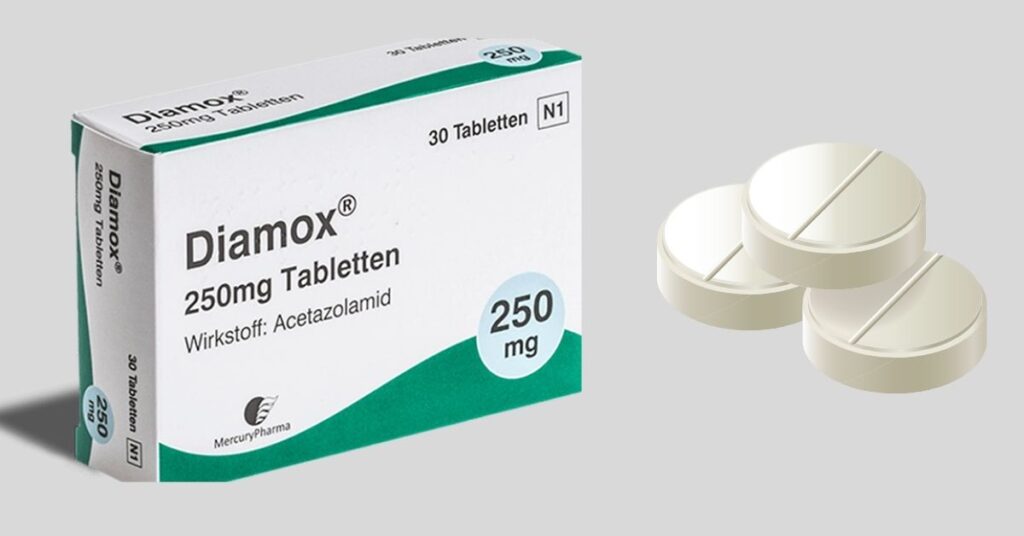
- Acetazolamide (Diamox)
This is the most widely recommended medicine for preventing AMS. It helps by increasing your breathing rate, which supports oxygen absorption. Diamox is usually available in 125 mg or 250 mg tablet form, but is often hard to find in Nepal, so it’s best to bring it from your home country. - Zolomide (Nepal’s version of Diamox)
Zolomide is the locally available alternative to Diamox and contains the same active ingredient, Acetazolamide. You’ll find it in pharmacies in Kathmandu or Pokhara, typically in tablet form. Always buy it from a reputable pharmacy and check the packaging for expiry. - Dexamethasone
This is a powerful steroid used in emergency situations like HAPE or HACE. It reduces inflammation and brain or lung swelling, but should only be taken under medical supervision. In Nepal, it’s available in both tablet and injectable form, usually in expedition or rescue kits. - Ibuprofen or Paracetamol
These common over-the-counter medicines help with headaches, fever, and minor body pain caused by altitude stress. They are not altitude medications but can offer relief during acclimatization. Both are widely available across Nepal in tablet form. - ORS (Oral Rehydration Salts)
ORS helps maintain fluid and electrolyte balance, especially when you’re losing water through exertion or mild illness. In Nepal, ORS is available in small packets at pharmacies, teahouses, and trekking shops. It’s a good idea to carry 3–5 sachets in your pack.
Altitude Sickness on Nepal Treks: Symptoms and Prevention
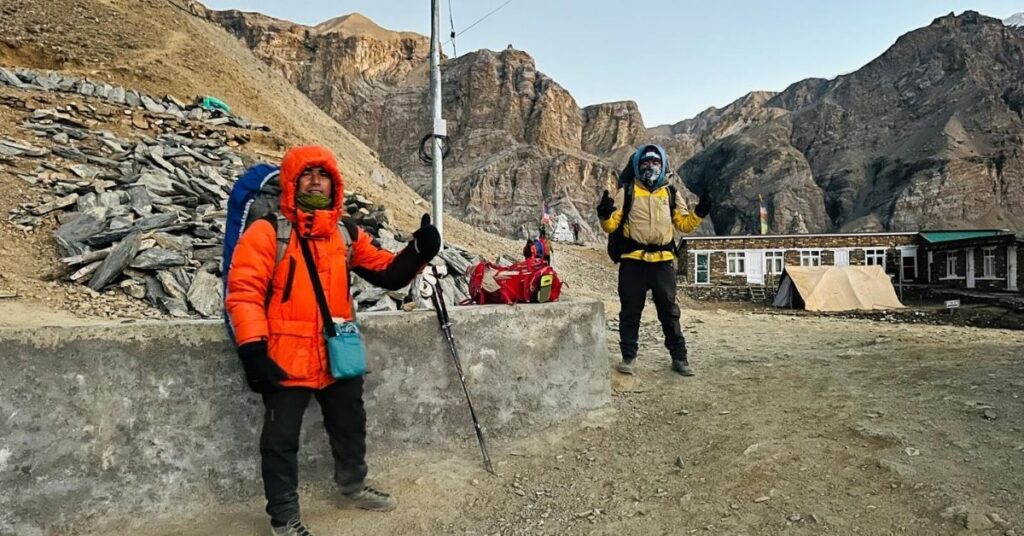
Altitude sickness, also called Acute Mountain Sickness (AMS), can affect anyone trekking above 3,000 meters. It usually starts within the first 24–48 hours at high elevation. The most common symptoms include:
- Headache (often the first sign)
- Dizziness or light-headedness
- Loss of appetite
- Nausea or vomiting
- Trouble sleeping
- Shortness of breath during rest
If left untreated, AMS can develop into serious conditions like High Altitude Pulmonary Edema (HAPE) or High Altitude Cerebral Edema (HACE). These are life-threatening and need immediate descent and medical help.
How to Prevent Altitude Sickness During Trekking
- Ascend slowly, follow the rule of gaining no more than 500 meters per day after 3,000m
- Take acclimatization days (especially at places like Namche or Dingboche)
- Stay hydrated (drink 3–4 liters of water daily)
- Avoid alcohol, smoking, and sleeping pills
- Eat light, warm meals and maintain steady energy levels
- Recognize symptoms early and rest instead of pushing ahead
For a full breakdown on symptoms, risk elevations, and safe trekking practices, visit our guide on how to handle altitude sickness in Nepal trek.
Common Side Effects of Diamox, Zolomide and Other Trekking Medicines
There has been frequent misuse of altitude medication due to the false belief that it causes no side effects. While these medicines are generally safe when used properly, taking them without medical guidance can lead to problems. Most side effects are mild and temporary, but trekkers should still understand the risks before using them on the trail.
Common side effects include:
- Tingling in fingers or toes
- Frequent urination
- Drowsiness or light-headedness
- Nausea or mild stomach discomfort
- Dry mouth or altered taste, especially with carbonated drinks
Below is a summary of common medicines used during treks in Nepal and their potential side effects:
| Medicine | Purpose | Common Side Effects | Availability in Nepal |
| Acetazolamide (Diamox) | Speeds up acclimatization and prevents AMS | Tingling in hands/feet, frequent urination, metallic taste, nausea, mild dizziness | Rare; best to bring from your home country |
| Zolomide | Local version of Diamox with the same function | Similar to Diamox: tingling, urination, altered taste, drowsiness | Available in Kathmandu and Pokhara (reputed stores) |
| Dexamethasone | Emergency treatment for HAPE or HACE | Mood swings, increased appetite, stomach irritation, restlessness | Prescription only; carried by expedition doctors |
| Ibuprofen / Paracetamol | Relief from altitude-related headache or body pain | Stomach upset, dizziness, allergic rash (rare) | Easily available in all trekking hubs |
| ORS (Oral Rehydration) | Replaces fluid and electrolytes to prevent dehydration | Bloating, slight nausea if taken in excess, unpleasant taste | Widely available in trekking shops and pharmacies |
The real concern isn’t the medicine, it’s how it’s used. Most side effects are mild and manageable, but problems arise when trekkers rely too heavily on pills instead of focusing on proper acclimatization.
Use altitude medication as a support tool, not a shortcut. Combine it with smart pacing, hydration, and rest to make your high-altitude journey safer and more rewarding.
Medication Mistakes to Avoid on Treks Like EBC, Annapurna, and Langtang
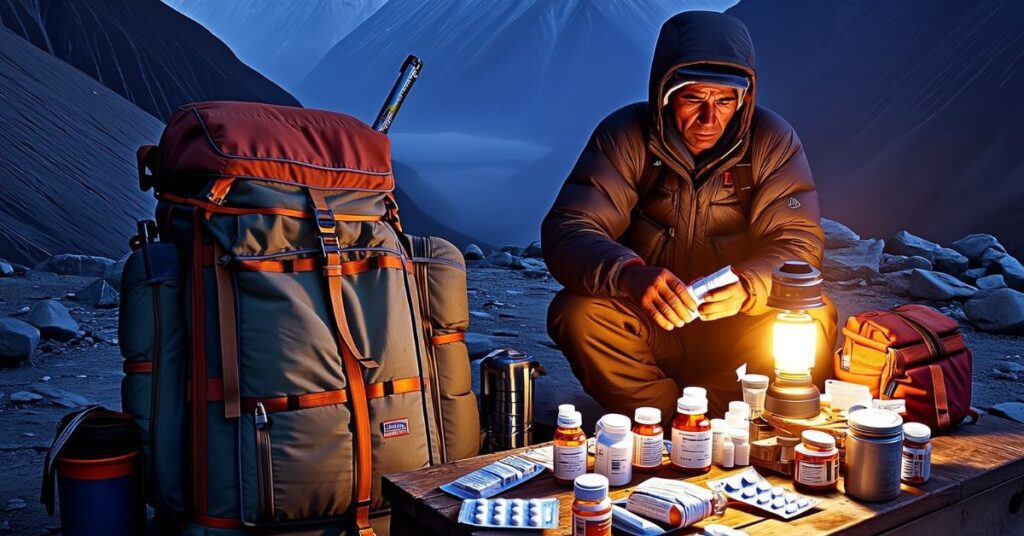
Altitude medication can support your trek, but misuse often leads to avoidable issues. Many trekkers, especially first-timers, place too much trust in pills while ignoring the importance of proper acclimatization and pacing.
One of the most common mistakes is overusing Diamox or Zolomide. Some trekkers take a full 250 mg dose immediately without consulting a doctor. This can lead to side effects like dehydration, dizziness, or tingling in the hands and feet. The recommended preventive dose is 125 mg twice a day, typically started 24 to 48 hours before reaching elevations above 3,000 meters.
Another mistake is treating medication as a shortcut. Rushing through the trek, skipping acclimatization days, and depending on pills to avoid altitude sickness can cause serious problems. Medicines like Ibuprofen may dull the symptoms, but they won’t solve the root issue if your body is not adjusting properly.
Some trekkers also make the error of mixing medications, combining antibiotics, painkillers, and altitude pills without professional advice. This reduces effectiveness and raises the chance of unwanted reactions.
To avoid these mistakes:
- Only take altitude medication with proper medical advice
- Stick to the prescribed dose and schedule.
- Never ignore rest days or push through serious symptoms
- Drink enough water, eat well, and check in with how you feel each day
- Follow natural remedies, smart trekking, and proper acclimatization
Natural Remedies and Common Practices for Altitude Relief
While medication can help, many trekkers rely on natural methods to adjust to altitude. These practices, when combined with proper preparation, can support your body’s ability to adapt safely at higher elevations.
Some of the most effective natural remedies include:
- Eating iron-rich foods that support oxygen transport
- Following a proper acclimatization schedule
- Staying hydrated and avoiding dehydrating substances
- Doing pre-trek endurance training
- Eating warm, light, and high-carb meals throughout the trek
- Resting wisely while staying lightly active during acclimatization days
Eat the Right Iron to Support Acclimatization
Iron is essential for creating hemoglobin, the molecule that carries oxygen in red blood cells. At high altitude, your body must work harder to deliver oxygen to tissues, and low iron levels can impair this process.
According to the Wilderness Medical Society, heme iron (from animal sources) is absorbed better than non-heme iron (from plant-based sources). If you’re trekking at high elevation, increasing heme iron in your diet before and during your trek may support better oxygen use.
Best heme iron foods:
- Red meat (beef, lamb)
- Chicken liver or beef liver
- Fish and shellfish
Best non-heme iron foods (pair with Vitamin C for absorption):
- Spinach, lentils, chickpeas, tofu
- Fortified cereals and grains
- Pumpkin seeds, quinoa, dried apricots
If you are already iron-deficient, speak with a doctor. Iron supplements should be taken only under medical supervision to avoid overloading the body.
Follow a Structured Acclimatization Schedule
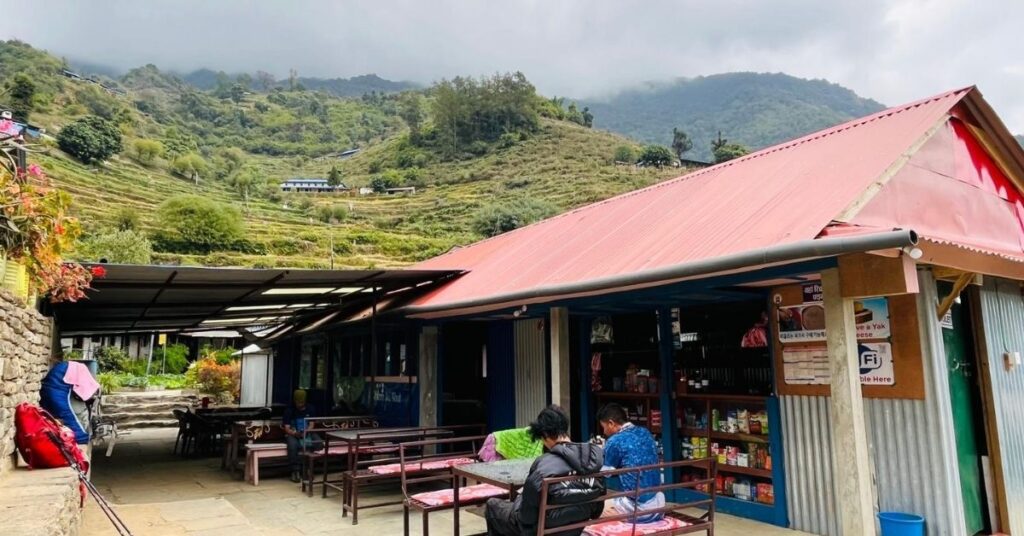
Acclimatization is the body’s natural process of adjusting to high altitude, and it cannot be rushed. Treks like EBC or Annapurna Base Camp often include rest days at key spots like Namche Bazaar or Dingboche. These days are not wasted; they give your system time to build red blood cells and improve oxygen delivery.
It’s important to limit altitude gain to no more than 500 meters per day once you’re above 3,000 meters. On rest days, stay lightly active by hiking to a higher spot and returning to sleep lower. This technique, often called climb high, sleep low, helps improve your body’s tolerance to elevation.
Exercise Before the Trek for Better Oxygen Use
While fitness won’t prevent altitude sickness, a strong heart and lungs can help your body use available oxygen more efficiently. Start training 4–6 weeks before your trek with:
- Cardio exercises like jogging, hiking, or cycling
- Stair climbing with a loaded backpack
- Breathing exercises and deep diaphragm training
Avoid overexertion during the trek itself. Fitness helps, but pacing is still key.
Stay Hydrated and Avoid Harmful Substances
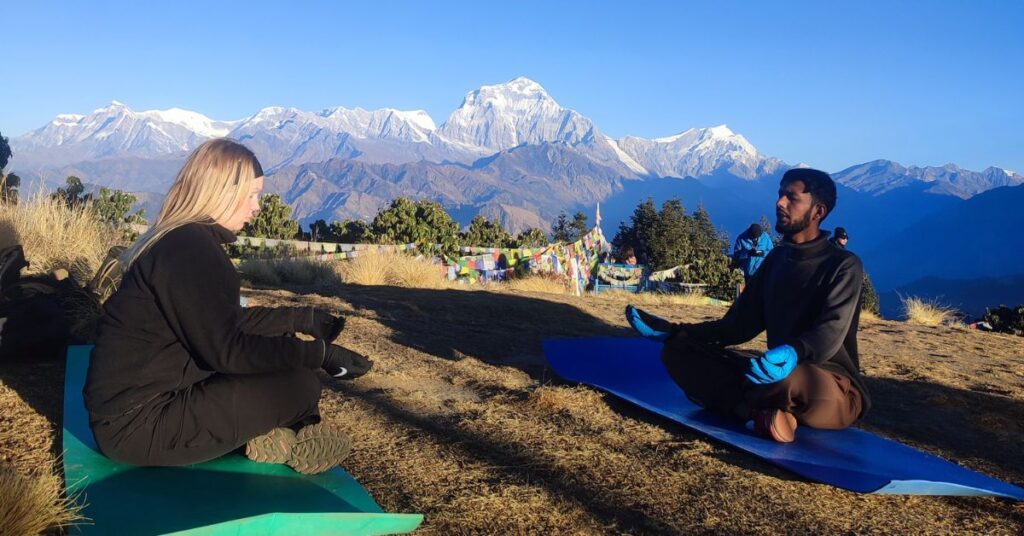
Dehydration increases your risk of altitude sickness. Drink at least three to four liters of water daily during the trek. Use oral rehydration salts (ORS) if you’re sweating a lot or feeling drained. Proper hydration supports circulation, digestion, and mental clarity at altitude.
Avoid alcohol, excessive caffeine, and sleeping pills while ascending. These can suppress breathing and interfere with natural acclimatization, especially overnight. Water, herbal teas, and electrolyte drinks are your best choices.
Eat Light, Warm, and Nutrient-Dense Meals
Appetite often decreases at altitude, but the body still needs fuel. Choose simple, energy-rich meals like potatoes, noodles, rice, and soups. These foods are easy to digest and provide steady energy without stressing the stomach.
Garlic soup is a popular Sherpa remedy, often used to aid circulation and digestion. Ginger tea also helps with nausea and provides warmth in cold conditions. Focus on eating small meals frequently to maintain strength and balance throughout the trek.
For more practical ways to prepare your body and routine before the mountains, visit our full guide on how to prepare for trekking in Nepal.
See a Doctor Before the Trek
Altitude affects everybody differently, and no two trekkers adapt the same way. Before heading to high elevations like Everest Base Camp or Annapurna, it’s important to speak with a medical professional who understands altitude-related risks. A quick check-up can help you avoid serious issues later on the trail.
If you’re planning to take Diamox, Zolomide, or any iron supplements, consult your doctor at least two to three weeks before your departure. Let them know your planned altitude, trek duration, and past medical history. They’ll help you determine if you’re fit for high elevation and what medications are right for your body.
Also mention if you’ve ever had altitude sickness, respiratory problems, or blood pressure issues. A doctor may recommend tests for hemoglobin or iron levels to ensure your body is ready for reduced oxygen. If you plan to carry antibiotics or use steroids like dexamethasone for emergencies, get proper guidance on dosage and side effects.
Trekking at altitude is not just about physical strength—it’s about smart preparation. A short visit to your doctor can make the difference between a safe adventure and a risky one.
High Altitude Demands High Awareness
Trekking to Everest Base Camp or any high-altitude trail in Nepal requires more than determination. It calls for smart planning, the right medication, and a clear understanding of altitude risks.
Looking for expert guidance to make your trek safe and successful?
Visit mountainroutes.com to explore custom itineraries, health-focused trekking plans, and support from experienced professionals.
Choose preparation. Choose safety. Choose Mountain Routes.
FAQs
Can You Get Medicines Like Diamox in Nepal?
Diamox (Acetazolamide) is not widely available under its brand name in Nepal. Instead, most local pharmacies stock Zolomide, a generic version with the same active ingredient. It’s best to bring Diamox from your home country to ensure quality, especially if you’re allergic to sulfa drugs or require a specific brand.
Should I take Diamox before the trek or only if I feel sick?
Diamox is most effective when taken proactively, not reactively. Doctors typically recommend starting 125 mg twice daily one to two days before ascending above 3,000 meters. Waiting until you feel sick reduces its preventive benefits and may delay recovery.
What if I took a full Diamox tablet?
A full 250 mg tablet is safe in many cases but may increase side effects like tingling, dehydration, and dizziness. The recommended dose for prevention is 125 mg twice per day. If you accidentally take a full tablet, drink extra water and monitor how you feel. Seek medical advice if symptoms worsen.
What’s the best prevention for altitude sickness besides medicine?
The most reliable methods include slow ascent, rest days, hydration, and “climb high, sleep low” practices. Eat light meals, avoid alcohol, and listen to your body. Studies show that gradual ascent with rest days significantly lowers the risk of AMS compared to using medication alone.
Are local guides trained to handle altitude sickness?
Yes, most licensed guides in Nepal receive basic high-altitude first aid training, including how to identify AMS, HAPE, and HACE. Many also carry first-aid kits, oximeters, and emergency contacts for helicopter rescue. Always confirm your guide’s certification before starting the trek.





 Chat on WhatsApp