
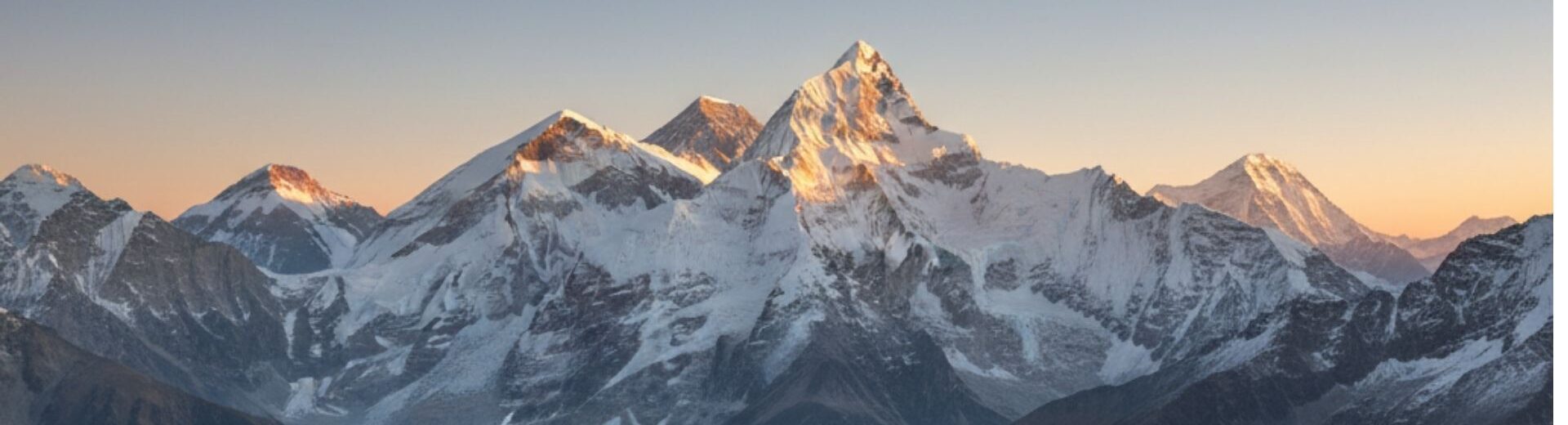
Everest Base Camp Trek Weather and Temperature Guide 2026
Over three hundreds of people have lost their lives because of how tricky the weather and temperature of Everest Base Camp can get.
EBC Trek is a dream journey for many travelers. It takes you through dramatic landscapes, high-altitude trails, and close views of the world’s highest peak. But before you begin, it’s important to understand how the weather and temperature affect your trek.
The weather at Everest Base Camp (EBC) changes quickly with altitude and season. One day can bring warm sun, while the next can turn snowy and cold. So, knowing the right time to go and what to expect from the climate helps you plan better and stay safe on Everest.
Why Weather and Temperature Matter on the Everest Base Camp Trek
Weather plays a big role in your trekking experience. It affects how hard the trail feels, what you wear, and how long you can trek each day. The temperature also decides whether you walk on clear paths or through snow.
During clear and dry months, the trails are easier and the views are breathtaking. But in rainy or freezing months, the path can be slippery and rough. Low temperatures also increase the risk of altitude sickness and frostbite if you’re not well prepared.
Month-by-Month Weather and Temperature at Everest Base Camp
January–February (Winter Season)
January and February bring the coldest weather to Everest Base Camp. The days stay clear, but the air feels sharp and dry. The wind grows strong in the afternoon, and light snow can appear after a storm. Daytime temperatures range between –10°C and –5°C, and nights fall between –20°C and –25°C.
The trail above Tengboche often turns icy, and the region stays quiet with fewer trekkers. Many lodges remain open, but you need warm gear to handle the deep cold. Winter suits trekkers who have experience and enjoy peaceful paths with still mountain views.
March–May (Spring Season)
Spring is a popular time to trek because the weather stays mild and stable. Clear mornings are common, and light clouds build later in the day. The lower forest areas bloom with rhododendrons, which adds color to the trail. Daytime temperatures rise from –5°C to 5°C, and nights drop from –10°C to –15°C.
The paths stay dry and safe, and visibility stays strong throughout the season. Spring offers warm days and great views, which makes it ideal for many trekkers.
June–August (Monsoon Season)
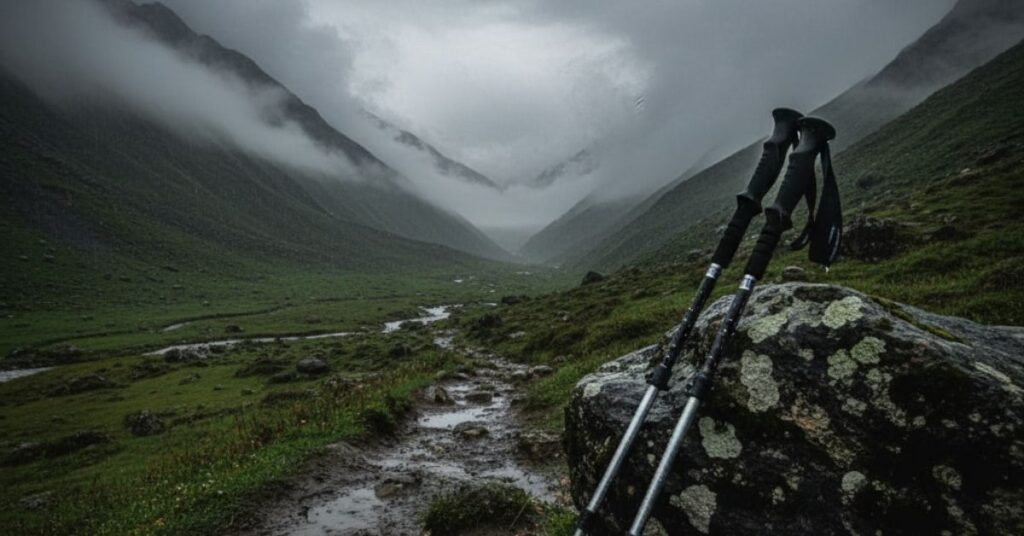
June to August marks the monsoon season in the Everest region. Rain falls on the lower trail, and clouds stay over the mountains for long hours. The higher areas stay cold and may get light snowfall during storms. Days stay between 0°C and 10°C, while nights range from –3°C to –8°C.
The lower paths turn muddy and slippery, and flights to Lukla often face delays. Trekkers who choose this season enjoy quiet trails, but they must prepare for cloudy days and limited views.
September–November (Autumn Season)
Autumn is the best season for clear weather and steady conditions. The skies open up after the monsoon, and the air turns crisp and dry. Visibility stays high, and the views of Everest remain strong throughout the day. Daytime temperatures stay between –2°C and 10°C, while nights fall between –8°C and –15°C.
The trails stay dry, and the mornings feel fresh. Many trekkers choose this season for its stable weather and bright mountain scenery.
December (Early Winter)
December marks the start of early winter at Everest Base Camp. The days stay sunny, but the temperature drops fast once the sun sets. Snowfall becomes more frequent at higher elevations, and mornings feel cold.
Daytime temperatures move between –5°C and 0°C, and nights fall between –15°C and –20°C. The trail stays quiet, and the views remain sharp. December works well for trekkers who carry winter gear and want a calm trekking experience.
Temperature by Altitude – How It Changes as You Climb
The temperature drops as you gain height on the Everest Base Camp trail. The air grows thin, and the wind gets stronger.
This makes the higher parts of the route much colder than the lower villages. The change feels clear when you move from lush forests to open, rocky terrain.
| Destination | Day Temperature | Night Temperature | What to Expect |
| Lukla (2,860m) | 10°C to 15°C | 2°C to 5°C | Mild weather, light wind, stable conditions. Good start for acclimatization. |
| Namche Bazaar (3,440m) | 6°C to 10°C | –2°C to –5°C | Cool days and cold nights. The evening wind feels strong. Warm layers help. |
| Tengboche (3,860m) | 2°C to 8°C | –5°C to –8°C | Clear mornings, fast weather shifts, and sudden chills late in the day. |
| Dingboche (4,410m) | 0°C to 5°C | –10°C to –12°C | Dry air and open terrain. Strong wind throughout the day. |
| Lobuche (4,910m) | –3°C to 3°C | –12°C to –15°C | Thin air, slow breathing, steady cold from morning to night. |
| Everest Base Camp (5,364m) | –6°C to 2°C | –15°C to –20°C | Very cold and windy. Glaciers keep the area icy all year. |
Weather at Everest Base Camp and Nearby Peaks
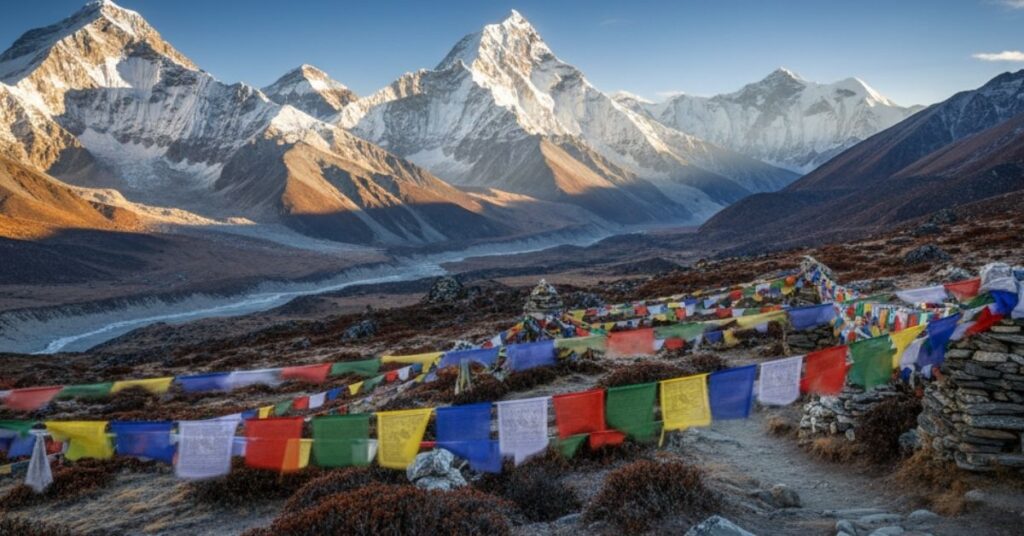
The weather at Everest Base Camp stays cold throughout the year. The glacier beside the camp keeps the air icy, even when the sun shines. The wind also moves fast through the valley, which makes the temperature feel even lower.
Clear days offer bright views, but the cold becomes strong once the sun sets. Clouds can form at any time because the high peaks shift the air patterns.
Nearby peaks also shape the climate in this region. Kala Patthar sits above Gorakshep and offers one of the best sunrise views. The weather there feels colder than Base Camp because it rises above 5,500 meters. Strong wind hits the ridge early in the morning, and the temperature drops below freezing before sunrise.
Gorakshep stays slightly warmer than Base Camp but still feels cold at all times. The soil stays dry and dusty, and the wind moves across the open ground. Pumori, Nuptse, and other high peaks block sunlight in the late afternoon, which makes the temperature fall fast.
The mix of high altitude, strong wind, and open glaciers creates steady cold across the upper region. Warm layers, gloves, and a buff help you stay comfortable when the wind rises. Clear skies offer great views, but the weather still shifts fast in these high areas.
Best Time to Trek to Everest Base Camp
The best time to trek to Everest Base Camp falls in spring and autumn. These seasons offer the most stable weather and the clearest views. Spring runs from March to May, and daytime temperatures stay between –5°C and 5°C at Base Camp. Nights drop to –10°C to –15°C. The trails stay dry, and the sky stays clear in the morning.
Autumn lasts from September to November. Daytime temperatures are usually between –2°C and 10°C, while nights can drop to –8°C to –15°C.
The air becomes crisp, and the mountains look clear and bright. Both spring and autumn offer safe trails and stable weather. These seasons are the best choice for most trekkers.
The worst time to trek falls in the monsoon and deep winter. The monsoon runs from June to August, and the lower trails stay muddy with heavy rain. Clouds cover the peaks and hide the views for long hours. Base Camp stays cold with days between 0°C and 10°C and nights between –3°C and –8°C.
Winter runs from late December to February, and the cold grows harsh with nights dropping to –20°C or below. Snowfall also increases at higher points, which makes the trails harder to walk. These two periods bring more risks and less comfort for most trekkers.
How to Prepare for Everest Base Camp Weather
Good preparation helps you stay safe and comfortable on the Everest Base Camp trail. The weather shifts fast at high altitude, so warm layers matter on every trekking day. Start with a base layer that keeps sweat away from your skin. Add a fleece for warmth and a down jacket for cold mornings and evenings.
A waterproof shell protects you from wind and light rain. Warm gloves, a wool hat, and a neck buff keep you safe when the wind gets strong. Good trekking boots with firm grip help on snowy or icy paths.
You also need to drink enough water, eat warm meals, and walk at a steady pace. The cold makes your body work harder, so short breaks help you adjust. A good sleeping bag rated for –15°C or lower keeps you warm at night.
Sunscreen and sunglasses protect you from strong UV rays that reflect off snow and ice. Preparation keeps you ready for any weather change that appears on the trail.
Weather-Related Risks and Safety Tips
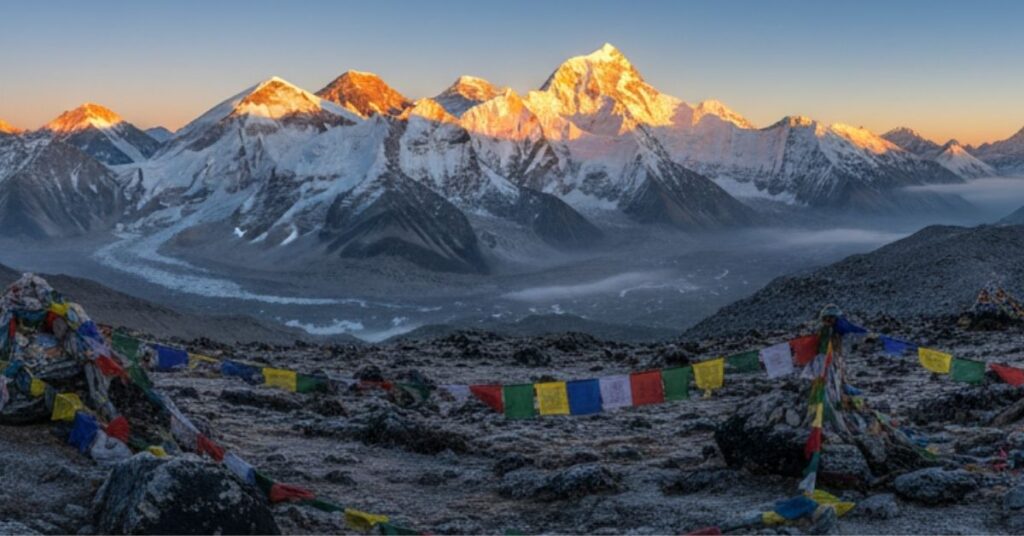
Cold weather at Everest Base Camp can create several risks for trekkers. The most common risk comes from sudden drops in temperature. Strong wind also makes the cold feel sharper and drains body heat fast. Snow can cover the trail and make some sections slippery. Fog and clouds can limit visibility and make the path harder to follow. These changes can happen within minutes, so you need to stay alert during the trek.
The dry air at high altitude also increases the chance of dehydration, which makes you feel weak and tired.
You can stay safe with a few simple steps. Walk at a slow and steady pace to protect your body from altitude stress. Wear warm layers and keep your gloves and hat in an easy spot in your backpack. Drink water often and eat warm meals to keep your energy high. Check the weather each morning before you start walking.
Rest when your body feels tired and avoid pushing yourself too hard. These habits help you handle cold, wind, and fast weather changes in the Everest region.
Key Takeaways for Trekkers
The weather at Everest Base Camp stays cold in all seasons, so the right plan helps you stay safe and comfortable. Spring and autumn give you the best mix of clear skies, dry trails, and stable temperatures. While winter brings deep cold, and the monsoon brings clouds and rain, which makes both seasons harder for most trekkers.
The temperature drops as you climb higher, so warm layers, steady walking, and good hydration matter each day. A warm sleeping bag keeps you safe at night, and checking the daily forecast helps you stay ready for fast changes. If you want a safe and smooth journey, Mountain Routes guides you with care, clear planning, and strong focus on your well-being from the first step to the last.
Frequently Asked Questions (FAQs)
How cold is it at Everest Base Camp?
Everest Base Camp stays cold throughout the year. Daytime temperatures range from –6°C to 2°C in the main trekking seasons. Nights fall between –15°C and –20°C, and the wind makes it feel even colder.
Warm layers and a good sleeping bag help you stay safe in these conditions.
Does it snow at Everest Base Camp?
Yes, it does snow at Everest Base Camp. Snow is more common in winter and during the early part of spring. Light snowfall can also appear in late autumn. The glacier keeps the ground cold, so snow stays for long hours once it falls.
Can you trek in winter?
You can trek EBC in winter, but the cold feels harsh and the nights stay freezing. The trail stays quiet, and the views stay clear, but you need strong winter gear. Most trekkers choose spring or autumn because the weather stays warmer and safer for long walks.
What is the best month for clear views?
October offers the clearest views on the Everest Base Camp trek. The air turns clean after the monsoon, and the sky stays bright for long hours. April and May also bring clear mornings with mild temperatures and steady weather.
How is the weather at night at EBC?
The weather at night at EBC stays very cold. The temperature often falls below –15°C, and the wind feels strong on the open glacier. A warm sleeping bag and layered clothing keep you safe during the night.





 Chat on WhatsApp