EBC Trek at 5364m: Your High Altitude Acclimatization Roadmap
Everest Base Camp acclimatization is critical for reaching 5,364 meters safely. Your body needs time to adjust to the thin air as you move higher each day. The hills get steeper, the air gets lighter, and your breathing changes as you climb. These shifts affect all trekkers, no matter their experience or fitness level.
Your journey becomes safer when your body adapts at the right pace. Slow walking, steady rest days, and proper hydration help you adjust to the changing altitude. These habits reduce discomfort and give you more strength for the long trail ahead. With the right plan, you can enjoy each stop on the route and reach Everest Base Camp with confidence.
This complete guide covers everything you need for safe altitude adjustment. Learn the day-by-day acclimatization schedule. Discover how altitude zones affect your body. Understand warning signs and how to respond effectively.
Table of contents
- How Acclimatization Protects You on the EBC Trail
- Understanding AMS on the Everest Route
- Key Altitude Points on the Everest Base Camp Trek
- How Altitude Zones Change Your Body on the EBC Trek
- Your Day-by-Day Acclimatization Plan for the EBC Trek
- Acclimatization for Combined EBC Routes: Gokyo Route and Three Passes
- Ideal Villages for Acclimatization Breaks on the EBC Trail
- Your High Altitude Safety Rules for the EBC Trek
- Small Daily Habits That Make Acclimatization Easier
- What to Do During Your Acclimatization Days
- A Practical Guide to Preventing Altitude Problems on the EBC Trek
- Pre-Trek Preparation Tips for the Everest Region
- Medications That Trekkers Commonly Carry
- Natural Ways to Support Acclimatization
- What to Do If You Start Feeling Altitude Sickness
- Common Mistakes and Myths That Affect EBC Acclimatization
- Closing Thoughts on Acclimatization for Everest Base Camp
How Acclimatization Protects You on the EBC Trail
Acclimatization helps your body adapt to the thin air. When you climb, the oxygen level drops. This change makes breathing harder. A safe acclimatization plan helps reduce stress on your lungs and heart.
Your body adapts by breathing faster and pumping blood more efficiently. This takes time. When you add rest days, you let your body adjust without pressure. Trekkers who take proper rest days walk with more comfort in the high section of the trail.
Acclimatization also protects you from altitude sickness. Signs can appear in small ways at first. A slow ascent lowers the chance of these symptoms getting worse. A steady plan helps you reach EBC without risk.
For a complete explanation on acclimatization, see: How to Acclimatize Safely for High Altitude Treks in Nepal?
Understanding AMS on the Everest Route
AMS means Acute Mountain Sickness. It happens when your body cannot adapt to thin air fast enough. Anyone can get AMS. Age, fitness, and trekking experience do not protect you from it. You can lower the risk by gaining height slowly and resting often.
Mild AMS appears in small ways at first. If ignored, it can become serious. To handle altitude sickness, knowing the early signs helps you act fast and stay safe.
Early Signals That Suggest AMS Is Starting
Your body starts giving you some signs. Make sure you listen to your body since these signs mean your body needs rest. You can continue the trek if the symptoms remain mild and improve with water and food.
- A mild headache
- Low appetite
- Light dizziness
- Tired legs
- Trouble sleeping
These symptoms typically appear 6 to 12 hours after reaching a new altitude. They should improve within 24 hours if you rest at the same elevation.
When Altitude Becomes Dangerous
Danger signs appear when your body struggles. You must descend right away if these signs appear. Your guide will help you move to a safe height. But these signs need fast action:
- Strong headache
- Shortness of breath at rest
- Loss of balance
- Trouble thinking clearly
- Tightness in the chest
These symptoms indicate HACE (High Altitude Cerebral Edema) or HAPE (High Altitude Pulmonary Edema). Both conditions can be fatal within hours without immediate descent.
Key Altitude Points on the Everest Base Camp Trek
A clear understanding of each height helps you plan your pace. Here is a detailed look at all major altitude points on the EBC route.
Quick Reference Table
| Location | Elevation | Gain/Loss | Zone | Notes |
| Lukla | 2,840m | Start | Low | Trek begins |
| Phakding | 2,610m | -230m | Low | Easy day |
| Namche Bazaar | 3,440m | +830m | Moderate | Rest day |
| Tengboche | 3,860m | +420m | Moderate | Monastery |
| Dingboche | 4,410m | +550m | High | Rest day |
| Lobuche | 4,910m | +500m | High | Cold & windy |
| Gorak Shep | 5,140m | +230m | Very High | Last sleep |
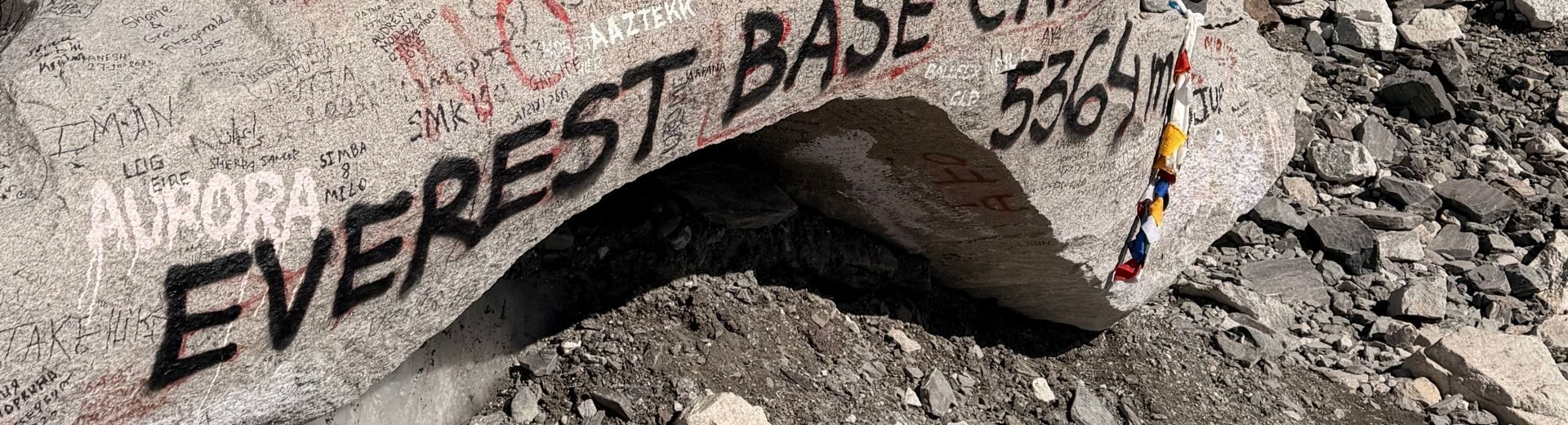
| Everest Base Camp | 5,364m | +224m | Very High | Day visit |
| Kala Patthar | 5,550m | +410m | Very High | Best views |
Lukla– 2840 m
Lukla is the starting point for most trekkers. The air is slightly thinner than sea level. You may feel light strain when you walk uphill. Take time to adjust and keep your pace slow.
Phakding – 2610 m
Phakding sits lower than Lukla. The easy walk helps you ease into the trek. The day is short, so you can relax and prepare for the climb to Namche. You will feel the soft rhythm of the trail for the first time.
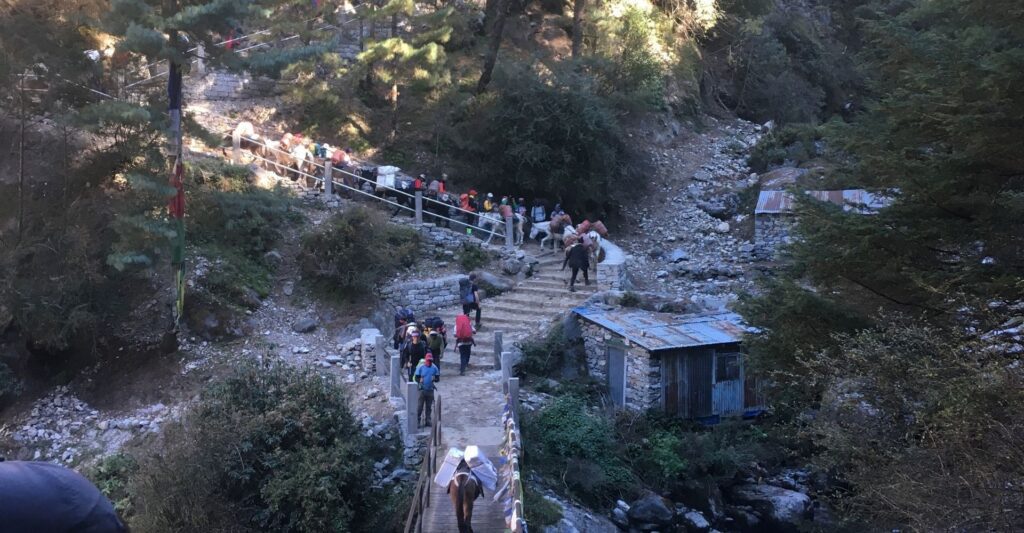
Namche Bazaar – 3440 m
Namche is the first major jump in altitude. You will feel the change in your breathing during the final climb. Namche is a good place for your first acclimatization day. You can take short hikes and return to sleep lower.
Tengboche – 3860 m
Tengboche stands on an open ridge. The climb to the village feels steep. The air is dry and cool. Many trekkers rest here before moving toward higher villages.
Dingboche – 4410 m
Dingboche sits well inside the high zone. You may feel heavy legs here. Most trekkers take a full acclimatization day in this village. Short hikes help your lungs and muscles adapt.
Lobuche – 4910 m
Lobuche lies near the glacial valley. The wind feels strong and cold. Nights can be difficult because of the thin air. This stop prepares you for the push to Gorak Shep.
Gorak Shep – 5140 m
Gorak Shep is one of the highest sleep points on the trek. The air is thin and sharp. You must walk slowly and take many breaks. Most trekkers visit EBC from here and return to sleep.
Everest Base Camp – 5364 m
EBC sits on rock and ice near the glacier. You reach EBC and spend a short time taking photos. The air is too thin for long stays, so trekkers return to Gorak Shep or lower villages to sleep.
Kala Patthar – 5550 m
Kala Patthar offers the best sunrise view of Everest. The climb is steep. Every breath feels shallow. A short visit is ideal. Descend to lower height after the climb.
How Altitude Zones Change Your Body on the EBC Trek
Each altitude zone affects your body in different ways. These changes shape how you walk, sleep, and recover.
Low Zone (Below 3000 m)
At lower altitudes, the trail feels easy and comfortable. You breathe normally and walk without much effort. You can talk while you move, and your sleep stays the same as at home. This is why the walk from Lukla to Phakding feels smooth and friendly for most trekkers.
Mid Zone (3000 m–4400 m)
In the mid-altitude zone, you start to feel the change in the air. Your breathing gets heavier on uphill climbs, and your heart rate rises faster than before. You may feel more tired, need extra water, and even lose a bit of appetite. Sleep can also become lighter. Many trekkers stop to catch their breath on the way to Namche because the climb feels harder. Short acclimatization hikes at this stage help your body adjust.
High Zone (4400 m–5500 m)
At high altitude, the drop in oxygen becomes clear. Even walking on flat paths can make your legs feel heavy. Your pace slows, and your steps become shorter. Appetite may dip again, and you might wake up during the night because your body wants more air. In places like Dingboche or Lobuche, trekkers take long breaks as breathing becomes shallow at times. At this height, you must protect your energy, drink plenty of water, and move with care.
Your Day-by-Day Acclimatization Plan for the EBC Trek
This detailed plan helps your body manage altitude in a safe and steady way.
Day 1: Lukla to Phakding
You walk downhill from Lukla. The trail feels smooth and gentle. You cross small bridges and walk beside the river. This day helps you warm up. Drink enough water and sleep early.
Day 2: Phakding to Namche
The trail moves through forests and crosses several bridges. The final climb to Namche is steep. Take your time and use short breaks to control your breathing. You reach Namche in the afternoon and rest.
Day 3: Acclimatization in Namche
Take a short hike to Everest View Hotel or nearby viewpoints. The goal is to gain some height and return to sleep lower. Rest in the afternoon. Namche has many shops where you can buy snacks or warm clothes.
Day 4: Namche to Tengboche
The walk starts gentle. Later, the trail drops to the river and climbs again. The final climb is long and tiring. When you reach Tengboche, enjoy warm tea and let your body rest.
Day 5: Tengboche to Dingboche
The trail moves through forests and open fields. Trees thin out as you gain height. You will feel the temperature drop. Dingboche gives wide views and calm air. Rest early to prepare for the acclimatization day.
Day 6: Acclimatization in Dingboche
Hike up to Nagarjun Hill or a nearby ridge. These hikes feel hard but helpful. You climb higher and return to sleep lower. This process helps your body adjust to the high zone. Rest in the evening and keep warm.
Day 7: Dingboche to Lobuche
The climb is slow and steady. The path passes through rock and sand. You may feel short of breath. Take small steps and stay relaxed. Reach Lobuche and keep your activity low for the evening.
Day 8: Lobuche to Gorak Shep → EBC
Start early. The trail to Gorak Shep feels dry and open. After lunch, continue to EBC. Take photos and enjoy the moment. Return to Gorak Shep to sleep since the air at EBC is too thin for an overnight stay.
Day 9: Kala Patthar → descent
Climb Kala Patthar before sunrise. The climb is steep. The view of Everest is clear from the top. Descend to a lower village like Pheriche. Sleeping lower will help your body recover quickly.
Day 10+: Return journey
As you descend, your breathing improves. Your appetite returns. Enjoy the downhill walk and keep a steady pace until you reach Lukla.
Acclimatization for Combined EBC Routes: Gokyo Route and Three Passes
The Gokyo and Three Passes route climbs higher than the standard EBC trail. The passes stay above 5300 meters. This height demands more acclimatization days. Trekkers add extra nights in Machhermo, Gokyo, or Chhukhung to stay safe.
These stops help your body build strength before crossing long, exposed passes. The extra time gives your lungs room to adapt. A slow plan works best for this extended circuit.
Ideal Villages for Acclimatization Breaks on the EBC Trail
Namche Bazaar
Namche is the perfect place for your first acclimatization day. You can take half-day hikes to higher views and return to sleep lower. The village has many shops and bakeries, which help you relax. The height makes Namche an ideal spot for your first body adjustment to altitude.
Dingboche
Dingboche sits deep in the high zone. Trekkers use this village for a full rest day because the height prepares you for Lobuche and Gorak Shep. Short walks toward nearby hills help your lungs adjust. The wide landscape also keeps the trail calm and open.
Lobuche
Lobuche is smaller but important. It sits close to the glacier and higher points. You will feel the thin air more here. Some trekkers take a short hike in the afternoon to help their lungs prepare for the final push to Gorak Shep.
Your High Altitude Safety Rules for the EBC Trek
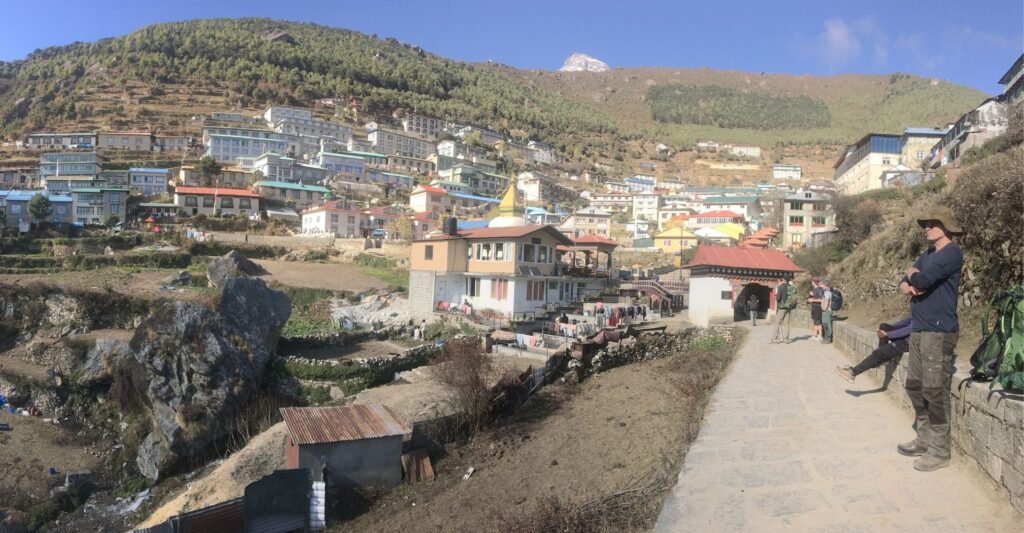
These rules help you stay safe as you move into higher sections of the EBC trail. They keep your body steady and reduce the chance of altitude issues.
Rule 1: Climb Slowly
Slow steps help your body adjust to thin air. This pace also keeps your lungs relaxed and reduces pressure on your heart.
Rule 2: Drink Water Often
Your body loses moisture fast in cold and dry air. Regular drinking helps prevent headaches and keeps your energy stable. Aim for 3-4 liters daily above 3,000 meters.
Rule 3: Eat Warm Meals
Warm food supports digestion at altitude. It also helps your body stay comfortable in cold weather. Eat even when appetite decreases.
Rule 4: Avoid Alcohol
Alcohol dries your body and slows your adjustment. It can also make headaches and nausea worse. Save celebrations for after the trek.
Rule 5: Rest When Your Body Signals Strain
Short breaks help calm your breathing. These rests also stop symptoms from getting worse. Listen to early warning signs.
Rule 6: Listen to Your Guide
Guides know the trail and the altitude effects well. They can notice small changes in your condition and guide you safely. Follow their recommendations.
Rule 7: Descend If Symptoms Worsen
Descent is the best medicine for altitude sickness. Even dropping 300-500 meters brings dramatic improvement. You can always try again after recovery.
Small Daily Habits That Make Acclimatization Easier
Simple habits make each day feel smoother at high altitude. These actions help your breathing, sleep, and energy stay balanced.
- Walk with short steps: Short steps reduce strain on your legs. They also keep your breathing slow and steady.
- Stop for deep breaths: Deep breaths help you feel calm when the air feels thin. They also improve the flow of oxygen in your body.
- Keep your body warm at night: Warmth helps your muscles relax in cold air. It also supports better sleep during high-altitude nights.
- Sleep early: Early rest gives your body time to recover. Good sleep also helps your energy stay steady for the next day.
- Look After the Foods: Eat simple food like soup or rice. Light meals digest easily and give steady energy. Warm soup also helps you stay hydrated.
- Exercise: Stretch your legs before bed. A short stretch relaxes your muscles after long walking days. This helps your sleep feel calm and deep.
What to Do During Your Acclimatization Days
Acclimatization days keep your body safe as you move toward higher points. These routine steps help you adapt without pushing too hard.
- Take short hikes above your sleep height. A short climb helps your lungs adjust to thinner air. Returning to sleep lower helps your body recover.
- Return to sleep with lower altitude. Sleeping lower reduces stress from altitude. This pattern also supports safe adaptation.
- Keep your water intake steady. Regular drinking helps prevent dehydration in dry air. It also reduces headaches and fatigue.
- Avoid long naps. Long naps can disrupt your sleep at night. Your body needs a regular sleep cycle to adjust well.
- Walk around the village to stay active. Light movement keeps your blood flowing. It also helps you stay warm in cold climates.
A Practical Guide to Preventing Altitude Problems on the EBC Trek
Altitude problems can affect any trekker. You can lower your risk with simple steps. Preparation starts before the trek. A slow pace and good habits help once you begin walking. Before your trek, build stamina with regular walks or short hikes. Strength training is helpful. Good fitness lets your body manage thin air better. Pack warm layers for cold nights and light layers for daytime climbs. Bring snacks like nuts or chocolate to keep your energy stable.
Many trekkers carry altitude-related medication. A doctor can guide you on the right type and dose. Only take medication that your doctor approves. Some people also use oral rehydration salts to stay hydrated on long days.
Natural methods also support acclimatization. Ginger tea helps warm your body. Garlic soup is common in the region and helps with digestion. Taking slow walks around the village keeps your muscles active. A warm drink after dinner helps you sleep better. On the trail, walk at a steady pace. Avoid rushing. Your breathing should stay even. Keep your water bottle easy to reach. Drink more in the high zone because the cold air can dry your throat. Eat small meals often. Your appetite may drop, but warm food keeps your energy steady.
If you feel a mild headache, rest for a while. Take short walks after breaks to observe your body. If symptoms grow worse, tell your guide. Resting early helps your body recover. Pushing too hard can make symptoms rise quickly. Good prevention comes from awareness. Watch how your body responds. Notice small changes in breathing or energy. A safe trek depends on slow climbing and regular rest.
Pre-Trek Preparation Tips for the Everest Region
Good preparation helps your body handle the altitude more smoothly. These steps build strength and comfort before you begin the trek.
- Build stamina through daily walks. Regular walking prepares your legs for long days on the trail. It also improves breathing and balance.
- Practice stair climbs or hill walks. These exercises help you manage uphill sections on the trek. They also train your heart to work well in thin air.
- Carry a comfortable backpack. A well-fitted bag reduces shoulder and back strain. It also helps you walk longer without discomfort.
- Test your trekking shoes before the trip. Wearing your shoes early prevents blisters on the trail. It also helps you check the fit during long walks.
Medications That Trekkers Commonly Carry
Some trekkers carry basic medications to manage common issues on the trail. Always consult a doctor before the trek.
- Doctor-approved altitude medication. These medicines help your body adjust to high altitude. Only take them if your doctor recommends them.
- Pain relief medicine. Simple pain relief helps with mild headaches or muscle strain. It keeps you comfortable during long days.
- Oral rehydration salts. These salts help replace minerals lost through sweat. They also support hydration during high-altitude walks.
- Basic first aid items. Simple items like bandages and antiseptic help with small cuts or blisters. They also keep your feet clean and safe.
Natural Ways to Support Acclimatization
Natural methods help your body stay warm and balanced during the trek. These habits are easy to follow and support daily comfort.
- Drink warm fluids. Warm drinks help your body stay hydrated in cold air. They also soothe your throat during long climbs.
- Eat garlic soup. Garlic soup is common in the region and helps digestion. It also keeps your body warm at night.
- Take slow walks. Slow walking helps your lungs adjust to thin air. It also reduces strain during steep climbs.
- Keep your body warm. Warm layers protect your muscles from cold. This comfort helps you walk with ease.
- Rest well each night. Deep sleep helps your body recover. It also supports steady energy for the next day.
What to Do If You Start Feeling Altitude Sickness
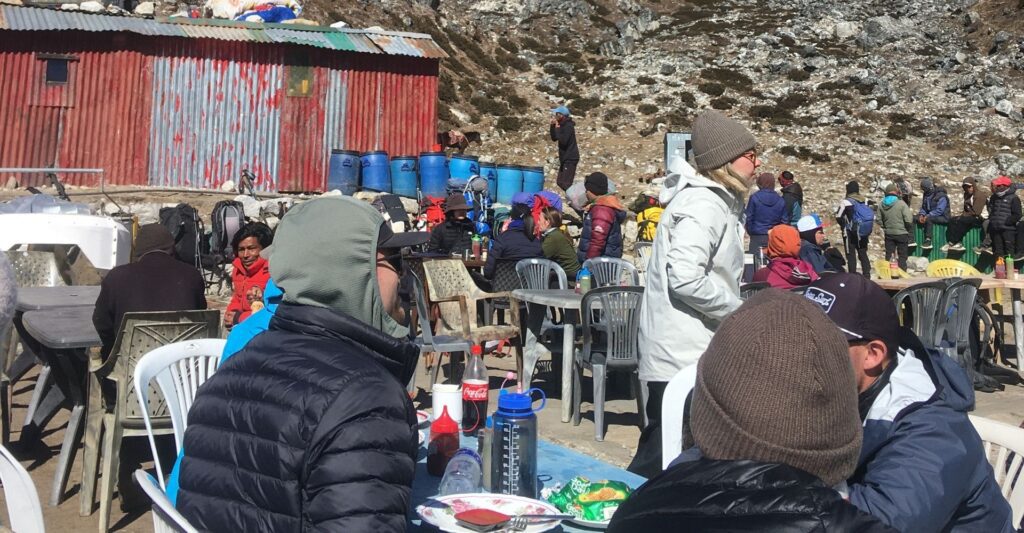
Quick action helps prevent symptoms from becoming serious. These steps give your body time to recover.
- Stop walking for a short time. A short break helps your breathing settle. It also reduces pressure on your heart.
- Drink water. Hydration can ease mild headaches. Water also prevents dehydration in thin air.
- Eat a small snack. Light food supports your energy and settles your stomach. This keeps you stable before you continue.
- Tell your guide about your symptoms. Guides notice changes that trekkers may miss. They can help you decide the next steps.
- Take rest and observe changes. Your body may improve after a short rest. If symptoms stay mild, you can continue slowly.
- If symptoms grow stronger, descend to a lower village. Descending reduces pressure from thin air. Most trekkers feel better once they lose height.
Common Mistakes and Myths That Affect EBC Acclimatization
Many trekkers believe myths that can harm their pace or safety. Knowing the truth helps you stay safe on the trail.
Myth: Strong trekkers cannot get AMS
- Truth: Anyone can get AMS because altitude affects everyone differently. Strength does not protect you from thin air. Physical fitness helps with endurance but not altitude adaptation.
Myth: Drinking less water is fine
- Truth: Dehydration makes your body work harder at altitude. Low water intake often makes symptoms worse. You need 3-4 liters daily in the high zone.
Myth: Fast climbers reach EBC easily
- Truth: Fast climbing increases the chance of AMS. A slow pace is the safest way to reach high points. Speed creates risk, not success.
Myth: You should walk until symptoms disappear
- Truth: This idea is unsafe. Rest and observation help symptoms ease safely. Pushing through symptoms can lead to dangerous conditions.
Closing Thoughts on Acclimatization for Everest Base Camp
Reaching Everest Base Camp feels rewarding when your body adapts well at each height. A careful pace, good habits, and smart rest days help you stay strong during the entire route. Take time to notice how your body responds at each stop and adjust your rhythm when needed.
With the right plan, the journey becomes smoother, safer, and more enjoyable from start to finish. Thousands of trekkers complete the EBC trail each year with proper acclimatization. You can join them with patient climbing and proper preparation.
Trek with Mountain Routes
If you want guidance for a safe EBC trek, you can plan your route with Mountain Routes for a well-paced and supportive experience. Our team handles permits, experienced guides, and proper acclimatization schedules. We help you focus on the experience while we manage the logistics.





 Chat on WhatsApp