| Duration: 10 day | Max Altitude: 5,540 m/ 18,176 ft | ||
| Location: Everest | |||
| Difficulty: easy | |||
Everest Base Camp Trek with Helicopter Return
The Everest Base Camp Trek with Helicopter Return offers you the incredible experience of luxury with efficiency. Trek through beautiful Sherpa villages, ancient monasteries, and stunning mountain landscapes. Then skip the long walk back and fly over the Himalayas in a helicopter.
This 10-day journey combines the authentic trekking experience with modern comfort. You walk up through the traditional route, soaking in the culture and natural beauty. After reaching your goal at Base Camp, you board a helicopter for an unforgettable flight back to Kathmandu.
The aerial views of Everest, Lhotse, and other peaks create memories that last forever.
Perfect for trekkers with limited vacation time or those who want to reduce physical strain, this trek saves you 3-4 days compared to the standard route. You get the full experience without the exhausting descent.
At USD 2,350 per person, Mountain Routes offers this trek for those who want to explore the Everest region. You complete your trek in a shorter time without missing the best moments of the journey.
Overview of the EBC Trek with Helicopter Return
Heli Return EBC Trek combines the traditional route with a comfortable flight back. The journey begins with a short flight to Lukla, followed by several days of trekking through Sherpa villages.
You’ll pass through Namche Bazaar, Tengboche, and Dingboche before reaching EBC.
The Everest Base Camp trek return by helicopter gives you the chance to enjoy a once-in-a-lifetime view of the Everest range, glaciers, and alpine lakes from above. It is ideal for those who want a memorable adventure but prefer to save time and energy on the return route.
Helicopter Return Experience
The helicopter flight is the highlight of this trek. It begins from Gorak Shep, flying above the Khumbu Glacier, Everest Base Camp, and Kala Patthar. As you fly, you’ll see Everest, Lhotse, Nuptse, and Ama Dablam from a rare bird’s-eye perspective.
The flight takes around 45 minutes to reach Lukla, depending on weather and conditions. Mountain Routes ensures safety with experienced pilots and well-maintained aircraft. The return is both scenic and practical, letting you end your adventure on a luxurious note.
Why Choose Helicopter Return
Save Valuable Time
The standard Everest Base Camp trek requires twelve to fourteen days. You spend six to seven days trekking to Base Camp. Then you spend another four to five days trekking back the same route.
With the Everest Base camp Trek Return by Helicopter, you save three to four days. This makes the trek possible for people who can’t take three weeks off work. You still get the full experience of trekking to Base Camp. You just skip the repetitive return journey.
Those saved days matter. You can extend your time in Nepal doing other activities. You could visit Pokhara or Chitwan National Park. Or you can simply get back to your regular life sooner. For many people, this makes the difference between doing the trek or not doing it at all.
Reduce Physical Strain on Your Body
Trekking uphill to Everest Base Camp challenges your cardiovascular system. But trekking downhill for four days challenges your joints. Your knees and ankles absorb impact with every step. By the end of a standard trek, many people have knee pain or ankle soreness.
The helicopter return oneliminates this downhill pounding. Your legs have already worked hard for eight days. The helicopter gives them a break. You land in Kathmandu feeling accomplished but not broken.
Experience Unique Aerial Views
Walking through the Himalayas gives you an intimate connection to the landscape. You see every detail of the trail. You notice small shrines and prayer wheels. You experience the culture up close.
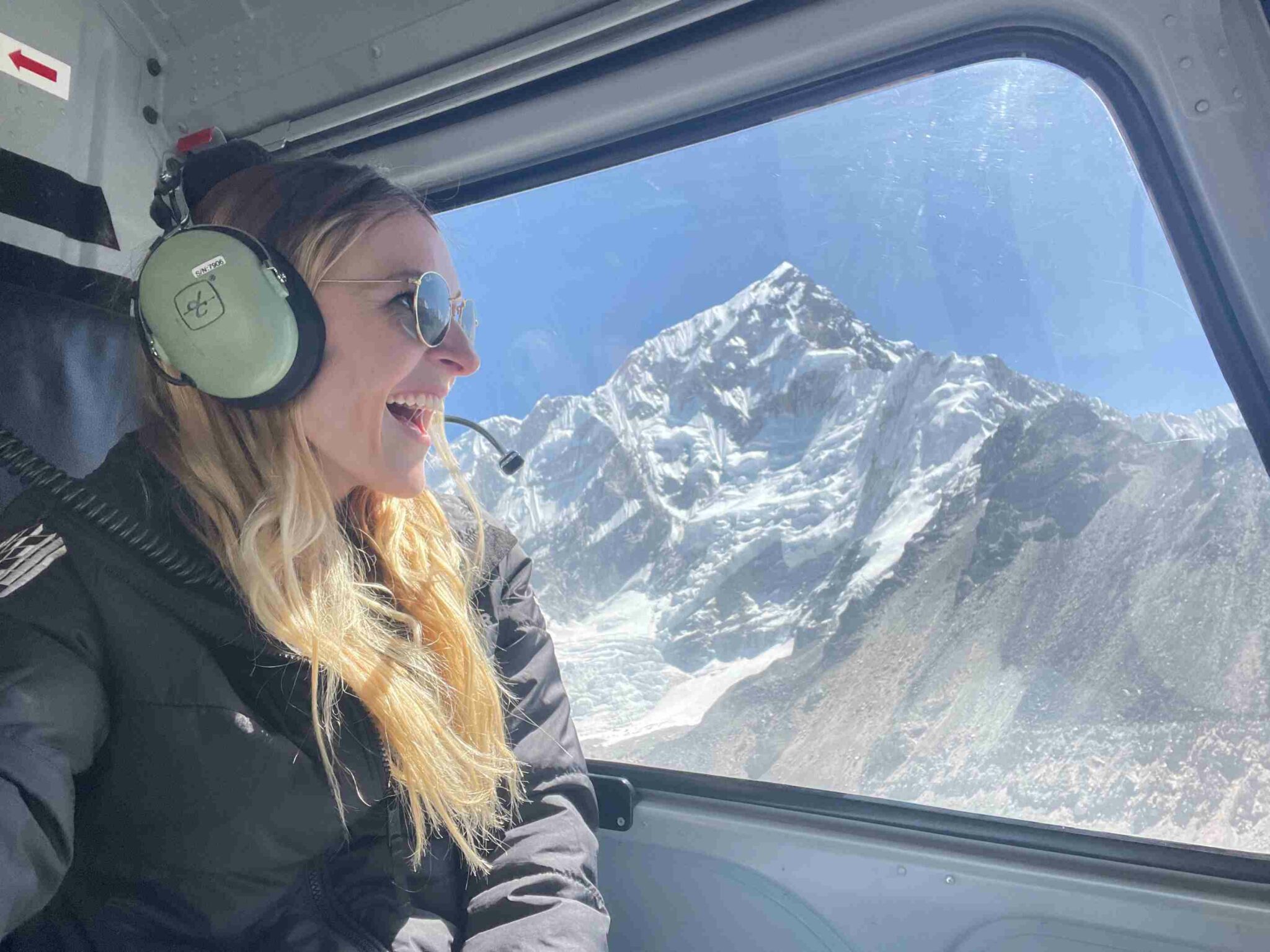
But flying over the Himalayas provides perspective you can’t get on foot. You see how the valleys connect. You understand the scale of the glaciers. You spot the trail you walked days before, now tiny below you.
The helicopter flies close to major peaks. Ama Dablam, Lhotse, Nuptse, and Everest itself appear at eye level. You see the mountain faces that are hidden from the trail. You spot ice walls and crevasses. You understand why climbers find these mountains so challenging.
Minimize Altitude Exposure
Spending time at high altitude carries risks. The longer you stay above 4,000 meters, the more your body struggles. Altitude sickness can develop even during the descent. Some trekkers feel worse going down than going up.
The helicopter reduces your time at extreme altitude. Instead of spending four more days between 3,000 and 5,000 meters, you drop to 1,400 meters in an hour. Your body quickly returns to normal oxygen levels.
This rapid descent is actually what doctors recommend if altitude sickness becomes serious. The helicopter provides this safety benefit even if you feel fine. It’s prevention rather than treatment.
For people who worry about altitude, this peace of mind is valuable. You know you have a quick exit strategy if needed. This confidence often helps people perform better on the trek.
Add Luxury and Comfort to Your Adventure
Let’s be honest. Trekking to Everest Base Camp is hard work. The tea houses are basic. The bathrooms are primitive. The food is simple. You go to bed cold and wake up cold. This is part of the authentic experience.
But after eight days of this, the Everest base camp trek and Return back by helicopter feels like luxury. You skip four more nights in cold rooms. You skip four more days of basic bathrooms. Within an hour of taking off, you can be in a hot shower.
This combination of authentic trekking and comfortable return appeals to many people. You prove yourself on the trail. Then you reward yourself with the helicopter. It’s the best of both approaches to Everest.
Weather Flexibility
Weather in the Himalayas changes quickly. If you’re trekking back down, you’re committed to the schedule. Bad weather might make certain sections unpleasant or even dangerous. You have to keep moving.
With a helicopter return, you have some flexibility. If the weather looks bad on Day 10, you might wait at a lower tea house. Or you might trek down one more day and fly from Pheriche instead of Gorak Shep.
Helicopter pilots are experts in mountain weather. They only fly when conditions are safe. This expertise actually makes the flight option safer than being caught in bad weather on a high pass.
The helicopter also provides emergency backup. If someone in your group gets sick or injured, the helicopter can evacuate them. While we hope this never happens, knowing the option exists provides comfort.
Everest Base Camp Trek with Helicopter Return Itinerary
-
Day 1:
Arrival in Kathmandu
-
Day 2:
Flight to Lukla, Trek to Phakding
-
Day 3:
Trek to Namche Bazaar
-
Day 4:
Acclimatization Day in Namche Bazaar
-
Day 5:
Trek to Tengboche
-
Day 6:
Trek to Dingboche
-
Day 7:
Acclimatization Day in Dingboche
-
Day 8:
Trek to Lobuche
-
Day 9:
Trek to Everest Base Camp, Overnight in Gorak Shep
-
Day 10:
Hike Kala Patthar (5,540 m), Fly Back by Helicopter
-
Day 1 : Arrival in Kathmandu
Your Everest adventure begins when you land in Kathmandu.
After you settle into your hotel, we will hold a trek briefing at your appropriate time. You’ll meet your guide and the rest of your group.
We review the complete EBC trek with the Heli return itinerary and answer your questions. We also check your gear and documents. Your guide will note anything you might need to rent or buy.
The night in Kathmandu gives your body time to adjust after a long flight. Get good sleep. Tomorrow starts early.
-
Day 2 : Fly to Lukla, Trek to Phakding Walking Time: 3 to 4 hours
Wake up early for the flight to Lukla. The plane to Lukla Airport takes off around 6 or 7 AM. The flight lasts 30 to 35 minutes.
You’ll see mountain peaks out the window. The landing at Lukla airport is memorable. The runway sits on a mountain slope and ends at a cliff.
In Lukla, you meet your porter team. They check and organize the gear. You have breakfast at a local lodge. Then the trek begins. The trail leads downhill through pine forests. You cross several small streams. The path is wide and easy to follow.
You pass through Chheplung village and continue to Phakding. This first day is gentle. Your body starts to adjust to the altitude. The Dudh Koshi River flows beside the trail. You see prayer flags and small stupas along the way.
-
Day 3 : Trek to Namche Bazaar (3,440m) Walking Time: 5 to 6 hours
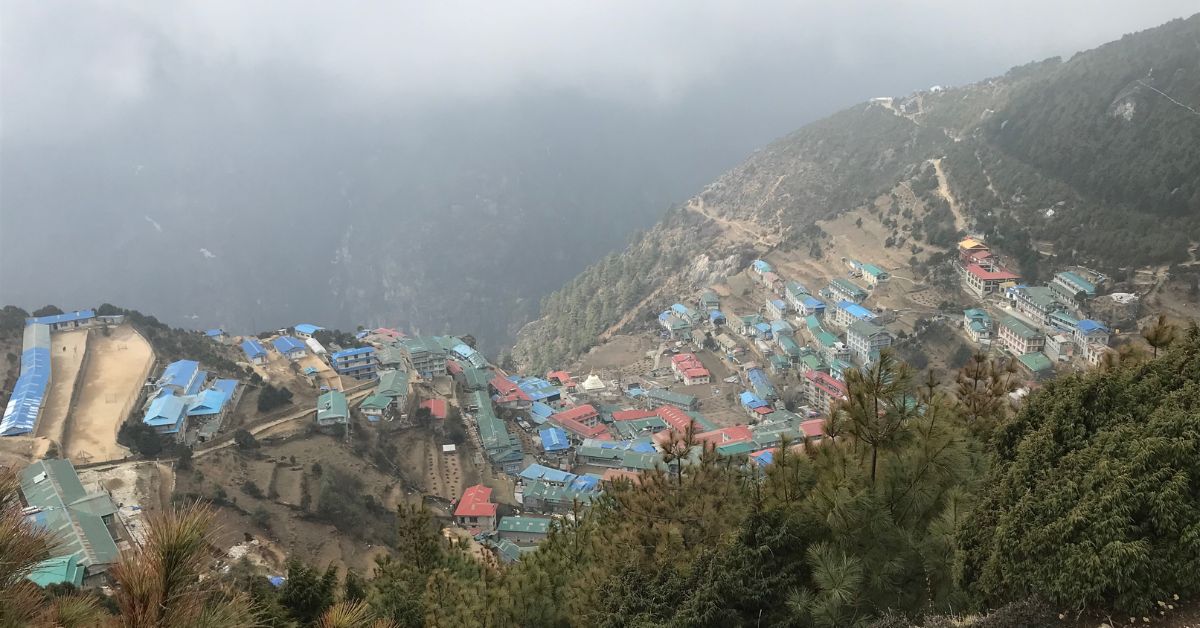
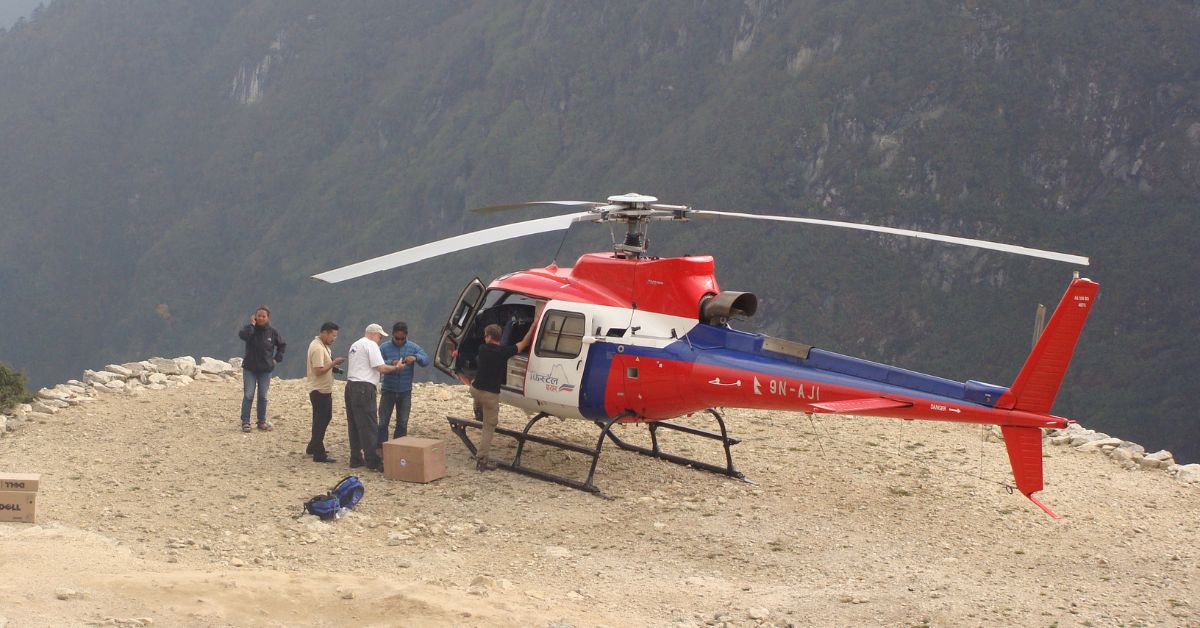
Helicopter landing at a remote helipad in the Everest region Today involves the first significant climb. You start early after breakfast. The trail follows the Dudh Koshi River. You cross several suspension bridges. The bridges sway a bit, but they’re completely safe. Take your time and enjoy the experience.
You enter Sagarmatha National Park at Monjo. Guards check your permits here. After the checkpoint, you continue through the park. The landscape becomes more dramatic. Pine and rhododendron trees line the path.
The trail crosses one more big suspension bridge. Then comes the steep climb to Namche. This section takes about two hours. Walk slowly. Take breaks when you need them. Your guide sets a comfortable pace.
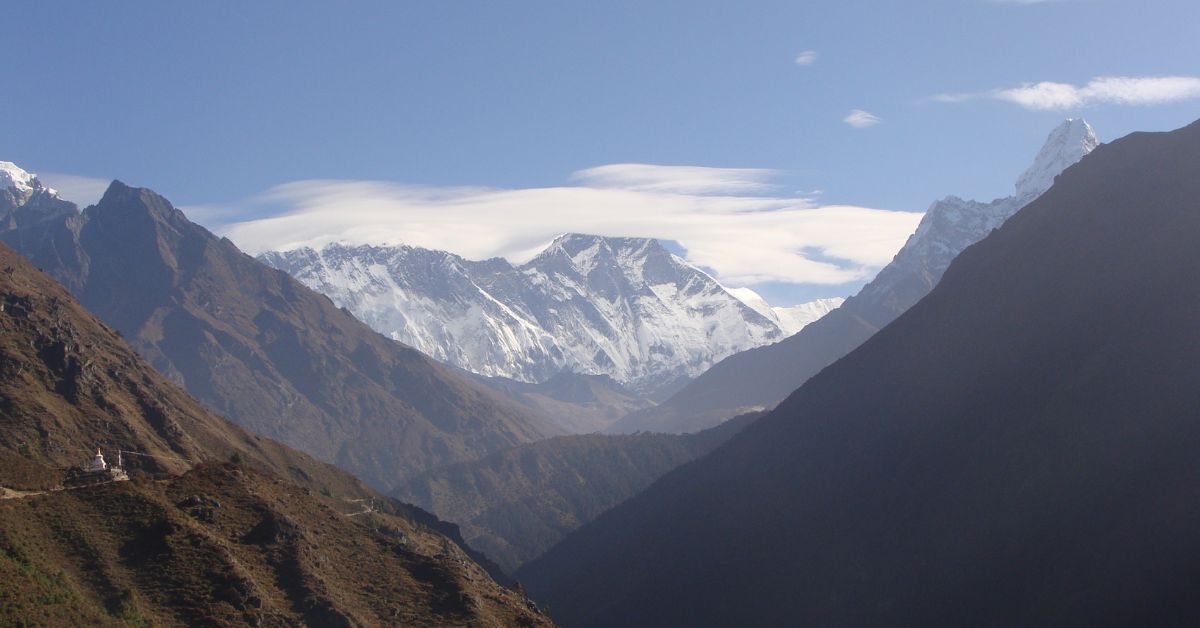
If the weather is clear, you get your first view of Everest from the trail. It appears briefly between other peaks. This moment excites every trekker.
-
Day 4 : Acclimatization in Namche Bazaar Walking Time: 3 to 4 hours (optional hikes)
This rest day is not actually restful. Your body needs to adjust to the altitude. The best way to do this is to “climb high and sleep low.”
You take a morning hike to a higher point, then return to Namche for the night.
Most groups hike to Everest View Hotel. This spot sits at 3,880 meters. The views are stunning. You see Everest, Lhotse, Ama Dablam, and many other peaks. The hotel serves coffee and tea. Many trekkers stop for a warm drink while taking photos.
Another option is to hike to Khumjung village. This Sherpa village has a famous school built by Sir Edmund Hillary. You can visit the monastery that claims to house a yeti scalp.
-
Day 5 : Trek to Tengboche (3,860m) Walking Time: 5 to 6 hours
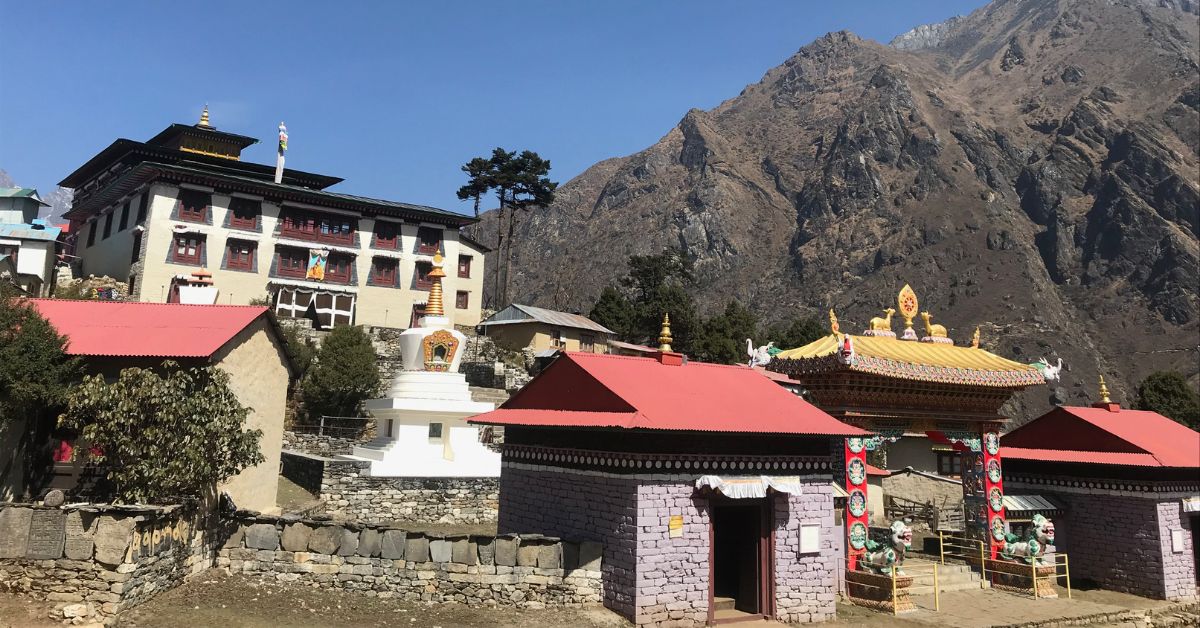
Tengboche Monastery in the Everest region of Nepal Leave Namche after breakfast. The trail climbs out of town with great views behind you. Then it descends through rhododendron forests. If you trek in spring, these trees bloom with red and pink flowers.
You reach a junction where trails split. One path goes to Gokyo Lakes. Your path continues toward Everest Base Camp. The trail descends to the Dudh Koshi River again. You cross a suspension bridge at Phunki Tenga.
After the river, the climb begins. It takes about two hours to reach Tengboche. The trail winds through forest. You might see musk deer or Himalayan tahr if you’re lucky. More commonly, you’ll spot mountain birds and hear them calling.
Tengboche has the most famous monastery in the Khumbu region. The monastery sits on a hilltop with incredible mountain views. Ama Dablam dominates the scenery. Its perfect pyramid shape makes it one of the most beautiful peaks in the Himalayas.
If you arrive before 3 PM, you can watch the monks’ prayer ceremony. The chanting and atmosphere inside the monastery are powerful.
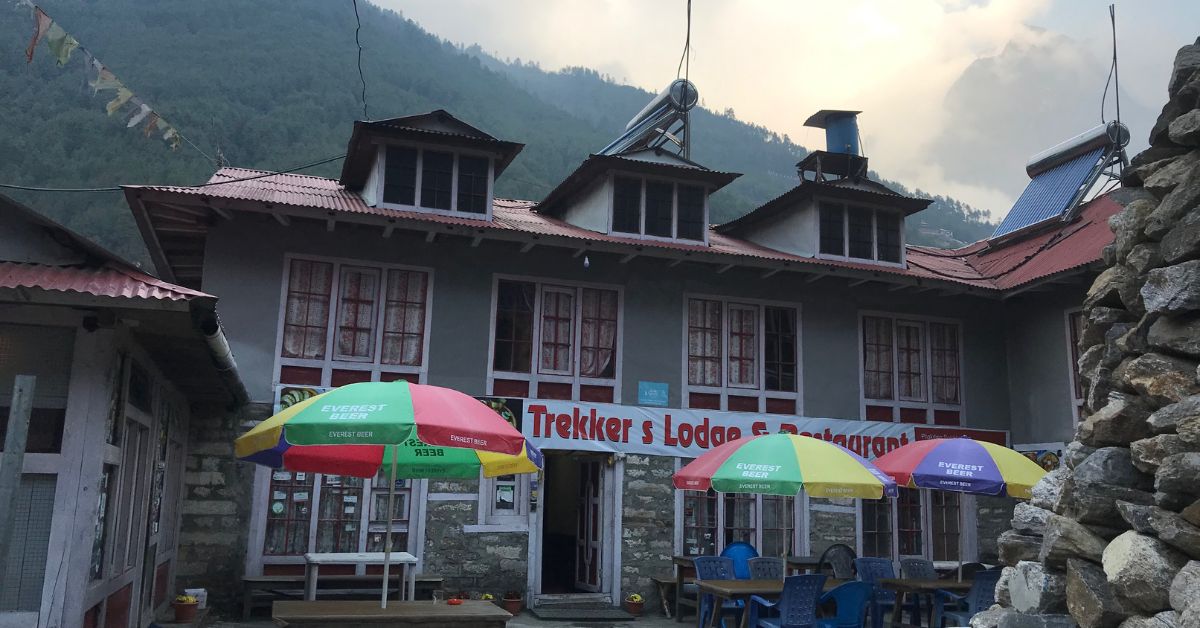
The tea houses in Tengboche are basic but comfortable. The views from the village make up for any lack of amenities.
-
Day 6 : Trek to Dingboche (4,410m) Walking Time: 5 to 6 hours
The trail from Tengboche descends through birch and rhododendron forests. You pass a few small tea houses along the way. The path crosses meadows where yaks graze in summer. Prayer flags flutter in the wind at various points.
You walk through Pangboche village. This is one of the highest permanent settlements in the valley. The village has an old monastery worth a quick visit. The gompa claims to have yeti hand and scalp relics.
After Pangboche, the landscape changes. Trees become rare. The terrain turns rocky and barren. You’re entering the high alpine zone. The air feels thinner here. You notice you breathe harder while walking.
The trail splits before Dingboche. One path goes to Pheriche, another village. Your path goes to Dingboche. The villages sit at similar altitudes. Dingboche has better views of Ama Dablam and Island Peak.
Dingboche sits in the Imja Valley. Stone walls divide the fields. In summer, locals grow potatoes and barley here. In trekking season, you see mostly rocks and brown grass. Your tea house in Dingboche will be colder than lower elevations.
-
Day 7 : Acclimatization Day in Dingboche
This second rest day is crucial. You’re now above 4,400 meters. Altitude affects everyone differently. Some people feel fine. Others get mild headaches or lose their appetite. These symptoms are normal.
The standard acclimatization hike goes to Nagarjun Hill. This viewpoint sits at about 5,100 meters. The climb takes two to three hours. From the top, you see Makalu, the world’s fifth highest mountain. You also get amazing views of Lhotse, Island Peak, and Ama Dablam.
Another option is to hike toward Chhukung. This village sits at the base of Island Peak. The hike takes about two hours each way. The trail is relatively flat. You can see climbers preparing for Island Peak expeditions.
After your morning hike, return to Dingboche for lunch. Spend the afternoon resting.
Your guide checks your oxygen levels again. By now, your body should be producing more red blood cells. This helps you carry oxygen more efficiently. If your levels look good, you’re ready for the higher altitudes ahead.
-
Day 8 : Trek to Lobuche (4,940m) Walking Time: 5 to 6 hours
Leave Dingboche and head up the valley. The trail climbs gradually. You walk on rocky terrain with stunning mountain views. To your left, you see the massive wall of Nuptse and Lhotse.
You pass through Dughla, a small settlement with a few tea houses. Some groups stop here for lunch. Just beyond Dughla, the trail climbs steeply for about an hour. This section is tough. The altitude makes every step harder.
At the top of the climb, you reach a memorial area. Stone pyramids honor climbers who died on Everest and other peaks. Many have plaques with names and dates.
After the memorials, the trail levels out. You walk across the terminal moraine of the Khumbu Glacier. The Glacier itself is hidden under rocks, but you’re walking on it. The landscape is barren and dramatic.
Lobuche appears ahead. It’s a small settlement with just a handful of tea houses. The village sits at nearly 5,000 meters.
The tea house in Lobuche will be the most basic so far. The rooms are very cold. The bathroom facilities are minimal. But the excitement builds. Tomorrow you reach Everest Base Camp.
-
Day 9 : Trek to Everest Base Camp (5,364m), Overnight in Gorak Shep (5,164m) Walking Time: 7 to 8 hours total
Day 9 of your Heli return Everest trek is the big day. Wake up early and have breakfast. Pack a small daypack with water, snacks, and warm layers. Leave your main bag at the tea house. You’ll trek to Gorak Shep first, then to Base Camp.
The trail to Gorak Shep takes about two hours. The path crosses rocky terrain. You see the Khumbu Glacier more clearly now. The ice is covered with rocks and debris. In places, you see blue ice peeking through.
Gorak Shep is a sandy flat area with a few tea houses. You check in and have lunch. Drop your heavy items in your room. Keep only essentials for the hike to Base Camp.
The trail to Base Camp follows the glacier’s edge. It’s rocky and sometimes icy. Prayer flags mark the way. The walk takes about two hours each way. As you get closer, you might see climbers and their colorful tents in climbing season.
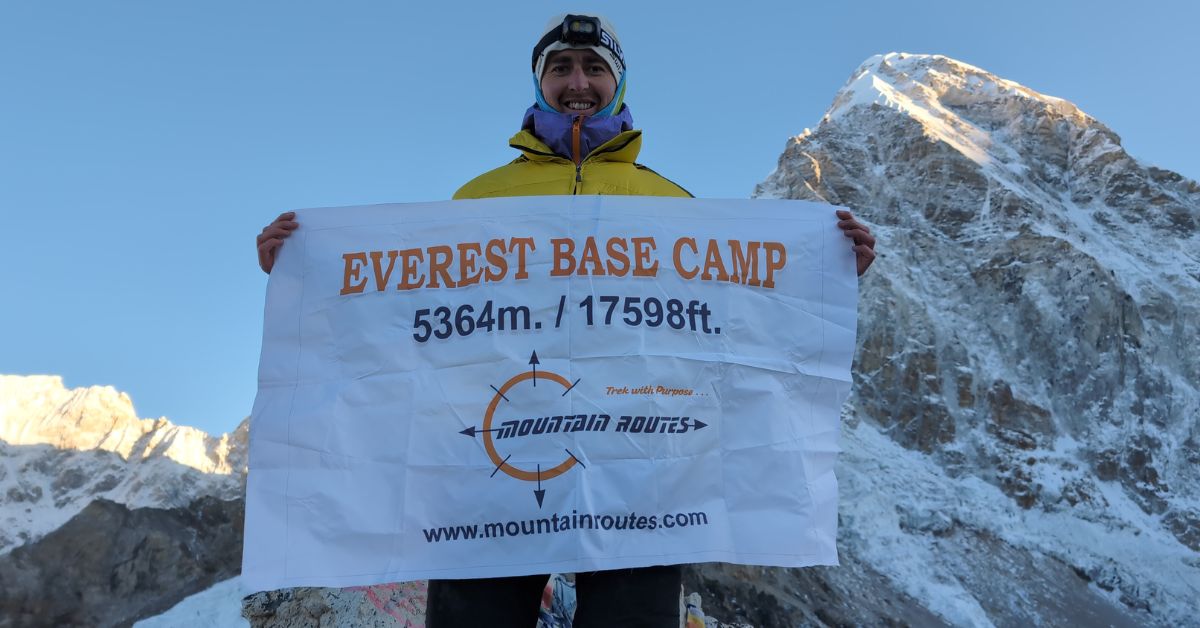
Everest Base Camp itself is anticlimactic for some people. You don’t see Everest’s summit from here. The view is of the Khumbu Icefall. But reaching this spot is still powerful. You’ve walked to the starting point of Everest expeditions. Take photos. Celebrate your achievement.
The return to Gorak Shep feels easier. You’re going slightly downhill. Back at the tea house, you’ll have dinner and rest. Tomorrow brings the helicopter flight. Tonight is your last night on the trek.
-
Day 10 : Hike Kala Patthar (5,540 m), Fly Back by Helicopter 45 to 60 minutes
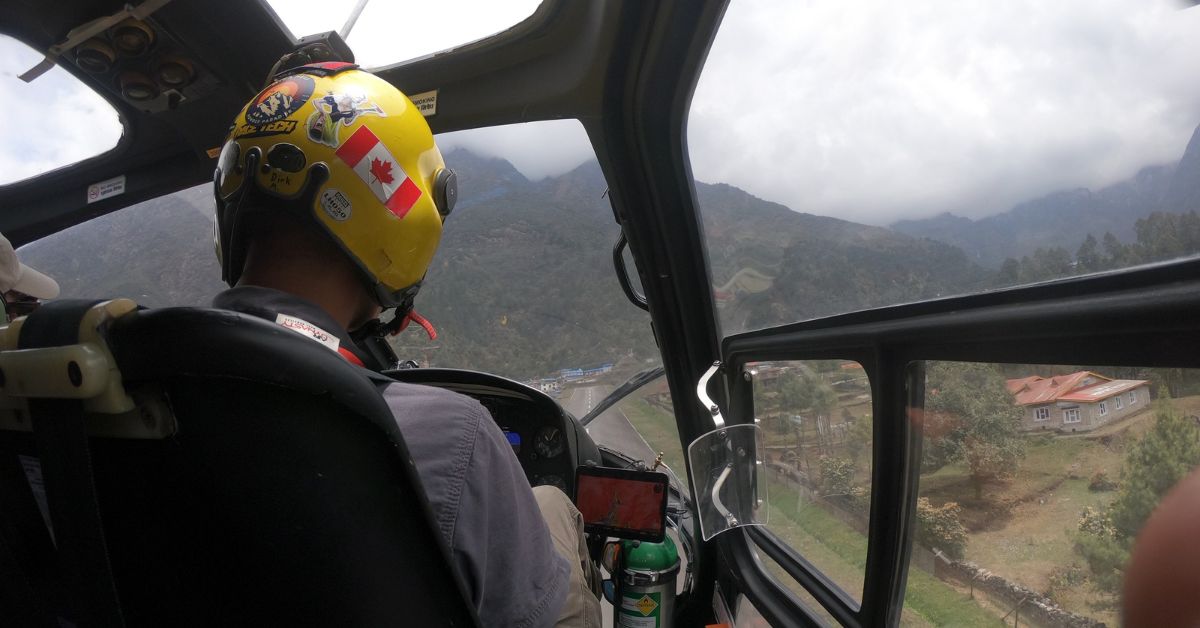
Wake up early for the climb to Kala Patthar (5,540 m). The helicopter usually comes in the morning when weather is most stable. You’ll have a light breakfast. Pack all your belongings. Your porter will carry the group’s main luggage down separately.
The helicopter lands near Gorak Shep. The pilot and crew do a safety briefing. You’ll learn about weight restrictions and seating arrangements. Each helicopter takes five to six passengers. If your group is larger, multiple flights may be needed.
The helicopter takes off and immediately you see the mountains differently. The peaks that seemed so high now appear beside you. The helicopter flies through valleys you walked through days ago. You see Dingboche, Tengboche, and other villages from above.
The flight path usually goes near Ama Dablam. This mountain is stunning from the air. You also fly over the Khumbu region with its terraced fields. As you descend, the landscape changes from barren rock to green forests.
The helicopter lands at Kathmandu’s domestic airport. You have the afternoon and evening free in Kathmandu. Many trekkers celebrate with a nice dinner. Others rest and process the experience. Some start shopping for souvenirs.
a helicopter over the mountains near Lukla during the EBC trek return flight to Kathmandu
Includes
- All transportation during the trip
- Round airfare (Kathmandu-Lukla-Kathmandu)
- Sagarmatha National Park Entry Fee
- Highly experienced English-speaking trekking guide
- Porter (1 porter for 2 trekkers)
- Meals: Breakfast, Lunch, and Dinner
- Accommodation (Three-star in Kathmandu and Teahouses in Trekking)
- First aid box
- All government taxes
- Farewell dinner
- Mountain Routes T-Shirt
Excludes
- International airfare
- Travel Insurance
- Nepal visa fee
- Personal expenses (Phone calls, WiFi, bar bills, laundry, boiled water and hot shower)
- Tipping to porter and guide
Everest Base Camp Trek with Helicopter Return Cost
The Everest Base Camp Trek with Helicopter Return costs USD 2,350 per person when booking as part of a group (minimum 2 trekkers). This all-inclusive package covers your entire mountain adventure from Kathmandu to Base Camp and back.
Mountain Routes believes in complete transparency. Every cost is listed clearly below. No hidden fees will surprise you during or after your trek.
Complete Pricing Breakdown for Your EBC Helicopter Trek
Standard Group Everest Base Camp with Helicopter Return Price
USD 2,350 per person (for groups of 2-12 trekkers)
This price applies when you join our scheduled group departures or book as a private group of two or more people. Solo travelers are welcome to join scheduled groups at this rate.
Solo Traveler Pricing
Solo trekkers pay a premium due to the cost structure of guides, permits, and logistics.
Solo traveler price: USD 2,750-2,850 per person depending on season and services.
Alternatively, solo travelers can join our scheduled group departures at the standard USD 2,350 rate. You’ll share the experience with other trekkers while keeping costs lower.
Group Discounts Available
Traveling with friends or family? Contact us for custom pricing (Group discount available)
Have Questions About This Trek?
Our Everest experts are ready to help you plan your adventure
- ✓ Customizable itineraries
- ✓ Flexible departure dates
- ✓ Group discounts available
- ✓ Free gear advice
Helicopter Flight Details
Where the Helicopter Picks You Up
The standard pickup point is Gorak Shep. This is where you spend your last night on the trek. The helicopter lands on a flat area near the village. The landing zone is well-established and safe.
Sometimes weather or visibility requires an alternate pickup point. Pheriche is the most common alternative. This village sits lower at 4,371 meters. If the helicopter uses Pheriche, you trek down from Gorak Shep on the morning of Day 10. This takes about four hours.
Your guide coordinates with the helicopter company. They monitor weather forecasts. They make the decision based on safety. You’ll know the plan the night before or early in the morning.
Flight Capacity and Weight Limits
Helicopters at high altitude have strict weight limits. The thin air reduces lift capacity. Most helicopters can carry five to six passengers plus the pilot.
The typical weight limit is 250 to 280 kilograms total. This includes passengers and small bags. Each person can bring about 10 to 15 kilograms on the helicopter. This includes your daypack and any valuables.
Your main duffle bag travels back with the porters. They trek it down the traditional way. The bag arrives in Kathmandu a day or two after you. Our office arranges delivery to your hotel.
Before boarding, everyone steps on a scale. The crew calculates total weight. If your group exceeds the limit, they split you into multiple flights. This happens sometimes with larger groups.
Best Time for Everest Base Camp Trek with Helicopter Return
Spring (March to May) and Autumn (September to November) are the ideal seasons for this trek. These months deliver stable weather, crystal-clear skies, and stunning views of Everest and neighboring peaks.
Spring brings comfortable walking conditions. The lower trails burst into color as rhododendrons bloom across the hillsides. Temperatures stay moderate throughout the day. Mountain visibility remains excellent, and helicopter operations run smoothly.
Autumn offers the sharpest mountain views. After monsoon rains cleanse the atmosphere, the air turns crisp and clear. Photographers love this season for its exceptional clarity. Helicopter flights operate reliably during these months.
Winter suits experienced trekkers seeking solitude. December through February means empty trails and peaceful surroundings. However, temperatures drop dramatically at night. Quality cold-weather gear becomes necessary for comfort.
Monsoon season presents real challenges. June to August transforms the landscape into lush greenery, but clouds and rain arrive frequently. Flight delays affect both the Kathmandu-Lukla connection and helicopter returns.
Spring or autumn work best for reliable conditions and smooth helicopter operations.
Trek Difficulty and Fitness Level
The Everest Base Camp trek sits at moderate difficulty. Daily walking ranges from five to seven hours as the route climbs gradually. This slow ascent helps bodies adjust to altitude changes.
No technical climbing skills are needed. The trail follows well-established paths with stone steps and suspension bridges. Thousands of trekkers use these routes each season.
Altitude affects performance more than terrain. Less oxygen at high elevations makes normal activities feel harder. Bodies work overtime to function properly in thin air.
Preparation improves the experience significantly. Regular walking, stair climbing, or light cardio for six to eight weeks before departure builds the fitness base needed. Training makes the actual trek more enjoyable.
The helicopter return removes significant strain. It eliminates the four-day descent that tests knees and joints. Instead of a tiring walk back, the journey ends with a scenic mountain flight.
Accommodation and Meals on the Trek
Mountain tea houses provide lodging throughout the journey. These family-run lodges offer twin-sharing rooms with blankets and shared bathroom facilities. Accommodations stay simple but serve their purpose well.
Meals come freshly prepared and hearty. Dal Bhat, a traditional rice and lentil dish, forms the menu backbone. Noodles, pancakes, soups, and tea round out the options. The food provides solid fuel for daily trekking.
Dining halls become social centers each evening. A central stove provides warmth as trekkers gather around it. Stories get shared, friendships form, and the communal atmosphere creates memorable moments.
Upgraded options exist for those wanting more comfort. Better lodges or private rooms can be arranged where available. These upgrades should be discussed during the booking process.
Required Permits and Safety Measures
Two permits are mandatory:
- Sagarmatha National Park Entry Permit
- Khumbu Pasang Lhamu Rural Municipality Permit
We handle all permit paperwork before departure. Trekkers simply provide passport copies and photos.
Safety remains the top priority on every trek. All guides hold proper licenses and receive training in first aid and altitude management. They recognize warning signs early and respond appropriately.
Packing Essentials for the Trek
Smart packing makes the trek more comfortable and safer. Here are the necessities:
Footwear and Clothing:
- Well-broken-in trekking boots
- Layered clothing for temperature changes
- Down jacket for high-altitude cold
- Warm gloves and wool hat
- UV-protection sunglasses
Essential Gear:
- Cold-weather sleeping bag
- Headlamp with spare batteries
- Power bank for electronic devices
- Trekking poles for steep sections
- Reusable water bottle or hydration system
Important Items:
- Sunscreen and lip balm with SPF
- Personal medications
- Basic toiletries
- Duffel bag for porters (15-20 kg maximum for helicopter weight limits)
Booking and Customization: How to Book for EBC Trek with Heli Return?
Booking the EBC Trek with Helicopter Return follows a straightforward process. Contact Mountain Routes through the website or direct inquiry. A small advance deposit secures the reservation, and the team assists with preparation before arrival in Kathmandu.
Available Customization Options
Group Arrangements:
- Private treks for specific groups
- Join scheduled departures with other trekkers
- Group sizes accommodate 2 to 12 people
Flexible Scheduling:
- Choose preferred start dates during trekking seasons
- Early booking recommended for peak months
Accommodation Upgrades:
- Enhanced lodges where available
- Private room options at select locations
Itinerary Modifications:
- Shortened versions for time constraints
- Extended trips with additional destinations
- Adjusted pace based on fitness levels
Additional Activities:
- Kathmandu cultural tours
- Valley day trips
- Combined adventure packages
Frequently Asked Questions
The trek takes 10 days in total. You’ll hike to Everest Base Camp and fly back to Kathmandu by helicopter, saving three to four walking days.
The highest point is 5,364 meters at Everest Base Camp. The helicopter picks you up from Gorak Shep, which sits at around 5,180 meters.
Yes. All flights are operated by licensed pilots and experienced aviation crews. Mountain Routes works only with certified partners who follow strict safety rules.
The helicopter carries up to five passengers and one pilot per flight. For larger groups, multiple flights are arranged safely and efficiently.
No previous trekking experience is required. Good physical fitness and a positive attitude are enough. The trail is well-established, and the pace is set for proper acclimatization.
If the weather changes, flights may be delayed or rescheduled for safety.
You’ll stay in traditional mountain teahouses. Rooms are simple but comfortable, with warm dining areas and shared bathrooms at higher altitudes.
Yes, travel insurance for EBC trek is mandatory. It must cover helicopter evacuation up to 6,000 meters in case of medical or weather emergencies.
Yes. You can choose private or group departures, adjust the duration, or add luxury lodge options. Mountain Routes helps design your trek according to your comfort and travel goals.
Reviews (3 reviews)
D
Dave Walters
UK · October 14, 2025
Review for:
Everest Base Camp Trek with Helicopter Return
We have had the best time. We did the Everest Base Camp with Mountain routes. Our guide MG was very knowledgeable and informative. There were a few delays our end initially due to the weather but MG and his company kept us informed all the way and rearranged all of our plans and travel arrangements so that we could get on with our trek as effortlessly as possible.
We have had a great trip and once we landed in Lukla they even arranged perfect weather for us. I would highly recommend this company.
Dave Walters UK
Reviews (3 reviews)
J
Jarvis Biffin
I recently completed the Everest Basecamp trek with the Mountain routes team. It was a good challenging 11 days that I can comfortably say were some of the best days of my life. The team made me feel so safe and secure and prepared, they made our health and wellbeing first priority and were always there if we ever needed. The guide (MG) was so bubbly and caring the whole time and always the one cracking jokes and lifting team morale. Our porter Santhos was a legend, so impressive how easily he carried up around 6x the weight I was carrying and meant I only needed my day pack for the trekking. I can’t wait to come back it Nepal and complete another trek with this amazing upcoming company!!
Reviews (3 reviews)
S
Sebastian Deecke
May 22, 2025I just came back from the most amazing experience trekking to the Everest Base Camp! I’m so glad I booked it through Mountain Routes, they’ll take care of everything for you and Furi (the guide) and Dawa (the porter) were just absolutely amazing in every aspect! Shristy was great at organizing everything for us. Can’t wait to see them again on my next trip to Nepal!
Why Mountain Routes ?
- Local Support
- Instant Response
- Customized Packages
- Friendly and Professional Guides
Not satisfied with what we offer ?
We can customize the trip for you.





 Chat on WhatsApp