Everest View Trek Guide: Route, Itinerary, Cost, and Best Time
The Everest View Trek is a short, scenic trek that offers beautiful views of Mount Everest and nearby peaks. The trail goes through the Khumbu region, known for its warm Sherpa people and quiet mountain villages.
Starting from Kathmandu, the trip begins with a short flight to Lukla. From there, the trail leads through Phakding and Namche Bazaar, two of the most vibrant stops on the route.
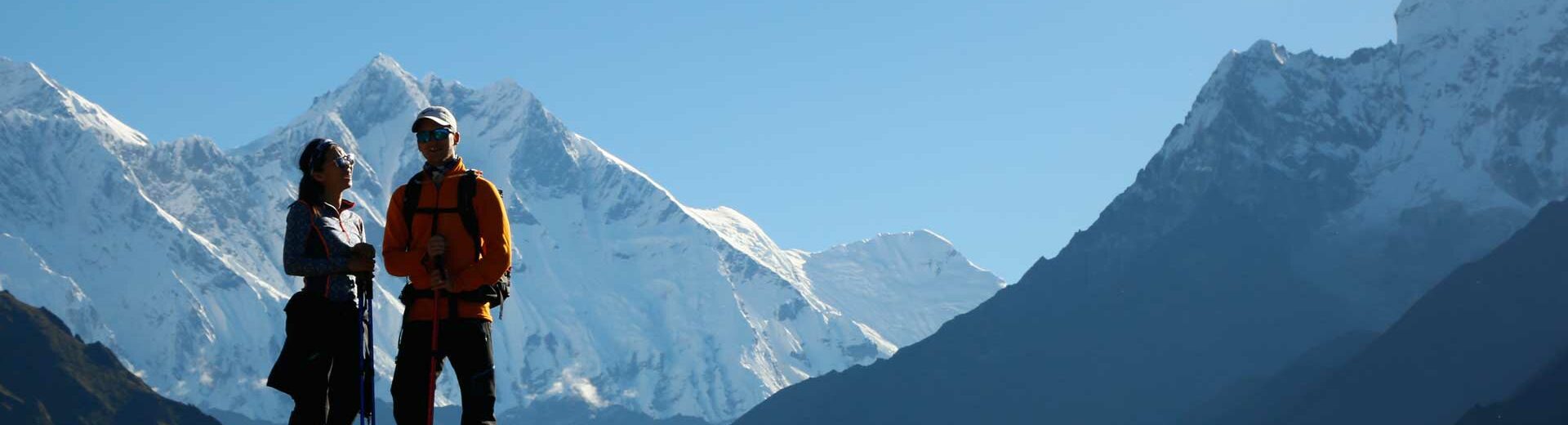
One of the main highlights of the trek is the visit to the Everest View Hotel, which has a panorama view of Everest, Ama Dablam, and Lhotse.
The Everest Panorama View Trek is ideal for those who want to experience the beauty of the Himalayas more quickly and easily.
The route offers cozy teahouses, gentle trails, and authentic Sherpa culture. If you’re looking for a short trek to see Everest or an easy trek in Nepal, the Everest View Trek is the perfect choice.
Where is Everest View Trek?
The Everest View Trek is in the Khumbu region of northeastern Nepal. This area is part of Sagarmatha National Park, a UNESCO World Heritage Site. It is famous for its rich culture and stunning mountain views. The Sherpa people live here, known for their kind smiles and strong bond with the Himalayas.
Your trip starts with a short flight from Kathmandu to Lukla. Lukla is called the gateway to Everest because it leads to the main trekking trail. From Lukla, you walk through green valleys and cross hanging bridges.
Along the way, you pass small villages covered in colorful prayer flags and stone walls with carved prayers.
The trek leads to Namche Bazaar, the biggest town in the Khumbu region. It is also a major stop for trekkers heading toward Everest Base Camp.
From Namche, you’ll take a short hike to the Everest View Hotel, one of the highest-placed hotels in the world.
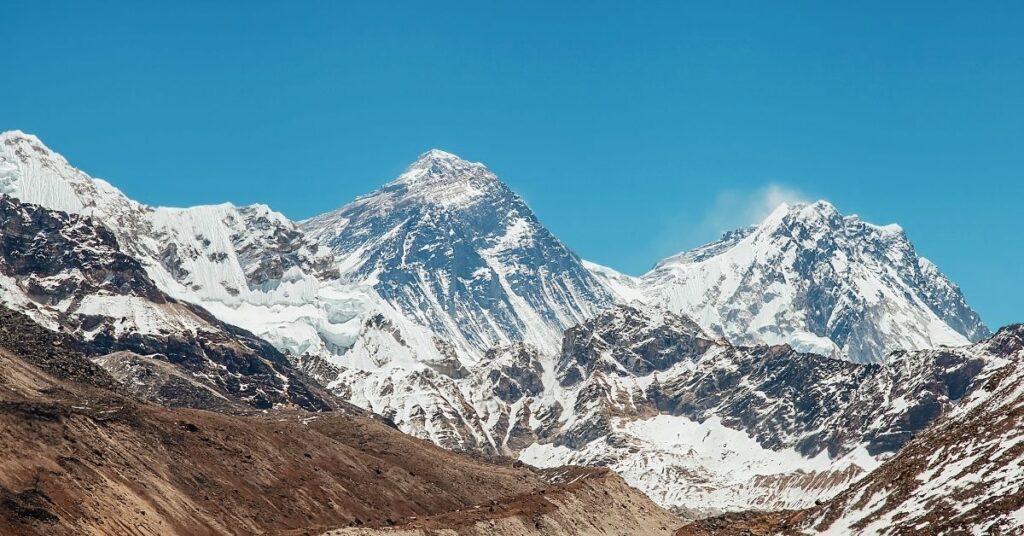
On a clear day, you can see Mount Everest, Ama Dablam, Thamserku, and Lhotse shining against the blue sky.
The Everest Panorama Trek route offers a short and rewarding journey for those who want to experience the beauty of the Himalayas without the long days of trekking. It’s often called one of the best short treks in Nepal and a perfect choice for beginners who want to see Everest up close.
Why Choose the Everest View Trek?
The Everest View Trek is one of the easiest and most scenic treks in Nepal. It offers stunning Himalayan views in just 5–7 days. The route passes through the Khumbu region, known for its warm Sherpa culture and peaceful mountain villages.
Top Reasons to Choose the Everest Panorama View Trek:
- Takes only 5–7 days with short, easy walks.
- Shows clear views of Mount Everest and nearby peaks.
- Offers cozy teahouses with warm meals and local comfort.
- Connects you with friendly Sherpa communities.
- Great for first-time trekkers or short holidays in Nepal.
The trek combines adventure, comfort, and culture in the best way. While Annapurna or Langtang treks need more days and climbing, the Everest View Trek gives the same joy in less time. You can enjoy wide mountain views, quiet trails, and friendly locals each day.
Everest View Trek vs. 12 Days Everest Base Camp Trek
The Everest View Trek is short and easy, while the Everest Base Camp Trek takes around 12 days and reaches higher altitudes. The base camp trek offers a close-up view of Everest but needs strong fitness and more time. The Everest Panorama Trek gives stunning panoramas with less effort.
Everest View Trek Route Overview
The Everest View Trek takes you to the Khumbu region, home to kind Sherpa people and tall snowy peaks. Your trip begins in Kathmandu with a short flight to Lukla, the gateway to Everest. During the flight, you’ll see amazing views of the Himalayas, giving you a taste of the adventure ahead.
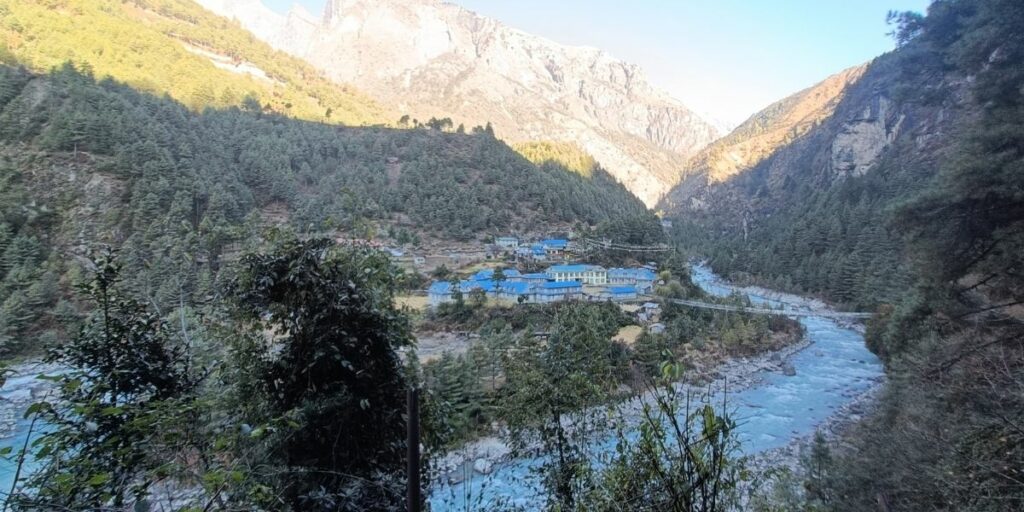
From Lukla, you begin your walk to Phakding, a quiet village beside the Dudh Koshi River. The trail goes through pine forests and crosses small hanging bridges covered with bright prayer flags. You’ll spend your first night in a quiet mountain village, surrounded by peace and friendly locals.
The next day, the trail slowly climbs up to Namche Bazaar, a lively Sherpa town and the main stop for trekkers in the Everest region. It’s a perfect place to rest, explore local markets, and catch your first glimpse of Mount Everest and Ama Dablam. The air feels fresh, and the scenery becomes more dramatic with each step.
From Namche, you’ll take a short hike to the Everest View Hotel, one of the highest-altitude hotels in the world. The viewpoint from here is among the most famous in Nepal.
On a clear day, you can see Mount Everest, Lhotse, Thamserku, and Nuptse shining across the skyline. The experience feels peaceful yet inspiring, as if the mountains are right before you.
Next, you walk to Syangboche, a quiet place with wide mountain views and a peaceful feel. After enjoying the view, you head back through Namche and Phakding, then return to Lukla. The next day, you fly back to Kathmandu, ending your short but unforgettable trip.
The Everest Panorama Trek may look simple on a map, but every step is full of beauty and culture. It’s one of the best short treks in Nepal, perfect for beginners, families, or anyone who wants to see Mount Everest without going all the way to base camp.
Route Summary:
Kathmandu → Lukla (flight) → Phakding → Namche Bazaar → Everest View Hotel → Syangboche → Namche → Phakding → Lukla → Kathmandu (flight)
Detailed Everest View Trek Itinerary (5–7 Days)
The Everest View Trek itinerary is short yet filled with unforgettable experiences. Each day offers a new view of the Himalayas and a glimpse into the lifestyle of the Sherpa people. The route allows you to enjoy mountain scenery, local culture, and comfortable teahouse stays along the way. Here’s a detailed look at the day-by-day journey.
- Day 1: Fly to Lukla, Trek to Phakding (2,610 m)
- Day 2: Trek to Namche Bazaar (3,440 m)
- Day 3: Acclimatization Hike to Everest View Hotel and Syangboche (3,880 m)
- Day 4: Return to Phakding (2,610 m)
- Day 5: Fly Back to Kathmandu (1,400 m)
Day 1: Fly to Lukla, Trek to Phakding (2,610 m)
Your adventure begins with a short flight from Kathmandu to Lukla, one of the most scenic flights in the world. The flight takes about 30 minutes and offers your first aerial view of the Everest range. Once you land at Lukla, you’ll meet your guide and porter and start your trek toward Phakding.
The trail descends gradually through forests of pine and rhododendron. You’ll walk along the Dudh Koshi River and cross a few hanging bridges decorated with prayer flags. After a few hours of easy walking, you’ll reach Phakding, a quiet riverside village where you’ll rest for the night.
Day 2: Trek to Namche Bazaar (3,440 m)
The second day is one of the most rewarding parts of the trek. The trail follows the Dudh Koshi River and passes through small villages and suspension bridges.
As you move higher, the sound of the river fades, and the air feels fresher and cooler.
You’ll enter Sagarmatha National Park, a UNESCO World Heritage Site, and continue your walk toward Namche Bazaar.
The final climb to Namche is steep but worth it. Once you arrive, you’ll see a lively mountain town filled with shops, bakeries, and smiling faces. In the evening, you can relax, explore, or enjoy the mountain view from your teahouse.
Day 3: Acclimatization Hike to Everest View Hotel and Syangboche (3,880 m)
Today is an acclimatization day to help your body adjust to the higher altitude. After breakfast, you’ll hike up to the Everest View Hotel, one of the highest hotels in the world.
The hike takes about two hours and rewards you with a clear view of Mount Everest, Ama Dablam, Lhotse, and Thamserku.
You’ll continue to Syangboche, a quiet area with an old airstrip and wide-open mountain views. It’s a great place for photography and short walks. After enjoying the views, you’ll return to Namche Bazaar for the night.
This day helps you adapt to the altitude while soaking in the beauty of the Everest panoramic view trek.
Day 4: Return to Phakding (2,610 m)
After breakfast, you’ll start your descent back to Phakding. The trail goes downhill through forests and crosses several suspension bridges. You’ll pass the same villages, giving you another chance to enjoy their peaceful charm.
The trek feels easier as you move down to lower altitudes. You can take your time, enjoy local food, and interact with villagers along the way. By afternoon, you’ll reach Phakding, where you’ll spend your last night on the trail.
Day 5: Fly Back to Kathmandu (1,400 m)
In the morning, you’ll trek back to Lukla and take your flight to Kathmandu. If the weather is clear, the flight gives you one last view of the snow-covered Himalayas.
Once you reach Kathmandu, you can relax, explore the city, or celebrate the completion of your trek.
Optional: Extend to 6–7 Days
If you have extra time, you can spend an extra day in Namche Bazaar or visit Khumjung Village. Khumjung is one of the oldest Sherpa villages.
You can see local monasteries, visit a school built by Sir Edmund Hillary, or enjoy the quiet mountain life. This short extra trip shows more of the culture in the Everest region.
Major Highlights of the Everest View Trek
The Everest Panorama View Trek is one of the most popular short treks in Nepal. It gives you the chance to see the beauty of the Himalayas in a short time.
Here’s why many travelers choose this trek:
- Close View of Mount Everest: You can see Mount Everest and other stunning peaks like Ama Dablam and Lhotse without going to base camp. The Everest panoramic view trek offers one of the best viewpoints in the region.
- Perfect for Beginners: This is an easy trek in Nepal, ideal for people with no trekking experience. The trails are short, safe, and not too steep. Even first-time trekkers can enjoy the journey comfortably.
- Rich Sherpa Culture: You will walk through traditional Sherpa villages, visit monasteries, and meet friendly locals. Their hospitality and way of life make this trek feel warm and welcoming.
- Stunning Scenery and Nature: The trail passes through forests of pine and rhododendron. You’ll cross hanging bridges and enjoy peaceful paths with mountain views at every turn.
- Comfortable Accommodation: You’ll find cozy teahouses and hotels along the way. The Everest View Hotel is the highlight, offering breathtaking views of the world’s tallest peaks right from your window.
You can also check out other amazing Mount Everest viewpoints in Nepal that offer stunning Everest views.
Difficulty Level and Fitness Requirement
The Everest View Trek is one of the easiest treks in the Everest region. The trails are gentle, well-kept, and good for beginners. You don’t need any previous trekking experience. It is perfect for first-time trekkers, families, or older travelers. Even though it is easy, you should have some basic fitness. Walking 4–6 hours a day at higher altitudes can be tiring.
Doing regular exercise, like walking, jogging, or climbing stairs before the trek, can make it easier.
The highest point on this trek is about 3,880 meters at the Everest View Hotel. Some people may feel mild effects of altitude, like shortness of breath or a small headache. Taking your time, drinking water, and walking slowly will help your body adjust.
Overall, the Everest short trek is beginner-friendly and very rewarding. You can enjoy the Himalayas without steep climbs or very high altitudes. It is a great choice if you want an easy trek to see Mount Everest with comfort and amazing views.
Accommodation, Meals, and Local Culture
Most trekkers during their Everest trek stay in cozy teahouses or lodges, which provide warm rooms and basic facilities. At higher altitudes, you may find simpler rooms, but they are clean and welcoming.
Meals on the trek are simple, filling, and often include local dishes such as dal bhat (rice and lentils), noodles, and soups. You can also find international options like pasta, pancakes, and tea. Hot drinks and snacks are available throughout the trek to keep you energized.
The trek also gives a wonderful opportunity to experience Sherpa culture. You will pass through villages with prayer flags, mani walls, and monasteries. Friendly locals often share stories about their traditions and mountain life. Festivals, local handicrafts, and small markets add more charm to the journey.
Staying in teahouses lets you meet other trekkers and connect with local people. You can enjoy the calm mountain life, try local food, and feel the warmth of the Sherpa community. This mix of comfort, food, and culture makes the Everest View Trek fun and memorable.
Permits Required for the Everest View Trek
To trek in the Everest region, you need a few permits. These ensure safety, conservation, and legal trekking in Sagarmatha National Park. Most can be obtained in Kathmandu or Lukla before starting the trek.
1. Sagarmatha National Park Permit (SNP Permit)
This permit allows entry into Sagarmatha National Park, where Mount Everest is located. It is required for all trekkers visiting the Everest region. The permit helps protect the natural environment and wildlife. You need to carry it throughout the trek.
2. Khumbu Pasang Lhamu Rural Municipality Permit (if applicable)
For some areas near Namche Bazaar or villages beyond Lukla, local permits may be required. These are issued by the Khumbu Pasang Lhamu Rural Municipality office. They help support local communities and trekking infrastructure.
3. Additional Permits for Extended Treks
If you plan to extend your trek to nearby regions, such as Khumjung village or other high-altitude routes, additional local permits may be needed. Your trekking agency can guide you on these permits.
Best Time to Do the Everest View Trek
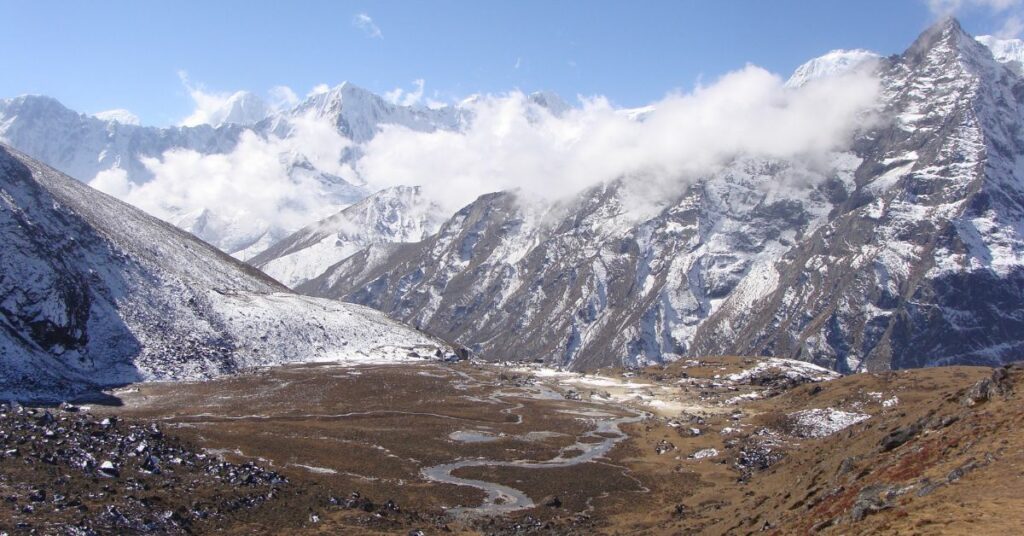
The best time for the Everest View Trek is in spring (March to May) and autumn (September to November). The weather is clear, the skies are bright, and the mountain views are amazing. In spring, the trails are full of colorful rhododendron flowers. In autumn, the air is crisp, and the weather is steady.
These months are perfect for taking photos of Mount Everest, Ama Dablam, and Lhotse.
Winter (December to February) is colder and may have some snow, but there are fewer trekkers. Summer (June to August) is the monsoon season. Rain and clouds can make trails slippery and block the views. Planning the trek in spring or autumn gives you the best weather, clear views, and a safe, enjoyable trek. These months are ideal for a short and memorable Everest region adventure.
Packing Essentials and Preparation Tips
Packing the right gear is important for a safe and comfortable Everest Trek. Even though it is a short Everest trek and easy, the right clothes, equipment, and preparation make it more fun.
Here are the essentials for beginners:
- Layered Clothing: Wear light base layers, warm middle layers, and a waterproof jacket for changing weather.
- Good Trekking Shoes: Comfortable hiking boots with a strong grip are important for rocky trails.
- Warm Accessories: Bring gloves, a hat, scarf, and warm socks for higher altitudes.
- Backpack Essentials: Carry water, snacks, sunscreen, sunglasses, and a small first-aid kit.
- Trekking Poles: Help with balance on bridges and downhill paths.
- Travel Documents: Keep your permits, ID, flight tickets, and emergency contacts safe.
- Health Preparation: Drink enough water, do light exercise before the trek, and take time to adjust to the altitude.
- Camera or Phone: To take photos of the Himalayas and Sherpa villages.
- Reusable Water Bottle: Stay hydrated and reduce plastic waste.
- Snacks and Energy Bars: Useful on long walks or where food is limited.
Everest View Trek Cost Breakdown (Estimated)
The total cost for the Everest View Trek is approximately $1000 per person. This includes flights, accommodation, meals, permits, guide services, and basic trekking gear. Breaking down the costs helps you plan your budget and know what to expect.
| Expense Category | Estimated Cost (per person) | Notes |
| Kathmandu to Lukla Flights | $350 | Round-trip flight; prices vary by season. |
| Accommodation & Meals | $250 | Teahouse stays, 2–3 meals per day included. |
| Permits & TIMS Card | $60 | Includes Sagarmatha National Park permit and TIMS card. |
| Guide & Porter | $200 | Recommended for safety, navigation, and cultural insight. |
| Transportation & Miscellaneous | $70 | Airport transfers, local transport, and minor expenses. |
| Contingency/Emergency Fund | $70 | For unexpected costs, health, or weather delays. |
| Total Estimated Cost | $1000 | Approximate cost per person for the full trek. |
Comparing Everest View Trek with Other Short Treks in Nepal
Choosing the right trek in Nepal can be challenging with so many options. The Everest View Trek stands out for its ease, short duration, and stunning Himalayan scenery.
The table below compares it with other popular short treks, showing why it is one of the best short treks in Nepal for beginners, families, and travelers with limited time.
| Basis | Everest View Trek | Annapurna Base Camp Short Trek | Ghorepani Poon Hill Trek | Langtang Valley Trek |
| Duration | 5–7 days | 7–8 days | 4–5 days | 5–6 days |
| Difficulty | Easy, gentle trails | Moderate, steeper climbs | Easy, well-maintained trails | Moderate, some uphill sections |
| Highest Altitude | 3,880 m (Everest View Hotel) | 4,130 m (ABC) | 3,210 m (Poon Hill) | 3,870 m (Langtang Lirung viewpoint) |
| Mountain Views | Mount Everest, Ama Dablam, Lhotse | Annapurna I, Machhapuchhre | Dhaulagiri, Annapurna range | Langtang Lirung, Ganesh Himal |
| Cultural Experience | Sherpa villages, monasteries, prayer flags | Gurung villages, local markets | Gurung villages, traditional culture | Tamang villages, monasteries |
| Why Choose | Short, beginner-friendly, iconic Everest views, cozy teahouses | Longer trek with Annapurna range views, more effort required | Quick trek, good for Annapurna panoramas | Moderate trek, beautiful valley, less Everest visibility |
Frequently Asked Questions (FAQs)
1) How long does the Everest View Trek take?
The Everest View Trek usually takes 5 to 7 days, depending on your pace and stops. Most people follow a 5-day route:
Kathmandu → Lukla → Phakding → Namche Bazaar → Everest View Hotel → Syangboche → back to Lukla.
If you want more time to rest or see local culture, you can make it 6–7 days and visit Namche Bazaar or Khumjung Village.
2) Is it suitable for beginners?
Yes, the trek is beginner-friendly and easy to moderate. Trails are mostly gentle, well-maintained, and clearly marked. Daily walking hours range from 4–6 hours, which is manageable for anyone with basic fitness.
Comfortable teahouse accommodations along the route allow for proper rest. Families, older travelers, and first-time trekkers can complete the trek without needing prior trekking experience.
3) What is the highest altitude?
The highest point of the trek is the Everest View Hotel at 3,880 meters (12,730 feet). This is a moderate altitude, but some people may feel mild altitude effects like shortness of breath, headaches, or tiredness.
To stay safe, walk slowly, drink plenty of water, and take breaks to adjust. Compared to other treks in the Everest region, this trek is safe and beginner-friendly.
4) Can I see Mount Everest clearly?
Yes, the trek gives amazing views of Mount Everest, Ama Dablam, Lhotse, and other Himalayan peaks.
The Everest View Hotel and Syangboche are the best spots to see them clearly. Weather matters, so spring and autumn are the best times for clear views.
Photographers and travelers love this trek because it shows the iconic Everest mountains in just a few days.
5) Do I need travel insurance?
Yes, travel insurance is highly recommended for all trekkers. Your policy should cover trekking, medical emergencies, and helicopter evacuation if necessary.
Even though the trek is easy, accidents, sudden altitude sickness, or bad weather can occur. Having insurance ensures safety and peace of mind throughout the Everest short trek.
6) When is the best time to fly to Lukla?
The best time to fly to Lukla is spring (March–May) or autumn (September–November). During these months, the skies are clear, weather is stable, and visibility of Mount Everest and other peaks is excellent.
Winter (December–February) is colder and some trails may have snow.
Summer (June–August) is the monsoon season, which can make trails slippery and views cloudy. Choosing the right season ensures safer trekking and spectacular Himalayan scenery.





 Chat on WhatsApp