Food, Drink, and Accommodation Costs on the EBC Trek
Around 70% of travelers come to Nepal every year to see the mountains, but not everyone sets out just for the peaks. Many are drawn by the charm of small villages, the warmth of tea houses, the taste of local foods, and the simple mountain accommodation that makes the journey unforgettable. On the Everest Base Camp trek, every meal and every overnight stay is part of the adventure, whether it’s sharing a plate of dal bhat with fellow trekkers or sipping hot ginger tea by a yak-dung stove in a cozy lodge. But these unique experiences come with their own costs. Since porters or yaks carry up everything from rice to bottled water, prices rise the higher you go. That’s why understanding the cost of food, drinks, and accommodation is just as important as packing your boots and jacket.
Accommodation Costs Along the EBC Trail
Along the Everest Base Camp trail, Accommodation mainly comes in the form of tea houses, which are simple but welcoming lodges run by local families. Basic tea houses are the most common and cost around $3 to $5 per night in the lower villages. As you climb higher, especially toward places like Gorak Shep, the price can go up to $10 per night, though the facilities remain simple with twin beds, shared toilets, and no heating in the rooms.
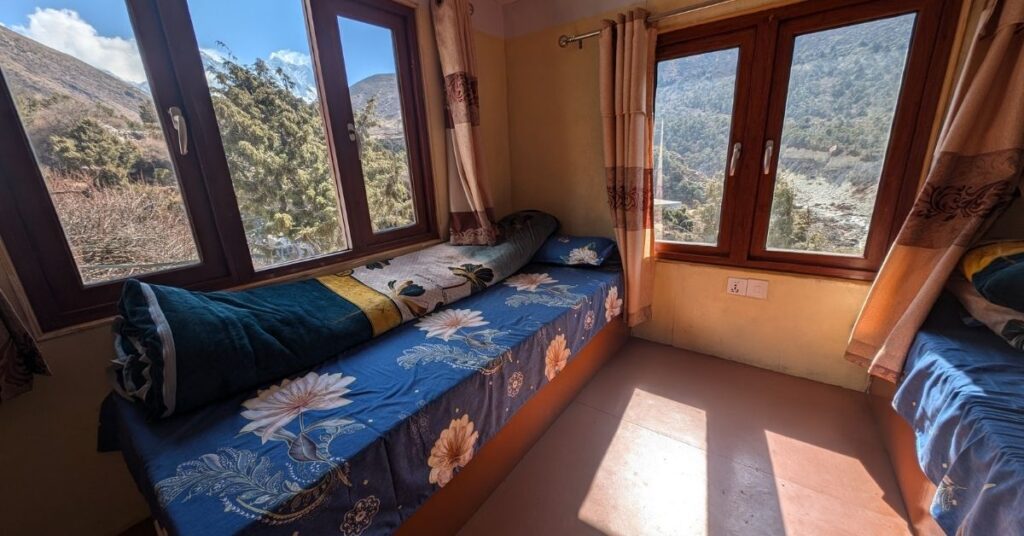
If you’re looking for a bit more comfort, mid-range lodges are available in some parts of the trail, costing around $10 to $20 per night and offering slightly cleaner rooms, cozier dining areas, and sometimes attached bathrooms. For trekkers who prefer extra comfort, there are also luxury lodges in certain villages, which can cost $40 to $50 or more per night. These provide better meals, private bathrooms, and more comfort, but they are limited to lower-altitude villages. Overall, the Accommodation is basic but adds to the charm of the trek, giving you a chance to experience the mountain lifestyle while resting after long hiking days.
Food Costs on the Trek
Trekking to Everest Base Camp isn’t just a journey through majestic landscapes; it’s also a culinary tour, where food prices subtly rise with every ascent. Here’s what you can realistically expect to spend on meals throughout the trail:
Lower Altitudes (Lukla to Namche Bazaar)
In the lower region of the trek, food is relatively more affordable and varied. A standard meal here costs between $3-$7, with dal bhat priced around $3.50–$5 (ie, NPR 400–600). Trekkers can enjoy a wide range of options, from local dishes like momos and thukpa to Western favorites such as pancakes, pasta, and fried rice. Since Lukla and Namche are well connected with supply routes, ingredients are fresher, and menus are more diverse. This is also the best section of the trek to enjoy meat dishes, though most trekkers still prefer vegetarian meals for safety.
Mid-Altitude (Tengboche, Dingboche)
As you ascend to mid-altitude villages, food prices rise due to increased transport costs. Meals here generally range between $5–$10, with dal bhat costing around $4-$7 (ie, NPR 600–900). Choices remain decent, but portions may feel smaller compared to the lower region. Trekkers will still find both Nepali staples and Western-inspired meals, though at higher prices. Hot soups like thukpa or noodle soup become especially popular at this altitude, not just for energy but also for warmth during chilly evenings.
Higher Altitudes (Lobuche, Gorak Shep)
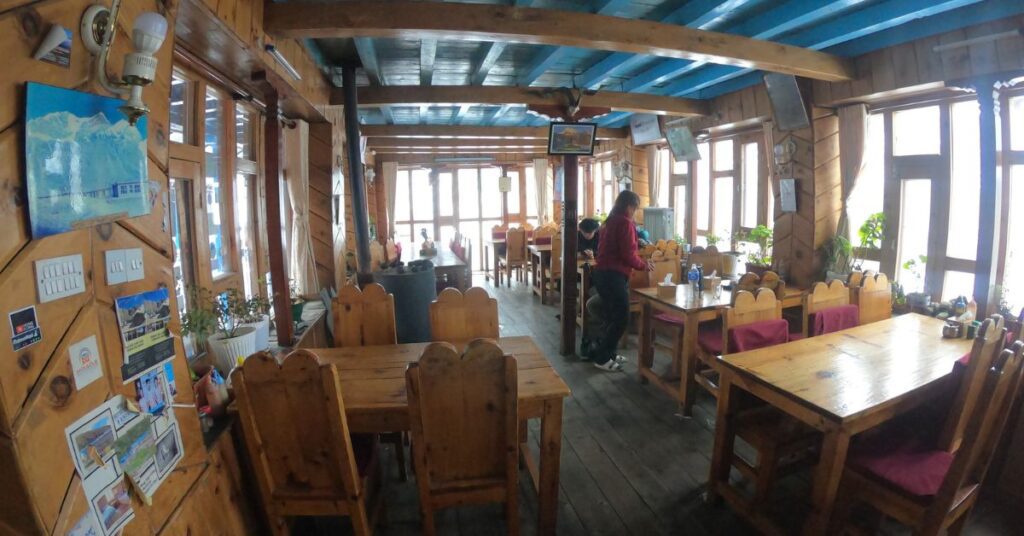
In the highest stretches of the EBC trek, food prices climb steeply, reflecting the difficulty of transporting supplies by yak or porter. A single meal here can cost anywhere from $10–20, and dal bhat can reach around $7 to $12 (ie, NPR 1000–1800). While tea houses still offer a familiar menu of rice, noodles, pasta, and potatoes, the quality and freshness decline with altitude. Meat is rare and not recommended, as it is carried up from lower regions without refrigeration. Trekkers often rely on carbohydrate-heavy meals for stamina and warmth. Carrying snacks like energy bars or dried fruits from Kathmandu is highly recommended to balance costs.
Daily Food Budget
On average, trekkers should set aside around $20 to $30 per day for food and drinks, though this amount can rise significantly at higher camps if you add tea, boiled water, or snacks. Budget-conscious trekkers stick to dal bhat for value (often with free refills), while those who enjoy varied meals or Western dishes can expect to spend more.
Drink and Hydration Costs
Staying hydrated on the Everest Base Camp trek is essential, but water and beverages come with a noticeable cost that increases with altitude. In lower villages like Lukla and Namche, bottled water typically costs $1 – $2 per litre, while tea, coffee, and hot lemon drinks are around $1 – $3 per cup. As you climb higher to places like Tengboche, Dingboche, and Lobuche, these prices rise due to the difficulty of transporting supplies; hot drinks can reach $4 – $5 per cup, and bottled water may cost $3 – $4 per litre. Many trekkers opt for boiled water, often provided at tea houses for a small fee, or carry water purification tablets or filter bottles to save money and reduce plastic waste. Herbal teas and energy drinks are also popular at higher altitudes, providing warmth and extra calories but at an additional cost. It’s important to budget for hydration, as even small daily expenses can add up over the two-week trek, and to plan with reusable bottles or purification methods to stay safe and hydrated without overspending.
Extra Hidden Costs in Tea Houses
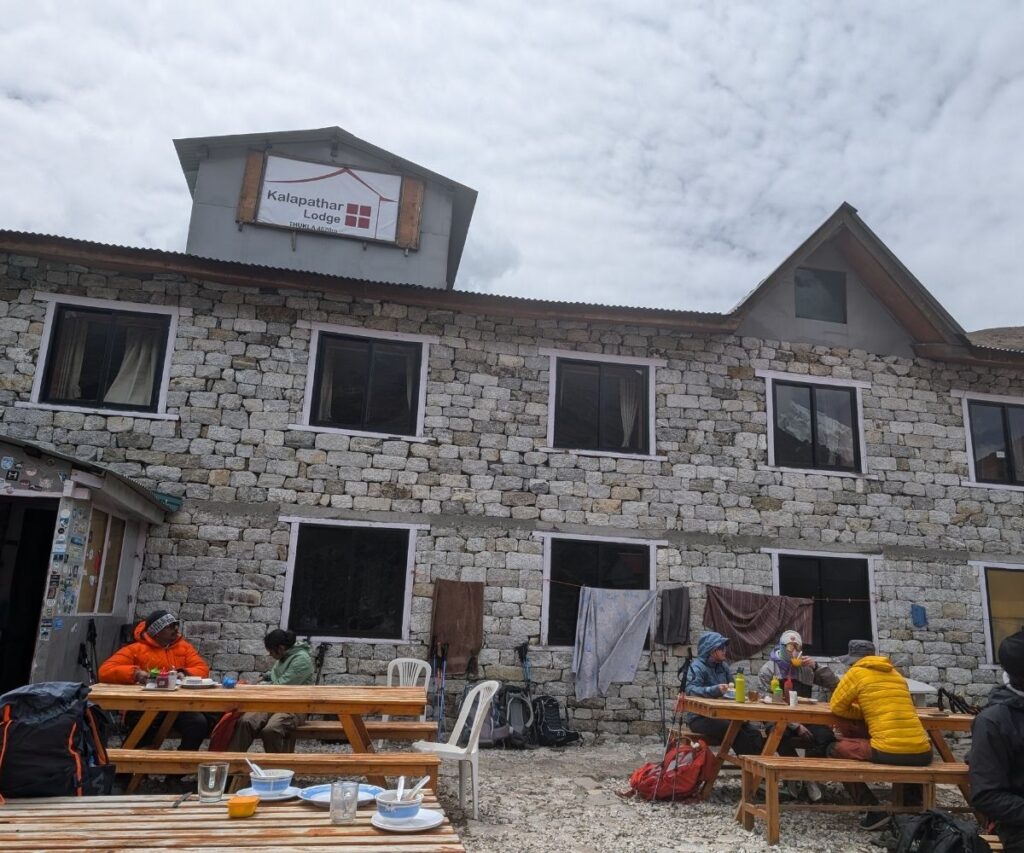
While tea houses provide essential accommodation and meals along the Everest Base Camp trek, many services come with extra charges that can quickly add up. Hot showers, for example, are rarely included in the room price and can cost from $3 to $5 per shower at lower villages, rising to $5 to $10 at higher-altitude stops like Gorak Shep. Similarly, electricity for charging phones, cameras, or power banks is usually not free; trekkers often pay $1 to $3 per device, with costs increasing at higher altitudes.
Wi-Fi is another common extra, ranging from $3 to $5 per hour, depending on the village. Other minor expenses can include renting extra blankets, paying for tissues or toilet paper, and buying small snacks or drinks that are not part of the standard meals. These hidden costs may seem small individually, but over the course of the trek, they can significantly affect your budget. Planning and carrying essential items like a power bank, reusable water bottle, and snacks can help keep these extra expenses under control while still enjoying the comforts of the tea houses.
Guide, Porter, and Permit Costs
Planning your trek involves more than just accommodation and food; guides, porters, and permits are essential components of a safe and smooth Everest Base Camp experience. While each adds to the overall budget, they provide vital support: guides help you navigate the trail and manage altitude challenges, porters carry your heavy gear so you can focus on hiking, and permits ensure legal access to protected areas. Understanding these costs upfront helps you plan your trek wisely and avoid surprises along the way.
Guide Costs
Hiring a guide on the Everest Base Camp trek is highly recommended, especially for first-time trekkers or those unfamiliar with high-altitude trekking. A professional guide typically charges around $30 per day, offering support with navigation, weather updates, and acclimatisation advice. Guides also enrich the trek with local knowledge about culture, villages, and mountain life, making the journey safer and more enjoyable.
Porter Costs
Porters are valuable for carrying heavy backpacks, allowing trekkers to focus on hiking and acclimatisation. Their services usually cost about $25 per day, and tipping is customary at the end of the trek. Hiring a porter not only eases the physical strain but also helps ensure you can enjoy longer trekking days without overexertion, particularly at higher altitudes where every step feels harder.
Permit Costs
In addition to personnel expenses, trekkers must pay for the required permits. These include the Sagarmatha National Park entry permit and the TIMS (Trekkers’ Information Management System) card, which together cost roughly $45. These permits are mandatory for trekking in the region and contribute to the conservation of the park, and support local communities. Ensuring all permits are in order before starting the trek saves time and prevents complications along the trail.
Budget Scenarios: How Much Will the Trek Cost?
A typical Everest Base Camp trek for 12 days for at least two people can cost around $1,250 per person, not including a porter. This budget assumes trekking with a guide and staying in standard tea houses along the trail. Breaking it down, accommodation and meals usually come to about $360, covering simple but hearty meals and basic lodging. Hiring a guide adds another $360 for the 12-day trek, providing essential support and safety guidance. Round-trip flights to and from Lukla typically cost $420, while permits including Sagarmatha National Park entry and TIMS card total roughly $45. Travel company charges, which cover logistics and planning support, add around $65.
If you choose to hire a porter, expect an additional cost of $25 per day, which can significantly ease the physical demands of the trek. While individual costs may vary depending on season, choice of accommodation, and optional extras, this breakdown gives a realistic estimate for a mid-range Everest Base Camp experience. Planning with these numbers in mind ensures trekkers can enjoy the adventure without worrying about unexpected expenses.
The Cost is Part of the Adventure: Book EBC Trek with the Right Travel Operator
While planning your Everest Base Camp trek, it’s easy to focus solely on numbers, but the costs are part of the adventure itself. Every dollar spent contributes to a smoother, safer, and more enjoyable journey, from cozy tea houses to experienced guides who make high-altitude trekking manageable. Booking with the right travel operator, like Mountain Routes, ensures you get the best value for your investment. They handle everything from permits and accommodation to knowledgeable guides and porters, letting you focus on the breathtaking scenery and local culture instead of logistics. With Mountain Routes, your trek isn’t just about reaching the base camp; it’s about experiencing the Khumbu region fully, comfortably, and worry-free.
Frequently Asked Questions
How much does a guide or porter actually cost?
A guide typically costs around $30 per day, while a porter charges about $25 per day. Hiring them ensures safety, helps with navigation, and makes carrying heavy gear much easier. Tipping at the end of the trek is customary.
Can I survive on dal bhat the whole trek?
Yes! Dal bhat is the staple Nepali meal and provides enough energy for trekking. Many trekkers rely on it for lunch and dinner, as it often comes with free refills. You can supplement with snacks or occasional Western dishes for variety.
Is bottled water safe, or should I bring a filter?
Bottled water is generally safe, but prices rise with altitude. Many trekkers bring a water filter or purification tablets to save money, reduce plastic waste, and ensure safe hydration throughout the trek.
What hidden costs surprised trekkers the most?
Extra charges in tea houses—like hot showers ($3–$10), Wi-Fi ($3–$5 per hour), charging devices ($1–$3 per device), extra blankets, and snacks—often catch trekkers off guard. Planning can minimise these surprises.
What’s the cheapest way to do EBC?
The most budget-friendly option is to stay in basic tea houses, eat mainly dal bhat, and carry your own snacks and water purification methods. Trekking with a guide and sharing a porter can also reduce individual costs.
Do I have to eat where I stay?
No, but it’s usually more convenient. Tea houses serve meals throughout the day, and walking to other lodges is often impractical at higher altitudes. Bringing extra snacks or simple breakfast items can give flexibility without overspending.





 Chat on WhatsApp