
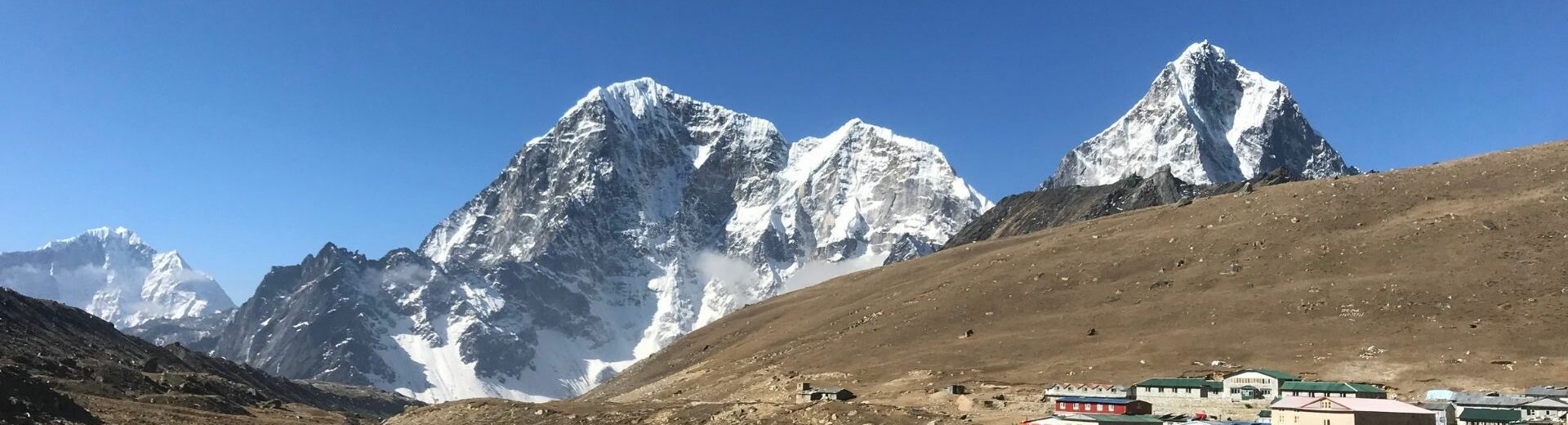
Gorakshep Village: Final Stop Before Everest Base Camp
Have you ever wondered what it feels like to stand at the edge of the world’s highest adventure, just one step from Everest?
The Gorakshep Village, located in the Helambu region of Nepal, marks the last human settlement before the legendary Everest Base Camp. More than a resting place, it’s a turning point where altitude tests your body and beauty stirs your soul.
This remote, windswept village sits below Kala Patthar and lets you enjoy the raw landscapes and rare silence that stay with you forever. Despite the thin air and rocky terrain, trekkers find comfort in its tea houses and warm Sherpa hospitality. From here, the trail leads to the ending point of the trek to Everest Base Camp or up to Kala Patthar, both short but meaningful stretches. As the last village before Everest Base Camp, Gorakshep quietly watches over thousands of dreams rising with each step.
Historical Significance of Gorakshep: A Key Milestone on the EBC Trek
- Final settlement before Everest Base Camp: Gorakshep is the last village where trekkers can rest, eat, and sleep before heading to EBC.
- Stunning viewpoint for Mount Everest: A short hike to Kala Patthar offers one of the best close-up views of Everest.
- High-altitude experience at 5,164 meters: The Gorakshep elevation gives a true taste of extreme Himalayan trekking.
- Access to Everest Base Camp: The Gorakshep to EBC distance is only around 3 kilometers, making it a key base point.
- Witness the Khumbu Glacier: You can explore the glacier that shapes the Everest region’s dramatic landscape.
- Unpredictable mountain weather: The weather at Gorakshep ranges from sunny skies to sudden snowfall, even in trekking seasons.
- Sherpa hospitality in remote tea houses: Despite its remoteness, the village offers warm meals and simple yet cosy stays.
- Historical importance: Gorakshep was once the original Everest Base Camp used by early mountaineers in the 1950s.
- Spiritual stillness: Surrounded by snow, silence, and prayer flags, the village provides moments of deep connection and reflection.
- Gateway to side hikes: From here, trekkers can explore nearby routes like Pumori Base Camp or parts of the Khumbu Icefall.
The Original Everest Base Camp
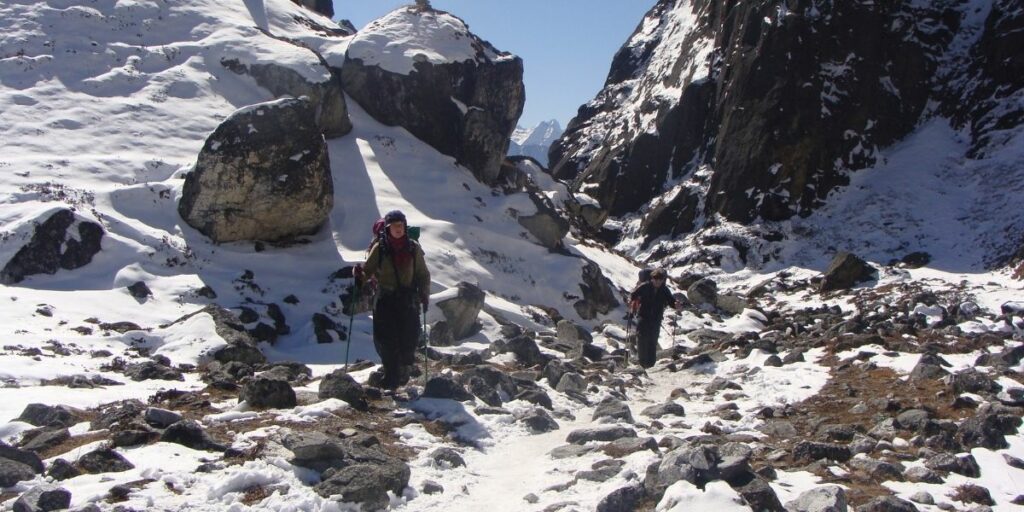
Did you know that before the Everest Base Camp moved to its current location, Gorakshep Village served as the original base for expeditions? Many years ago, climbers camped here due to its close distance and flat ground beneath the towering Himalayan peaks. Even today, this history gives the village a strong presence on the Everest trekking map. The Gorakshep elevation made it an ideal launching point for climbers eyeing Everest’s icy slopes.
Even though Gorakshep village is now a resting spot, the legacy remains rooted in every trekker’s journey to the top of the world. You can still feel the spirit of the past with every step you take on this historic trail. As the last village before Everest Base Camp, Gorakshep continues to guide modern climbers toward their goal.
Usually, Trekkers pause here not only for rest but to connect with the mountain’s powerful history. This historical relevance adds meaning to the Gorakshep to EBC distance, even though it’s just a few kilometers away. Walking this path, you don’t just follow a trail—you follow the footsteps of legends.
Legacy of Early Mountaineers
The history of Gorakshep Village started ages ago when, in the 1950s, early mountaineers relied on this village as their final supply point before Everest’s attempts. Apparently, Tenzing Norgay and Sir Edmund Hillary passed through this rugged land during their historic 1953 ascent. These legends turned Gorakshep into a symbol of determination and high-altitude resilience.
Their legacy lives on in every trekker pushing through the wind and thin air at this high elevation. Even today, climbers pause here and reflect on the courage of those who came before them. With its raw terrain and quiet power, the village keeps this legacy alive in every sunrise and snowflake. While you are standing in Gorakshep, you’re not just trekking—you’re also becoming a part of a timeless mountaineering story.
Cultural Insights and Local Traditions
The culture in Gorakshep Village carries deep cultural roots tied to the Himalayan way of life. Trekkers passing through this village discover tradition, faith, and warmth. The people here preserve ancient values that give every step of the journey cultural meaning.
The Sherpa Community
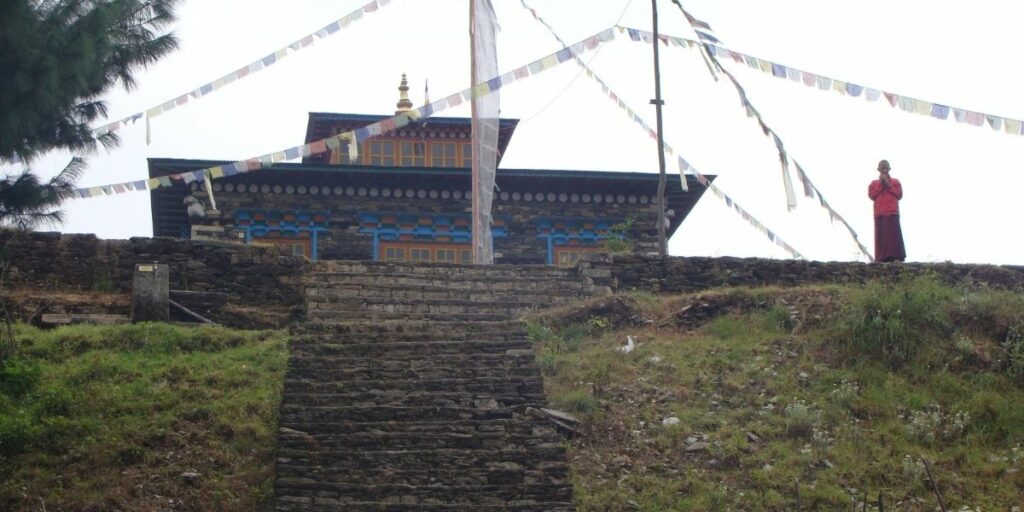
The Sherpa community forms the heart of life in and around Gorakshep Village. This community is known globally for its strength and humility and is now called the “King of Mountains.” It is believed that Sherpas carry a spiritual bond with the Himalayas. Their belief in Tibetan Buddhism shapes their daily rituals, values, and connection to nature. They view Everest, or Chomolungma, as a sacred mother rather than just a mountain.
They offer support to trekkers while quietly practising a way of life rooted in peace. Their strength lies not just in climbing but in their kindness and spiritual presence. This cultural depth adds meaning to the Gorakshep to EBC distance, making each mile more than a hike. Walking through this region, you walk beside a culture that lives in harmony with the heights.
Festivals and Traditions
The festivals of Sherpas bring colour and devotion even to high places like Gorakshep Village. Some of the famous festivals here are the Dumji Festival and Mani Rimdu.
Dumji Festival, celebrated in June, honors Guru Rinpoche and brings Sherpa families together through prayer, dance, and local rituals. Mani Rimdu, held at nearby monasteries like Tengboche, blends masked dances, sacred chants, and spiritual blessings. Apparently, Monks occasionally travel through, offering blessings for safe journeys toward EBC. Even trekkers feel part of the tradition, walking alongside locals who carry centuries of belief. Their customs reflect gratitude to nature, harmony, and protection from unseen spirits. Prayer flags flutter above rooftops, spreading goodwill with every wind gust.
These festivals are the expressions of Sherpa values under the harsh yet holy sky. Experiencing them, even briefly, leaves you with more than just memories.
Altitude and Location: What to Expect at Gorakshep
Gorakshep Village lies at the heart of the Khumbu region. As the last village before Everest Base Camp, it marks the transition from remote settlement to glacier-filled wilderness. Since Gorakshep is located at a high altitude, trekkers must stay aware of weather shifts and altitude-related difficulties. Let’s explore the Gorakshep elevation, its terrain, and its position in the Everest landscape.
Gorakshep Elevation and Terrain
At 5,164 meters above sea level, Gorakshep sits at one of the highest settlements on the planet. The dry, barren land of Gorakshep village lies close to the edge of the Khumbu Glacier, where ice meets rock and wind whips constantly. Due to its high elevation, oxygen levels drop, which can affect breathing and energy levels.
Trekkers often feel the effects of altitude here more than at any other stop on the trail. The trail to Gorakshep from Lobuche moves through loose rocks, icy patches, and steep ridgelines. Though the terrain feels harsh, its raw beauty captures the spirit of Himalayan trekking. From here, the path leads directly to Everest Base Camp and also to Kala Patthar’s viewpoint, which offers sunrise glory. The ground remains frozen much of the year due to low temperatures and unpredictable weather at Gorakshep. Despite its tough surface, the village welcomes trekkers with warm food, tea, and unmatched mountain views.
Where Gorakshep Sits in the Everest Region
Gorakshep Village lies in Nepal’s Solukhumbu District, just below the famous Kala Patthar ridge and near the final approach to Everest Base Camp. Its exact position, close to the base of Mount Pumori, offers panoramic views of Everest and surrounding peaks. The distance from Gorakshep to EBC is only about 3 kilometers; however, the altitude makes it feel much longer. From this point, you can hike to Kala Patthar at sunrise or continue toward the Everest Base Camp trail. The location makes Gorakshep a perfect high-altitude base for final exploration before returning downhill. Even if the village is remote, its strategic spot in the region makes it a treasured pause on the EBC route. Trekkers arrive tired but leave with the memory of standing where the sky meets the stone.
Weather in Gorakshep: What You Need to Know
When you are in the Himalayas, the weather plays a key role in shaping the trekking experience. Due to its high elevation of 5,164 meters, conditions remain cold and dry throughout the year. Wind is constant, and the temperature can drop sharply within hours, especially after sunset. Snowfall can happen even during clear seasons, making proper gear essential. Trekkers should study the seasonal weather in Gorakshep before planning their Everest Base Camp journey. Each season has unique challenges, from freezing winds to sudden snowstorms. Let’s look at the monthly breakdown to help you prepare better for this extreme environment.
Seasonal Weather Patterns
| Season | Months | Avg. Day Temp (°C) | Avg. Night Temp (°C) | Conditions |
| Spring | March to May | -5 to 5 | -15 to -10 | Clear skies, dry air, popular for trekking |
| Summer/Monsoon | June to August | 0 to 6 | -10 to -5 | Cloudy, risk of rain, less visibility |
| Autumn | September to November | -5 to 4 | -15 to -8 | Crisp air, stable weather, best views |
| Winter | December to February | -10 to -2 | -20 to -15 | Harsh cold, heavy snow, fewer trekkers |
Trekking from Gorakshep: Distances and What to Expect
Gorakshep Village is the last resting point before trekkers reach the most iconic sites in the Everest region. From this remote settlement, trails lead toward Everest Base Camp and Kala Patthar. Though both spots seem near, the high Gorakshep elevation and thin air add to the challenge. Still, each step rewards you with unforgettable Himalayan views.
Gorakshep to Everest Base Camp
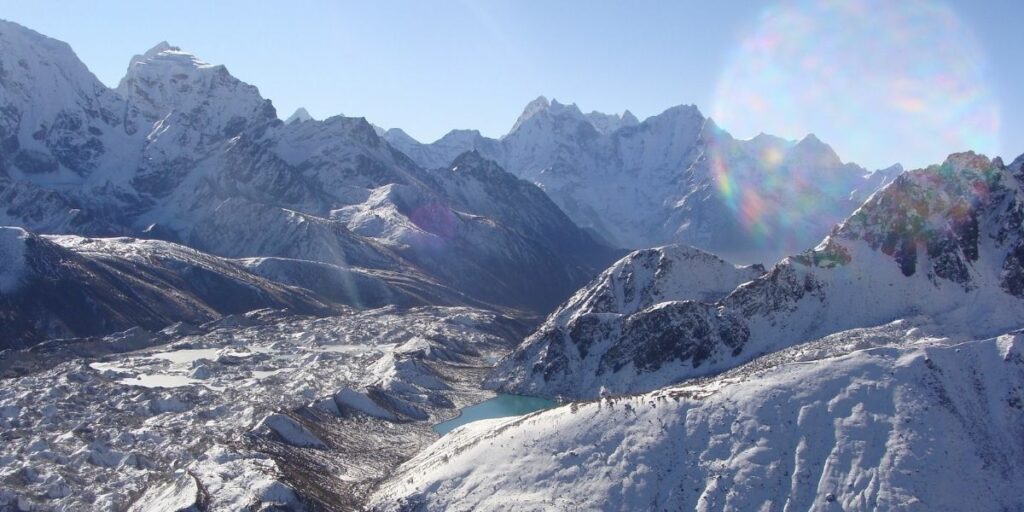
The Gorakshep to EBC distance is about 3 kilometers (1.8 miles) one way. Trekkers usually complete the journey in 2–3 hours. The trail follows rocky terrain near the Khumbu Glacier. Despite its short length, the high altitude can progress slow. But reaching Everest Base Camp feels like a true achievement.
Gorakshep to Kala Patthar
The Gorakshep to Kala Patthar hike covers around 2 kilometers (1.2 miles) one way. It takes 1.5 to 2 hours to climb. The route is steep and often done early for sunrise. From the top, you’ll get one of the best views of Mount Everest and its neighboring peaks.
Nearby Attractions and Optional Treks
Besides Everest Base Camp, the Gorakshep Village takes you through the optional side treks that lead to surreal landscapes. These trails are perfect for trekkers who want to explore more without straying too far. Two popular options include the Khumbu Glacier exploration and the Pumori Base Camp hike, each offering its charm.
Khumbu Glacier Exploration
The Khumbu Glacier lies close to Gorakshep and stretches up toward the Everest Base Camp. It’s one of the world’s highest glaciers and flows slowly through the heart of the Everest region. The landscape is dramatic, expect icy ridges, crevasses, and boulder-strewn paths. Trekkers often spend 1 to 2 hours exploring it, depending on their pace. This glacier is famous for its role in Everest expeditions and the massive icefall just beyond Base Camp. You’ll feel the power of nature with every step on its frozen terrain.
Pumori Base Camp Hike
The Pumori Base Camp hike offers stunning views of Mount Pumori and surrounding peaks. Located northwest of Gorakshep, this offbeat trail leads to the foot of one of the most beautiful mountains near Everest. The hike takes around 3 to 4 hours round trip, depending on conditions and acclimatization. Along the way, trekkers enjoy close views of Kala Patthar, Everest, and parts of the Tibetan Plateau. It’s a quieter path, ideal for those seeking solitude and panoramic vistas.
Where to Stay and What to Eat in Gorakshep
Despite its remote location and high elevation, Gorakshep Village has several basic yet welcoming homestays for trekkers. Most lodges are traditional teahouses with simple rooms, shared bathrooms, and common dining areas. Due to limited infrastructure, heating is usually available only in the dining hall. It’s best to arrive early, especially during peak seasons, as options are limited and rooms fill up quickly. While facilities are minimal, the warmth of the hosts and stunning mountain views make every stay memorable.
When it comes to food, teahouses in Gorakshep serve nourishing meals designed to fuel high-altitude trekkers. Dal Bhat is the staple dish, packed with rice, lentils, and vegetables and often served with refills. You’ll also find soups, noodles, momos, Tibetan bread, and pasta on the menu. Hot tea, ginger lemon honey, and instant coffee are available to help combat the cold. Due to the altitude and remoteness, food variety is limited, and prices are higher than in lower villages. Still, meals are warm, satisfying, and essential for the journey ahead.
Staying Safe at Gorakshep: Altitude and Health Tips
At an elevation of over 5,000 meters, Gorakshep Village challenges both the body and mind. Due to the thin air and freezing temperatures, trekkers often face altitude-related issues. Staying safe requires preparation, proper acclimatization, and a good understanding of your limits. While Gorakshep offers breathtaking views and proximity to Everest Base Camp, health risks at this height should never be ignored.
Dealing with High-Altitude Sickness
To avoid or reduce the chances of Acute Mountain Sickness (AMS), follow these proven tips:
- Ascend slowly and allow time for your body to adjust.
- Stay hydrated, but avoid alcohol and caffeine.
- Eat light meals that are high in carbs and easy to digest.
- Rest properly and don’t overexert yourself at high elevations.
- Listen to your body and communicate symptoms early.
- Take Diamox or prescribed medication if symptoms appear.
- Descend immediately if conditions worsen or symptoms intensify.
Emergency Services and Local Support
Gorakshep lacks a full-scale medical centre, but help is available through teahouses and nearby outposts. Most lodges have access to emergency contacts and can assist in arranging helicopter evacuations if needed. Porters, guides, and locals also play a key role in providing first aid and navigation support. For added safety, always carry a personal first aid kit and travel insurance that covers high-altitude evacuation.
Essential Trekking Tips Before You Go
Before heading toward Gorakshep Village, it’s important to plan properly. The high-altitude setting, changing weather, and remote terrain demand physical preparation and the right gear. Knowing when to go, what to pack, and how to stay informed can make your journey safe and rewarding.
Best Times to Visit Gorakshep
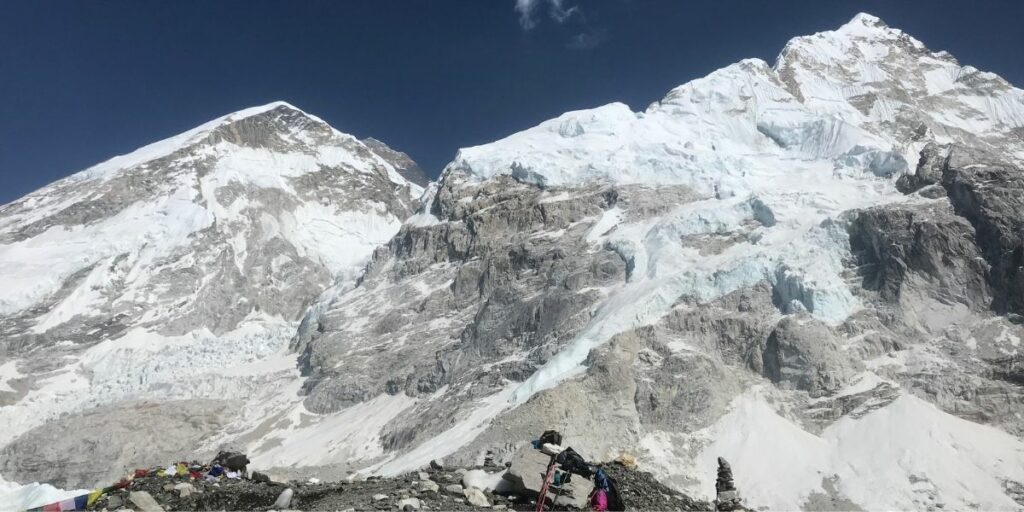
The best time to visit Gorakshep is during the spring (March to May) and autumn (late September to November). These seasons offer stable weather, clear skies, and moderate temperatures. The trail from Gorakshep to Everest Base Camp stays visible, and views of Kala Patthar and Mount Everest are crystal clear. These months also attract more trekkers, adding energy to the trail and teahouses.
On the other hand, monsoon (June to August) and winter (December to February) are not ideal. Heavy rain and slippery trails during the monsoon can slow your trek and reduce visibility. In winter, temperatures drop far below freezing, especially at Gorakshep’s elevation, making it hard to breathe and increasing the risk of frostbite and altitude sickness.
Packing Smart for High-Altitude Treks
Make your journey smoother with these packing tips:
- Carry layered clothing for temperature changes.
- Bring a down jacket for warmth at Gorakshep.
- Pack lightweight trekking boots with good grip.
- Carry a water bottle and purification tablets.
- Use UV sunglasses and sunscreen for protection.
- Bring altitude medicine like Diamox as a backup.
- Use a headlamp for early morning treks.
- Pack energy snacks and electrolytes for stamina.
- Don’t forget a power bank and charging cable.
- Carry a map or download an offline trekking app.
Other Practical Information for Trekkers
- Carry enough Nepali rupees as ATMs are unavailable.
- Always check the weather at Gorakshep before the trek.
- Keep extra days in case of bad weather delays.
- Hire a guide or porter for support and navigation.
- Make sure your travel insurance covers emergency rescue.
- Register with local checkpoints for safety.
- Carry copies of permits like TIMS and Sagarmatha entry.
Connectivity and Communication
Internet access in Gorakshep Village is limited but possible. Most teahouses offer paid Wi-Fi, though it may be slow and unreliable. For better connectivity, trekkers often use Everest Link SIM cards, which provide data service along most of the trails. However, signal strength weakens as you go higher.
Emergency Services
Gorakshep has no hospital, but emergency support is still available. Most teahouses have satellite phones or radio access to call for help. In case of severe altitude sickness or accidents, helicopter rescue is available if you have proper travel insurance. Guides and porters also assist in providing basic first aid and contacting nearby rescue teams when needed.
Frequently Asked Questions
What is the elevation of Gorakshep?
Gorakshep Village lies at an elevation of 5,164 meters (16,942 feet). Due to its high altitude, the air is thinner, and trekkers often feel the effects of low oxygen. It’s important to acclimatize well before staying here.
How far is Gorakshep from Everest Base Camp?
The distance from Gorakshep to Everest Base Camp is around 3 kilometers (1.9 miles). It usually takes 2 to 3 hours on foot. The trail is rugged and icy, so trekkers should move slowly and stay hydrated.
What is the weather like in Gorakshep?
The weather at Gorakshep is generally cold throughout the year. Even during trekking seasons, daytime temperatures stay low, and nights often drop below freezing. Sudden snow or wind is common, so layered clothing is essential.
Is there accommodation in Gorakshep?
Yes, Gorakshep has a few basic teahouses and lodges. They provide simple rooms, hot meals, and a warm place to sleep. However, options are limited, especially during peak season, so early arrival or advance booking is helpful.





 Chat on WhatsApp