
How Many Base Camps Are on Mount Everest?
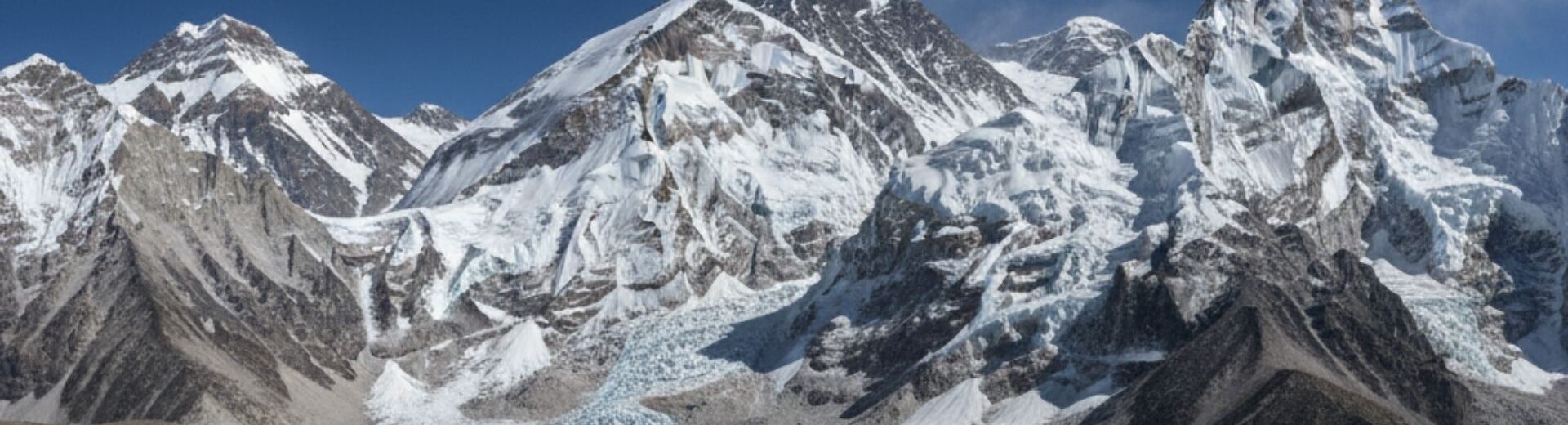
Mount Everest, the highest peak on Earth, is the one and the only destination where every big climb begins. Before reaching at the top of the Everest, climbers stop at base camps to rest and get used to the thin air. These camps are where they plan, train, and prepare for the climb. There are two main base camps on Mount Everest.
The South Base Camp is in Nepal at 5,364 meters, and the North Base Camp is in Tibet at 5,150 meters. Both help climbers get ready, but they offer very different experiences. The South Base Camp is popular with trekkers from all over the world.
The North Base Camp is used mostly by climbers who come from the Tibetan side.
Together, these two camps are the starting points for one of the world’s greatest adventures.
What “Base Camp” Means in the Everest Context
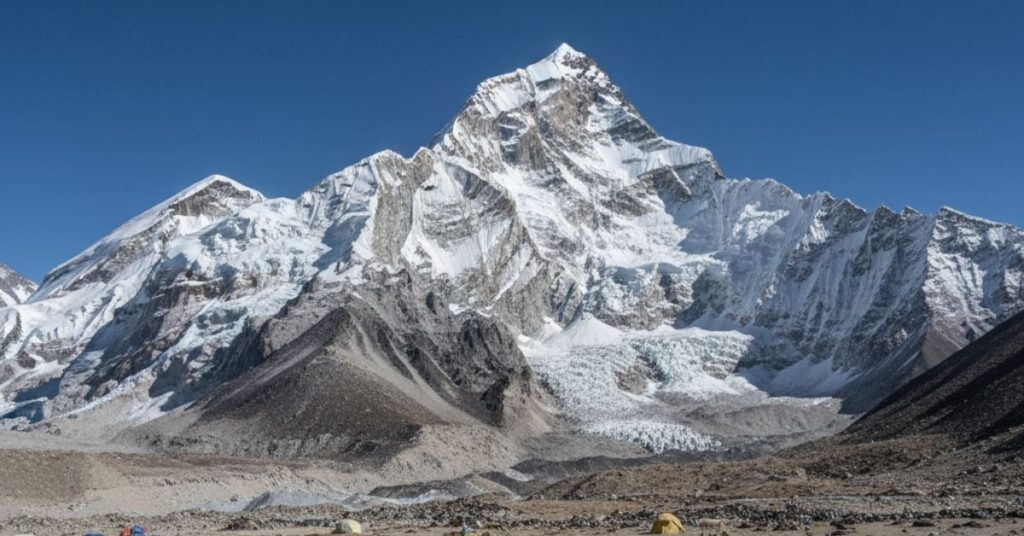
When people hear the term Everest Base Camp, they often imagine a small tent city surrounded by ice and snow. But what does “base camp” really mean?
In the Everest region, a base camp is the main place where climbers rest and prepare before going higher. It is where they get used to the thin air, organize their gear, and plan the next part of their climb.
The Everest Base Camp is more than just a campsite. It is a safe starting point that helps climbers and trekkers begin their journey on the world’s tallest mountain.
There are actually two kinds of base camps: trekking base camp and expedition base camp. The trekking base camp is where travelers and adventure seekers trek to enjoy the view of Everest without aiming to climb it.
It is a popular spot where visitors experience the thrill of standing close to the world’s highest peak. The expedition base camp, on the other hand, is used by mountaineers who plan to climb to the summit. It is filled with professional gear, oxygen tanks, and climbing teams preparing for the long ascent.
Whether for trekking or climbing, the base camp is where every Everest dream begins.
The Two Main Base Camps You Can Visit
Mount Everest has two main base camps that welcome trekkers and climbers from all around the world. Each camp lies on a different side of the mountain and offers its own unique experience.
The South Base Camp is located in Nepal, while the North Base Camp lies in Tibet, China. Both camps sit at high altitudes and provide breathtaking views of Everest and the surrounding peaks. These are the two places where every Everest journey begins, whether for a short trek or a full expedition to the top.
South Base Camp (Nepal)
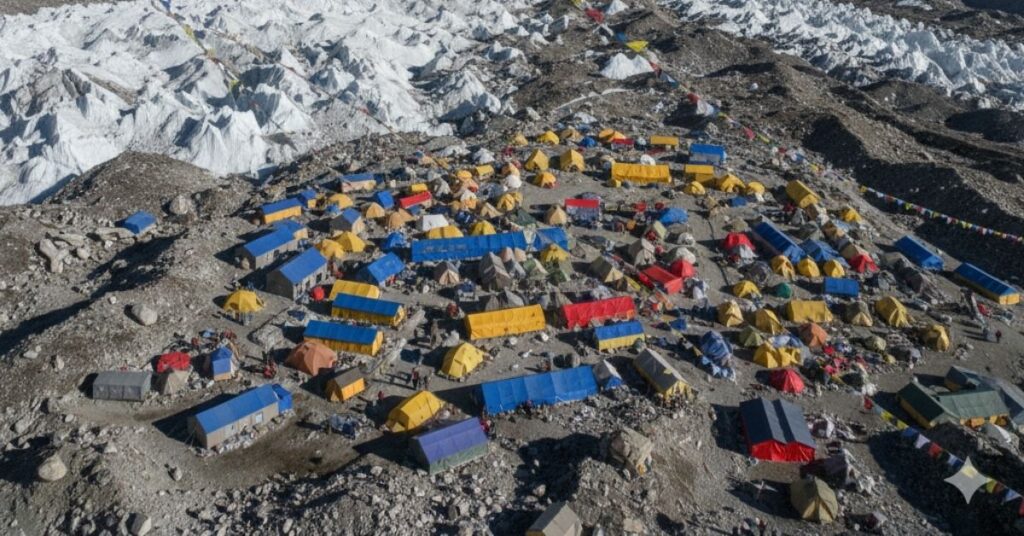
The South Base Camp is the most popular one. It is located in Nepal’s Khumbu region at an altitude of 5,364 meters (17,598 feet). Most trekkers fly to Lukla and then walk through Sherpa villages, suspension bridges, and mountain trails to get there.
This route is known as the Everest Base Camp Trek, one of the most famous treks in the world. The camp is lively during the trekking season, filled with climbers, porters, and colorful tents. From here, you can see the Khumbu Icefall and feel the true spirit of Everest, even without climbing it.
North Base Camp (Tibet/China)
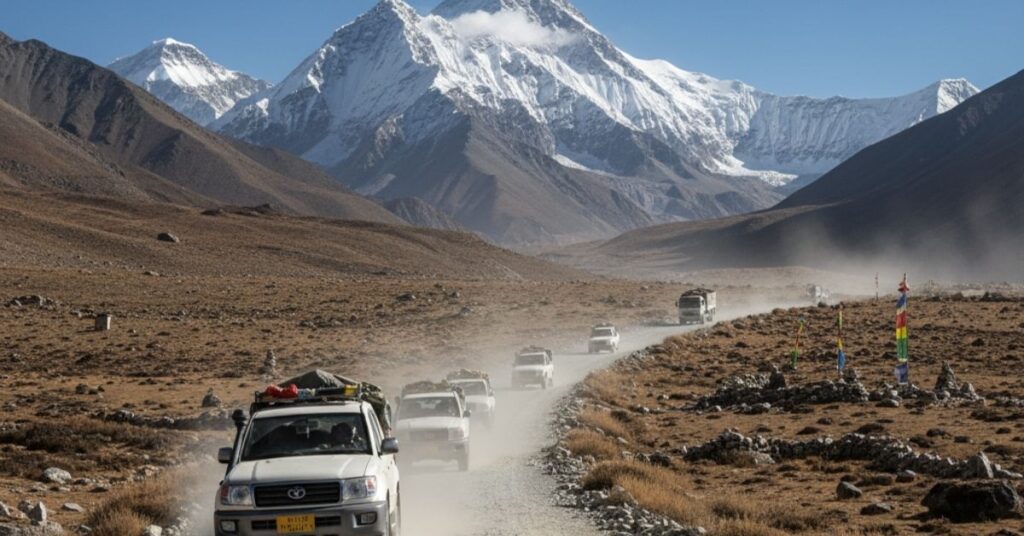
The North Base Camp sits on the Tibetan side of Mount Everest at an altitude of about 5,150 meters (16,900 feet). It can be reached by car from the town of Tingri, so there is no need to trek. However, travelers must obtain a special permit from the Chinese government, and only a limited number of visitors are allowed each year.
The camp offers a wide, open view of Everest’s north face and the surrounding valleys. The area is quiet, peaceful, and often has clear skies. Most climbers use this camp to begin their ascent from the Tibetan side, but it also attracts visitors who want a calm and beautiful view of the world’s highest mountain.
Are There More Than Two Camps? The “Climbing Camps” Explained
Yes, there are more camps above the two main base camps on Mount Everest. These are known as climbing camps, and they are set up at higher altitudes to help climbers reach the summit safely. After leaving the base camp, mountaineers move through a series of camps built at different heights. Each camp allows them to rest, adjust to the thin air, and prepare for the next stage of the climb.
On the South side in Nepal, climbers pass through four main camps after the base camp. Camp I is around 6,065 meters, located above the Khumbu Icefall. Camp II, also called the Advanced Base Camp, lies in the Western Cwm and serves as a major resting point. Camp III sits on the Lhotse Face at about 7,200 meters, and Camp IV, known as the South Col, is at around 7,920 meters. From there, climbers make their final push to the summit at 8,848.86 meters.
On the North side in Tibet, the setup is slightly different. Climbers move from the North Base Camp to the Advanced Base Camp (6,400 meters), then to Camp I (7,000 meters), Camp II (7,500 meters), and Camp III (8,300 meters) before attempting the summit. These climbing camps are temporary and only used during the expedition season. They are not open to regular trekkers because of the extreme altitude and risks involved. Each camp plays a vital role in helping climbers adapt, rest, and slowly move toward the top of the world.
Also Read: Everest North Face vs. South Face: Routes and Access Compared
Which Camps Can Trekkers Visit?
Trekkers can visit only the South Base Camp in Nepal. It is the last stop for most visitors who want to enjoy the Himalayas without climbing the mountain. The trail passes through Sherpa villages, hanging bridges, and old monasteries, with amazing views of snow-covered peaks.
The Everest Base Camp sits at about 5,364 meters. From here, you can see bright tents set up by climbers getting ready for their summit push. Standing at the foot of Mount Everest is an unforgettable feeling. Trekkers cannot go higher because the route above is open only to expedition teams. If you want a mix of adventure, culture, and mountain scenery, the Everest Base Camp trek is a perfect choice.
Elevations, Conditions and What to Expect
The Everest Base Camps sit high in the mountains, where the air is thin and the weather changes fast. The South Base Camp in Nepal is about 5,364 meters above sea level. The North Base Camp in Tibet is slightly lower at 5,150 meters. At these heights, there is only about half as much oxygen as at sea level, so climbers and trekkers must move slowly to adjust.
The weather is cold, dry, and windy for most of the year. Even in the best seasons, days can be mild, but nights are often freezing. Snow is common, and strong winds make it feel colder. Warm clothes, strong boots, and good gear are a must.
Trekkers stay in simple tea houses on the way to the South Base Camp. Climbers at both camps sleep in tents with few facilities. The views, though, are breathtaking. You will see huge peaks, wide glaciers, and the wild beauty of the Himalayas. Despite the tough conditions, reaching base camp is an unforgettable and rewarding experience.
Popularity and Access – Which Side is Best for You?
Most visitors choose the South Base Camp in Nepal when visiting Mount Everest. It is more popular because of its beautiful trekking route, rich Sherpa culture, and well-marked trails. The Everest Base Camp trek passes through small villages, old monasteries, and amazing mountain views before reaching the base of the world’s highest peak. It is also easier to reach since you can fly from Kathmandu to Lukla and begin walking from there.
The North Base Camp in Tibet is less crowded but can be reached by road. Travelers can drive from Lhasa or Tingri, with the proper permits from the Chinese government. This route gives a wide, clear view of Everest’s north face but has more travel limits and requires extra paperwork. If you enjoy trekking and want to experience local life, the South Base Camp in Nepal is the better choice. If you prefer a quiet visit and an easier drive, the North Base Camp in Tibet may be right for you. Both sides offer stunning views of Mount Everest, and your choice depends on the type of adventure you want.
FAQs
How many base camps are on Everest?
Mount Everest has two main base camps. The South Base Camp is in Nepal, and the North Base Camp is in Tibet, China. Both are used by climbers, but the South Base Camp is the one most visitors can trek to. The North Base Camp needs a special permit and is mainly for expedition teams.
Can you trek to North Base Camp?
No, you cannot trek to the North Base Camp like in Nepal. It is reached by road from the towns of Tingri or Lhasa in Tibet. Travelers need a special travel permit and must join an organized tour. Trekking is not allowed there because of strict rules and its remote location.
Is Everest Base Camp worth it for non-climbers?
Yes, it is worth it. The Everest Base Camp trek is one of the best adventures for people who love nature and mountains. You do not need climbing skills to do it. The trail passes through beautiful Sherpa villages and offers stunning views of Everest. Standing at the base of the world’s tallest mountain is an unforgettable moment for any traveler.





 Chat on WhatsApp