How Much Does It Cost to Climb Mount Everest in 2025? (Updated)
You want to climb Mount Everest. It’s a massive goal that takes strength, training, and a solid plan. But how much money do you actually need for this adventure? The price can seem confusing, but it does not have to be. Understanding the key costs, like the permit, your gear, and your support team, is the first step.
In 2025, the total cost to climb Mount Everest ranges from $40,000 to over $100,000. This price includes the government permit, guide services, gear, travel, and logistical support. The final amount depends heavily on the level of service and the operator you choose.
Quick Facts – Everest Climbing Cost
Climbing Mount Everest is a major financial commitment, and the total cost can vary widely depending on the type of expedition and level of support you choose. While some climbers opt for budget-friendly, bare-bones arrangements, others invest in premium, fully guided services that include extensive safety measures and added comfort.
One of the most important fixed costs is the climbing permit fee, which the Government of Nepal sets. For the prime spring climbing season in 2025, the permit costs $11,000 per person if purchased before August 31, 2025. From September 1, 2025, a revised fee structure will take effect, raising the cost to $15,000 for the same season.
If you plan to climb in other seasons, the fees are lower. An autumn permit is priced at $7,500, while a winter permit costs $3,750. Although the reduced cost might seem appealing, off-season climbs present their own challenges, including harsher weather and fewer climbing windows.
When all expenses are factored in, including permits, guides, gear, food, oxygen, travel, and Base Camp logistics, the total cost can be substantial. Most climbers spend between $40,000 and well over $100,000 for the entire expedition.
Interestingly, Nepal has also waived permit fees for 97 remote peaks until 2027. While these peaks are far less famous than Everest, they offer excellent opportunities for climbers seeking adventure without the high price tag.
Everest Permit Fees in 2025
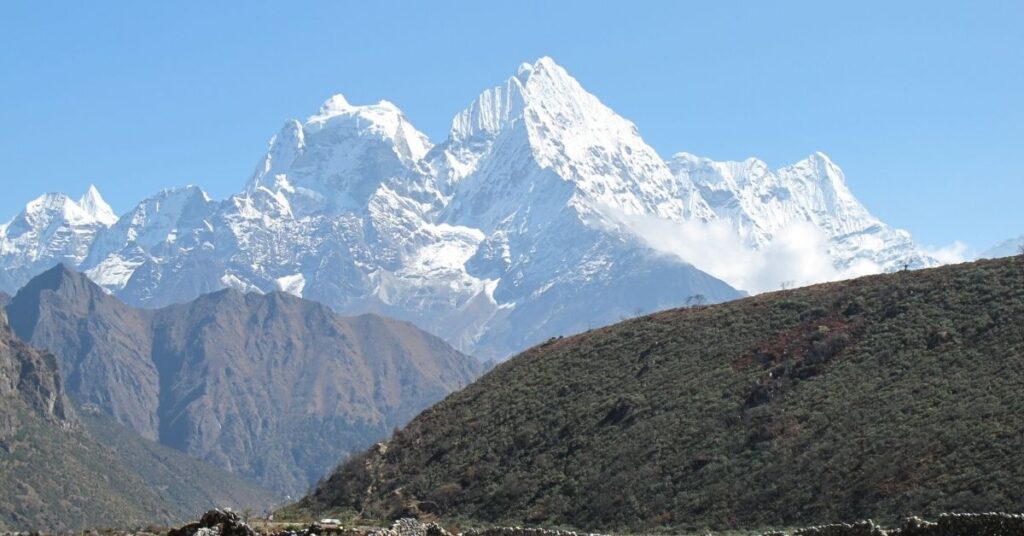
The Mount Everest permit fee is a major part of your budget. It is the official price you pay directly to the government for the right to climb the world’s highest peak from the Nepal side.
The Nepal Government has updated its fee structure to address the growing demands on the mountain’s resources. The current $11,000 permit for foreigners climbing from the Nepal side is valid for expeditions starting before September 1, 2025. For any expedition after this date, the Mount Everest permit fee will increase to $15,000. This change aims to manage climber numbers, fund better safety infrastructure, and ensure climbers are fully committed.
The fees for climbing during the less crowded autumn (post-monsoon) and winter seasons are also set to increase, but remain lower than the spring rate. This is because the weather during these seasons is far more challenging, making expeditions riskier and less common.
Total Cost to Climb Mount Everest
The total cost to climb Mount Everest is more than just the permit. It includes the entire package of services that will get you to the summit and back safely over a period of about two months.
Most climbers can expect to pay between $40,000 and $60,000. A basic expedition with a reputable local Nepali operator typically falls in this range. These packages cover all essential services but may have larger teams and fewer amenities.
A full-service Everest Expedition with a premium guiding company can cost $65,000 to $100,000 or more. These premium packages offer a higher level of comfort and safety, including a lower client-to-guide ratio (often 1:1), highly experienced Sherpa guides, professional weather forecasting, and unlimited supplemental oxygen. The final Everest climbing price depends entirely on the level of service, safety, and support you choose.
Everest Climbing Cost Breakdown by Category
Understanding the Everest climbing expenses breakdown helps you see where your money goes. The major costs are divided into several key categories.
These categories cover everything from government-mandated fees to the personal gear you will need to stay safe and warm on the mountain.
Permit Fee
The permit fee is your ticket to the mountain. It is a non-negotiable cost paid directly to the government.
As mentioned, this cost is $11,000 for spring 2025, rising to $15,000 later in the year. This fee grants you permission to attempt the summit. It does not include any support, logistics, or rescue services. It is simply the price of entry for your Mount Everest expedition.
Liaison Officer & Trash Deposit
Every expedition must pay for a government liaison officer. You must also pay a refundable deposit to ensure you leave no trace.
The liaison officer’s fee is around $3,000 per team. These officials, appointed by the Nepalese Ministry of Tourism, are intended to monitor compliance with climbing regulations, coordinate emergency responses, and act as a communication link between the climbers and the government. While they rarely travel beyond Base Camp, their presence is an important part of the official expedition framework.
Guide and Sherpa Support
Your guides and Sherpas are crucial for a safe climb. Their expertise, strength, and hard work make up a significant portion of the expedition cost and are essential for success. The support team is extensive and includes:
- A personal Sherpa guide can cost between $5,000 and $10,000. This fee covers their salary, gear, food, and life insurance.
- Western guides command higher fees, often raising the total package price substantially due to their experience leading international clients.
- Support staff like cooks, porters, and icefall doctors (who maintain the route through the Khumbu Icefall) are also vital.
- Tipping is a customary and important expense. You should budget an additional $1,500 to $2,500 for tips for your dedicated support team.
Gear & Equipment
You need specialized gear to survive Everest’s extreme environment. The cost of this equipment can add up quickly, as there is no room for compromise on quality.
Climbers should budget between $7,000 and $12,000 for personal gear. This includes a high-quality 8000-meter down suit ($1,000+), high-altitude boots ($1,000+), a -40°C sleeping bag, and technical gear like an ice axe, crampons, and harness. While you can rent some items in Kathmandu to save money, owning your own well-fitted gear, especially boots, is often safer and more comfortable.
Travel & Accommodation
Getting to the mountain is an adventure in itself. This includes both international flights and local travel within Nepal.
International round-trip flights to Kathmandu typically cost between $1,500 and $7,000. From Kathmandu, you will take a small plane to Lukla, which costs about $400 for a round trip. You should also budget for hotels in Kathmandu before and after the trek, along with food and lodging in teahouses on the way to Base Camp.
Teahouses along the route are rustic but welcoming, often serving steaming plates of dal bhat and providing wood-heated common rooms where trekkers share stories. While simple, these overnight stops become a cherished part of the climb’s rhythm.
Food, Oxygen, and Base Camp Support
Staying nourished and breathing at high altitudes are critical. These logistical costs make up a significant part of the expedition.
A single bottle of oxygen might last only 8 to 12 hours at extreme altitude, which means climbers carry or have staged multiple bottles at different camps. Many summits require 3 to 5 bottles per climber, depending on weather conditions and personal pace.
Supplemental oxygen is both a lifesaver and a major expense. A complete oxygen system, which includes bottles, a mask, and a regulator, can cost over $5,000. Food for the entire six-week expedition, covering both the trek and higher camps, can be around $800 per person. Base Camp services, including comfortable tents, cooks, and medical support, are also part of the total package.
Why Everest Climbing Costs Are Rising
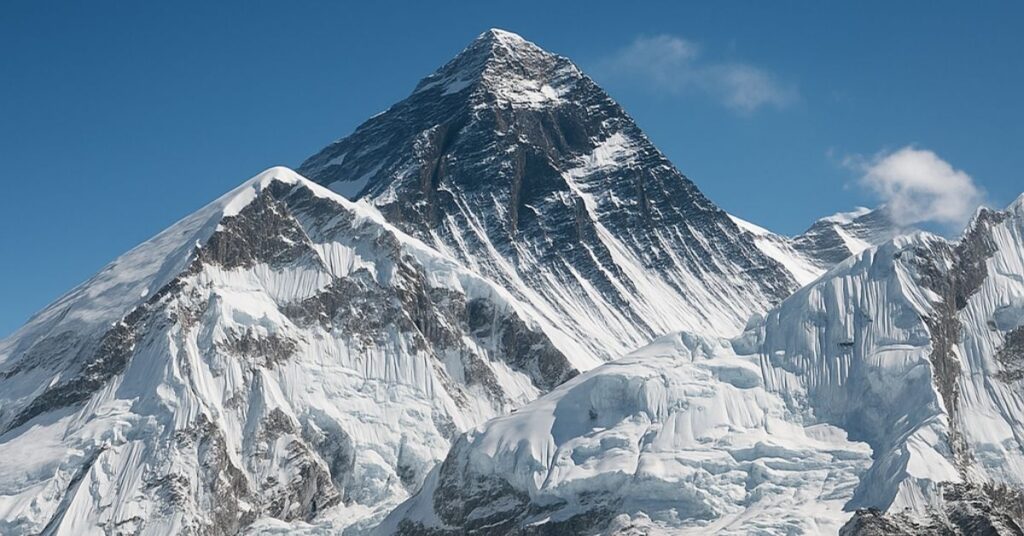
The price of climbing Everest has been steadily increasing, and this trend is expected to continue. Several factors contribute to this upward trend.
New government regulations are a primary driver. These rules mandate higher minimum salaries and better life and medical insurance coverage for guides, porters, and other high-altitude workers, which rightly increases costs for operators. Additionally, general inflation in Nepal and a consistently high demand from climbers around the world allow companies to charge more for their services. The Everest climbing cost in 2025 reflects these new economic and safety realities.
Alternatives – Free and Affordable Peaks
If the total cost of climbing Everest is beyond your reach, Nepal offers other amazing options. You can still experience the thrill of Himalayan climbing without the extreme cost.
The Government of Nepal has waived climbing permit fees for 97 peaks until 2027. These peaks are in remote regions, aimed at promoting tourism in less-visited areas. While they are not 8,000-meter giants, they still offer remarkable climbing adventures. The waiver applies only to the permit fee; other logistical costs remain.
Source: The Kathmandu Post
FAQs
Why is the Everest permit so expensive?
The permit fee is a key source of revenue for Nepal. The government states the funds are used for mountain management.
This includes paying for rescue operations, funding environmental cleanup projects, and managing the teams on the mountain. The recent fee increase is also intended to ensure that climbers who attempt Everest are serious and well-prepared for the challenge.
What’s the cheapest way to climb Everest?
The cheapest way to climb is with a logistics-only expedition. This option is only for extremely experienced mountaineers.
In this scenario, you pay for the permit, logistics to Base Camp, and group equipment like ropes. You are responsible for your own safety and decision-making on the mountain. While this can lower the cost to around $30,000, it carries the highest level of risk.
Will the new fees reduce climber numbers?
Experts are divided on whether the new fees will reduce crowds. The demand for Everest remains incredibly high.
While the increased cost may price some climbers out, many believe it will not significantly impact the overall numbers. The allure of the world’s highest peak is powerful. The fee increase might instead shift the market toward more serious and well-funded climbers.
How much should I budget for gear alone?
You should budget between $7,000 and $12,000 for personal gear. This ensures you have high-quality, reliable equipment.
Key items include a down suit, boots, gloves, and technical climbing hardware. Do not cut corners on gear. Your equipment is a critical part of your safety system on the mountain, and investing in quality items is essential for a successful summit attempt.



 Chat on WhatsApp