How to Acclimatize Safely for High Altitude Treks in Nepal?
Thin air, breathtaking mountains, and dramatic landscapes draw thousands to Nepal’s high-altitude treks each year. But as you climb higher, the reduced oxygen becomes a real challenge. Many trekkers experience altitude sickness because they underestimate acclimatization.
Every year, hundreds are evacuated from Himalayan trails due to preventable altitude-related illnesses. The problem isn’t the mountains; it’s the rush to reach them. The solution is simple: learn how to acclimatize safely for high-altitude treks in Nepal. Done right, you stay healthy, enjoy the journey, and arrive at your destination without risk.
What Is Acclimatization and Why Does It Matter
Acclimatization is your body’s natural process of adjusting to high altitude. It is how you adapt to having less oxygen with every breath you take.
As you climb higher, your body begins to change smartly. It breathes faster and deeper, making more red blood cells to carry oxygen more efficiently. This amazing process doesn’t happen instantly. It requires time. Rushing this can lead to Acute Mountain Sickness (AMS). Its symptoms include headaches, nausea, and extreme fatigue.
Ignoring these warnings is dangerous. AMS can develop into serious conditions that require immediate medical help. Proper acclimatization is the single most important thing you can do for your safety. It allows you to acclimatize safely for high altitude treks in Nepal, making your trip enjoyable instead of just bearable. It’s the difference between thriving in the mountains and just surviving them.
Core Principles of High-Altitude Acclimatization
Following a few golden rules makes your trek much safer. These principles are simple to understand yet incredibly effective when you put them into practice.
These proven methods form the foundation of any safe high-altitude journey. They are not just suggestions but essential practices that trekking guides and mountaineers live by. Integrating them into your plan gives you the best possible chance for a successful trek.
- Climb Slowly: This is the most critical rule. Above 3,000 meters, you should not increase your sleeping altitude by more than 500 meters per day. Take your time and let your body keep pace with the ascent.
- Go High, Sleep Low: This is a classic technique for effective acclimatization. On a rest day, hike to a higher viewpoint and spend an hour or two there. Then, return to your teahouse at a lower elevation to sleep for the night.
- Plan Acclimatization Days: Your itinerary must include extra days with no forward travel. These are not just for resting your legs. They are essential days for your body to catch up to the altitude you have gained.
- Stay Hydrated: Dehydration increases your vulnerability to altitude sickness. You should drink at least 3 to 4 liters of fluid each day. Water, herbal tea, and soup are all excellent choices.
- Listen to Your Body: Pay close attention to how you feel. It is normal to be a bit breathless, but persistent headaches or dizziness are warning signs. You must inform your guide immediately and refrain from climbing higher if you feel unwell.
Acclimatization Guidelines for Popular Treks in Nepal
Every trek in Nepal has a unique rhythm of ascent. Knowing your route’s key stops and potential risk zones is crucial for safe and effective high-altitude acclimatization in Nepal.
While the core principles always apply, the way you apply them varies from one trail to the next. Some treks have long, gradual climbs, while others have short, steep sections that demand extra caution. Below are specific guidelines for Nepal’s most popular routes, helping you plan your journey with confidence and safety in mind.
Everest Base Camp Trek
The Everest trek has classic acclimatization stops for a reason. These planned breaks are crucial for your safety, for avoiding altitude sickness on EBC trek and ultimate success on the trail.
These stops are built into well-planned itineraries to break up major elevation changes. In Namche Bazaar (3,440m), you should spend two nights. On your acclimatization day, a great option is to hike up to the Everest View Hotel for stunning panoramas of Everest, Lhotse, and Ama Dablam before descending back to Namche. Later in the trek, you will do the same in Dingboche (4,410m). A hike up Nagarjun Hill will prepare you for the final push toward Everest Base Camp.
Annapurna Base Camp (Sanctuary) Trek
The Annapurna Base Camp trek features a faster climb near the end. You must manage your pace and energy carefully during this section.
The trail rises quickly after Chhomrong, especially in the narrow valley leading to the Annapurna Sanctuary. The section between Deurali (3,230m) and Machhapuchhre Base Camp (3,700m) is a known high-altitude risk zone. It is wise to keep your walking days short here. Even if you don’t take a full rest day, spending an extra night at Himalaya or Deurali gives your body critical time to adapt before you enter the high-altitude sanctuary.
Manaslu Circuit Trek
The Manaslu Circuit tests your body before the Larkya La pass. Proper preparation in the days leading up to the pass is absolutely essential for a safe crossing.
This trek involves a long, sustained period at high altitude. The most important acclimatization stop is Sama Gaun (3,530m). You must spend at least two nights here. Use your extra day for an acclimatization hike. You can visit Pungyen Gompa or walk towards Manaslu Base Camp to acclimate your body to higher elevations, which better prepares you for crossing the formidable Larkya La (5,106m).
Langtang Valley Trek
Langtang’s beauty is very accessible, but it involves a quick ascent. This rapid gain in elevation makes a short pause very important for your well-being.
In just a few days, you climb from Syabrubesi at 1,500m to Kyanjin Gompa at 3,870m. This speed can be a shock to your system. To make the journey safer, consider spending an extra night in Langtang Village (3,430m). This simple change breaks up the biggest altitude jump, helping you arrive at Kyanjin Gompa feeling strong and ready to explore the incredible surroundings.
Upper Mustang Trek
Upper Mustang is a high, dry desert kingdom. You will be living and trekking at a consistently high elevation for many days.
The challenge here is not just steep daily climbs but the sustained altitude. The entire region is high and windy, which can also speed up dehydration. Plan an extra day in a town like Ghami (3,520m) or the fascinating walled city of Lo Manthang (3,840m). This gives you time to explore the unique culture of the region while allowing your body to fully adapt to living at high altitudes.
Nutrition and Hydration for Better Acclimatization
What you eat and drink directly affects how you feel at altitude. Fueling your body correctly is a simple way to help it adapt and stay strong.
Your body works hard in the mountains, so give it the right fuel to support its efforts. A high-carbohydrate diet provides the most efficient energy. At the same time, proper hydration is crucial for preventing altitude sickness symptoms. A good diet and lots of water are your best friends on the trail. This is a simple but powerful part of your plan to acclimatize safely for high-altitude treks in Nepal.
- Hydration is Key: Drink water throughout the day, even when you don’t feel thirsty. Your goal should be 3-4 liters daily. You can check your hydration level by looking at your urine. A pale yellow color means you are drinking enough.
- Fuel with Carbohydrates: Your body uses less oxygen to digest carbohydrates compared to fats and proteins. This makes carbs the perfect fuel for high altitude. Enjoy trekking staples like Dal Bhat (rice and lentils), pasta, potatoes, and chapati to keep your energy levels high.
Training for Trekking at Altitude in Nepal
Good fitness makes your trekking experience much more enjoyable. It helps your body handle the physical demands of long days on the trail.
While training is important, remember that being physically fit does not make you immune to altitude sickness. Even elite athletes must acclimatize slowly. However, good fitness means you will be less tired from the physical effort of walking. This leaves your body with more energy to dedicate to the process of acclimatization.
Focus on cardiovascular exercises like hiking, running, swimming, or cycling in the months leading up to your trip. You should also include strength training for your legs and core. Squats and lunges will build power for the climbs. The best training is to go on long hikes in your local hills, ideally with the daypack you plan to use in Nepal.
Also Read: How to Handle Altitude Sickness on Nepal Trek?
Do You Need Diamox or Altitude Medication?
You may have heard about a medicine called Diamox for altitude sickness. It is a tool that can help some people, but it is not a magic pill.
Diamox, also known as Acetazolamide, can help speed up the acclimatization process. It is a preventative medicine, not a cure for severe altitude sickness. It is never a substitute for climbing slowly and having rest days. You should think of it as an extra layer of protection, not your primary safety plan. Before taking it, you should consult your doctor. They will tell you if it’s right for you and explain the proper dosage and potential side effects.
For Detailed Insights: Do I Need Altitude Medication for EBC, ABC, or Other Treks?
Make Altitude Safety a Priority with Experts by Your Side
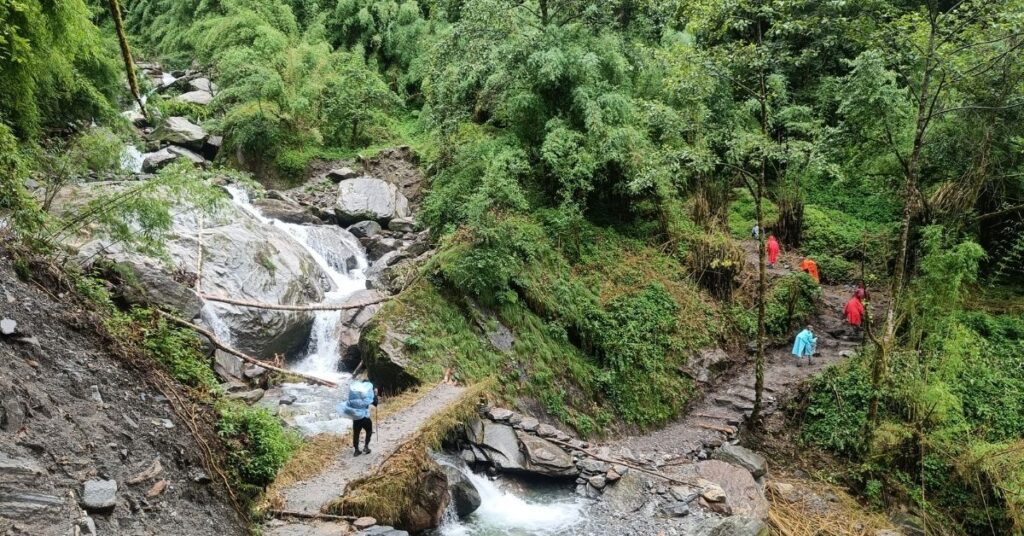
Proper acclimatization takes careful planning and expert knowledge. Trekking with professionals removes the guesswork, allowing you to focus on the experience.
At Mountain Routes, we design every trek with safety as our top priority. Our itineraries include acclimatization days at the correct points to ensure a gradual ascent. Our experienced local guides are trained professionals. They know the trails, understand the risks, and are skilled at spotting the early signs of altitude sickness. They will manage the pace, monitor your health, and make decisions that protect your wellbeing.
Explore our carefully crafted treks or contact our team today to start planning your safe and unforgettable journey in Nepal.





 Chat on WhatsApp