
Nepal and Tourist Safety: What’s the Real Story?
Nepal, with its towering Himalayan peaks, rich cultural heritage, and friendly locals, has been a dream destination for adventurers and spiritual seekers. With majestic peaks, ancient temples, and a peaceful spiritual culture, Nepal has been on every traveller’s bucket list. But if you’re planning a trip, you might wonder: Is Nepal a safe place to travel? With low levels of violent crime, a warm and hospitable population, and a strong presence of tourism support services, Nepal is a safe place to travel, explore, and spend your vacation alone or with a family. Nepal is renowned for housing eight of the highest peaks on Earth, including the majestic Mount Everest. Whether exploring Kathmandu’s vibrant streets, paragliding over Pokhara’s serene lakes, or trekking through the trails of the Annapurna Circuit or Everest Base Camp, Nepal is a generally safe and advantageous tourist destination.
Is Nepal a Safe Travel Destination Today?
Yes, Nepal is a safe travel destination today. With its breathtaking mountains, rich culture, and diverse landscapes, Nepal has long been a top choice for adventure seekers, trekkers, and cultural travellers. Today, the country is safer than ever for travellers, thanks to ongoing improvements in infrastructure, healthcare, and tourism services. With significant advancements in the safety protocols, Nepal is actively working to create a secure environment for travelers. Tourism authorities have implemented strict health guidelines, including sanitation practices, social distancing measures, and mandatory health screenings. Nepal’s commitment to ensuring traveler safety remains a top priority as the world adapts to the post-pandemic reality.
Many hotels, restaurants, and trekking companies follow international hygiene standards, offering peace of mind for those seeking adventure or cultural experiences in the region. While Nepal is becoming an increasingly safe destination, it’s essential to stay updated on changes in local conditions. As Nepal rebounds from the challenges of the pandemic, it remains a safe and attractive destination for those seeking to explore its mountains, immerse themselves in its diverse culture, or simply enjoy the serenity of its natural beauty.
Current Safety Situation in 2025
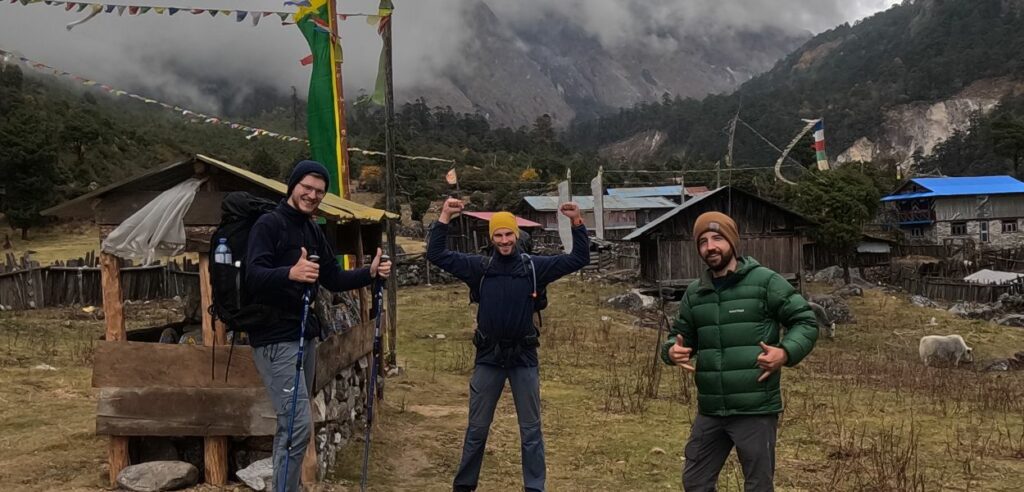
As of 2025, Nepal maintains a reputation as a safe and welcoming country for tourists. While petty crime exists, particularly in crowded urban areas, violent crime targeting tourists is relatively rare. The political situation has seen periods of instability, but the current environment is generally stable. However, it’s always a wise decision to stay informed about local news and any potential disruptions.
According to recent data from Nepal’s Tourism Board, over 95% of tourists feel safe during their visits. The government has strengthened the tourist police force, particularly in popular destinations, making it easier for visitors to get assistance.
How Safe is Nepal Compared to Other Asian Destinations?
When considering whether it is safe to travel to Nepal right now, it helps to compare it with other popular Asian destinations. Nepal generally scores well in tourist safety indexes compared to its neighboring countries like India, and faces fewer terrorist incidents than some parts of Southeast Asia. With recent improvements to infrastructure, the roads to travel destinations are better than before, including more reliable transportation options and great accommodations. Nepal has become a safer place for travelers. While Nepal may not be completely free of risks, it consistently offers a safer environment for tourists in comparison to several other backpacking hotspots.
When comparing Nepal’s safety to that of India, travelers often find Nepal to be a more comfortable and less chaotic destination. Nepal experiences fewer scams targeting tourists, especially when compared to India’s bustling cities, where tourists are often prime targets for such activities. Female travelers, in particular, report feeling safer in Nepal due to lower levels of harassment. The smaller size of Nepal and its less dense population also make navigation easier, creating a less overwhelming experience for first-time travelers.
Safety in Trekking and Mountain Regions
Nepal’s majestic Himalayas are a significant draw for tourists. Safety in trekking regions is generally high, with local communities supporting trekkers. However, risks associated with altitude sickness, weather changes, and challenging terrain exist. Hiring an experienced guide through a reputable travel agency in Nepal would be helpful in emergency conditions. They will help you with altitude sickness, weather changes, and challenging terrain that do exist. Popular trekking routes are generally well-maintained, but it’s essential to be prepared and informed. Also, the helicopter rescue services are available, but travel insurance is necessary. With its friendly locals and welcoming culture, Nepal is considered a great choice for those seeking a safe and enjoyable adventure in South Asia.
Safety Considerations for Different Travelers
Safety perceptions and concerns can vary based on individual circumstances. The level of comfort and security a traveler feels can differ greatly depending on age, gender, travel style, and personal background. For example, a solo backpacker may have different concerns than a family with young children, and a female traveler may take precautions that wouldn’t cross the mind of a group tour participant.
Is Nepal Safe for Female Travellers?
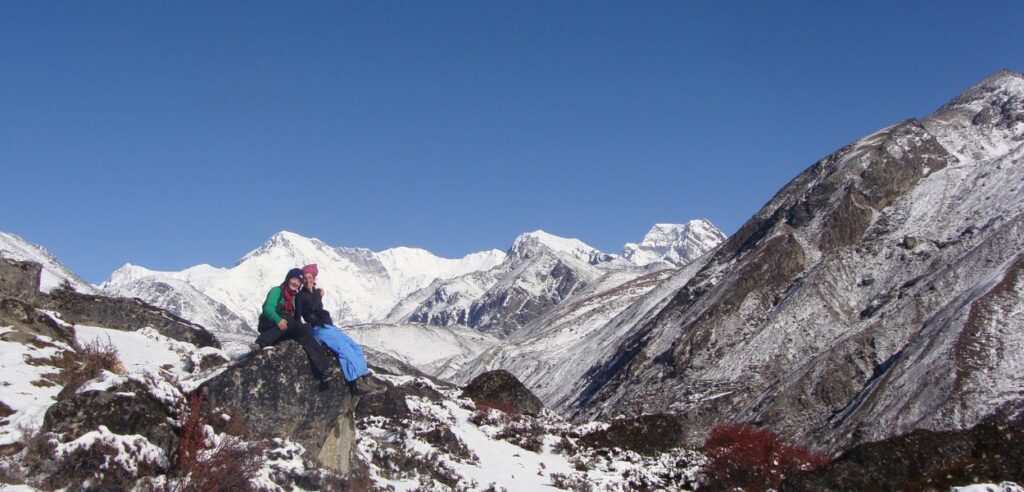
For women wondering “Is Nepal safe for female travellers?” the answer is generally positive, and it is yes. Nepal is considered one of the safer countries in South Asia for women traveling alone or in groups. Nepali culture traditionally respects women, and violent crimes against female tourists are rare. However, like any destination, female travellers need to be mindful of their surroundings and dress modestly in more conservative areas. It is better not to walk alone late at night in unfamiliar places. For an extra secure trekking experience, it is suggested that you travel in a group. Also, utilizing reputable tour operators and accommodations can enhance safety and comfort. Many travel agencies now offer female-only tour groups and female guides for women travelers concerned about safety.
Is Solo Travel in Nepal a Good Idea?
Absolutely, solo travel to Nepal is a good idea. Solo travelers love Nepal for its spiritual vibe and tight-knit backpacker community. Many solo travelers are drawn to Nepal’s welcoming culture and well-trodden trekking trails. The key to a safe and enjoyable solo trip lies in thorough preparation, staying connected, and trusting your instincts. Solo travelers should:
- Stay in reputable accommodations with good security reviews
- Share your itinerary with someone back home
- Connect with other travelers for certain activities like trekking
- Keep emergency contacts easily accessible
- Trust your instincts if a situation feels uncomfortable
The Tea House trekking system in Nepal makes solo hiking more manageable than in other countries. This service in Nepal helps you find accommodation and food along established routes and likely meet other trekkers. While solo travel in Nepal can be a rewarding experience, it does come with risks. For instance, the tragic case of Swedish citizen Michael Liu Blomberg, who was found dead in August 2024 during a trek to Mardi Base Camp, underscores the potential dangers of trekking alone. (My Republica) So, it’s highly recommended to hire a registered travel agency in Nepal, especially for solo travelers. A reputable company can provide a licensed guide, ensure safety measures, and give you a richer, more informed trekking experience.
Can I Travel to Nepal with my Family?
Yes, Nepal is a great destination for families, offering a mix of nature, culture, and adventure. It has many age-appropriate activities and a culture that places high value on children. Many of the best family treks in Nepal provide a safe and enjoyable way to explore the Himalayas together, with routes that are scenic yet manageable for younger adventurers. Safety in Nepal has improved significantly for family travelers, with more family-friendly accommodations and activities. When traveling with children in Nepal:
- Choose accommodations with good safety reviews and family amenities
- Consider altitude carefully when planning itineraries with young children
- Pack appropriate medications and first aid supplies
- Plan a less ambitious itinerary with plenty of rest days
- Research the nearest quality medical facilities for your destinations
Safest Places to Visit in Nepal
While every corner of Nepal offers its own charm and is generally considered safe for travelers, some destinations stand out for their well-developed tourism infrastructure, easy accessibility, and welcoming atmosphere. These places not only offer incredible natural beauty and cultural richness but also provide a sense of security that makes exploring them worry-free. Whether you’re a first-time visitor, a solo traveler, or exploring with family, the following destinations in Nepal are known for being especially tourist-friendly and supported by reliable services.
Kathmandu Valley (Patan, Bhaktapur, and Cultural Sites)
Despite traffic congestion, Kathmandu’s safety is relatively stable. The UNESCO sites in Patan and Bhaktapur are safe for families and cultural explorers. The Kathmandu Valley, a historical and cultural heart of Nepal, is generally considered safe for travelers, including solo visitors and families. The valley includes three major cities—Kathmandu, Patan (Lalitpur), and Bhaktapur, each rich in heritage and architectural marvels. Popular tourist districts such as Thamel in Kathmandu, the Durbar Squares of Patan and Bhaktapur, and sacred sites like Swayambhunath (Monkey Temple), Boudhanath, and Pashupatinath are usually bustling with tourists and locals alike. These areas are well-patrolled, especially during the day, and offer plenty of amenities such as tourist police booths, guided tours, and nearby accommodations.
These cities are safer alternatives for travelers seeking a more laid-back experience while exploring temples, courtyards, and local crafts. However, like any urban destination, it’s wise to stay aware of your surroundings. Petty crimes like bag-snatching and pickpocketing can occasionally occur in crowded places, especially around busy festivals or markets. Overall, the Kathmandu Valley offers a safe and rewarding travel experience when approached with a mix of curiosity and common sense.
Pokhara (Adventure hub with lower crime rates)
Pokhara is widely regarded as one of the safest and most serene cities in Nepal, making it a top choice for travelers of all types. The city behind the Phewa Lake, backed by the majestic Annapurna range, is not only a visual delight but also a well-organized destination with relatively low crime rates compared to other urban areas. The overall atmosphere in Pokhara is laid-back and welcoming, with locals known for their friendliness and hospitality. The presence of tourist police and frequent patrols adds an extra layer of security, and many businesses cater specifically to international visitors, ensuring a smooth and comfortable experience. What makes Pokhara even more appealing is its status as an adventure hub. Even after dark, Pokhara maintains a calm and secure environment, especially around the Lakeside area.
Popular Trekking Regions: Annapurna and Everest
Trekking in Nepal is one of the most sought-after travel experiences in the world, and the Everest and Annapurna regions consistently rank as the most popular and well-traveled routes. These trails are generally considered safe thanks to their well-developed infrastructure, clear paths, regular checkpoints, and the constant flow of fellow trekkers during peak seasons. In the Everest region, treks such as the classic Everest Base Camp (EBC) route pass through Sherpa villages, monasteries, and forests with majestic views of the world’s tallest peaks.
Similarly, the Annapurna region offers routes like the Annapurna Base Camp (ABC) trek and the Annapurna Circuit, which are known for their incredible mountain vistas, cultural encounters, and diverse landscapes. However, the safety of these treks isn’t solely dependent on the trail itself. You have to prepare yourself for sudden weather changes, and unfamiliar terrain can quickly turn challenging without the right support. That’s why hiring a licensed, experienced guide from a registered trekking agency is strongly recommended.
Benefit of good trekking guide does more than lead the way. They monitor your health for signs of altitude sickness, manage the daily itinerary based on your pace, assist in emergencies, and act as a cultural bridge between you and the local communities.
The Best and Worst Seasons to Visit Nepal Based on Weather and Trekking Conditions
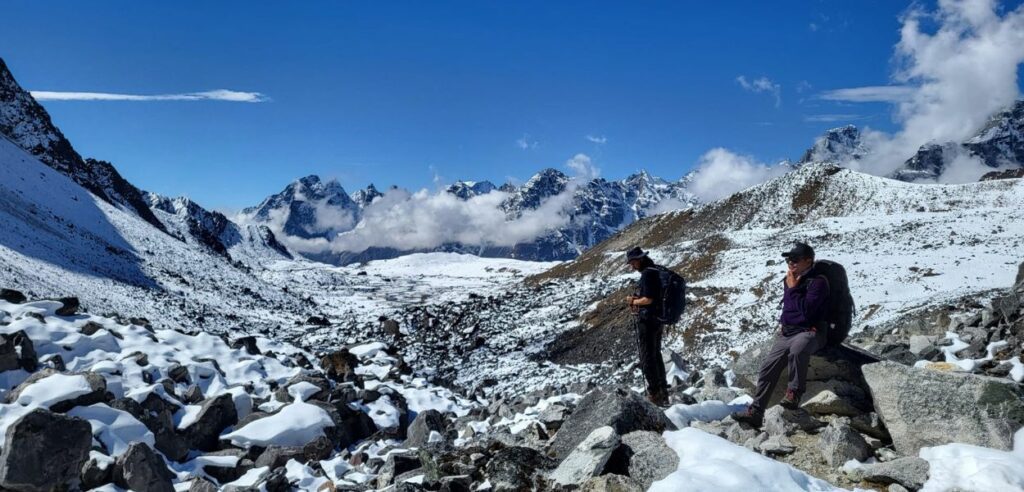
Nepal is a country of striking seasonal contrasts, where the timing of your visit can greatly influence your overall experience. Whether you’re coming for high-altitude trekking, cultural exploration, or nature photography, the weather and trail conditions play a crucial role in shaping your adventure. While some months offer clear skies, stable temperatures, and vibrant landscapes, others bring challenges like heavy rain, snow, and limited accessibility.
Optimal Travel Seasons
Spring (March to May) and autumn (September to November) are widely considered the optimal seasons to visit Nepal, particularly for trekking and outdoor adventures. During spring, the weather is stable and temperatures are moderate, creating ideal conditions for high-altitude treks. Hillsides come alive with blooming rhododendrons, and dry trails reduce the risk of landslides or snow blockages. Similarly, autumn offers post-monsoon freshness, crystal-clear mountain views, and consistent weather, making it a favorite among trekkers and adventure seekers alike.
However, with the favorable weather comes increased foot traffic on popular trails such as Everest Base Camp and the Annapurna Circuit. While crowds may feel overwhelming at times, they also offer certain safety benefits, like more frequent encounters with fellow trekkers and greater availability of experienced guides and porters.
This is particularly reassuring for solo travelers. Spring and autumn also coincide with major Nepali festivals like Dashain, Tihar, and Holi, which add cultural vibrancy to your trip but can lead to crowded spaces, limited transportation, and service disruptions. Planning ahead, securing accommodations early, and staying cautious in busy areas can ensure a safe and smooth experience during these peak travel seasons.
Seasons to Approach with Caution
The monsoon and winter seasons in Nepal are one of the most challenging times to visit due to heavy and frequent rainfall. During the monsoon months (June to August), heavy rainfall leads to slippery trails, frequent landslides, and leech-infested paths, especially in the central and eastern regions. Trekking becomes risky, visibility drops, and domestic flights are often delayed or canceled due to unpredictable weather. Similarly, winter (December to February) brings harsh cold, especially in the mountains, where snowfall can block high-altitude routes like Thorong La Pass. Trekking at this time requires experience, proper winter gear, and a willingness to brave freezing temperatures and shorter daylight hours.
Despite these difficulties, both seasons can still offer rewarding experiences for well-prepared travelers. If visiting during monsoon, it’s wise to stick to rain-shadow areas like Upper Mustang, which remain relatively dry. In winter, lower-altitude treks such as Poon Hill, Ghandruk, or those near the Kathmandu Valley are more accessible and see fewer crowds, offering a peaceful and scenic alternative to the busier peak seasons.
Planning Your Visit to Nepal: Visas, Entry Requirements & Travel Stats
Whether you’re planning to trek through the Himalayas, explore Kathmandu’s ancient temples, or simply immerse yourself in the vibrant local culture, understanding Nepal’s visa and entry requirements is essential for a smooth and hassle-free journey. Tourist visas are available for 15, 30, or 90 days, depending on your needs. You can also apply for your visa in advance by contacting the nearest Nepalese embassy or from your own country. To get a visa on arrival, you’ll need your passport, a recent photograph, and the visa fee in cash, typically in US dollars. For indian people, a visa is not required to enter Nepal. This exemption stems from the 1950 Indo-Nepal Treaty of Peace and Friendship, which allows for the free movement of citizens between the two countries. To enter Nepal, Indian nationals must present a valid Indian passport, voter ID card, or photo identity card.
Travel Documents Required to Visit Nepal 2025/26
When planning your trip to Nepal, it’s essential to ensure you have the correct travel documents. Here’s a list of the key documents you’ll need for a smooth entry:
- Passport: Your passport must be valid for at least six months beyond your intended stay in Nepal.
- Visa: A Nepal tourist visa is required for most foreign nationals, which can be obtained on arrival at the airport or border post, or in advance through a Nepalese embassy or consulate. Indian citizens can enter Nepal without a visa using a valid passport or an Election Commission Card.
- Online Visa Form (if applicable): Required if you fill out the visa form in advance.
- Travel Insurance: It’s highly recommended to have travel insurance that covers medical emergencies, trip cancellations, and evacuation.
- Flight Itinerary: A copy of your return or onward flight ticket is often required as proof of your exit plans from Nepal.
- Accommodation Details: You may need to provide the address and contact information of where you will be staying during your visit.
- Vaccination Certificates: Some vaccinations may be required, depending on your travel history or the time of your visit.
- Proof of Sufficient Funds: While not a strict requirement, ensure you have enough cash or proof of financial means to cover your stay in Nepal.
Smart Travel Advice for Staying Safe on Your Trip
Traveling to a new country is exciting, but staying safe should always be a priority. Whether you’re trekking through the Himalayas or exploring vibrant cities like Kathmandu and Pokhara, being prepared and aware can make all the difference. Here are some smart travel tips to help you stay safe and enjoy your journey through Nepal with peace of mind.
Pre-Trip Preparation
Before embarking on your journey to Nepal, it’s essential to make some health-related preparations. You have to ensure you are properly vaccinated, such as against Hepatitis A and Typhoid. Also, it is recommended to consult with a doctor for a full list of the vaccinations. Also, health tips specific to your destination in Nepal. Additionally, packing the right gear can make a big difference during your travels. Bringing a first-aid kit equipped with essential medications, bandages, and antiseptic solutions is crucial in case of minor injuries. A water purifier is also recommended, especially if you plan to trek or visit remote areas, where access to clean drinking water may be limited. This ensures you stay hydrated while avoiding waterborne illnesses.
Staying Safe During Your Visit
While Nepal is generally safe for travelers, there are certain precautions you should take to ensure a safe and healthy experience. One of the most important safety tips is to avoid drinking tap water. Stick to bottled or filtered water to minimize the risk of waterborne diseases. Always make sure the bottle cap is sealed to avoid consuming contaminated water. When it comes to transportation, always use registered taxis rather than unmarked or unlicensed ones, which helps reduce the risk of scams or unsafe travel conditions.
Similarly, when hiring tour guides or booking activities, opt for licensed and reputable operators to ensure a more secure and well-organized experience. In the rare case that you lose any belongings during your trip, the Tourist Police are always ready to assist, helping you track them down and ensuring a stress-free experience.
On April 1, 2025, the Tourist Police Office, Bhrikutimandap, in coordination with the Tourist Police Pokhara, recovered a lost wallet containing a passport and visa cards belonging to a French national. Source: Facebook
Emergency Contacts and Resources
In case of an emergency, it’s essential to have the right contact numbers on hand. For general emergencies, you can dial 100 to reach the police. If you find yourself in need of assistance from authorities specifically trained to help tourists, dial 1144 to contact the Tourist Police. For trekkers and adventurers, knowing the emergency rescue contact is critical. The Himalayan Rescue Association provides a dedicated emergency service for trekkers, and their contact numbers are 01-4540292 and 01-4540293. Having these numbers readily available can make all the difference if you need urgent assistance during your travels in Nepal.
How Safe is Nepal to Visit in 2026? Final Verdict

Yes, Nepal is safe to visit in 2026 when you take mindful precautions and stay aware of your surroundings. With proper preparation, including vaccinations, necessary travel gear, and a good understanding of local customs and safety guidelines, you can enjoy a rewarding experience. Whether you’re exploring the vibrant streets of Kathmandu, trekking the iconic Himalayan routes, or relaxing by the serene lakes of Pokhara, Nepal offers an unforgettable adventure. While there are some risks, like altitude sickness, petty theft, and occasional natural disasters, travelling smart and following basic safety measures ensures a safe and enjoyable trip to this beautiful country.
FAQ
What is the best time to travel to Nepal?
The best time to visit Nepal is during spring (March–May) and autumn (September–November) for clear skies, mild temperatures, and ideal trekking conditions.
Do I need a visa to enter Nepal?
Yes, you need a visa to enter Nepal, but Indian citizens are an exception. If you’re from India, you don’t need a visa, just carry a valid identity card (like a passport, voter ID, or Aadhaar card) that proves your Indian citizenship.
How long can you stay with a tourist visa?
A tourist visa allows you to stay for 15, 30, or 90 days, with the option to extend up to 150 days in any given calendar year.
Can I travel solo in Nepal?
Yes, solo travel in Nepal is possible and popular, especially on well-trodden routes, though it’s advised to take precautions and consider hiring guides for remote treks as some areas are banned for solo trekking in Nepal, like Everest Base Camp and Annapurna Circuit.





 Chat on WhatsApp